• KGS/USD = 0.01144 0%
  • KZT/USD = 0.00215 0%
  • TJS/USD = 0.10718 0.28%
  • UZS/USD = 0.00008 0%
  • TMT/USD = 0.28530 0%
  • KGS/USD = 0.01144 0%
  • KZT/USD = 0.00215 0%
  • TJS/USD = 0.10718 0.28%
  • UZS/USD = 0.00008 0%
  • TMT/USD = 0.28530 0%
  • KGS/USD = 0.01144 0%
  • KZT/USD = 0.00215 0%
  • TJS/USD = 0.10718 0.28%
  • UZS/USD = 0.00008 0%
  • TMT/USD = 0.28530 0%
  • KGS/USD = 0.01144 0%
  • KZT/USD = 0.00215 0%
  • TJS/USD = 0.10718 0.28%
  • UZS/USD = 0.00008 0%
  • TMT/USD = 0.28530 0%
  • KGS/USD = 0.01144 0%
  • KZT/USD = 0.00215 0%
  • TJS/USD = 0.10718 0.28%
  • UZS/USD = 0.00008 0%
  • TMT/USD = 0.28530 0%
  • KGS/USD = 0.01144 0%
  • KZT/USD = 0.00215 0%
  • TJS/USD = 0.10718 0.28%
  • UZS/USD = 0.00008 0%
  • TMT/USD = 0.28530 0%
  • KGS/USD = 0.01144 0%
  • KZT/USD = 0.00215 0%
  • TJS/USD = 0.10718 0.28%
  • UZS/USD = 0.00008 0%
  • TMT/USD = 0.28530 0%
  • KGS/USD = 0.01144 0%
  • KZT/USD = 0.00215 0%
  • TJS/USD = 0.10718 0.28%
  • UZS/USD = 0.00008 0%
  • TMT/USD = 0.28530 0%

Viewing results 1 - 6 of 1687

State Mortgages in Kyrgyzstan Can Now Be Obtained Without Credit History

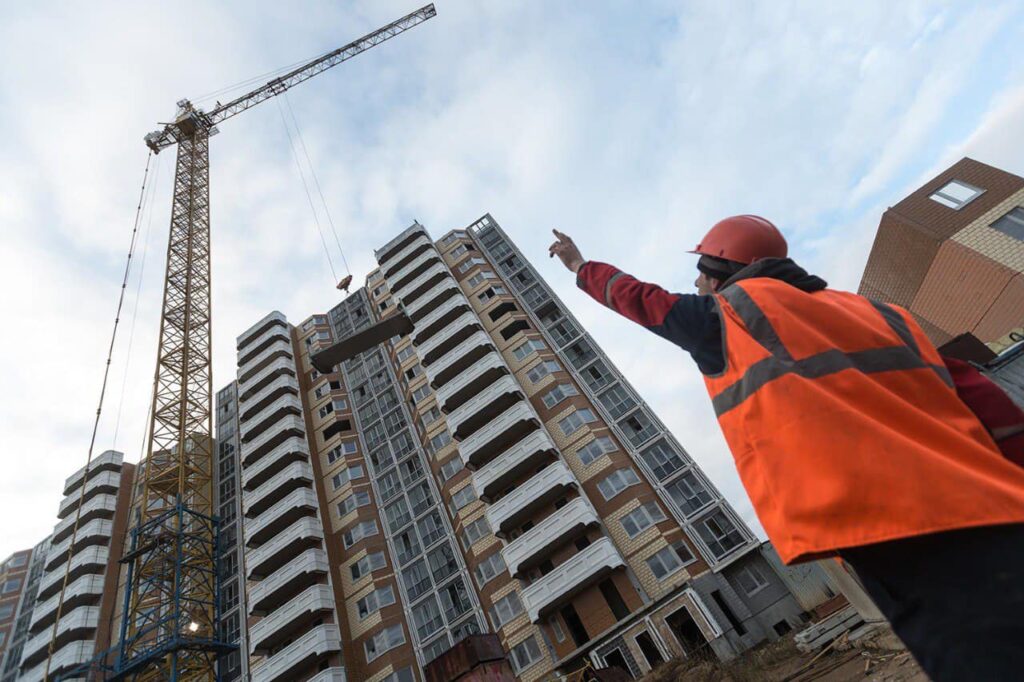
On April 15, a law introducing a mechanism called "Shared Housing Construction" within the framework of the program, "My House 2021-2026" came into force in Kyrgyzstan. The program, as defined by the State Mortgage Company (SMC) of Kyrgyzstan, is available to all citizens. According to authorities, Kyrgyz citizens should be able to participate in collective housing developments without risks. According to the new program, citizens can apply for state mortgages without possessing a bank credit history in the country. Furthermore, those wishing to take out a mortgage will not have their incomes checked and will not have to submit to a work history. "Until today, one of the problems of housing provision [for] citizens in the republic was the lack of a state mechanism of equity financing of housing construction. In this regard, President Sadyr Japarov on January 30 this year signed a decree 'On measures to further improve the mechanisms of housing provision and construction of housing for citizens of the Kyrgyz Republic in the field of state housing policy'" - reported the SMC's website. Loans under the program will be issued under certain conditions: the down-payment should be at least 50% of the cost of the housing, the mortgage can be taken for up to 15 years at 8% per annum. Residential mortgage issuance by commercial banks in Kyrgyzstan today operates on more stringent conditions. For example, the interest rate for borrowers starts at 20% with a down-payment of at least one-third of the value of the property. Earlier, Kyrgyz President Sadyr Japarov instructed the Cabinet of Ministers to determine the list of state-owned land plots to be transferred to the SMC.
Kyrgyzstan, Kazakhstan and Uzbekistan Consider Joint-Stock Company to Build Kambarata HPP-1

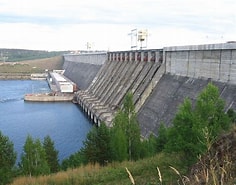
Kazakhstan’s Ministry of Energy has announced that the draft Agreement between the governments of Kyrgyzstan, Kazakhstan, and Uzbekistan on the joint implementation of the construction and operation of Kambarata hydroelectric power plant (HPP)-1 has been posted on Kazakhstan’s official Internet portal Open Legal Acts. Available for public discussion, the agreement outlines the terms of cooperation between the parties in the proposed construction of Kambarata HPP-1 on the Naryn River in Kyrgyzstan. To implement the project, the proposed joint-stock company will be financed with 34 percent of authorized capital belonging to Kyrgyzstan, 33 percent to Kazakhstan, and 33 percent to Uzbekistan. The cost of construction is estimated between $5 billion and $6 billion and although the majority of funds will be drawn from the founders, further investment will be sought from loans and grants from international financial institutions and commercial banks. According to the draft, at the end of the project implementation period, the shares and assets of Kambarata HPP-1 will become the sole property of the Kyrgyz side. If realized, Kambarata HPP-1 will be the largest hydropower plant in Kyrgyzstan.

Kyrgyzstan’s New Tariff Policy Aim to Solve Problems in Energy Sector

Kyrgyzstan's minister of economy Daniyar Amangeldiev has told a press conference in Bishkek about his vision for the country's energy sector. A new tariff pricing policy has been presented to the Kyrgyz parliament, and will be adopted in May this year. According to Amangeldiev, the new electricity tariff policy will allow for new capacity to be introduced, and for the country to reduce the country's electricity deficit year by year until the country's power-demand needs are met. Electricity prices will rise by 10.8% as early as May 2024, and taking into account inflation, this increase will be permanent. Amangeldiev said that it will now be much easier to obtain permission from the authorities to build energy facilities in the country. Measures have also been taken to make it easier for investors to invest in Kyrgyzstan's energy sector. "With its adoption (the new law on tariff policy), those capacities that are planned will be introduced, and accordingly, every year we will reduce the shortage of electricity to fully meet the needs of the country, and possibly [lead to] electricity export," he commented, adding that this year in Kyrgyzstan developers have started 10 small hydropower plants (HPPs). Earlier, Kyrgyz president Sadyr Japarov said that in addition to the construction of large energy facilities, it's necessary to build small HPPs. In 2022, the World Bank allocated $50 million to Kyrgyzstan to modernize its energy infrastructure -- upgrading transformers, power lines and installing smart meters. A year later, the bank provided another $80 million in concessional loans (at below-market lending rates) to improve the power grid and support small-scale power generation. Last fall, the World Bank allocated $5 million to the republic for a feasibility study of the project of a new large HPP called Kambarata-1.

Robust Economic Growth in EDB Member States

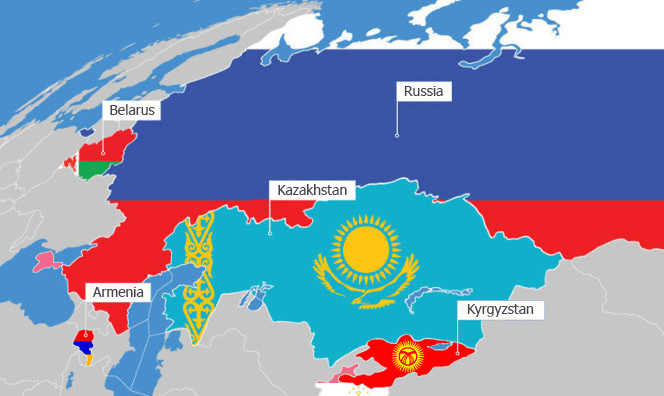
The latest Macroeconomic Review for the EDB’s six member states — Armenia, Belarus, Kazakhstan, Kyrgyzstan, Russia, and Tajikistan – was released by the Eurasian Development Bank on April 12th. Despite the challenging external economic environment, the report illustrates robust economic growth amongst all its members in January-February this year and according to short-term economic activity indicators, high GDP growth is set to continue. Fuelled by capital investment, Kazakhstan’s economy expanded by 4.2%, and Kyrgyzstan experienced a GDP surge of 8.6%, largely due to intensified investment activity, which spiked to 55%. Propelled by a dynamic increase in industrial output, economic activity in Armenia rose by 13.6%, and Belarus’s economy grew by 4% during the same period, boosted by manufacturing and retailing industries. In Russia, industrial production remains the prime driver of economic growth, raising the nation’s GDP by 6.0%, and Tajikistan’s high growth rates are maintained by consumption and investment sectors. In conclusion, the EDB reports that domestic demand within its represented countries is propelled by national projects, including increased public investment in Armenia, import substitution programs in Belarus and Russia, and the development of mechanical engineering in Kazakhstan and energy sectors in Kyrgyzstan and Tajikistan.

Chinese Invest in Solar Power for Kyrgyzstan

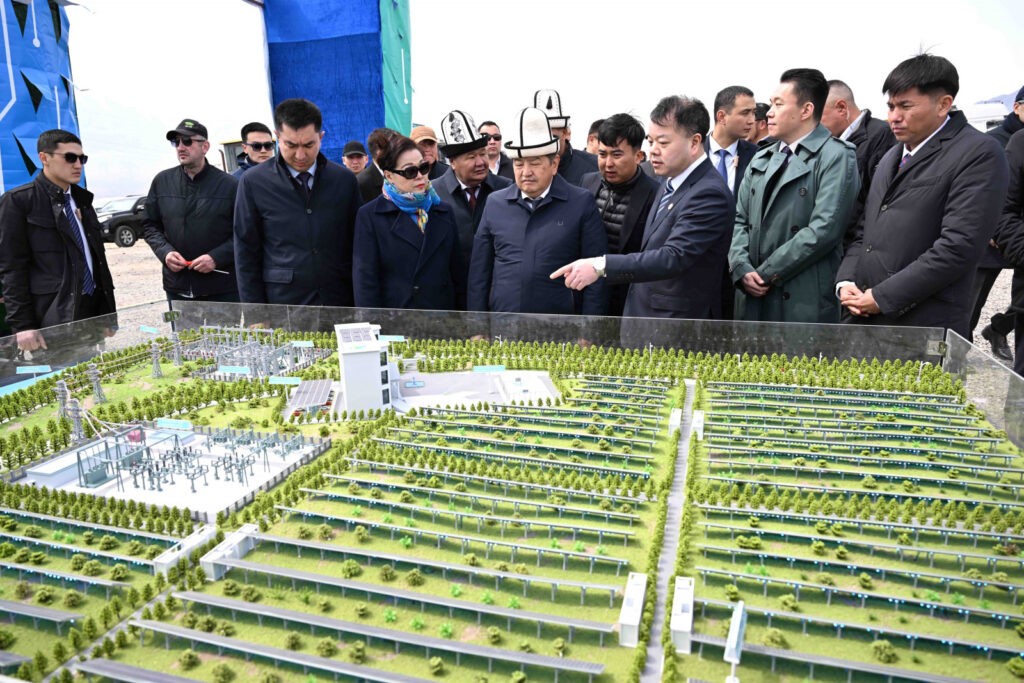
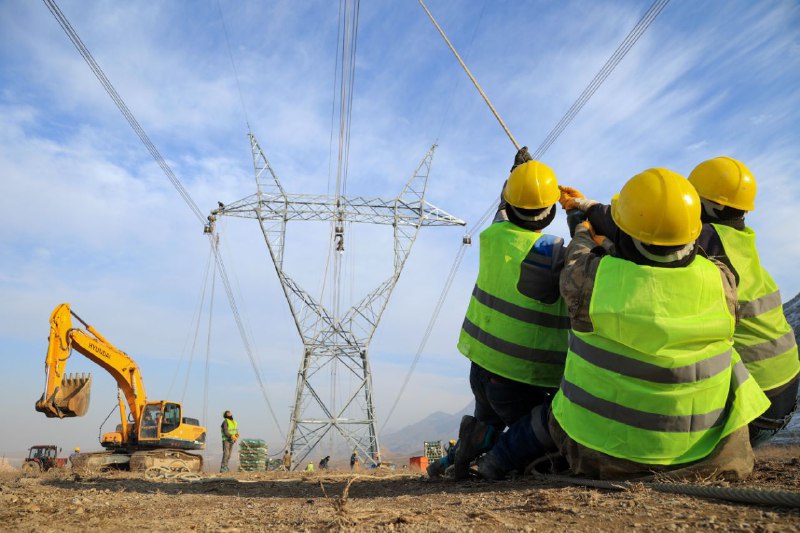
On April 12, the Chairman of the Cabinet of Ministers of the Kyrgyz Republic, Akylbek Japarov unveiled plans for the construction of a solar power plant near Balykchy in the country’s northern Issyk-Kul region. Financed with an investment of $400 million by a Chinese company, the plant will have a capacity of 400 megawatts and should be operational by the end of 2025. At the celebratory launch, Japarov stated that the Cabinet of Ministers has made the harness of solar energy, wind, and biogas technologies a key priority, and applauded progressive initiatives which over the past two years, include large-scale hydroelectric power plants Kambarata (HPP)-1, Kulanak HPP and Bala-Saruu HPP, as well as hundreds of smaller hydroelectric power stations nationwide. “Our goal is to achieve energy independence. The first stage of work on Kambarata HPP-1 has been completed, and work is currently underway to update its feasibility. Once in operation, it will become the largest hydropower nation in the region.”

ADB Forecasts Faltering Economic Growth

The People's Republic of China (PRC) will remain the engine of growth for the world economy, even despite some slowdown. That forecast has been made by the Asian Development Bank (ADB) specialists in their report, Asian Development Outlook. Inflation is expected to decline in 2024 and 2025 after the increase in food prices in many countries over the past two years - and developing economies in the Asia-Pacific region will grow by an average of 4.9%, according to the ADB. Experts predict the highest economic growth for India: where the economy will grow by 7% this year and 7.2% next year. As for China, experts are more reserved in their forecasts: China's growth will slow to 4.8% this year and 4.5% next year. "Obviously, China will play an important role for some time to come. It still accounts for almost half of the GDP [gross domestic product] in the Asia-Pacific region," said ADB chief economist ,Albert Park. At the same time, economists also warned of possible risks: supply chain disruptions, uncertainty over U.S. monetary policy, the effects of extreme weather, and volatility in the PRC's real estate market. Inflation in developing Asia-Pacific economies is expected to fall to 3.2% this year and 3% next year as global price pressures ease and monetary policy remains tight in many countries. However, inflation in the region, with the exception of China, is still higher than before the COVID-19 pandemic. According to the bank's forecasts, economic growth in Uzbekistan will slow this year and grow slightly next year. This is because higher state-regulated prices will limit the growth of real household incomes, thus reducing demand. Economists expect a lower growth in services and agriculture. Lower remittances, fiscal space constraints, and lower global demand for Tajikistan's main exports will cause Tajikistan's economic growth to slow slightly in 2024 and 2025, the ADB said. "Tajikistan faces serious climate challenges and risks that could lead to irreversible economic, social, and environmental damage," said the ADB 's resident representative in Tajikistan, Shanny Campbell. The ADB says developing a green economy is key to the country's sustainable growth. As for its nearest neighbor, Kazakhstan, the ADB has lowered its GDP growth forecast for 2024 to 3.8%, down from 4.3% in the previous review. In 2025, the figure is expected to be 5.3%. Actual GDP growth at the end of 2023 was at 5.1%. "The growth rate of Kazakhstan's economy in 2024 will decrease against the background of slowdown in industrial growth due to stagnation in oil production and then recover in 2025 due to the growth of resource extraction at the Tengiz field and investments. Prospects for Kazakhstan's economic growth in the medium term look positive," ADB analysts said. As for developed economies globally, their growth will slow down this year: GDP growth in the U.S. will fall to 1.9% from last year's 2.5%, and in Japan, GDP will grow by 0.6% compared to 1.9% in 2023.