• KZT/USD = 0.00218
  • TJS/USD = 0.10810
  • UZS/USD = 0.00009
  • TMT/USD = 0.29850
  • KZT/USD = 0.00218
  • TJS/USD = 0.10810
  • UZS/USD = 0.00009
  • TMT/USD = 0.29850
  • KZT/USD = 0.00218
  • TJS/USD = 0.10810
  • UZS/USD = 0.00009
  • TMT/USD = 0.29850
  • KZT/USD = 0.00218
  • TJS/USD = 0.10810
  • UZS/USD = 0.00009
  • TMT/USD = 0.29850
  • KZT/USD = 0.00218
  • TJS/USD = 0.10810
  • UZS/USD = 0.00009
  • TMT/USD = 0.29850
  • KZT/USD = 0.00218
  • TJS/USD = 0.10810
  • UZS/USD = 0.00009
  • TMT/USD = 0.29850
  • KZT/USD = 0.00218
  • TJS/USD = 0.10810
  • UZS/USD = 0.00009
  • TMT/USD = 0.29850
  • KZT/USD = 0.00218
  • TJS/USD = 0.10810
  • UZS/USD = 0.00009
  • TMT/USD = 0.29850
21 August 2026

Viewing results 1 - 6 of 175

Mining Output Grows in Tajikistan

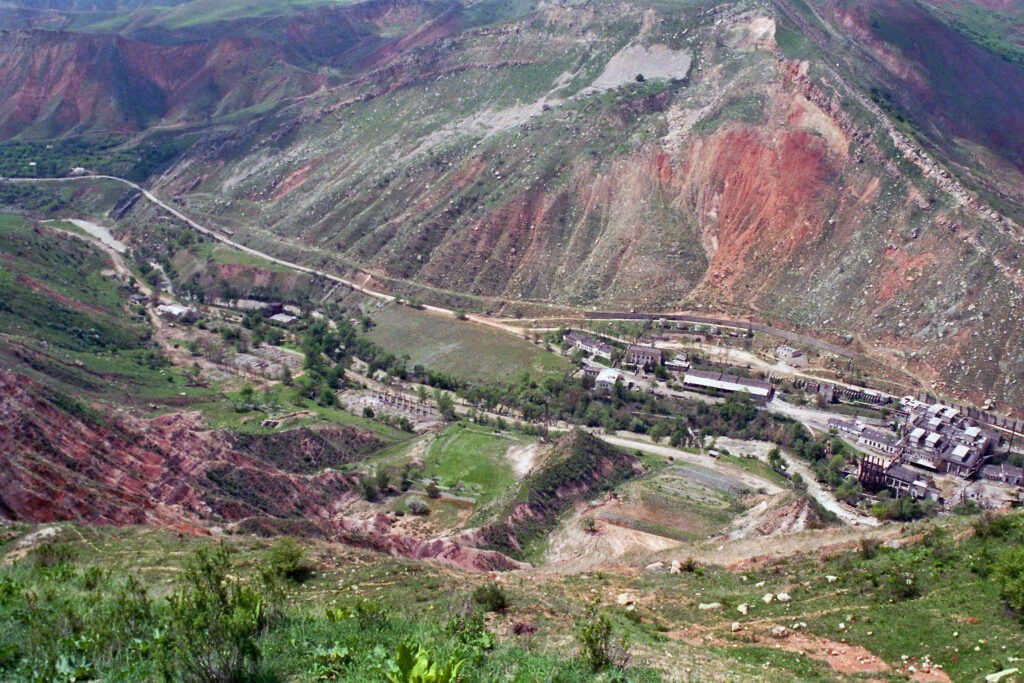
Mining output in Tajikistan has grown by more than 18% over the past year. Enterprises in the mining and precious metals industry for the first four months of 2024 produced quantities worth 4.3 billion somonis ($398.6 million), which is 667 million somonis ($61.7 million) or almost 19% more than the same period in 2023, Sputnik has reported. According to Muhammadvalishokh Makshulov, a spokesman from the ministry of industry and new technologies, the demand depends primarily on increasing enterprises' capacity and creating new directions in their work. According to the ministry, last year the company Zarafshon launched a metallurgical plant to produce metallic copper, built on the most modern technologies in the world, thanks to the acquisition of more than $119 million. Also, on 5 July 2023, the enrichment plant of TVEA Dushanbe Mining Industry LLC, with a capacity of processing 900,000 tons of ore per year in the Ayni district of the Sughd region, started operating. This company started production at two mines: Kumargi Bolo and Duobai Sharqi. The first mine is located at an altitude of almost 4,000 meters, and the second is at 2,300 meters. Last year, with the attraction of $43 million in foreign capital, construction began on the second stage of a metallurgical plant to produce lead, silver, and copper for the Tajik-Chinese mining and industrial company. Currently 21 companies are engaged in the mining and processing of minerals and precious metals in Tajikistan, seven of which are active due to Chinese investments. About 12,500 people work in the business of mining and processing minerals and precious metals. Of these, 11,500 are Tajik citizens, and the rest are Chinese.

Tungsten Production in Almaty

Kazakhstan’s Minister of Industry and Construction Kanat Sharlapaev met representatives from Jiaxing International Resources Investment LTD on April 3rd to discuss progress on the extraction of tungsten at Bugutinskoe in the Almaty region. The new mine and processing plant, scheduled for completion by the end of 2024, are expected to create 1,000 jobs. The project involves the extraction and processing of 3.3 million tons of tungsten ores to produce a 65% tungsten concentrate. A feasibility study is also being conducted for the construction of a deep-processing complex, which will process a further 65% tungsten concentrate into 88.5% ammonium paratungstate and high-purity tungsten carbide.

Kazakhstan Now a Global Top Ten Iron Ore Producer

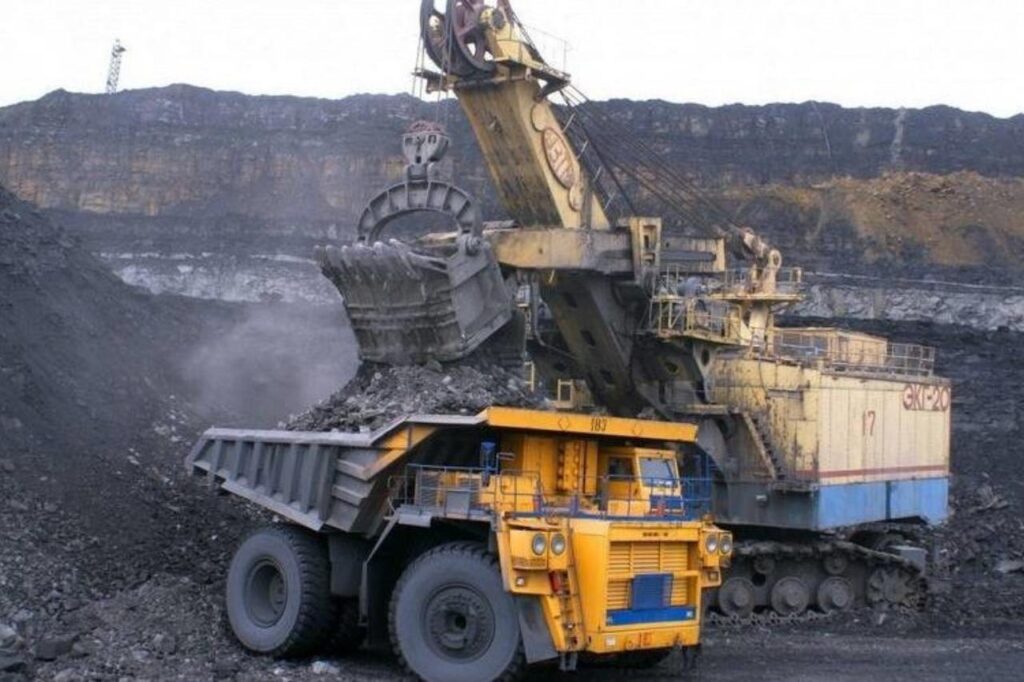
Latest data from the U.S. Geological Survey (USGS) puts Kazakhstan in the top 10 of countries by volume of mined iron ore. Almost 2.8 billion tons of metal were extracted in the world in 2022. Iron ore makes up 93.3% of that total, or 2.6 billion tons, which includes 1.6 billion tons of iron. The leaders in iron ore production are Australia (880 million tons in 2022), Brazil (410 million tons), China (380 million tons) and India (290 million tons). USGS has Kazakhstan in ninth on the list, with 66 million tons. Kazakhstan intends to increase iron ore production in the country, and plans to launch a new mining project in the Kostanay region. Its developers plan to put the Lomonosovskoye deposit into operation in 2025.

Kazakhstan Seeks U.S. Cooperation to Develop Critical Minerals

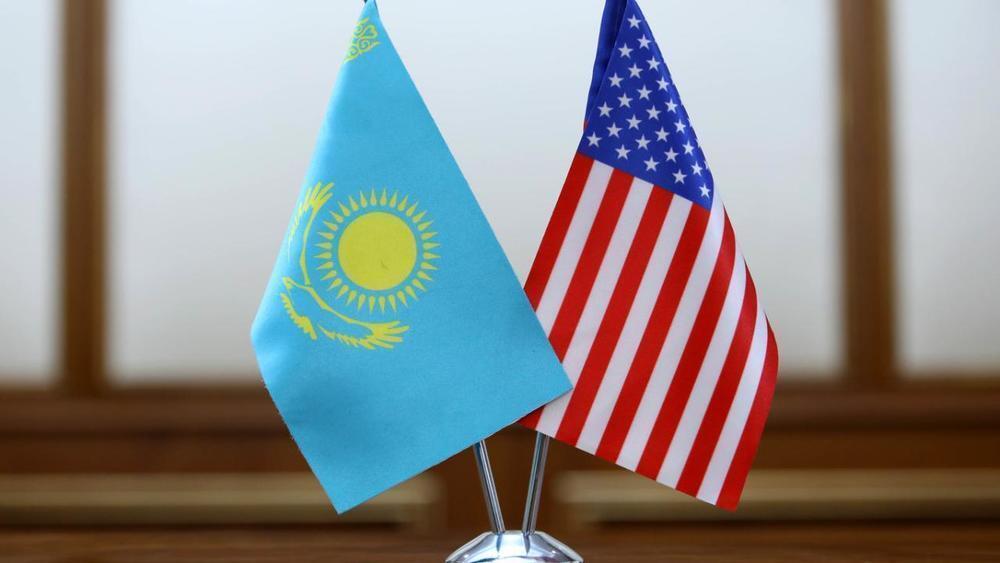
During a visit to the United States on March 1st, Kazakhstan’s Minister of Industry and Construction, Kanat Sharlapaev met David Applegate, director of the U.S. Geological Survey, to discuss expanding bilateral cooperation regarding mineral deposits in Kazakhstan. Of Kazakhstan’s 50 types of minerals, 17 were identified by the U.S. Geological Survey as critical. As reported by Sharlapaev, the key aims of future collaborations are attracting investment in geological exploration, mining, and the processing of rare and rare-earth metals, as well as facilitating Kazakhstan's integration to the global market through cutting-edge technologies and expertise. Speaking at a roundtable discussion at the U.S. Chamber of Commerce with members of the Kazakh-American Business Council (USKZBC) and representatives of American companies, the minister outlined the benefits afforded by consolidating the partnership between Kazakhstan and the USA. Emphasis was placed on the strategic potential of mining rare and rare earth metals and the development of related industries. In particular, he cited the importance of creating a cluster of industries in Kazakhstan to produce raw materials for batteries, including nickel, cobalt, manganese, and lithium and with reference to reforms on the use of subsoil to attract investment, encouraged US mining companies to participate in forthcoming auctions in Kazakhstan.

Kazakhstan Set to Drill World’s Deepest Well

Kazakhstan plans to become the country to set a new record for the deepest well in the world. Details regarding the project were revealed by Kazakhstan's Ministry of Industry and Construction of Kazakhstan, reports lsm.kz The specialized department said that the project called Eurasia is divided into three stages. The first was completed in 2022, at an expense of $5.9 million to the federal budget. Specialists then analyzed and revised all available geological and geophysical interpretations. Based on the results of the first phase, experts identified the most promising zones for further development. According to the Ministry, about $500-550 million more is needed to execute the next two stages of work. The second phase of drilling will last about three years and will be financed by investor capital. The third phase of the project will also last three years, and will be realized at the expense of private investors. At the same time, the specialized department reported that today they have not yet found an investor for the project. "Various options for attracting funds are being considered. So far, there are no specific options and amounts of funding for 2024," reported the Ministry. The Eurasia well will be 15 km deep, allowing for a more detailed study of geological sections, and assessment of the undiscovered resource potential of the Caspian Depression in the search for hydrocarbons. Currently, the world's deepest circular mine is considered to be a well in Russia at a depth of about 13 km, which is equal to the height of 15 Burj Khalifas, the Dubai skyscraper which considered to be the tallest in the world. Second place in terms of well depth is occupied by OP-11, which is also located in Russia. The depth of this is 12.3 kilometers. It was drilled in just two months and opened in January 2011, becoming the deepeat in the world at the time. In third-place is the BD-04A well in Qatar, which was drilled in May 2008 at the Al-Shaheen oil field in just 36 days. One other well worthy of mentioning is also located in Russia - the Kola ultra-deep well at 12.2 km, which was drilled back in 1970, in the days of the USSR. Initially, it was planned that the well would reach a depth of 15 km, but due to high temperatures of up to 230°C, drilling had to be stopped. Thanks to the Kola well, many pieces of unique scientific data were obtained, and the two-layer model of the Earth's crust structure was questioned. Now, the Kola ultra-deep was mothballed in 1995 due to a lack of funding.

Germany Interested in Kazakh Lithium

The German companies Knauf Gruppe, GP Günter Papenburg AG, and Roxtec, as well as the German Institute of Lithium (ITEL) have formed a consortium aimed at developing and producing lithium from deposits in Kazakhstan, the Kazakh Ministry of Industry and Construction has announced, adding that the move opens up new prospects for the development of the lithium industry in the country.  The initiative was discussed during a meeting in Germany between Kazakhstan’s minister of industry and construction, Kanat Sharlapaev, and Manfred Grundke, member of the supervisory board of GP Günter Papenburg AG. The parties have agreed to create a working group aimed at exploring the potential for cooperation in the field of lithium mining and use. The Ministry of Industry and Construction earlier this month said that Kazakhstan produces 19 of the 34 critical raw materials listed by the European Union. Kazakhstan also has the potential to establish a cluster for the production of battery raw materials such as nickel, cobalt, manganese, and lithium, which are essential for the production of electric vehicles.