• KGS/USD = 0.01144 0%
  • KZT/USD = 0.00205 0%
  • TJS/USD = 0.10441 0.1%
  • UZS/USD = 0.00008 0%
  • TMT/USD = 0.28571 0%
  • KGS/USD = 0.01144 0%
  • KZT/USD = 0.00205 0%
  • TJS/USD = 0.10441 0.1%
  • UZS/USD = 0.00008 0%
  • TMT/USD = 0.28571 0%
  • KGS/USD = 0.01144 0%
  • KZT/USD = 0.00205 0%
  • TJS/USD = 0.10441 0.1%
  • UZS/USD = 0.00008 0%
  • TMT/USD = 0.28571 0%
  • KGS/USD = 0.01144 0%
  • KZT/USD = 0.00205 0%
  • TJS/USD = 0.10441 0.1%
  • UZS/USD = 0.00008 0%
  • TMT/USD = 0.28571 0%
  • KGS/USD = 0.01144 0%
  • KZT/USD = 0.00205 0%
  • TJS/USD = 0.10441 0.1%
  • UZS/USD = 0.00008 0%
  • TMT/USD = 0.28571 0%
  • KGS/USD = 0.01144 0%
  • KZT/USD = 0.00205 0%
  • TJS/USD = 0.10441 0.1%
  • UZS/USD = 0.00008 0%
  • TMT/USD = 0.28571 0%
  • KGS/USD = 0.01144 0%
  • KZT/USD = 0.00205 0%
  • TJS/USD = 0.10441 0.1%
  • UZS/USD = 0.00008 0%
  • TMT/USD = 0.28571 0%
  • KGS/USD = 0.01144 0%
  • KZT/USD = 0.00205 0%
  • TJS/USD = 0.10441 0.1%
  • UZS/USD = 0.00008 0%
  • TMT/USD = 0.28571 0%

Viewing results 1 - 6 of 97

How Kazakhstan and Uzbekistan Anchor a Strategic Middle-Power Hub in Central Asia

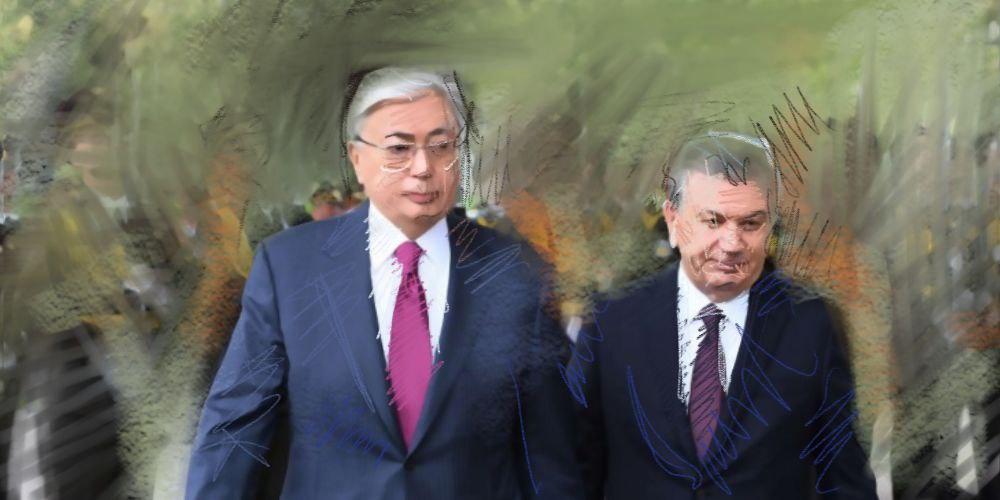
Kazakhstan and Uzbekistan are driving Central Asia’s global significance. Together, they are turning Central Asia into a strategic middle-power hub. The two countries increasingly act as central nodes in a region key to global supply chains and, inevitably, geopolitical competition. However, they are not merely reactive to changes around them, but are highly dynamic. What does it mean to say that the region is emerging as a strategic middle-power "hub"? The notion of a hub extends beyond the national profiles of the two principals, Kazakhstan and Uzbekistan, to include the aggregation of collective influence. Central Asia is recognized as a cohesive entity in global forums. Kazakhstan’s energy wealth combines with Uzbekistan’s demographic strength, creating an influential synergy beneficial to the entire region. The interplay between their respective strengths allows them to amplify Central Asia’s voice in international institutions and negotiations collectively. By integrating their regional strategies within global frameworks — such as the Organization of Turkic States (OTS), the Shanghai Cooperation Organization (SCO), and the Conference on Interaction and Confidence Building Measures in Asia (CICA) — Kazakhstan and Uzbekistan enhance the region’s geopolitical relevance. Kazakhstan, for example, has successfully advocated for the Trans-Caspian International Transport Route (TITR, also called the "Middle Corridor"). This transcontinental trade route is emerging as a lynchpin in Eurasian logistics, connecting China to Europe via the Caspian Sea. Uzbekistan, for its part, has emphasized the integration of transport and energy infrastructure. These initiatives align with the broader vision of a unified Central Asia. The leadership of Kazakhstan and Uzbekistan has reinforced the region's collective identity as the "C5" group, also including Kyrgyzstan, Tajikistan, and Turkmenistan. This regional bloc has become a diplomatic focal point for major powers like the United States, China, Germany, and Japan. All of them engage with Central Asia through structured consultations within the C5 framework. These meetings have given the region traction in international diplomacy. The elevation of the C5 group reflects the region's new prominence. The United States engages with the C5 on issues ranging from regional security to sustainable development, emphasizing its commitment to a secure and prosperous Central Asia. China’s cooperation under the C5+1 mechanism complements its transcontinental infrastructure initiatives. Germany focuses on sustainable energy and governance, while Japan prioritizes infrastructure and technology transfers. Kazakhstan and Uzbekistan together have over two-thirds of the region's gross domestic product and two-thirds of its population. Kazakhstan's vast natural resources undergird its economic influence, while its geographic expanse (as the ninth-largest country in the world) makes it central to major connectivity initiatives. Through President Kassym-Jomart Tokayev's nuanced foreign policy, Kazakhstan has adeptly balanced relationships with major powers, ensuring that it remains a key partner for Russia, China, and the European Union. Uzbekistan has surged to prominence through its ambitious domestic reforms and proactive engagement for regional cooperation under the leadership of President Shavkat Mirziyoyev, who has implemented market liberalization measures attracting foreign investment and reinvigorating its economy. As the most populous country in Central Asia, Uzbekistan is an indispensable actor in regional affairs....
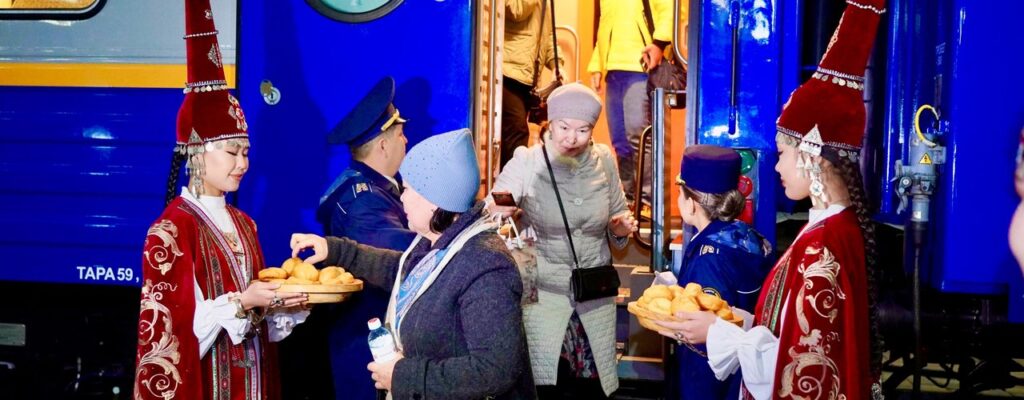

Second Train Tour Launched Between Kazakhstan and Uzbekistan

Kazakhstan’s national railway company, Kazakhstan Temir Zholy (KTZ), has announced the launch of its second train tour, Jibek Joly (Silk Road) 2.0, connecting major cities in Kazakhstan and Uzbekistan. The inaugural journey on this new route will depart from Almaty on January 2, 2025, and return on January 7. The itinerary includes stops at some of the most iconic and culturally rich destinations in the region: Turkestan, Kazakhstan: Passengers will spend a full day exploring this ancient city, including a visit to the Mausoleum of Khoja Ahmed Yasawi, a UNESCO World Heritage Site renowned for its unique architecture. Tashkent, Uzbekistan: The tour will highlight the historical landmarks of the Uzbek capital, along with modern attractions such as the Magic City theme park. Samarkand, Uzbekistan: Travelers will visit landmarks including the Gur-Emir Mausoleum, Registan Square, and the Ulugbek Madrasah. Shymkent, Kazakhstan: The final stop on the tour is Kazakhstan’s third-largest city, known for its dynamic urban culture. As previously reported by The Times of Central Asia, this initiative follows the success of the first four-day train tour launched in November, which connected Almaty, Turkestan, and Tashkent. The Jibek Joly 2.0 train route underscores Kazakhstan’s commitment to enhancing regional tourism and strengthening cultural ties between the two nations.

First Train Tour Launched Between Kazakhstan and Uzbekistan

Kazakhstan is launching a new international train tour called “Silk Road,” connecting the cities of Almaty, Turkestan, and Tashkent. The first train on this route will depart on November 16. According to the Ministry of Tourism and Sports of Kazakhstan, the four-day tour will allow travelers to plunge into the atmosphere of ancient cities along the historic Silk Road. The itinerary covers the most important sights of Turkestan and Tashkent and includes guide services, meals, transfers, and entrance fees. Vice-Minister of Tourism and Sports Yerzhan Erkinbayev mentioned that the route will strengthen cultural ties between Kazakhstan and Uzbekistan and make travel more comfortable and affordable. The tour program includes visits to historical places such as the ancient city of Otyrar, the mausoleum of Arystan Baba, the historical and cultural complex Azret Sultan, and the most significant tourist complex in Central Asia, Caravan-Saray. In Tashkent, tourists can familiarize themselves with historical sights and modern architecture. Earlier, the media reported on the launch of a tourist route between China and Kazakhstan. The train from China, which began running in July 2024, passes through the Khorgos-Altynkol border crossing, adding a new opportunity for travel in Central Asia.

ADB Launches ‘Glaciers to Farms’ Initiative to Combat Climate Change in Central Asia

The Asian Development Bank (ADB) has unveiled a new regional initiative, Glaciers to Farms, aimed at promoting sustainable water management and food security in Central Asia, the South Caucasus, and Pakistan. The program addresses the severe effects of accelerated glacial melt caused by climate change. Backed by the Green Climate Fund (GCF), ADB will conduct risk assessments of glacial melt in Azerbaijan, Kyrgyzstan, Tajikistan, and Uzbekistan to establish a scientific and technical foundation for the program. Regional Cooperation for Glacier Preservation On November 14 in Baku, Azerbaijan, a declaration of support for glacier preservation was signed by several regional leaders: Azerbaijan’s Minister of Ecology and Natural Resources Mukhtar Babayev, Kazakhstan’s Minister of Ecology and Natural Resources Yerlan Nyssanbayev, Kyrgyzstan’s Minister of Natural Resources, Ecology and Technical Supervision Meder Mashiev, Tajikistan’s Committee on Environmental Protection Chairman Bahodur Sheralizoda, and Uzbekistan’s Minister of Ecology, Environmental Protection, and Climate Change Aziz Abdukhakimov. They were joined by ADB President Masatsugu Asakawa and GCF Chief Investment Officer Henry Gonzalez. “As melting glaciers change water flows, disrupt lives, and destroy ecosystems, we must act now,” said Asakawa. “As Asia and the Pacific’s climate bank, we are pleased to be joined by key partners to launch this program to drive international collaboration and deliver results where they matter most—on the ground, in communities at risk.” The Urgent Need for Action Temperatures in the region are expected to rise by up to 6 degrees Celsius by 2100. The resulting loss of glacial mass poses a dire threat to ecosystems, jeopardizing water supplies for agriculture and hydropower and endangering the livelihoods of over 380 million people. The Glaciers to Farms program aims to mobilize up to $3.5 billion in funding from ADB, GCF, governments, development partners, and the private sector. Beyond investments in water and agriculture, the program will prioritize vulnerable communities in fragile mountain regions that are most threatened by glacial melt. Global and Regional Efforts The United Nations General Assembly has declared 2025 the International Year of Glacier Preservation, with Tajikistan set to host the International Conference on Glaciers’ Preservation in Dushanbe next year. At a high-level event in Baku on November 12, Tajikistan's President Emomali Rahmon underscored the importance of preventing further glacier melt and preserving fragile ecosystems. Rahmon highlighted the establishment of the International Trust Fund for the Preservation of Glaciers under the United Nations’ auspices and noted the UN’s recent adoption of a resolution—initiated by Tajikistan and France—declaring 2025-2034 the Decade of Action for Cryospheric Sciences. This resolution calls for enhanced efforts to safeguard glaciers globally. Rahmon also proposed creating a Regional Coordination Center for Glaciology in Dushanbe under the World Meteorological Organization’s guidance. The center would study the impact of climate change on glaciers in collaboration with development partners.

Regional Civil Aviation Organization Established for the First Time in Central Asia

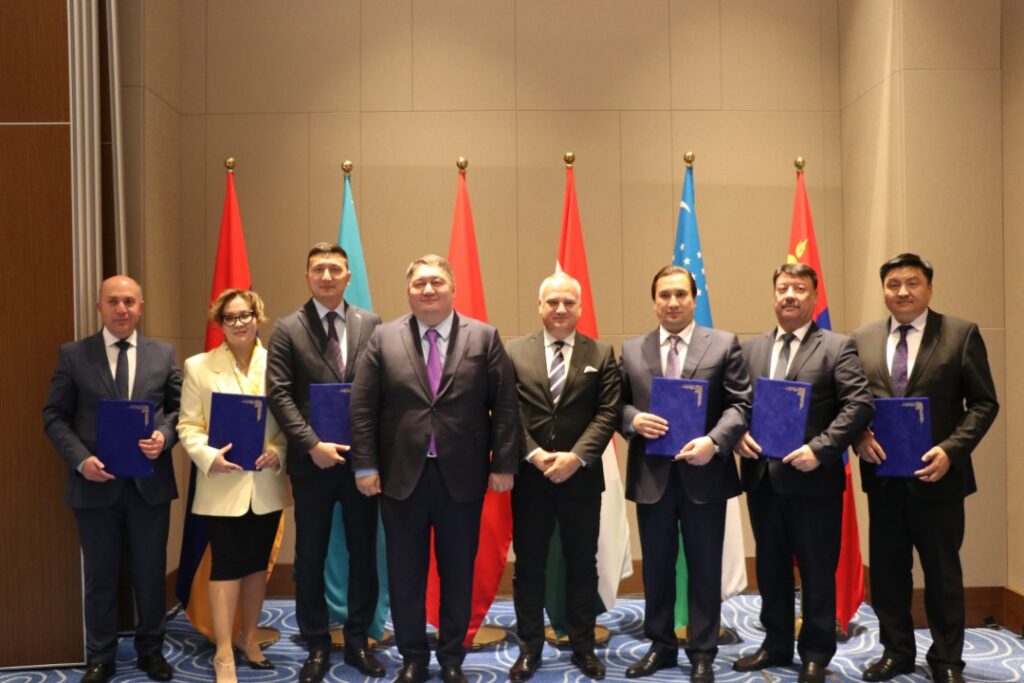
The Eurasian Civil Aviation Conference (EACAC) has held its first meeting in Almaty, with the participation of the aviation authorities from participating countries. The meeting included participants from Armenia, Kazakhstan, Kyrgyzstan, Tajikistan and Uzbekistan, who discussed joint initiatives to strengthen cooperation in flight safety and sustainable aviation development. Representatives from Mongolia also participated as observers. Opening the event, Vice Minister of Transport of Kazakhstan, Talgat Lastayev, noted that EACAC will become a platform to share experiences and address issues related to future challenges in civil aviation. During the meeting, a declaration on the establishment of EACAC was signed, and the document was certified by the Chairman of the Civil Aviation Committee, Saltanat Tompieva, from Kazakhstan. EACAC will allow for the consolidated expression of positions within the framework of interactions with such institutions as the ICAO, the European Commission, IATA, and other international organizations. Katalin Radu, Director General of the Aviation Administration of Kazakhstan, stressed that the new organization would ensure unity in the positions of member countries in the international aviation arena and strengthen cooperation with such associations as ACAO, AFCAC, ECAC, and LACAC. Key tasks of EACAC include the coordination of regional efforts in aviation security, creating common standards, developing unmanned aviation, and training personnel. The initiative was first announced in May 2023 during Kazakhstan's first Aviation Dialogue, “Energy Transition for Sustainable Development and Realization of Central Asia's Transit Potential.” In April 2024, the project was presented during the Directors General of Civil Aviation meeting of the European and North Atlantic Bureau of ICAO (EURNAT-DGCA) in Toulouse, France.

Von der Leyen Affirms EU’s Commitment to Uzbekistan

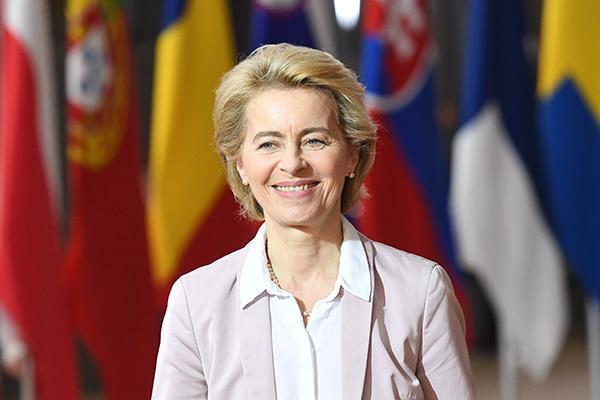
On November 6, the European-Uzbekistan Economic Cooperation Association opened the European Economic Days 2024 in Tashkent. At the ceremony, the President of the European Commission, Ursula von der Leyen, sent a video message to the event participants expressing her support for Uzbekistan’s efforts to restore its central position on Asian and world trade routes. More than 300 representatives from Uzbek and European governments and business sectors participated. Von der Leyen highlighted three main areas of cooperation between the European Union and Uzbekistan, which have grown significantly in recent years. She began by emphasizing Uzbekistan’s historical role as a “beating heart” of global trade. “For centuries, European merchants traveled to Samarkand, Bukhara, and Khiva for clothing and ceramics,” she said, recalling the stories these merchants would bring back of Uzbekistan’s palaces, landscapes, and vibrant culture. She noted that Uzbekistan seeks to open to the world once again. Her first example of collaboration focused on trade: “Since 2021, we opened the European market to Uzbek goods, and exports, especially in textiles and metallurgy, have rapidly increased,” she said, adding that there is still vast growth potential. Von der Leyen then turned to investment, mentioning the EU’s Global Gateway program, which supports Uzbekistan’s goal of global connectivity. She highlighted the EU’s investment of up to 10 billion euros, alongside international partners, in the Trans-Caspian Corridor—the shortest, safest route from Europe to East Asia, connecting Central Asia and Europe in less than 15 days. Additionally, she noted efforts to connect Uzbekistan to the EU satellite network to bring advanced digital communications to even the country’s most remote areas. Her final example centered on expanding EU cooperation in Uzbekistan’s strategic sectors. She referenced an agreement signed in April 2024 to bolster supply chains for critical minerals, a project that aims to create jobs and add value locally. “While some global investors focus solely on raw material extraction, that’s not us,” she emphasized, reaffirming Europe’s commitment to supporting domestic industry, job creation, and value-added production in line with high standards. Concluding her speech, Von der Leyen expressed hope that the forum would establish effective cooperation, new business opportunities, and strong relations between Europe and Uzbekistan. She also announced plans for the first-ever “Central Asia—EU” summit in Samarkand next year, marking another step in the region’s evolving relationship with the EU.