• KZT/USD = 0.00219
  • TJS/USD = 0.10810
  • UZS/USD = 0.00009
  • TMT/USD = 0.29850
  • KZT/USD = 0.00219
  • TJS/USD = 0.10810
  • UZS/USD = 0.00009
  • TMT/USD = 0.29850
  • KZT/USD = 0.00219
  • TJS/USD = 0.10810
  • UZS/USD = 0.00009
  • TMT/USD = 0.29850
  • KZT/USD = 0.00219
  • TJS/USD = 0.10810
  • UZS/USD = 0.00009
  • TMT/USD = 0.29850
  • KZT/USD = 0.00219
  • TJS/USD = 0.10810
  • UZS/USD = 0.00009
  • TMT/USD = 0.29850
  • KZT/USD = 0.00219
  • TJS/USD = 0.10810
  • UZS/USD = 0.00009
  • TMT/USD = 0.29850
  • KZT/USD = 0.00219
  • TJS/USD = 0.10810
  • UZS/USD = 0.00009
  • TMT/USD = 0.29850
  • KZT/USD = 0.00219
  • TJS/USD = 0.10810
  • UZS/USD = 0.00009
  • TMT/USD = 0.29850
05 September 2026

Viewing results 1 - 6 of 755

Over 100,000 Uzbek Workers Recruited to Work in Russia in 2025

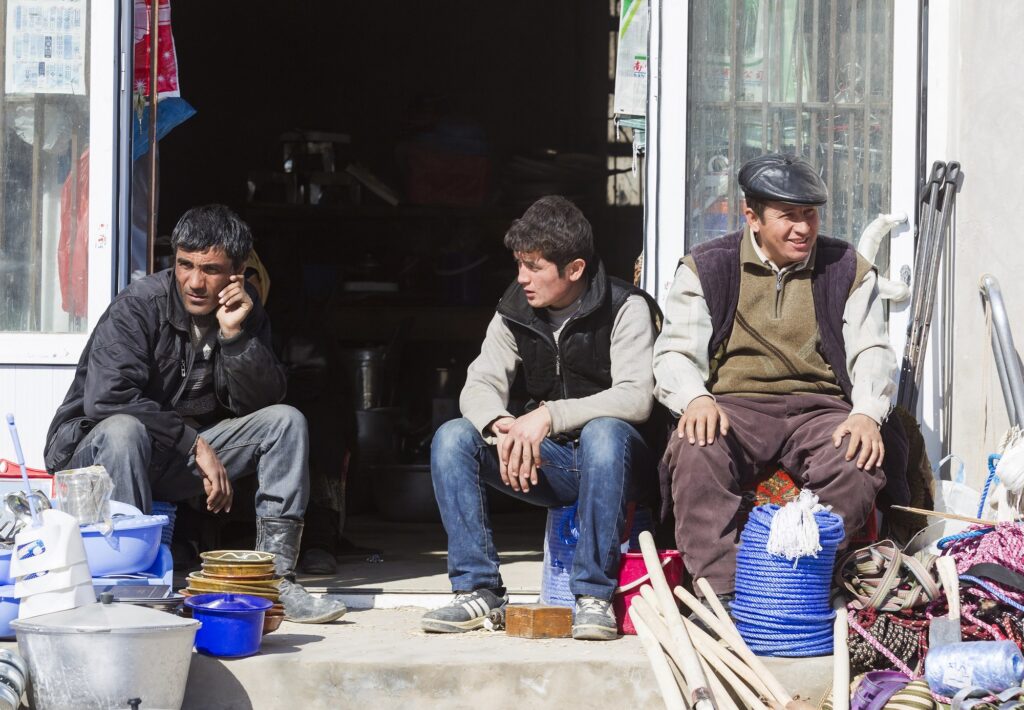
Around 106,000 citizens of Uzbekistan went to work in Russia in 2025 through organised recruitment programs, according to a report prepared by Rahim Khakimov, Deputy Adviser to the President of Uzbekistan, and cited by the Russian state news agency TASS. The report states that about 50,000 of these workers were employed by major companies, including Gazprom, Lukoil, Kamaz, AvtoVAZ, Ozon, and SPAR. Overall, an estimated 1.3 million Uzbek citizens are currently working in Russia on a temporary basis. The document also highlights ongoing efforts to simplify labor migration procedures. Agreements reached in 2025 provide for the partial transfer of work patent processing stages to Uzbekistan, allowing migrants to complete key formalities before departure. Authorities also plan to expand Russian-language testing by opening new centres in the cities of Jizzakh and Andijan to better serve the densely populated Fergana Valley, where nearly one-third of the country’s population lives. At the same time, migration trends are gradually shifting. According to Uzbekistan’s Central Bank, Uzbek labor migrants are no longer concentrated solely in traditional destinations such as Russia, Kazakhstan, South Korea, and Turkey. Increasing numbers are seeking employment opportunities in Europe and other parts of Asia. This diversification is reflected in remittance flows. Data show that transfers to Uzbekistan from the United Kingdom have increased by 39% in recent years, while remittances from European Union countries have risen by 37%. Significant growth has also been recorded from countries such as Ireland, Croatia, Slovakia, Lithuania, and the Netherlands, as well as from the United States and South Korea. Analysts attribute this trend to stable demand for labor abroad, relatively steady wage levels, and favorable currency exchange rates. According to the International Fund for Agricultural Development (IFAD), Uzbek labor migrants typically send home between $200 and $300 per month. Separate estimates from the Migration Observatory at the University of Oxford suggest that migrants in the United Kingdom remit between £1,000 and £3,300 annually per person. Overall, the average yearly remittance per recipient in Uzbekistan is estimated at between $2,000 and $4,000. Alongside these broader trends, consular support for Uzbek citizens abroad continues. On March 22, the Dunyo news agency reported that representatives of Uzbekistan’s embassy visited a Temporary Detention Center for Foreign Citizens in Russia’s Tula region. During the visit, Consul General Mehriddin Khairiddinov reviewed living conditions and held talks with Russian officials on accelerating document processing and facilitating the return of detained Uzbek nationals. “Supporting fellow citizens and providing them with the necessary assistance remain among the priority tasks of the diplomatic mission,” Khairiddinov said, emphasizing that the protection of citizens’ rights is a key principle of Uzbekistan’s state policy.

New Russian Trade Controls Add Friction to Central Asian Trade

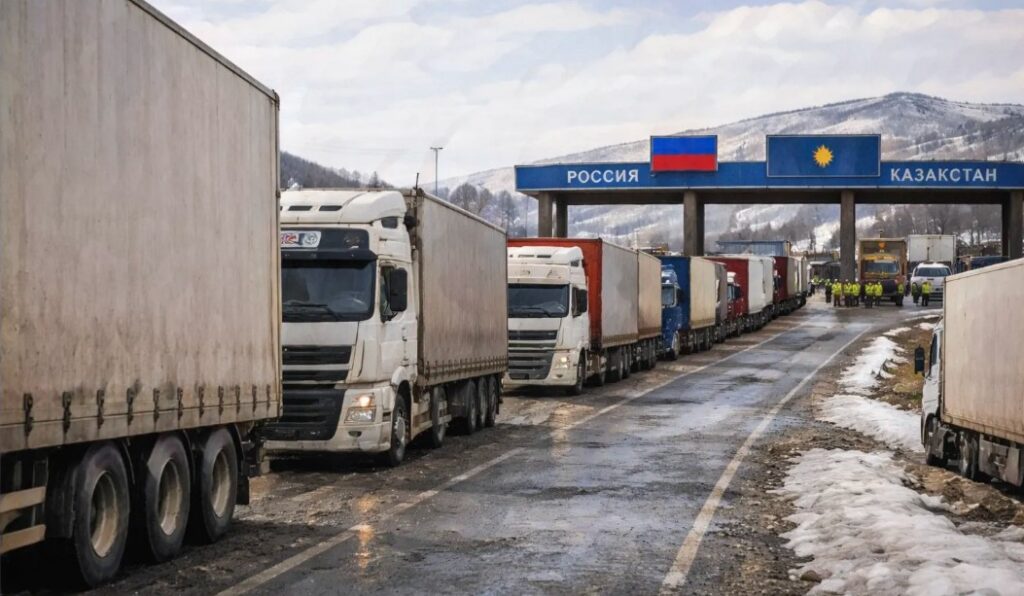
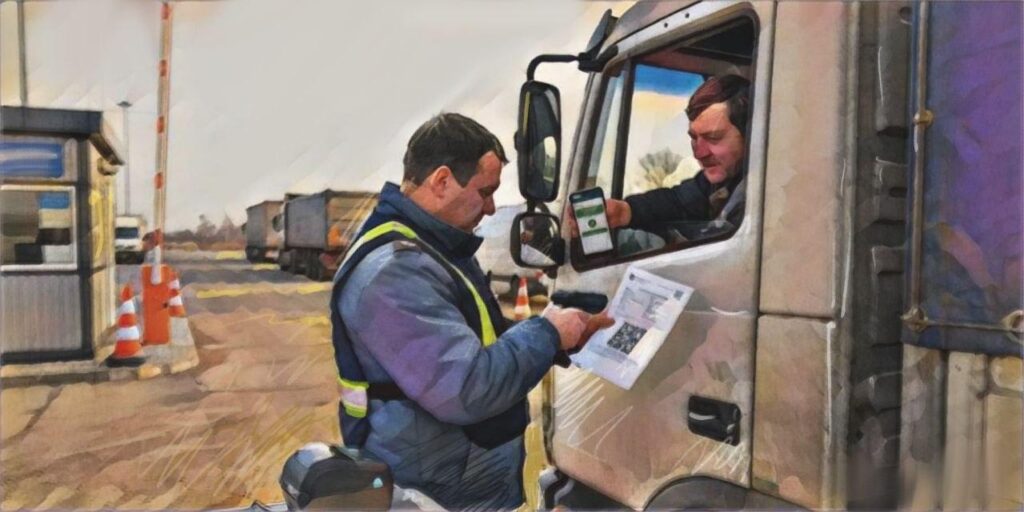
Russia is tightening trade procedures in ways that could reshape how goods move across Central Asia. The changes are technical, but their impact could be significant. The clearest sign is Russia’s new SPOT import-control system, which takes effect for road shipments from Eurasian Economic Union countries on April 1. Under the new rules, importers must file a document on an expected shipment two days before the truck reaches the border. The Russian authorities will assign a QR code, and from July 1, the system is due to move into full operating mode, including a security payment. Moscow says the measure is designed to improve tax compliance and reduce fraud. In practice, it introduces additional control over trade flows before goods reach the border. For transport companies and exporters, that means higher upfront costs, longer planning cycles, and greater uncertainty over delivery times. Even small delays at the border can disrupt supply chains, particularly for perishable goods. The changes are part of a broader pattern in which Moscow is relying more heavily on administrative controls to manage trade within its closest economic partners, and the timing is notable. Central Asian economies have been expanding trade with China and the European Union, while also seeking alternative transit routes that reduce dependence on Russia. The introduction of tighter Russian controls comes as those efforts gain momentum. Over time, such measures may also push Central Asian businesses to accelerate efforts to diversify trade routes and partners. The system may also create new internal barriers within the EAEU. The requirements for advance documentation and financial guarantees could, in some cases, exceed procedures applied to imports from outside the bloc. That would mark a significant shift for a union that was designed to simplify trade among its members. It also underlines a familiar problem within the EAEU, where commitments to free movement often sit alongside recurring administrative barriers. Similar disputes have surfaced repeatedly over the past decade, particularly in relation to agriculture and food, suggesting that the gap between formal integration and practical trade conditions remains unresolved. Russia dominates the union’s economic geography. According to Kazakhstan’s Bureau of National Statistics, mutual trade with EAEU countries reached almost $2.16 billion in January 2026, with 15.4% year-on-year growth. Russia accounted for the vast majority of that total. Kazakhstan’s imports from EAEU partners rose significantly faster than its exports; Russia supplied close to one-third of Kazakhstan’s total imports in January. That imbalance leaves Kazakhstan particularly exposed to changes in Russian trade procedures. For Kazakh businesses, that exposure is most visible at border crossings, where delays and extra checks quickly add to costs. Tensions over regulatory controls have also resurfaced. On March 2, Russia suspended certification for high-fat dairy products from all Kazakh suppliers, affecting butter, cream, cheese, and milk powder. Kazakhstan responded with its own measures, strengthening veterinary controls and imposing temporary restrictions on the import and transit of livestock and animal products from several Russian regions because of a worsening disease situation. Even when such steps have a...

Growing Trade Disputes Test the Eurasian Economic Union

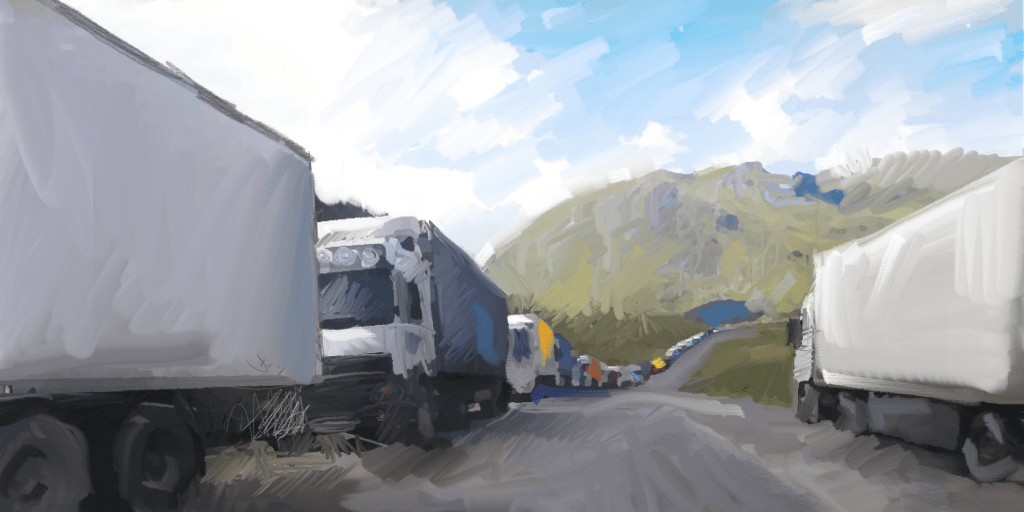
Trade disputes within the Eurasian Economic Union (EAEU) are as old as its creation. Restrictions on the import and export of certain goods have long been common practice. However, analysts increasingly warn that tensions have reached a point at which the organization risks losing its core function, ensuring the free movement of goods across borders and maintaining simplified conditions for migrant workers. Mounting Restrictions The EAEU currently comprises Armenia, Belarus, Kazakhstan, Kyrgyzstan, and Russia. Economic integration among several post-Soviet states began in 2000 with the establishment of the Eurasian Economic Community (EurAsEC), formed by Belarus, Kazakhstan, Kyrgyzstan, Russia, and Tajikistan. Uzbekistan joined in 2006, but suspended its participation in 2008. The foundation of this organization was the Customs Union agreement, intended to abolish customs duties among member states. The structure of the integration project has since evolved. The EAEU treaty was signed in 2014 and entered into force on January 1, 2015. Tajikistan and Uzbekistan did not join, while Armenia became a member in 2015. More than two decades after the first integration agreements, however, many of the bloc’s original promises remain only partially fulfilled. Experts have long argued that protectionist measures remain widespread within the bloc and that full freedom of movement for all categories of goods, including strategic products, has not been achieved. They also point to pronounced economic asymmetry: Russia accounts for approximately 85–87% of the union’s combined GDP, whereas Kazakhstan accounts for approximately 9–10%. Russia’s significantly larger population and political influence have further reinforced perceptions of structural imbalance. Moscow is now preparing new regulatory measures affecting its partners. From April 1, 2026, a national system for confirming the arrival of goods will be introduced for road imports from EAEU countries. According to the Russian authorities, shifting key control procedures to the pre-border stage is intended to improve transparency in the administration of indirect taxes. Previously, such checks were conducted after goods entered the country through desk and field audits. At the same time, Russia has intensified selective customs controls on its borders with Kazakhstan and Belarus, officially citing efforts to combat counterfeit goods. Particular scrutiny is being applied to product labelling and accompanying documentation. Controls were tightened last summer, when mobile checkpoints were established along the Kazakh-Russian border, followed by the inspections of vehicles leaving Belarus in the autumn. Full-scale checkpoints are now operating on the Kazakh-Russian border, while a simplified regime linked to the Union State and EAEU agreements continues to apply on the Belarusian-Russian border. Logistics industry representatives report that stricter controls on the Kazakh border have significantly increased transit delivery times. Carriers often face lengthy delays at checkpoints even when their documentation is in order. According to Alexandra Pokumeiko, head of a freight-forwarding department, the changes have created uncertainty in delivery schedules along Belarus-Russia transport corridors and on transit routes through Russia to Kazakhstan. The growing number of administrative restrictions has begun to spill into specific sectors of the economy, triggering retaliatory measures between member states. Escalating Tensions in the Automotive Sector A new dispute...

Kazakhstan Suspends Extradition of Navalny Associate as Courts Weigh Asylum Claim

Kazakhstan has suspended the extradition of Yulia Yemelyanova, a former staff member of Alexei Navalny’s St. Petersburg office, to Russia. Yemelyanova was detained in Almaty in August 2025 after the Russian authorities requested her transfer. The Prosecutor General’s Office halted the extradition after her lawyers filed appeals linked to her asylum claim. Earlier this month, authorities approved Russia’s request despite her pending asylum application. Her lawyer subsequently stated that he would challenge that approval before the Supreme Court. Russian investigators have accused Yemelyanova of theft linked to a 2021 case. Her defense rejects the charge and argues that the prosecution is politically motivated. Yemelyanova’s case fits into a broader pattern of extradition proceedings involving Russian nationals who relocated to Kazakhstan after Russia launched its full-scale invasion of Ukraine in February 2022. In late September 2022, Kazakhstan’s Interior Ministry stated that nearly 100,000 Russians had entered the country following Moscow’s announcement of partial mobilization on September 21. “Most of them have to leave because of the hopeless situation. We have to take care of them and secure their safety,” Kazakh President Kassym-Jomart Tokayev said at the time. Many have remained. Kazakhstan’s Interior Ministry reported that more than 80,000 Russian citizens received work-related residence permits between January 2023 and September 2024. Opinion in Kazakhstan on Navalny spans a wide and often divergent spectrum. When news of his death in a Russian penal colony broke in February 2024, responses across Central Asia ranged from sympathy to indifference. In Kazakhstan, some civic activists expressed concern over political repression in Russia, while others recalled Navalny’s past nationalist rhetoric and critical comments about migration from Central Asia. Those divergent views form the domestic context for cases involving former members of Navalny’s political network. Extradition proceedings unfold within a society that interprets Russian opposition politics through its own historical experience and social priorities. The relocation wave reshaped rental markets in Almaty and Astana in late 2022, as IT firms, logistics companies, and service businesses absorbed skilled migrants. At the same time, authorities tightened migration rules and reduced the duration of visa-free stays, signaling that temporary entry did not guarantee long-term residence. In 2024 and 2025, Russian extradition requests began to draw greater public attention, with several defendants seeking asylum while contesting their transfer. One prominent case involved Mansur Movlayev, a Chechen activist critical of Ramzan Kadyrov. In January 2026, Kazakhstan approved Russia’s extradition request after denying him refugee status. The UN Human Rights Committee registered a complaint in Movlayev’s case and requested that Kazakhstan refrain from extraditing him while the review proceeded. Kazakhstan’s Supreme Court subsequently suspended the extradition decision pending review connected to his asylum appeal. Kazakhstan’s Criminal Procedure Code governs extradition decisions and provides appeal mechanisms, with the Law on Refugees establishing procedures for reviewing asylum claims and defining protections from removal. International law reinforces these safeguards; the principle of non-refoulement prohibits returning a person to a country where they face serious threats to their life or freedom. Kazakhstan’s extradition decisions are unfolding within a...

The Number of Migrants from Tajikistan to Russia Has Decreased Significantly

The number of citizens of Tajikistan applying to participate in Russia’s state "Program for the Voluntary Resettlement of Compatriots" has declined sharply, according to data from the Russian Ministry of Internal Affairs. The issue drew public attention following remarks by the head of the Russian cultural organization Rossotrudnichestvo, Yevgeny Primakov. He stated that in the first three quarters of last year, 27,700 people received certificates to participate in the program, of whom 21,400 have already relocated to Russia. Applicants originated from Kazakhstan, Uzbekistan, Kyrgyzstan, Turkmenistan, Tajikistan, and Armenia. However, official statistics indicate that Tajikistan is no longer among the leading source countries. In the first quarter of 2023, Tajik citizens accounted for 37.2% of all applications submitted under the program. By the first quarter of 2025, their share had fallen to 4.1%, moving the country from first place to seventh. In the third quarter of 2025, the share of applicants from Tajikistan dropped further to 2.4%, the lowest level recorded during the period under review. Kazakhstan ranked first in terms of the number of applications submitted. In the second and third quarters of 2025, most applications came from Kazakhstan, Kyrgyzstan, and Uzbekistan. As a result, Tajik citizens no longer play a leading role in the program, while the relative positions of other Central Asian countries have strengthened. Experts attribute the decline primarily to changes in program requirements. Since January 1, 2024, applicants have been required to demonstrate proficiency in the Russian language. Following the introduction of this requirement, the number of applications from Tajik citizens decreased markedly. Demographic factors may also have contributed. The average migrant family consists of approximately 2.3 people. This profile is more typical of Russian-speaking and non-indigenous populations in the region, which may have influenced the redistribution of applicants among participating countries. Official reports from the Russian Ministry of Internal Affairs indicate a steady decline in the share of applicants from Tajikistan and challenge claims of mass migration of Tajik citizens to Russia under the program.

Weaponizing the Past: Russian Commentators Invoke Famine in Attacks on Kazakhstan

The concept of a “besieged fortress,” adopted by the Kremlin in the second half of the 2010s, increasingly conflicts with Russia’s earlier foreign policy doctrine, under which post-Soviet states were expected to remain within Moscow’s sphere of influence. That doctrine relied on alliances across the post-Soviet space, with Central Asia often described as an area of privileged interest. By contrast, the “besieged fortress” narrative assumes encirclement by enemies and frames external communication less in diplomatic than in military terms. Russia’s full-scale invasion of Ukraine, officially termed a “special military operation” by Moscow, has now lasted longer than the Soviet Union’s involvement in World War II, undermining earlier assumptions that some post-Soviet economies would remain dependent on Russian loans and access to the Russian market. In the integration sphere, Kazakh political analyst Marat Shibutov has argued that Russia is effectively “reducing its participation in the EAEU by reinstating permanent customs controls on the borders with Kazakhstan and Belarus.” Such assessments reflect growing debate within the region over the future of integration mechanisms. At the same time, segments of the Russian media space have adopted increasingly confrontational rhetoric toward Kazakhstan. In recent weeks, television host Vladimir Solovyov suggested the possibility of extending a “special military operation” to Central Asia, remarks that triggered strong reactions in Kazakhstan. Political commentator Dmitry Verkhoturov followed with statements directed specifically at Astana, invoking the sensitive historical subject of Asharshylyk, the term used in Kazakhstan for the famine of the early 1930s that followed forced collectivization under Joseph Stalin. In Ukraine, the same period is referred to as the Holodomor and is recognized there as a genocide. Kazakhstan’s official terminology does not classify the famine in those terms. Last year, the inscription on a memorial in Astana dedicated to the victims of collectivization was revised. The earlier wording referred to “victims of the Holodomor,” while the updated plaque reads “victims of the famine of 1932-1933.” The change was widely interpreted as aligning the memorial with Kazakhstan’s established historical framing. Despite this, Verkhoturov warned that further public discussion of Asharshylyk could be dangerous for Kazakhstan “from the point of view of statehood,” suggesting that such debates might escalate into armed confrontation. He also stated that Kazakhstan was “too weak and small” to oppose Russia, remarks that were widely perceived in Kazakhstan as dismissive and offensive. Particular outrage was sparked by comments contrasting Ukrainians and Kazakhs, "for us, Ukrainians are very close relatives, they are practically our own people. And yet, yes, they have brought us to a situation where we have started to fight them, while Kazakhs are not quite our own people for Russians. Yes, you can be friends with them and all that, but they are still distant people, and, as they say, they will be beaten more willingly and, it seems, more harshly than the Ukrainians," the Russian political scientist said. Kazakh political analyst Gaziz Abishev characterized the comparison as “hard-to-hide racism.” He argued that the tragedy of the famine is not exclusively a Kazakh or...