Beyond Infrastructure: China’s New Environmental Footprint in Central Asia
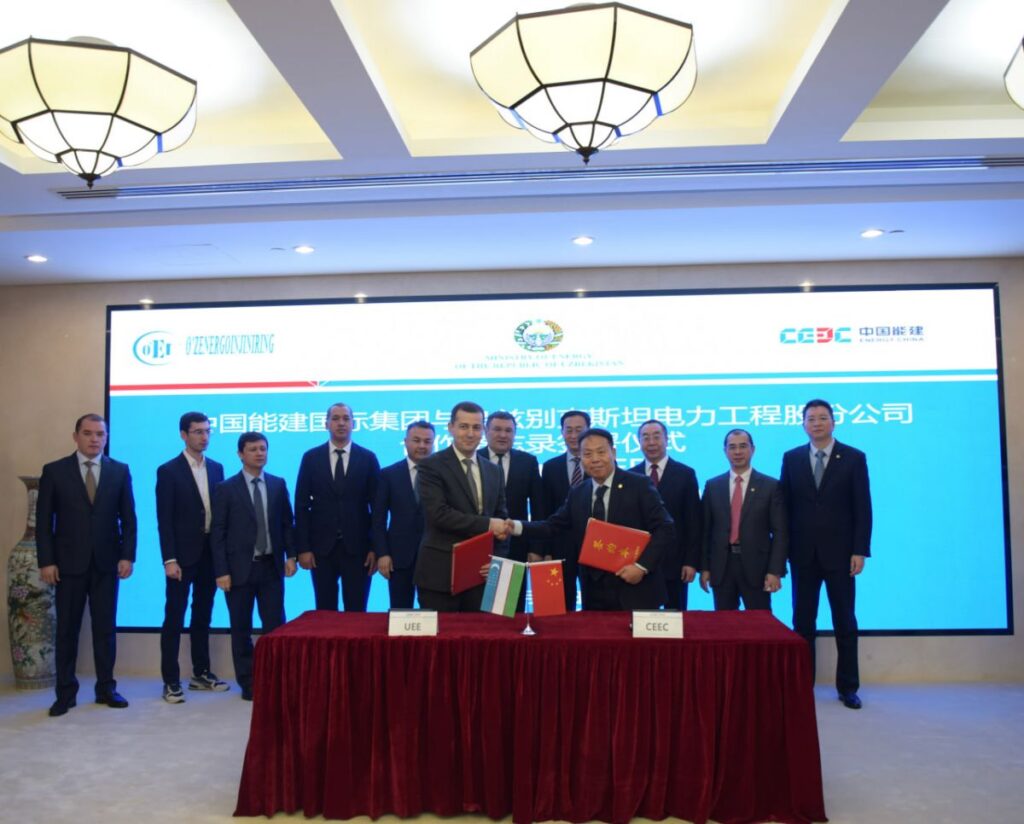
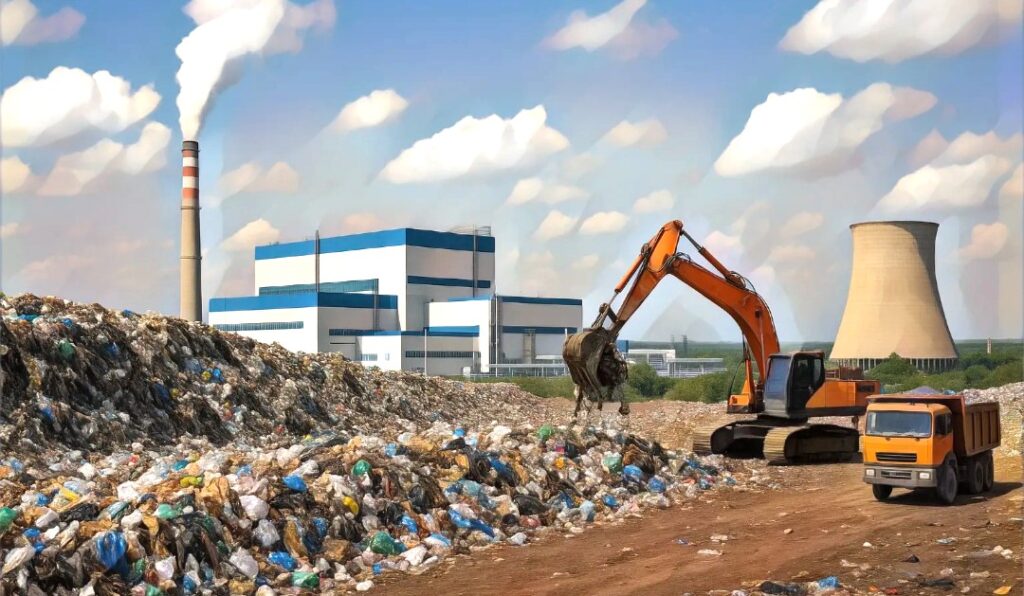
Uzbekistan’s economy is expanding at one of the fastest rates in Central Asia, creating new opportunities for businesses and citizens alike. Yet this rapid growth also brings challenges that the country must learn to manage. Among them, one of the most pressing issues is the growing problem of waste management, which has become an unfortunate consequence of economic progress. Over the past decade, the volume of municipal solid waste in Uzbekistan has increased steadily. It rose from about 6.1 million tons in 2010 to 7 million tons in 2017, and current projections suggest that annual waste generation could reach as high as 16 million tons by 2028. Currently, the country generates around 14 million tons of waste annually, but only a small portion of this - approximately 5% - is recycled. Landfills now release more than seven million tons of greenhouse gases every year, and more than forty thousand tons of toxic waste seep into the soil, threatening both the environment and public health. The government of Uzbekistan has recognized the urgency of the issue and placed waste management at the heart of its green development agenda. Alongside the promotion of renewable energy and electric vehicles, the authorities are investing in waste-to-energy projects that can help convert solid waste into electricity. This approach can reduce the amount of waste going to landfills while providing a cleaner source of energy. China’s Role in Uzbekistan’s Waste-to-Energy Development To implement these projects, Uzbekistan is actively cooperating with foreign partners who can bring technology, investment, and experience. Among these partners, China has emerged as a leading player. Chinese companies, facing a saturated domestic market, are increasingly looking abroad for new opportunities. Uzbekistan’s ambitious targets in waste management perfectly align with this interest, creating a partnership that benefits both sides. Several large-scale projects have already been launched. China’s CAMC Engineering is investing about $350 million to build two waste-to-energy plants in the Andijan and Tashkent regions. Another Chinese company, Shanghai SUS Environment, has signed an agreement with Uzbekistan’s Waste Management Agency to develop projects using advanced green technology. In addition, China Everbright Environment Group has announced the creation of joint ventures with Uzbek partners Maxsus and CR No.17 Second Engineering. These partnerships will result in two new plants in Namangan and Ferghana, each with an estimated cost of $283 million. Opportunities and Risks These initiatives promise significant benefits. For China, they open the door to exporting green technologies, generating new revenue, and deepening economic ties in Central Asia. The growing demand for waste-to-energy projects across the region also creates opportunities for China to share its proven technological model, helping partner countries build capacity while integrating more closely into China’s expanding technological ecosystem. Beyond the economic gains, this cooperation is shaping China’s broader image. Through such environmentally focused projects, Beijing is gradually being seen not only as a builder of physical infrastructure but also as a provider of innovative and sustainable solutions. This transformation strengthens China’s soft power and adds new depth to its Belt and...