• KZT/USD = 0.00218
  • TJS/USD = 0.10800
  • UZS/USD = 0.00008
  • TMT/USD = 0.29850
  • KZT/USD = 0.00218
  • TJS/USD = 0.10800
  • UZS/USD = 0.00008
  • TMT/USD = 0.29850
  • KZT/USD = 0.00218
  • TJS/USD = 0.10800
  • UZS/USD = 0.00008
  • TMT/USD = 0.29850
  • KZT/USD = 0.00218
  • TJS/USD = 0.10800
  • UZS/USD = 0.00008
  • TMT/USD = 0.29850
  • KZT/USD = 0.00218
  • TJS/USD = 0.10800
  • UZS/USD = 0.00008
  • TMT/USD = 0.29850
  • KZT/USD = 0.00218
  • TJS/USD = 0.10800
  • UZS/USD = 0.00008
  • TMT/USD = 0.29850
  • KZT/USD = 0.00218
  • TJS/USD = 0.10800
  • UZS/USD = 0.00008
  • TMT/USD = 0.29850
  • KZT/USD = 0.00218
  • TJS/USD = 0.10800
  • UZS/USD = 0.00008
  • TMT/USD = 0.29850
26 November 2026

Viewing results 37 - 42 of 743

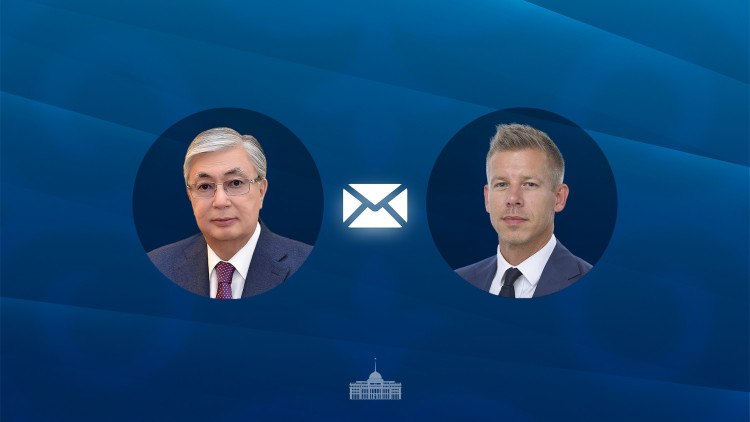
Tokayev Congratulates Péter Magyar on Victory in Hungary’s Parliamentary Elections

Kazakhstan's President Kassym-Jomart Tokayev has sent a congratulatory telegram to Péter Magyar, leader of the TISZA party, following his victory in Hungary’s parliamentary elections. According to the presidential press service, Tokayev noted that the election results reflect a high level of public trust in the TISZA party and its program and expressed confidence in Hungary’s continued sustainable development. Tokayev emphasised that Astana attaches great importance to strengthening its strategic partnership with Budapest, reaffirming readiness to expand bilateral cooperation for the benefit of both countries. He also wished Magyar success in his new role, along with prosperity and well-being for the Hungarian people. So far, there have been no reports of congratulatory messages from other Central Asian leaders addressed to Hungary’s new leadership. Hungary’s political transition following the defeat of Viktor Orbán’s party and his resignation has drawn attention not only in the European Union and the U.S., but also in Central Asia, where Budapest has actively developed economic and energy cooperation in recent years. During Orbán’s tenure, Hungary expanded engagement with Central Asian states, seeking to diversify energy supply sources and reduce dependence on Russian oil and gas. In this context, resource-rich Kazakhstan, Uzbekistan, and Turkmenistan emerged as key partners. One key question now is whether the country’s new leadership will maintain this course, including cooperation in energy, investment, and trade. Experts note that the durability of these ties will depend on the foreign policy priorities of Magyar’s government and its approach to relations with the European Union and partners beyond it.

Kazakhstan to Introduce AI in Driver’s License Exams

Kazakhstan plans to introduce artificial AI technologies into both the theoretical and practical components of driver’s license exams. At the same time, citizens will be allowed to take the exams an unlimited number of times without having to repeat training at driving schools. The initiatives were presented by Zhaslan Madiyev, Minister of Digital Development, Innovation and Aerospace Industry, together with representatives of the Ministry of Internal Affairs. According to the proposed changes, augmented reality (AR) technologies will be used in the theoretical exam, while computer vision systems will monitor practical driving tests. These measures are intended to increase transparency and prevent the use of prohibited devices. “These measures will make it possible to minimize the use of prohibited technical tools and to record violations,” the government press service said. A pilot project is set to be launched at a branch of the National Testing Center under the Ministry of Science and Higher Education in Astana. The project will test technologies aimed at ensuring academic integrity, as well as conduct psychometric analysis of exam questions to verify their reliability and alignment with safe driving standards. The new rules provide for the possibility of an unlimited number of exam attempts on a paid basis, with a mandatory interval of at least 10 calendar days between attempts. Currently, applicants are granted three free attempts, two with a one-day interval and a third after 30 days. After exhausting these attempts, retraining at a driving school is required. According to the government, the new approach will make the process more accessible and reduce corruption risks by eliminating incentives to obtain licenses illegally. Plans also include strengthening the information security of digital systems used in the licensing process by classifying them as critical information infrastructure. This would introduce stricter liability for unauthorized interference, including criminal penalties. Administrative liability will also be introduced for individuals who assist in illegally obtaining driver’s licenses. Violations such as the use of micro earpieces, hidden cameras, and other transmitting devices will be punishable by fines and disqualification from taking the theoretical exam for up to one year. The reforms will also affect driving schools. Licensing requirements are expected to be introduced, and their performance will be evaluated based on training quality and public feedback. Licenses may be revoked in cases of consistently poor standards. As previously reported by The Times of Central Asia, Senator Gennady Shipovskikh had earlier proposed restoring state oversight of private driving schools.

Central Asia’s Climate Risks Could Cost Up to 130% of GDP by 2080

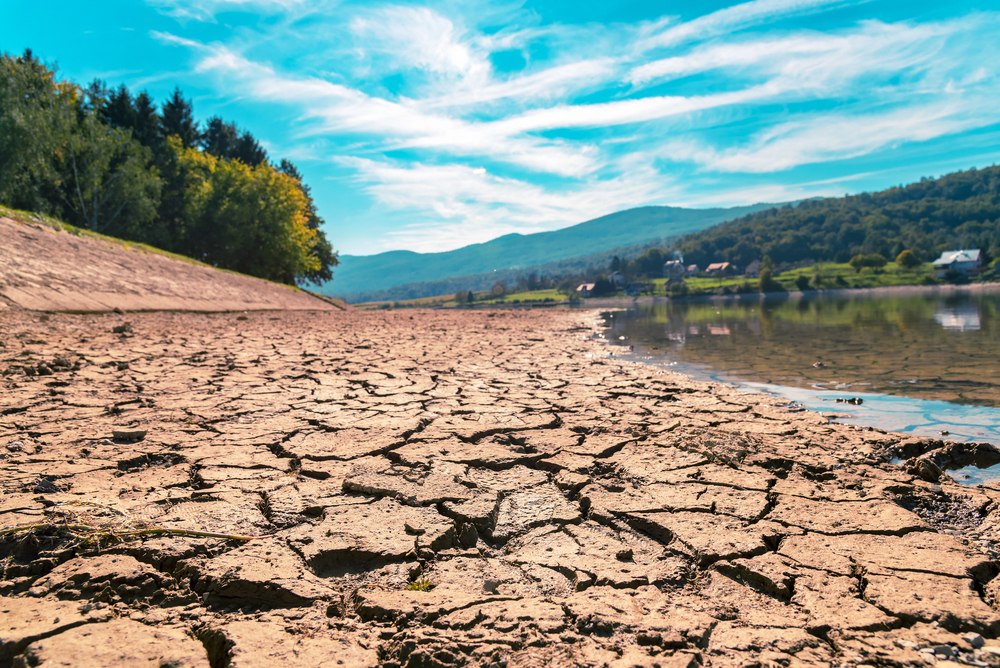
By 2080, climate change is expected to have a profound impact on the economies of Central Asian countries, with potential losses ranging from 20% to 130% of GDP. The most severe effects are projected for mountainous nations. These estimates were presented at a CAREC technology forum by Iskandar Abdullaev, a senior research fellow at the International Water Management Institute in Uzbekistan. According to Abdullaev, climate change is no longer solely an environmental issue but an increasingly significant economic factor. Key risks include droughts and water scarcity, floods, heatwaves, and glacier melt. The projected economic impact varies across the region. Tajikistan could face losses of between 80% and 130% of GDP, Kyrgyzstan 70% to 120%, Kazakhstan 40% to 80%, Uzbekistan 30% to 45%, and Turkmenistan 20% to 60%. Abdullaev emphasized that mountainous countries – Tajikistan and Kyrgyzstan – are particularly vulnerable, as climate change directly affects water resources. Glacier melt reduces river flows, creating challenges for both energy production and water supply. Droughts and extreme heat are already placing pressure on agriculture, with declining crop yields and reduced pasture productivity. Without adaptation measures, the region’s long-term sustainability could be at risk. Experts stress that mitigation and adaptation efforts are essential to reduce these risks. These include modernizing irrigation systems, adopting climate-resilient agricultural technologies, and expanding renewable energy capacity. This is not the only warning. According to the World Bank, natural disasters are already causing significant economic damage in Central Asia.  Losses from extreme events, including floods and earthquakes, can reach up to 6% of GDP, with earthquakes alone accounting for up to $2 billion in damages. At the same time, countries in the region face substantial financing gaps following major disasters. In Tajikistan, this gap could reach up to $1.5 billion. Experts warn that climate change is likely to intensify these risks, further increasing the economic burden on the region.

Kazakhstan Appoints Operator for Karachaganak Gas Processing Plant Construction

Kazakhstan has identified the participants in a project to construct a new gas processing plant (GPP) at the Karachaganak field, aimed at supplying the domestic market with commercial gas. The national company QazaqGaz will act as the single project operator, while China’s CITIC Construction has expressed readiness to participate. Initially, the launch of the GPP, with a capacity of up to 4 billion cubic meters of gas per year, was scheduled for 2028. Construction was to be carried out by Shell and Eni, both involved in developing the Karachaganak field in the West Kazakhstan region. However, in March 2026, Kazakhstan withdrew from this arrangement due to significant cost overruns and disagreements over implementation terms. At present, gas from Karachaganak is processed at the Orenburg GPP in Russia. Kazakhstan aims to relocate processing to its own territory to strengthen energy security and reduce dependence on external infrastructure, particularly amid periodic disruptions linked to drone attacks. According to current plans, the capacity of the future plant may be increased to 5 billion cubic meters per year. The project is a key element of Kazakhstan’s Comprehensive Gas Industry Development Plan through 2029 and is being implemented on the instructions of President Kassym-Jomart Tokayev. Minister of Energy Yerlan Akkenzhenov confirmed that the selection of QazaqGaz as the single operator is driven by the need to move quickly to the implementation stage and by the company’s experience in managing gas infrastructure. The project’s economic feasibility has been confirmed, and a framework agreement outlining basic principles of cooperation has been signed with CITIC Construction.  Preparations are currently underway for the FEED (Front-End Engineering Design) stage, while issues related to land allocation, infrastructure, and feedstock supply are also being addressed. Particular attention is being paid to negotiations with foreign shareholders in the Karachaganak project. Key issues include guaranteed supplies of raw gas, establishing a pricing mechanism that ensures domestic market viability, integrating the plant with existing field infrastructure (brownfield), and resolving the gas evacuation fee mechanism. “For Kazakhstan, this plant is of critical importance, and indefinitely postponing the project’s start is unacceptable. The state needs results. The project must be implemented dynamically and in strict accordance with our national economic interests,” Akkenzhenov said. The project is unfolding against the backdrop of legal disputes between Kazakhstan and international energy companies.  As previously reported by The Times of Central Asia, Shell and Eni may ultimately be required to pay the Kazakh government between $2 billion and $4 billion following international arbitration proceedings in London. In addition, similar disputes are ongoing over another major project, the Kashagan field, where proceedings are being considered at the International Centre for Settlement of Investment Disputes in Washington.

A Technology to Reduce Harmful Industrial Emissions Developed in Kazakhstan

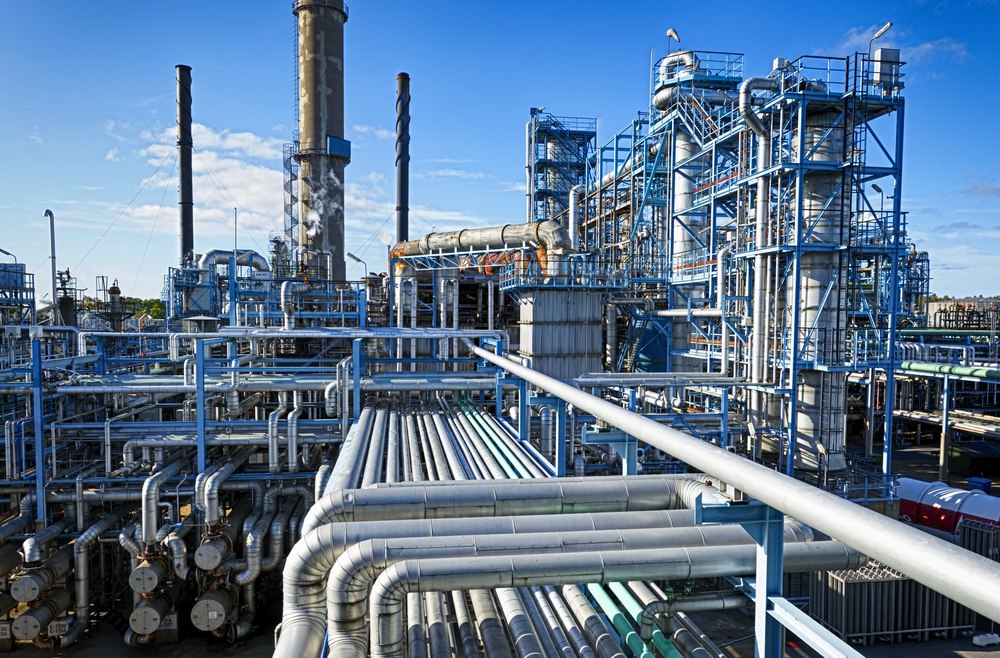
Scientists at Aktobe Regional University have developed a new gas purification technology capable of reducing dust and harmful substances in industrial emissions by dozens of times, the Ministry of Science and Higher Education of Kazakhstan reported. The development is intended for use in the metallurgical, energy, and food industries, as well as in the production of construction materials. The technology is based on an improved regeneration system for bag filters, enabling the cleaning of filter elements from accumulated dust without the need for replacement. This approach helps preserve the filter material, improves purification efficiency, and extends the service life of equipment, contributing to more stable production processes. The technology is currently being implemented at several industrial facilities in the cities of Aktobe, Aksu, and Ekibastuz. At the Aktobe Ferroalloy Plant, for example, use of the system has reduced the concentration of harmful components in emissions by approximately 40 times. According to the ministry, similar solutions are already in use at the Aksu Ferroalloy Plant and at enterprises operated by JSC TNK Kazchrome, helping to reduce environmental impact and ensure compliance with environmental regulations. The ministry emphasized the importance of the development in terms of import substitution, noting that such gas purification systems were previously supplied mainly from abroad. The technology also aligns with the objectives of the National Carbon Quota Allocation Plan, which aims to reduce industrial emissions and support the country’s climate goals. The equipment is manufactured in Karaganda as part of scientific and technical cooperation between the university and KazEnergoMashEkologia. The results of pilot testing have been registered with the National Center for State Scientific and Technical Expertise, allowing the project to participate in a competition for the commercialization of scientific developments. The project received a state grant of $742,000, while the industrial partner invested an additional $260,000. The total cost of the developed and implemented gas purification equipment to date is approximately $805,000. As previously reported by The Times of Central Asia, scientists at Satbayev University in Almaty are also working on a compact device capable of converting mechanical vibrations from the environment into electrical energy.

Meeting of the Organization of Turkic States Held in Baku

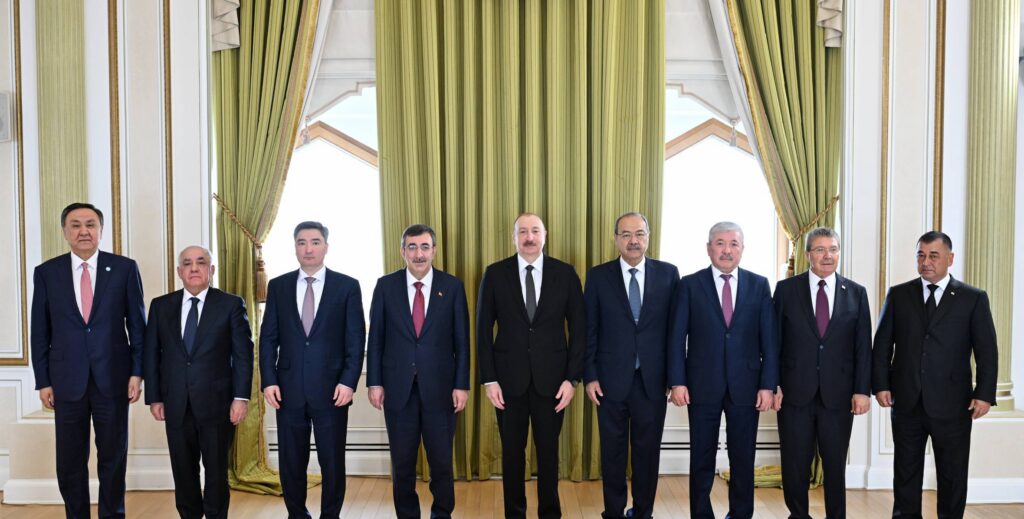
On April 2, Azerbaijani President Ilham Aliyev met with participants of a meeting of the heads of government of the Organization of Turkic States (OTS) in Baku, outlining key areas of cooperation. Among those attending were Turkish Vice President Cevdet Yılmaz, Uzbek Prime Minister Abdulla Aripov, Kazakh Prime Minister Olzhas Bektenov, Kyrgyz Prime Minister Adylbek Kasymaliev, Deputy Chairman of the Cabinet of Ministers of Turkmenistan Nokerguly Atagulyev, Prime Minister of the Turkish Republic of Northern Cyprus Unal Ustel, and OTS Secretary General Kubanychbek Omuraliev. Opening the meeting, Aliyev stressed the importance of dialogue. “This meeting of the heads of government of the Organization of Turkic States is being held in Baku. I warmly welcome you all,” he said. According to Aliyev, such meetings allow not only for the discussion of economic issues but also for reaffirming unity among member states. He noted that cooperation within the organization remains a priority of Azerbaijan’s foreign policy. He also reiterated a key message that ran throughout his speech: “We have repeatedly stated from various platforms that the Turkic world is our family; we have no other family,” Aliyev said. Special attention was devoted to economic cooperation. According to the president, trade between member states is growing, and investment volumes are increasing. He noted that Azerbaijan has invested more than $20 billion in the economies of OTS member states. Most of this has been directed to Turkey, though investment activity is expanding elsewhere. In particular, joint funds have been established with Uzbekistan, Kazakhstan, and Kyrgyzstan to support project implementation. Aliyev also thanked partners for their participation in the reconstruction of Karabakh. Facilities built with the support of OTS countries are already operational in the region, including the Mirza Ulugbek School, the Kurmangazy Children’s Creative Center, and the Manas School. In addition, a garment factory has been opened in Khankendi with the participation of Uzbekistan. He also highlighted mutual support among member states. Following the earthquake in Turkey, Azerbaijan financed the construction of the “Azerbaijani Quarter” in Kahramanmaraş, valued at $100 million. Transport and logistics projects were another key topic. According to the president, infrastructure development remains a top priority. These include the Middle Corridor, the Trans-Caspian route, and the Zangezur Corridor, all of which are gaining importance in the current geopolitical environment. Aliyev said that infrastructure within Azerbaijan is largely complete. Railways, the Baku port, highways, and airports are operational. Construction of the Zangezur Corridor is also progressing, with the highway nearly 90% complete and the railway approximately 70% complete. He also noted the construction of the Kars-Nakhchivan railway line in Turkey, which is expected to enable a new international route with an initial capacity of about 15 million tons of cargo. In conclusion, Aliyev said these projects are aimed not only at serving regional interests but also at expanding international transport connectivity. He expressed confidence that the meeting would contribute to the further development of the OTS and strengthen cooperation among member states.