• KZT/USD = 0.00218
  • TJS/USD = 0.10820
  • UZS/USD = 0.00009
  • TMT/USD = 0.29760
  • KZT/USD = 0.00218
  • TJS/USD = 0.10820
  • UZS/USD = 0.00009
  • TMT/USD = 0.29760
  • KZT/USD = 0.00218
  • TJS/USD = 0.10820
  • UZS/USD = 0.00009
  • TMT/USD = 0.29760
  • KZT/USD = 0.00218
  • TJS/USD = 0.10820
  • UZS/USD = 0.00009
  • TMT/USD = 0.29760
  • KZT/USD = 0.00218
  • TJS/USD = 0.10820
  • UZS/USD = 0.00009
  • TMT/USD = 0.29760
  • KZT/USD = 0.00218
  • TJS/USD = 0.10820
  • UZS/USD = 0.00009
  • TMT/USD = 0.29760
  • KZT/USD = 0.00218
  • TJS/USD = 0.10820
  • UZS/USD = 0.00009
  • TMT/USD = 0.29760
  • KZT/USD = 0.00218
  • TJS/USD = 0.10820
  • UZS/USD = 0.00009
  • TMT/USD = 0.29760
24 August 2026

Viewing results 19 - 24 of 260

Kyrgyzstan to Host Snow Leopard Eco Festival in Chon-Kemin

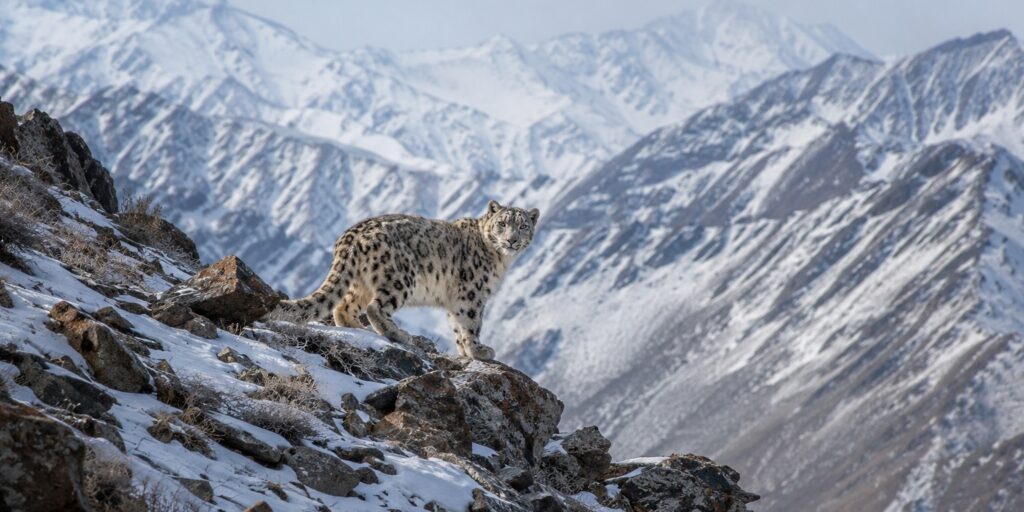
Kyrgyzstan will host the environmental festival “Snow Leopard EcoFest Chon-Kemin 2026” on July 11 at the hippodrome in the village of Shabdan in the Chon-Kemin Valley, the Ministry of Natural Resources, Ecology, and Technical Supervision announced. The festival, themed “Snow Leopard: Eco-Education as the Foundation for a Sustainable Future in Kyrgyzstan,” aims to raise environmental awareness, promote eco-education and sustainable tourism, and draw public attention to the conservation of the snow leopard, Kyrgyzstan’s national symbol. The event is being organized by the Ilbirs-Green Generation Public Foundation, the Ministry of Natural Resources, Ecology, and Technical Supervision, the Secretariat of the Global Snow Leopard and Ecosystem Protection Program, and local authorities. According to the ministry, the festival will feature a presentation of the winners of the “BARS FASHION 2026 - Best Snow Leopard Costume” student competition. Visitors will also be able to explore themed zones, including eco-product exhibitions, snow leopard-themed art spaces, painting and photography displays, children’s drawing contests, ecology workshops, archery, kurosh wrestling, the “Snow Leopard Jump” competition, stunt performances, and other cultural activities. Organizers say the festival is designed to show that eco-education is not only about learning about nature, but also about building responsibility, environmental awareness, and a willingness to take action. Through educational, cultural, and interactive formats, participants will learn more about snow leopards, mountain ecosystems, and the role individuals can play in protecting nature. Admission will be free for residents and visitors. Snow leopards are considered a key indicator of ecological health across mountainous regions in 12 Asian countries, including Kyrgyzstan. The country has played an active role in international conservation efforts, including spearheading a United Nations General Assembly initiative that established October 23 as the International Day of the Snow Leopard. Kyrgyzstan recognized the snow leopard as a national symbol by presidential decree in December 2023. In October 2025, the Cabinet of Ministers approved rules for using the official logo. The animal has also been selected as the official mascot of the sixth World Nomad Games, which Kyrgyzstan will host from August 31 to September 6, 2026.

Naryn Begins Wastewater Upgrade with EBRD, Swiss, and EU Support

Construction has begun on a new wastewater treatment plant in Naryn, the administrative center of Kyrgyzstan’s Naryn region, under a project backed by the European Bank for Reconstruction and Development, Switzerland, and the European Union. The financing package includes a €2 million sovereign loan from the EBRD, a €3.6 million grant from Switzerland, and a €1 million grant from the EU. The funds will be used to build a new wastewater treatment plant, extend the city’s sewerage network, construct two new pumping stations, and purchase operational equipment. According to the EBRD, Naryn, a city of around 42,000 people, currently has wastewater service coverage of only about 22%, with many households still relying on outdoor toilets or septic tanks. Once completed, the project is expected to improve public health, reduce environmental pollution, strengthen resilience to climate change, and lower operating costs. The number of residents benefiting from improved wastewater services is projected to double from around 10,000 to 20,000. Speaking at the launch ceremony on June 17, Deputy Chairman of the Cabinet of Ministers and Minister of Water Resources, Agriculture, and Processing Industry Erlist Akunbekov said the project would help improve living standards in the city, protect the Naryn River, and support the region’s sustainable development. “This project will contribute to improving the quality of life for city residents, ensuring the environmental safety of the Naryn River, and promoting the sustainable development of Naryn,” Akunbekov said, according to the Ministry of Water Resources, Agriculture, and Processing Industry. The ministry said similar projects aimed at improving drinking water supply and wastewater treatment are currently under way in 25 cities and 600 villages across Kyrgyzstan. To date, the EBRD has invested more than €196 million in 32 water supply and wastewater treatment projects across 28 municipalities in Kyrgyzstan. That total includes €87 million in loans and €109 million in capital grants, including €33 million from Switzerland’s State Secretariat for Economic Affairs and €46 million from the EU.

Kyrgyzstan-Germany Project Studies Lake Issyk-Kul Ecosystem

A comprehensive scientific study of Lake Issyk-Kul began on June 11 as part of an international project involving Razzakov Kyrgyz State Technical University (KSTU), the International Medical University, and Germany’s Leibniz Institute of Freshwater Ecology and Inland Fisheries. Lake Issyk-Kul is Kyrgyzstan’s largest lake and its leading tourist destination. It also forms part of a protected ecological area. In recent decades, the lake has faced growing climate-related pressures. According to KSTU, cooperation between the scientific institutions began in 2024 with the establishment of the Issyk-Kul Ecological Laboratory in Cholpon-Ata. The laboratory has since become a platform for joint research into the lake’s ecological condition. In 2025, the partners secured a grant from the German Research Foundation to conduct a comprehensive study of the Issyk-Kul ecosystem. German scientists have arrived in Kyrgyzstan to take part in the research. The project focuses on the hydrophysical, hydrochemical, hydrobiological, and hydro-optical properties of Issyk-Kul’s water using advanced scientific methods and technologies. Researchers are also studying biological processes within the aquatic ecosystem, including DNA and RNA analysis of biomaterials. The research is expected to help assess ongoing ecological processes, identify long-term trends, and establish a scientific basis for measures to preserve the lake’s ecosystem. According to KSTU Professor Salmor Alymkulov, the project is important for expanding international scientific cooperation, training young researchers, and developing recommendations to protect Kyrgyzstan’s natural heritage. Kyrgyzstan views the preservation of Issyk-Kul as part of the global climate and water agenda. In December 2025, the Cabinet of Ministers approved the Concept for the Sustainable Development of the Ecological and Economic System of Lake Issyk-Kul through 2030, along with an accompanying action plan. The initiative is aimed at protecting the lake and its surrounding biosphere from growing environmental and human pressures while supporting the region’s long-term economic resilience. Speaking at the World Governments Summit in Dubai in February 2026, Kyrgyzstan’s then Deputy Chairman of the Cabinet of Ministers and Minister of Water Resources, Agriculture, and Processing Industry, Bakyt Torobaev, warned of the growing climate risks facing Issyk-Kul. According to Torobaev, the lake’s water level has fallen by nearly 14 meters since the mid-19th century, while its total volume has decreased by approximately 85 billion cubic meters. The number of rivers flowing into the lake has also declined significantly, largely due to glacier melt and increased agricultural water use. He warned that further declines in Issyk-Kul’s water level could have serious environmental and socioeconomic consequences, including threats to biodiversity, the lake’s tourism potential, and the well-being of local communities.

International Donors Commit $172 Million to Upgrade Kyrgyzstan’s Irrigation System

International financial institutions and development partners have committed $172 million to a major irrigation modernization project in Kyrgyzstan, aimed at improving water security and farm productivity as climate pressures grow. The World Bank approved $95.75 million in financing on June 12 for the Kyrgyz Republic National Irrigation Investment Program, which seeks to improve irrigation services in selected areas across the country. The financing package also includes $50 million from the Asian Infrastructure Investment Bank, $20 million from the OPEC Fund for International Development, and a $6.25 million grant from the Swiss Agency for Development and Cooperation. The project is also expected to mobilize an additional $11 million in private capital. “The Kyrgyz Republic has set out a clear vision to modernize irrigation services and make water access more reliable for farmers and rural communities,” said Hugh Riddell, World Bank Group Country Manager for the Kyrgyz Republic. “By bringing together public and private financing, this program helps turn that vision into a long-term investment platform.” Agriculture remains one of Kyrgyzstan’s main economic sectors and a major source of employment, but outdated irrigation systems and high water losses continue to limit productivity. Climate change has added to these pressures, with rising temperatures, more frequent droughts, floods, and sedimentation putting greater strain on water resources. The new investment program aims to address these risks through infrastructure upgrades, institutional reforms, and better irrigation management. Authorities say the project will benefit more than 450,000 people, improve irrigation services across about 82,000 hectares of farmland, and raise water conveyance efficiency from 35% to at least 70%. Improved irrigation services are also expected to support around 85,000 additional jobs across agricultural value chains. The project will modernize irrigation and drainage infrastructure, improve water regulation and storage, and increase dam safety through smart water monitoring systems. It will also improve irrigation service delivery by upgrading operations and maintenance and raising the capacity of national and local institutions. Technical assistance and environmental oversight will support the preparation of future investments. The project will run through 2032 under the Water Resources Service of Kyrgyzstan’s Ministry of Water Resources, Agriculture and Processing Industry. It forms part of a multi-phase government program expected to mobilize $540 million over the next decade. That wider initiative aims to modernize irrigation services on more than 200,000 hectares and benefit nearly one million people. Water-saving technologies remain central to Kyrgyzstan’s irrigation strategy. Earlier this year, the Cabinet of Ministers amended the country’s Medium-Term Electricity Tariff Policy for 2025-2030, freezing electricity tariffs for farmers using drip and sprinkler irrigation systems under state water conservation programs until May 2030. To encourage adoption, the government is also offering concessional loans at a 2% interest rate for farmers investing in water-saving irrigation methods. Although adoption remains relatively limited, it is accelerating. According to the ministry, modern irrigation technologies currently cover around 16,000 hectares, with plans to expand coverage by 30,000-40,000 hectares annually and reach 200,000 hectares under water-saving irrigation by 2030.

Bishkek Launches Second Phase of Waste-to-Energy Plant

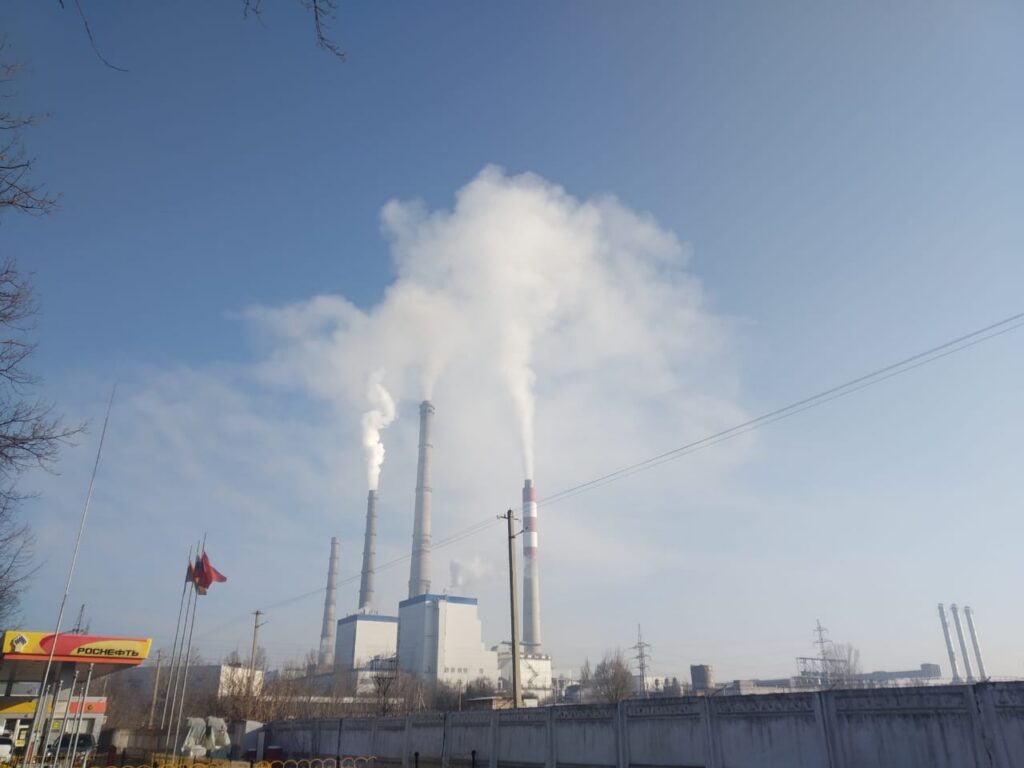
Bishkek has begun construction of the second phase of its waste-to-energy plant, a project city officials say will significantly expand waste processing capacity and add to the Kyrgyz capital’s energy supply. The groundbreaking ceremony took place on June 11. The facility, located at Bishkek’s main sanitary landfill, is the first waste-to-energy plant in Central Asia. Its first phase was officially inaugurated in December 2025 and was designed to process 1,000 tons of municipal solid waste per day. The plant was built by China’s Hunan Junxin Environmental Protection Co., Ltd., which invested $95 million in the project. The second phase will include a second production unit with capacity of up to 2,000 tons of waste per day and a 60-megawatt power generation complex. According to Bishkek’s city administration, once the second phase is completed, the facility will generate around 307 million kilowatt-hours of electricity annually, enough to supply roughly 100,000 homes. Officials say the project uses modern thermal waste processing technologies and a multi-stage emissions treatment system that complies with international environmental standards. The expansion is expected to improve waste management in Bishkek, reduce pressure on the city’s overburdened landfill, and improve environmental conditions in the capital. Construction of the second phase is expected to take three years. Once fully completed, the plant will be able to process up to 3,000 tons of municipal solid waste per day and generate up to 90 megawatts of electricity. The launch ceremony was attended by Kyrgyz Prime Minister Adylbek Kasymaliev, Bishkek Mayor Aibek Junushaliev, and Chinese Ambassador to Kyrgyzstan Liu Jiangping. Kasymaliev described the project as strategically important for Bishkek’s environmental future. “The start of the second phase continues a large-scale initiative aimed at radically improving the environmental situation in Bishkek and creating a green, clean and modern metropolis,” he said. Kasymaliev said the project would help solve Bishkek’s waste disposal problem while adding a source of green energy and improving air quality and public health. He also said the second phase is expected to reduce annual carbon dioxide emissions by approximately 312,000 tons. The project forms part of Kyrgyzstan’s efforts to modernize urban infrastructure and address environmental challenges as Bishkek’s population and waste volumes continue to rise.

UNDP Opinion: Central Asia – Shared Wildlife, Shared Landscapes, Shared Responsibility

As global leaders gather for the Global Environment Facility (GEF) Assembly in Samarkand, Central Asia has an opportunity to send a clear message to the world: protecting biodiversity is not only about saving species — it is about securing water, livelihoods, resilience and long-term stability for millions of people across our region. From the glaciers of the Tien Shan and Pamir mountains to the deserts, steppes and river basins downstream, Central Asia’s ecosystems are deeply interconnected across borders. Rivers flow between countries. Wildlife migrates through shared landscapes. Mountain ecosystems regulate water systems that sustain agriculture, energy production and communities far beyond the highlands themselves. Among the most powerful symbols of this shared natural heritage is the snow leopard — the silent guardian of Central Asia’s mountains. The snow leopard represents far more than a rare and iconic species. Its survival reflects the health of entire ecosystems that millions of people depend upon every day. Healthy mountain landscapes help secure freshwater resources, reduce disaster risks, sustain pastures and agriculture, preserve biodiversity, and strengthen resilience to climate change across the region. But today, these ecosystems are under growing pressure. Climate change is accelerating glacier melting and intensifying water stress. Land degradation, unsustainable grazing, habitat fragmentation and biodiversity loss are placing increasing pressure on fragile mountain environments and rural livelihoods. Communities living closest to nature are often the first to feel the consequences — through declining water availability, degraded pastures, reduced agricultural productivity and increasing climate-related risks. These challenges do not stop at national borders. And neither can the solutions. Only a coordinated regional response can match the scale of the challenge. Protecting Central Asia’s mountain ecosystems requires countries to work together to conserve ecological corridors, strengthen transboundary protected areas, improve water and land governance, and invest in climate-resilient livelihoods for communities whose futures are closely tied to nature. There are already successful examples of regional agreements. For example, a highly successful transboundary nature conservation agreement in Central Asia protects the Ustyurt Plateau and the Turan Temperate Deserts. Spanning across Kazakhstan, Uzbekistan, and Turkmenistan, this initiative has successfully safeguarded vulnerable ecosystems and migratory species like the saiga antelope and snow leopard. [caption id="attachment_50004" align="aligncenter" width="1774"] Photo: Saiga calf. Kazakhstan/UNDP Kazakhstan[/caption] It is encouraging that transboundary cooperation has already taken shape across the region. Across Central Asia, governments, communities and development partners are already demonstrating that conservation and development can advance together. While each country's experience is unique, the lessons are remarkably similar: when communities benefit from healthy ecosystems, nature and people both thrive. In Kazakhstan, the snow leopard has become one of the clearest examples of how coordinated conservation efforts can help restore fragile ecosystems across borders. The species inhabits mountain systems that extend beyond national boundaries into China, Kyrgyzstan, Russia, and Uzbekistan, making its protection inseparable from regional cooperation. Over the past decade, habitat countries have strengthened efforts to protect the species through national conservation strategies, expanded protected areas, and improved ecosystem monitoring. Supported by cooperation between the Government, UNDP, the Global...