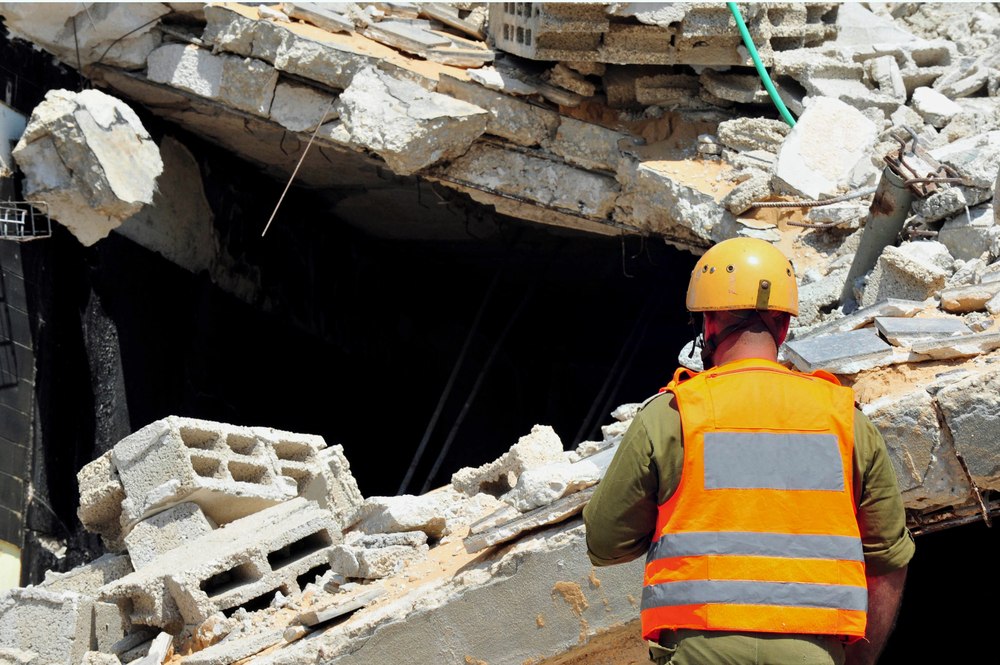
Earthquakes accounted for more than half of all deaths linked to natural hazards worldwide between 2000 and 2023, according to the World Health Organization (WHO). The agency warns that millions of people across its European Region still live or receive medical treatment in buildings that may not withstand a major seismic event.
WHO has focused on hospitals because they must continue treating patients when injuries rise and local infrastructure is damaged. The agency estimates that earthquake-resistant standards add less than 4% to the cost of a new hospital, while retrofitting an existing facility typically costs about 1% of its value.
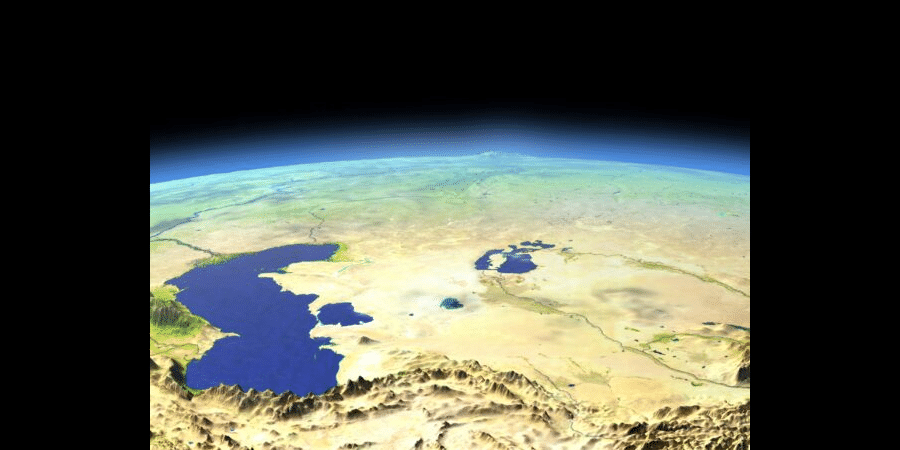
Although WHO highlighted the danger facing Istanbul, the warning also applies to Central Asia. Nearly all of Kyrgyzstan and Tajikistan lie in areas of high seismic hazard, along with parts of Kazakhstan, Turkmenistan, and Uzbekistan.
Recent tremors in Almaty have brought the issue back into public view. As previously reported by The Times of Central Asia, a magnitude-5.0 earthquake struck 74 kilometers northeast of the city on February 17, 2026. Residents left homes and offices, although no major damage was reported.
Almaty introduced its Mass Alert system in May 2024 after an earlier earthquake caused panic across the city. Forty-four people sought medical treatment, most after being injured while leaving buildings. The system is connected to 28 seismic stations and sends warnings to mobile phones through cell towers.
Up to 200 minor tremors are recorded each year within an 80-kilometer radius of Almaty. Approximately 30 tectonic faults run through the city and surrounding area. Experts estimate that an earthquake measuring 9-10 points in intensity could destroy as many as 30% of local buildings, given the density of high-rise construction in vulnerable foothill districts.
A major earthquake could also interrupt hospital care without causing a building to collapse. Loss of electricity or water could halt surgery and emergency treatment, while blocked roads could prevent staff from reaching medical facilities.
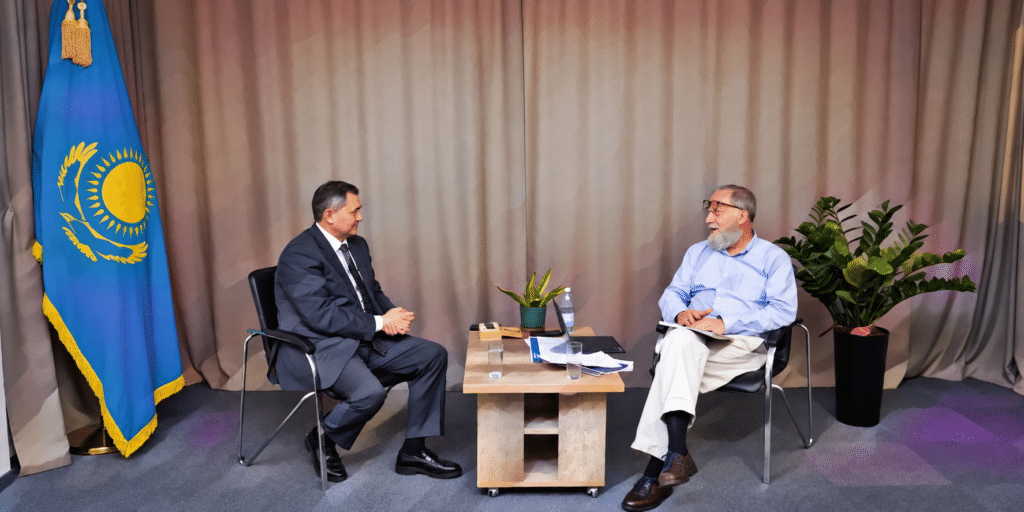
Kazakhstan resumed mandatory earthquake drills in Almaty after the strong tremors of 2024. Medical personnel have trained with rescue workers at emergency assembly points, and the military has practiced deploying mobile hospitals. The preparations reflect concern about the condition of older buildings and the rapid expansion of high-rise development.
The densely populated Fergana Valley also poses a cross-border challenge because a single earthquake could affect communities in Kyrgyzstan, Tajikistan, and Uzbekistan. Damage to roads or delays at border crossings could slow medical assistance when hospitals are under pressure.
WHO recommends regular emergency exercises and medical teams that can continue operating when communications fail. Hospitals also need access to essential supplies if damaged transport routes delay deliveries.
Central Asia’s seismic history shows the possible scale of destruction. The 1911 Kemin earthquake, estimated at magnitude 8.2, destroyed hundreds of buildings in Verny, now Almaty. A magnitude-7.3 earthquake devastated Ashgabat in 1948, and the 1966 Tashkent earthquake left more than 300,000 people homeless.
Those disasters occurred before much of the region’s current urban growth. Dense construction has increased the number of people exposed to seismic risk, while many older hospitals and apartment buildings remain in use.
WHO’s warning places medical infrastructure at the center of earthquake planning. The immediate test for Central Asian governments is whether hospitals can continue treating patients during the first hours after a major quake, before outside assistance reaches the affected area.