• KGS/USD = 0.01144 0%
  • KZT/USD = 0.00206 0%
  • TJS/USD = 0.10415 -0.19%
  • UZS/USD = 0.00008 0%
  • TMT/USD = 0.28571 0%
  • KGS/USD = 0.01144 0%
  • KZT/USD = 0.00206 0%
  • TJS/USD = 0.10415 -0.19%
  • UZS/USD = 0.00008 0%
  • TMT/USD = 0.28571 0%
  • KGS/USD = 0.01144 0%
  • KZT/USD = 0.00206 0%
  • TJS/USD = 0.10415 -0.19%
  • UZS/USD = 0.00008 0%
  • TMT/USD = 0.28571 0%
  • KGS/USD = 0.01144 0%
  • KZT/USD = 0.00206 0%
  • TJS/USD = 0.10415 -0.19%
  • UZS/USD = 0.00008 0%
  • TMT/USD = 0.28571 0%
  • KGS/USD = 0.01144 0%
  • KZT/USD = 0.00206 0%
  • TJS/USD = 0.10415 -0.19%
  • UZS/USD = 0.00008 0%
  • TMT/USD = 0.28571 0%
  • KGS/USD = 0.01144 0%
  • KZT/USD = 0.00206 0%
  • TJS/USD = 0.10415 -0.19%
  • UZS/USD = 0.00008 0%
  • TMT/USD = 0.28571 0%
  • KGS/USD = 0.01144 0%
  • KZT/USD = 0.00206 0%
  • TJS/USD = 0.10415 -0.19%
  • UZS/USD = 0.00008 0%
  • TMT/USD = 0.28571 0%
  • KGS/USD = 0.01144 0%
  • KZT/USD = 0.00206 0%
  • TJS/USD = 0.10415 -0.19%
  • UZS/USD = 0.00008 0%
  • TMT/USD = 0.28571 0%

Viewing results 619 - 624 of 1256

The Illusion of Influence: The CSTO’s Journey From Symbolic Maneuvers To Real Challenges

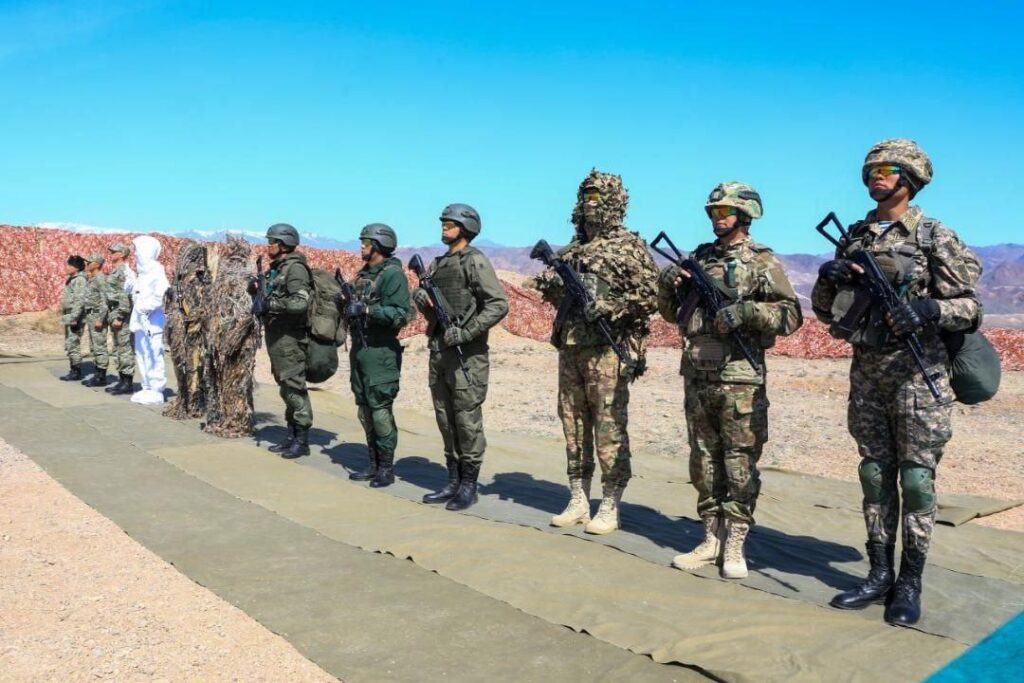
Accompanied by a picture of military hardware - though in reverse gear as if symbolically - today, the CSTO (Collective Security Treaty Organization) website announced that “From 26 to 30 September, formations participating in the command-staff exercise 'Unbreakable Brotherhood-2024' with the CSTO Peacekeeping Forces are regrouping in the Republic of Kazakhstan. Contingents of CSTO troops are being sent from the Republic of Belarus, the Kyrgyz Republic, the Russian Federation, and the Republic of Tajikistan to the exercise area in accordance with the plan.” In reality, the history of the CSTO is one of refusals, inaction, and sometimes unexpected successes. On August 31, Armenia announced it had frozen its participation in the CSTO. Prime Minister Nikol Pashinyan said he would not name the day when Armenia would leave the CSTO and called the decision to freeze the republic's participation in all structures of the organization correct “at this stage.” In many ways, this half-hearted decision reflects a certain amorphousness that originally characterized the CSTO.   History The history of the structure's emergence reflects this lack of crystalline form. The Collective Security Treaty (CST) was signed in Tashkent between Armenia, Kazakhstan, Kyrgyzstan, Russia, Tajikistan and Uzbekistan on May 15, 1992. Azerbaijan, Belarus and Georgia later joined in 1993. The treaty came into effect in 1994 and was set to last five years. During the 1990s and the disintegration of Soviet-era institutions, organizations such as the CSTO or the previously created Commonwealth of Independent States (CIS), whose founding protocol was signed in Almaty, were created to facilitate a smooth “divorce” between the newly independent states. The CSTO was also seen as a force capable of curbing the regional conflicts which were boiling over, such as the Mujaheddin in Afghanistan. Tashkent's bet on Russian weapons in case of conflicts with the Taliban did not work out, however. From the turn of the 1990s into the 2000s, two serious fissures across the borders of Uzbekistan and Kyrgyzstan took place; the republics fought back with their own military and weapons, in addition to Kazakhstan coming to the rescue. The Collective Security Treaty expired in 1999, with Uzbekistan, Azerbaijan, and Georgia withdrawing, whilst Armenia, Belarus, Kazakhstan, Kyrgyzstan, Russia, and Tajikistan soldiered on under a new pact. The remaining states later transformed the CST into the Collective Security Treaty Organization in 2002. Uzbekistan joined as a full member of the CSTO in 2006 but then flip-flopped and suspended its membership in 2012.   A powerless organization While the CSTO was still developing, with President Vladimir Putin coming to power in Russia, the Kremlin's foreign policy changed substantively from that of the Yeltsin era, when Moscow remained indifferent to Nursultan Nazarbayev's integration initiatives. The new direction of Russian foreign policy was expressed in the concepts of “Russia rising from its knees” and the "gathering of lands.” Over time, this evolved into joint war games and military operations with the West in the Middle East and Africa, and for a period the Kremlin seemed to lose interest in Central Asia....

Kyrgyzstan Begins Development of Large Titanomagnetite Deposit

Kyrgyzstan has begun developing its largest titanomagnetite deposit, Kyzyl-Ompol, in the Issyk-Kul region. Speaking at the launch ceremony on September 25, the Chairman of the Kyrgyz Cabinet of Ministers, Akylbek Japarov, emphasized that the state will develop and finance this strategic deposit. "This is a very important event for Kyrgyzstan. The Kyzyl-Ompol deposit contains millions of tons of titanomagnetite. Titanium is valuable in various industries, including medicine, aviation, and space. The development of this deposit will allow us not only to increase exports but also to create new jobs, which will give an impetus to developing the country's economy," Japarov said. Japarov also emphasized the importance of an environmentally friendly approach to the deposit's development, saying that technologies used to extract titanomagnetite will guarantee the safe extraction of associated minerals such as uranium and thorium. Early in June, the Kyrgyz parliament approved a government bill lifting a ban on the mining of uranium and thorium that had been in place since 2019. The move caused environmental concerns in Kyrgyz society, as the country still works on the rehabilitation and conservation of radioactive uranium waste sites left over from the Soviet era. The ban was lifted to start the mining of titanomagnetite, which is accompanied by uranium and thorium. The government plans to process both elements at the Kara-Balta Mining Combine, some 100 km west of Bishkek.

UNDP Helps Entrepreneurs in Kyrgyzstan Master E-Commerce

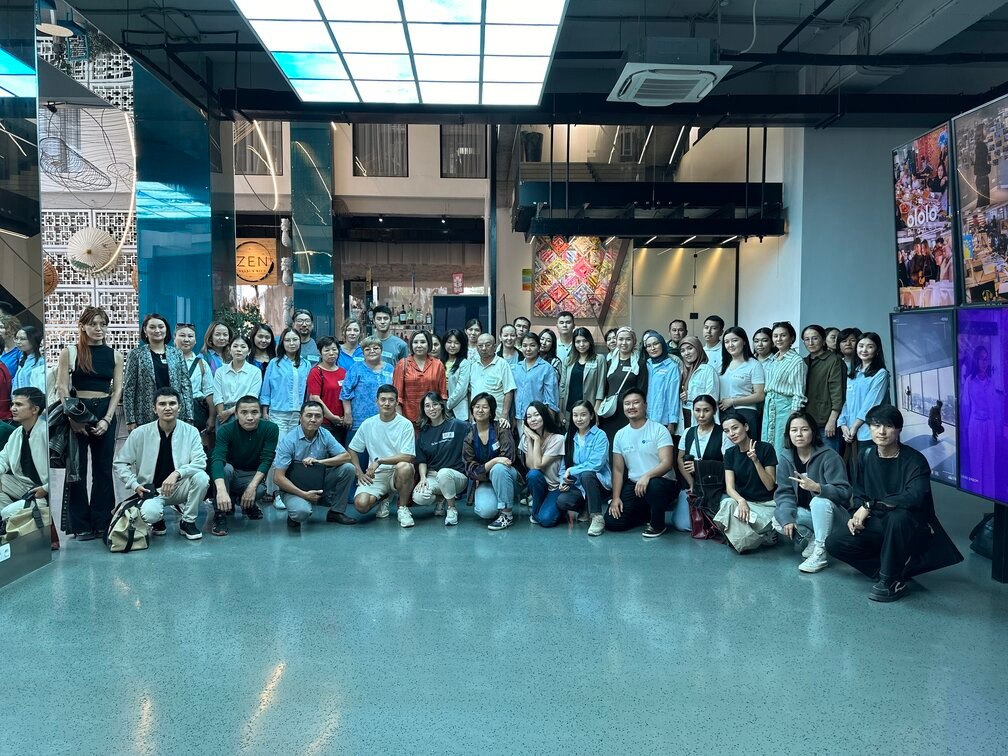
More than 50 entrepreneurs from Kyrgyzstan are learning about e-commerce through the "Janyration Sanarip" program, an initiative aimed at supporting micro, small, and medium-sized enterprises in the country, jointly implemented by the government of Kyrgyzstan and the United Nations Development Programme (UNDP), UNDP Kyrgyzstan reports. According to Nazarbek Malayev, Kyrgyzstan’s Deputy Minister of Economy and Commerce, "E-commerce opens up unique opportunities for domestic entrepreneurs to enter international markets, expand their customer base, and improve the competitiveness of their products. The Government of the Kyrgyz Republic is trying to create a favorable ecosystem where digital technologies contribute to business development and improve citizens' quality of life." Since 2019, e-commerce in Kyrgyzstan has been experiencing rapid growth, driven by the development of internet infrastructure and an increase in mobile payment users. However, the sector faces several challenges, such as a lack of consumer trust in online shopping and limited internet access in rural areas, where 60% of the population lives. In response to these challenges, the government launched the E-Commerce Development Program for 2023-2026, aimed at enhancing the competitiveness of local products in international markets and attracting investments. Within this initiative, UNDP provides comprehensive support to entrepreneurs, helping them acquire e-commerce skills and work effectively on global marketplaces. UNDP Resident Representative in Kyrgyzstan, Alexandra Solovieva, commented: "Digitalization is a key factor in bridging the digital divide and accelerating Kyrgyzstan's economic development. E-commerce improves access to services and creates new opportunities for local entrepreneurs. We are confident that the joint efforts of the Government and UNDP will contribute to sustainable and inclusive economic growth, particularly in rural areas where internet access remains limited.” Five hundred forty-two applications were submitted for the program, and entrepreneurs were selected based on several criteria, including having an existing business in Kyrgyzstan and a personal investment of at least 80,000 KGS (almost $1,000). These entrepreneurs, representing key sectors such as garment manufacturing, tourism, honey production, light industry, services, and trade, were selected from all regions of the country. Kyrgyzstan is the world's 96th largest market for e-commerce, with a predicted revenue of more than $359 million in 2024, placing it ahead of Uzbekistan. The country’s e-commerce revenue is expected to grow at a compound annual rate of 13.5% from 2024 to 2028, resulting in a projected market volume of $595.7 million by 2028.

Pathway to Prosperity: Uzbekistan’s Ambitious Plan to Halve Poverty by 2030

A presidential decree, "On taking measures to reduce poverty and increase the population's well-being to a new level," has been adopted in Uzbekistan. Lifting half a million people out of poverty in the remainder of 2024 and a further million in 2025 was defined as the primary task of the state's socioeconomic policy and state bodies and organizations at all levels. The “From Poverty to Prosperity” program will be implemented based on the positive results of poverty reduction from past national experiences and international practices. The program will be implemented from November 1, 2024, based on the doctrine of “Seven Opportunities and Responsibilities for Poor Families.” Within the framework of this program, systematic work is carried out to achieve stable employment and higher incomes, education and vocational training, access to the use guaranteed state medical services, social services, and an overall improvement in living conditions. The “Uzbekistan – 2030” strategy also includes steps to reduce poverty in the country. It was stated that the Ministry of Poverty Reduction and Employment in Uzbekistan will work with Chinese experts and international organizations to develop a strategy for reducing poverty from 2024 to 2030. This will aim to halve poverty by 2026, raise the income of 4.5 million people at risk of falling into poverty by 2030, and lift three million young people out of poverty by utilizing their labor skills. According to data, at the end of 2020, approximately six million people in Uzbekistan lived below the poverty line. While evaluating the results of the transformation programs aimed at solving the problems of poverty, it was noted that in 2023, the poverty rate in Uzbekistan decreased from 17% to 11%, meaning such programs have already helped lift almost two million people out of poverty. It is planned that the poverty level in Uzbekistan will be reduced to 7% in the next three years. This work to reduce poverty has been lauded at the international level. Dr. Ambar Narayan, Manager of the Global Poverty and Equality practice of the World Bank in Europe and Central Asia, for example, has recognized that large-scale work on poverty reduction has been carried out in Uzbekistan since 2020. Naravan believes that prioritizing investment in economic mobility and developing opportunities for vulnerable sections of the population, including youth, women, and inexperienced workers, will help create more productive jobs and reduce hardship. Geoffrey Ijumba, acting head of the UNICEF office in Uzbekistan, has also praised Uzbekistan’s efforts to develop a nationwide action plan to end child poverty. “Prioritizing the problem of child poverty, as well as the development of appropriate measures and programs, will allow Uzbekistan to achieve its goals of reducing poverty, as stated in the ‘Uzbekistan – 2030’ strategy. It will also help achieve the MDG (Millennium Development Goal) targets of ending child extreme poverty and halving it according to the national definition,” Ijumba stated. Global Finance published a list of the poorest countries in the world in 2024 based on the International Monetary Fund's data. Kazakhstan...

MP: Kazakhstan’s Army Not Ready to Switch to a Contractual Basis

Kazakh Mazhilis deputy Konstantin Avershin has explained why the authorities do not support the petition to abolish compulsory military service. Avershin opposed the idea, stating that compulsory service trains citizens to handle firearms and live in barracks conditions. According to him, in Soviet times, this was taught in schools through initial military training, but today, there is no such practice besides military service. Avershin stated that Kazakhstanis must be prepared to defend the country, given its vast territory and resources. He also emphasized that the country's population is small, about 20 million people, so it is crucial that as many citizens as possible have the skills to defend the nation. Avershin also criticized the idea of voluntary service on a contract basis, saying that Kazakhstan's budget would not be able to support an entirely professional army. He said the country focuses on social needs, transitioning to a professional army will take time, and that modernizing the military is one of the key tasks set by President Tokayev. “We are working closely with the Armed Forces," Avershin stated. "Every case of a serviceman's deaths is taken under control. I speak as a representative of the specialized committee.” As previously reported, activists in Kazakhstan have demanded that mandatory military service be ended, publishing a petition in support of this demand. One of the the reasons behind this was recent tragic cases among servicemen, which, according to the authors of the petition, revealed severe problems in the army. The petition emphasizes that the main issues are hazing and non-statutory relations, which exert intense pressure on conscripts, causing psychological trauma and even suicide. The authors also voiced concern about inadequate training, stating that modern challenges and technologies can only be effectively tackled by professional soldiers, not conscripts. In recent years, Kazakhstan has witnessed a disturbing trend in the army, with an increase in suicides among soldiers. In 2022, President Tokayev ordered an investigation to identify the causes of these incidents, as the problem of hazing and psychological pressure remains one of the key causes of tragic incidents in the military. Such incidents have not ceased despite the measures taken, causing increasing concern among both the public and the authorities.

Project To Support Women and Youth Launched in Turkmenistan

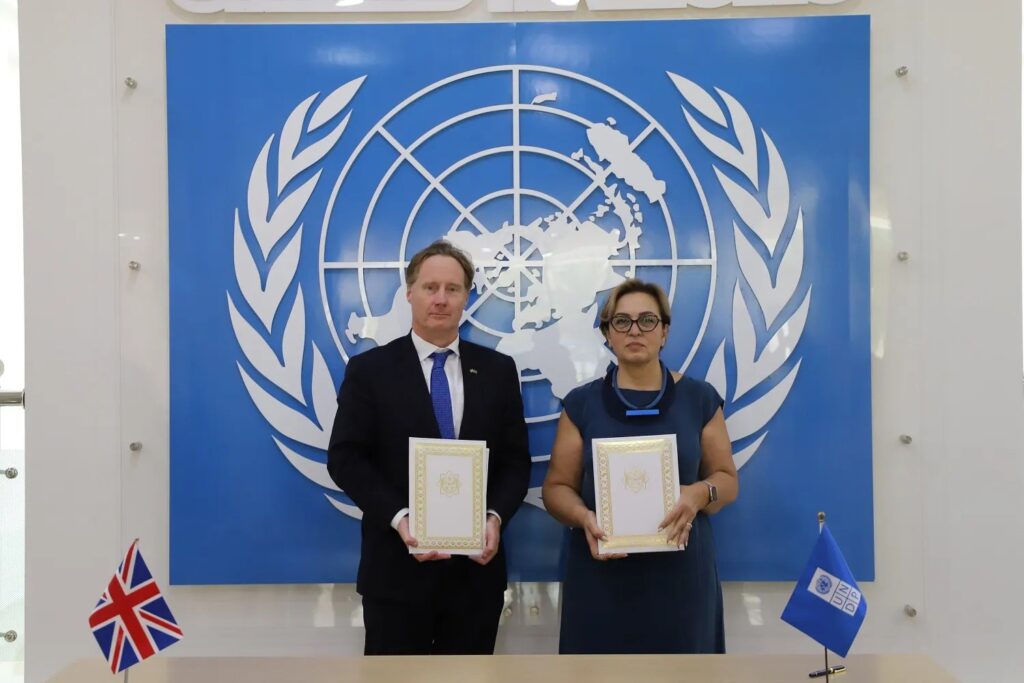
A new project developed by the United Nations Development Program (UNDP) in cooperation with the British Embassy has been launched in Turkmenistan to support the country's economic diversification and empowerment of women and youth. The project aims to stimulate sustainable economic growth and increase Turkmenistan's global competitiveness by developing a creative and innovative economy. Narine Sahakyan, UNDP Resident Representative in Turkmenistan, emphasized the importance of unlocking the creative sector's potential to achieve economic prosperity. She said stimulating entrepreneurship and innovation will open new economic diversification and growth opportunities. British Ambassador to Turkmenistan, Stephen Conlon also spoke about the importance of the creative economy, noting the UK's experience in this area. Conlon stated that the creative sector contributes to economic growth, strengthens national identity, and supports local communities, especially in rural areas. Within the project framework, the UNDP plans to launch recommendations for the development of the creative economy and support for entrepreneurship and innovation. One of the key events will be a forum on the creative economy, which will bring together representatives of the government, international organizations, and businesses. The forum will be a platform within which to share experiences and discuss legislative measures to support the creative sector. The United Nations Development Program (UNDP) is actively cooperating with Turkmenistan on various projects aimed at sustainable development. One of the key projects deals with managing the consequences of the Aral Sea crisis. Together with the Government of Turkmenistan, the UNDP is implementing a project aimed at preserving ecosystems in the Aral Sea basin, improving the use of land and water resources, and increasing the sustainability of local communities. Another important project is Digital Transformation, which aims to help Turkmenistan implement advanced inter-agency data exchange systems to improve the efficiency of public services.