• KGS/USD = 0.01144 0%
  • KZT/USD = 0.00211 0%
  • TJS/USD = 0.10460 0.19%
  • UZS/USD = 0.00008 0%
  • TMT/USD = 0.28490 0%
  • KGS/USD = 0.01144 0%
  • KZT/USD = 0.00211 0%
  • TJS/USD = 0.10460 0.19%
  • UZS/USD = 0.00008 0%
  • TMT/USD = 0.28490 0%
  • KGS/USD = 0.01144 0%
  • KZT/USD = 0.00211 0%
  • TJS/USD = 0.10460 0.19%
  • UZS/USD = 0.00008 0%
  • TMT/USD = 0.28490 0%
  • KGS/USD = 0.01144 0%
  • KZT/USD = 0.00211 0%
  • TJS/USD = 0.10460 0.19%
  • UZS/USD = 0.00008 0%
  • TMT/USD = 0.28490 0%
  • KGS/USD = 0.01144 0%
  • KZT/USD = 0.00211 0%
  • TJS/USD = 0.10460 0.19%
  • UZS/USD = 0.00008 0%
  • TMT/USD = 0.28490 0%
  • KGS/USD = 0.01144 0%
  • KZT/USD = 0.00211 0%
  • TJS/USD = 0.10460 0.19%
  • UZS/USD = 0.00008 0%
  • TMT/USD = 0.28490 0%
  • KGS/USD = 0.01144 0%
  • KZT/USD = 0.00211 0%
  • TJS/USD = 0.10460 0.19%
  • UZS/USD = 0.00008 0%
  • TMT/USD = 0.28490 0%
  • KGS/USD = 0.01144 0%
  • KZT/USD = 0.00211 0%
  • TJS/USD = 0.10460 0.19%
  • UZS/USD = 0.00008 0%
  • TMT/USD = 0.28490 0%

Viewing results 277 - 282 of 692

Riot in Tajik Prison Leaves Several Inmates Dead

On February 3, a riot broke out in Tajikistan's Vahdat Penitentiary No. 3/2, 15 miles from Dushanbe, resulting in the deaths of several prisoners. According to Tajikistan’s Ministry of Justice, the incident occurred when nine inmates - convicted over links to Islamic State and the Jihadi Salafi movement - launched an armed attack on prison staff using improvised weapons. “As a result of the attack, three guards were seriously injured,” the ministry’s statement said. The prisoners, armed with makeshift knives, refused to comply with prison authorities and attempted to kill security personnel in an escape attempt. According to the authorities, the prison guards responded with firearms, killing three of the attackers and detaining the others. The injured staff members received medical treatment and were reported to be in stable condition. Authorities also confirmed that security at the facility has been fully restored. While official reports initially listed three inmate fatalities, some sources suggest that the actual number of prisoner deaths may be higher. Condemning the treatment of detainees by officials at the prison, the Civil Committee for the Rescue of Hostages and Political Prisoners of Tajikistan (CCHP) stated that “at least 10 prisoners were killed and a number were injured as a result of guards shooting at prisoners.” Despite reports that the detainees had briefly raised the Islamic State flag over the prison, CCHP claimed that those killed were political prisoners who had no connection to ISIS or any other banned group.   History of Prison Riots in Tajikistan This is not the first violent uprising within Tajikistan’s penitentiary system. In May 2019, inmates in the same facility armed with knives took three staff members hostage and killed them. They also executed five fellow prisoners before security forces suppressed the riot. Among those killed was Behruz Halimov, son of Gulmurod Halimov, a former Tajik special forces officer who later joined ISIS. The riot left 29 prisoners dead, and Tajikistan’s Supreme Court subsequently increased the sentences of 28 convicts involved in the incident. ISIS claimed responsibility for the riot. In November 2018, a similar riot occurred in a high-security prison in Khujand, where 21 inmates and two prison staff members were killed. Five guards were also injured. Following an investigation, 33 prisoners stood trial, and nine prison officials, including the warden, received prison sentences for negligence. Broader Security Concerns In recent years, Tajikistan has witnessed numerous escape attempts from detention facilities, though nearly all have ended in failure. Most escape organizers have either been killed during apprehension or recaptured. These recurring incidents highlight ongoing security challenges within the country’s prison system and underscore the need for further reforms to prevent future outbreaks of violence.

Exploring What’s Behind Iran’s Push in Tajikistan

As Turkey increases its influence among Turkic Central Asian nations, Tajikistan – the only Persian-speaking country in the region – is looking to Iran as a potential strategic partner. Dushanbe is aiming to significantly strengthen bilateral ties with Tehran, hoping that such a move will have a positive impact on its economy; but what are the Islamic Republic’s interests in Tajikistan? On January 15, Iranian President Masoud Pezeshkian paid an official visit to Dushanbe, where he met with his Tajik counterpart Emomali Rahmon. The fact that he led a delegation of the Iranian business community suggests that Tehran plans to increase its economic presence in the landlocked Central Asian state. In 2024, the two nations increased their trade volume by nearly 50% compared to 2023. The problem, however, is that their total trade turnover reached “only” $378 million, which is rather modest compared to the $1,12 billion trade volume achieved by Tajikistan and Russia in the first seven months of 2024. From 1995 to 2013, the Islamic Republic actively invested in the economy of Tajikistan, which led to the construction of the Sangtuda-2 Hydroelectric Power Plant and the tunnel at the Anzob Pass. However, between 2013-2021, economic relations between Tehran and Dushanbe deteriorated significantly. Now, Tajikistan hopes to see more Iranian investments in its economy. "Trade and the economy are among the priority areas of our bilateral relations. We voiced our interest in developing investment cooperation with the Islamic Republic of Iran,” Rahmon said at a press conference after talks with Pezeshkian. As a result of their summit, Tajikistan and Iran significantly deepened their bilateral ties by signing 23 memoranda of understanding in sectors such as trade, energy, infrastructure, cultural exchange, and security. Since Daler Juma, Tajikistan's Minister of Energy and Water Resources attended the meeting between Tajik and Iranian delegations, it is almost certain that energy was one of the main topics that was discussed. For Dushanbe, it is crucial to secure funding for the completion of the Rogun Hydroelectric Power Plant, the Istiklol tunnel (also known as the Anzob Tunnel), where the Iranian company Farob is engaged in the construction, as well as a number of small and medium-sized projects. For Tehran, the economic aspect of cooperation with Tajikistan is undoubtedly very important, although it seems to have other ambitions in the Central Asian state as well. “Iran’s primary interest in Tajikistan is related to cultural and religious bonds, as it sees the country as part of its Persian-Iranian-Islamic civilization,” Fereshteh Sadeghi, a Tehran-based journalist who has worked with Iran's Press TV and Al Jazeera English, told The Times of Central Asia. In her view, by maintaining a good political relationship with Dushanbe, the Islamic Republic can significantly strengthen these cultural connections. “Tajiks speak Farsi, love Farsi literature, and are said to be able to recite poems by Persian or Farsi-speaking poets from memory more easily than Iranians themselves can,” she explained, pointing out that religious aspect also plays an important role in Tajik-Iranian relations. Although Tajikistan is...

UNHCR Again Urges Tajikistan to Stop Deporting Afghan Refugees

The UN High Commissioner for Refugees (UNHCR) has called on Tajikistan to immediately halt the deportation of Afghan refugees, following reports that dozens were forcibly returned to Afghanistan last month. According to UNHCR, at least 80 Afghan refugees were deported from Tajikistan in December 2024, despite many holding valid refugee documents. The agency warned that such actions violate international protection standards and could put deportees at risk. By the end of 2024, around 9,000 Afghan refugees were residing in Tajikistan. UNHCR has expressed concern that further deportations could endanger many more lives. Regional Context and Increasing Deportations Tajikistan is not the only country tightening its stance on Afghan refugees. Iran and Pakistan have also intensified deportations in recent months. Reports indicate that Iran has expelled 586,000 undocumented Afghans since the start of the current solar year. Meanwhile, the Taliban’s Ministry of Refugees and Repatriation stated that nearly 12,000 Afghan migrants have returned from Pakistan, Iran, and Turkey in the past three weeks. The rise in deportations has added pressure on Afghan refugees, many of whom are already struggling due to Afghanistan’s worsening humanitarian crisis. UNHCR has reiterated its appeal for international cooperation, urging host countries to balance national security concerns with humanitarian obligations. Previously, Mosawer Bahadori, head of Afghanistan’s Migration Committee (Aryana) in Tajikistan, urged Tajik authorities to respect refugee rights and uphold their international commitments in protecting displaced Afghans.

CNN Report on Ibn Sina Sparks Central Asian Nationality Debate

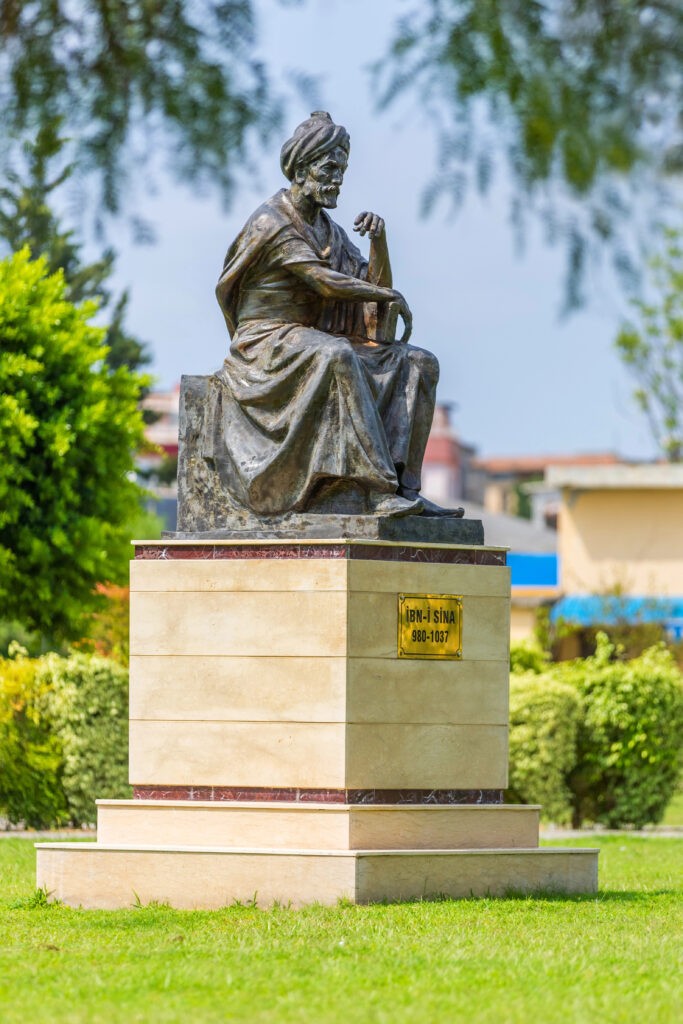
A recent CNN report referring to the scholar Ibn Sina as an Uzbek scientist has ignited controversy in Central Asia, particularly in Tajikistan. Tajikistan’s Minister of Culture, Matlubakhon Sattoriyon, strongly criticized the report, calling it a “distortion of reality.” Ibn Sina, known as Avicenna in the West, was a polymath who made groundbreaking contributions to medicine, logic, physics, mathematics, and other sciences. Born in 980 in the village of Afshona near Bukhara, an area now part of Uzbekistan, he died in 1037. Over his lifetime, he authored more than 450 works, with about 240 surviving to this day. His most renowned book, The Canon of Medicine (Tib qonunlari), served as a standard medical text in Europe and the Islamic world for centuries. While the Ibn Sina segment was actually created not by CNN itself but by the Center of Islamic Civilization in Uzbekistan, Sattoriyon accused CNN of disregarding historical facts and described the report as another example of what she called the “appropriation” of Tajik's scientific and literary heritage. “This is an insult not only to the Tajik people but also to the history and culture of Persian literature worldwide,” she said. The minister urged Tajik scientists and intellectuals to counter such claims with evidence, though she also dismissed CNN’s report as “just a TV channel’s material with no historical basis,” pointing out that it does not reflect Uzbekistan’s official stance. In Uzbekistan, reactions to the controversy varied. Sherzodkhon Kudratkhuja, Rector of the University of Journalism and Mass Communications, acknowledged the shared history of Uzbekistan and Tajikistan and called for moderation. “At a time when Central Asia is strengthening its unity, we must all approach such issues carefully,” Kudratkhuja said. He emphasized that Ibn Sina is commonly described as a scholar born in Bukhara, a region now within Uzbekistan’s borders, but suggested that he should be seen as a figure representing the entire Central Asian region. Bobur Bekmurodov, Chairman of Uzbekistan’s “Yuksalish” movement, expressed disappointment with Tajikistan’s criticism. “The legacy of figures like Ibn Sina belongs to the entire region and the world,” Bekmurodov said. He urged Central Asian nations to focus on shared challenges such as climate change, economic growth, and security rather than divisive historical disputes. Azamat Ziyo, Director of the Institute of History at Uzbekistan’s Academy of Sciences, echoed calls for regional unity. “There is no written evidence about the nationality of many historical figures in Central Asia, including Ibn Sina. What matters is their contribution to science and humanity, not their nationality,” he stated. Ziyo also appealed to politicians to avoid interfering in historical scholarship. “The science of history is the business of historians. We should rely on objective, source-based research rather than political interpretations,” he said. He emphasized the importance of collaboration among historians from Uzbekistan, Tajikistan, Kazakhstan, Kyrgyzstan, and Turkmenistan to address shared historical legacies. Drawing on his 40 years of research into the history of Central Asian statehood, Ziyo explained the complexity of national identities in the region. “During the reign of the...

CSTO to Strengthen Tajik-Afghan Border in 2025

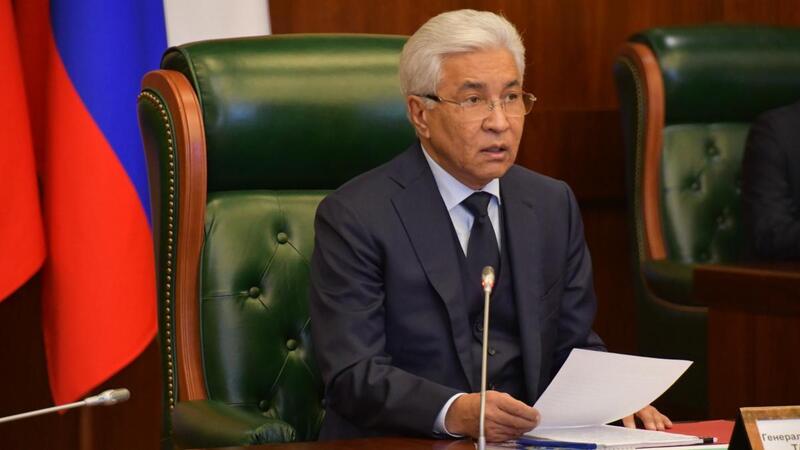
The Collective Security Treaty Organization (CSTO) will begin implementing a program to reinforce the Tajik-Afghan border in 2025, CSTO Secretary General Imangali Tasmagambetov announced during a meeting in Moscow on Thursday, according to Interfax. Tasmagambetov explained that the program outlines concrete measures to enhance security along the southern boundary of the CSTO’s area of responsibility. This announcement was made during a meeting reviewing the CSTO secretariat’s and joint staff’s activities in 2024, as well as outlining objectives for 2025. The meeting was attended by Andrei Serdyukov, head of the CSTO joint staff. In 2024, the CSTO finalized and signed agreements related to equipping its collective forces with modern weapons and military equipment. The organization also conducted joint operational and combat training exercises and actively collaborated with international organizations. As it looks ahead to 2025, the CSTO is drafting an action plan to focus on key priorities, including securing the Tajik-Afghan border, which has long been a source of concern for member states. The organization includes six member countries: Russia, Armenia, Belarus, Kazakhstan, Kyrgyzstan, and Tajikistan, though in December 2024, Armenian Prime Minister Nikol Pashinyan stated that his country’s relations with the CSTO have passed the “point of no return.” The Shamsiddin Shokhin section of the Tajik-Afghan border, spanning more than 100 kilometers, has been particularly problematic for years. This area has witnessed numerous security incidents, including hostage-taking and attacks on Tajik citizens and military personnel. The CSTO’s planned measures aim to address these challenges and bolster the security of this vulnerable region. By strengthening border security, the organization is seeking to reduce the risks posed by cross-border threats, including illegal trafficking and extremist activity.

Does the European Parliament Judge Central Asia Fairly?

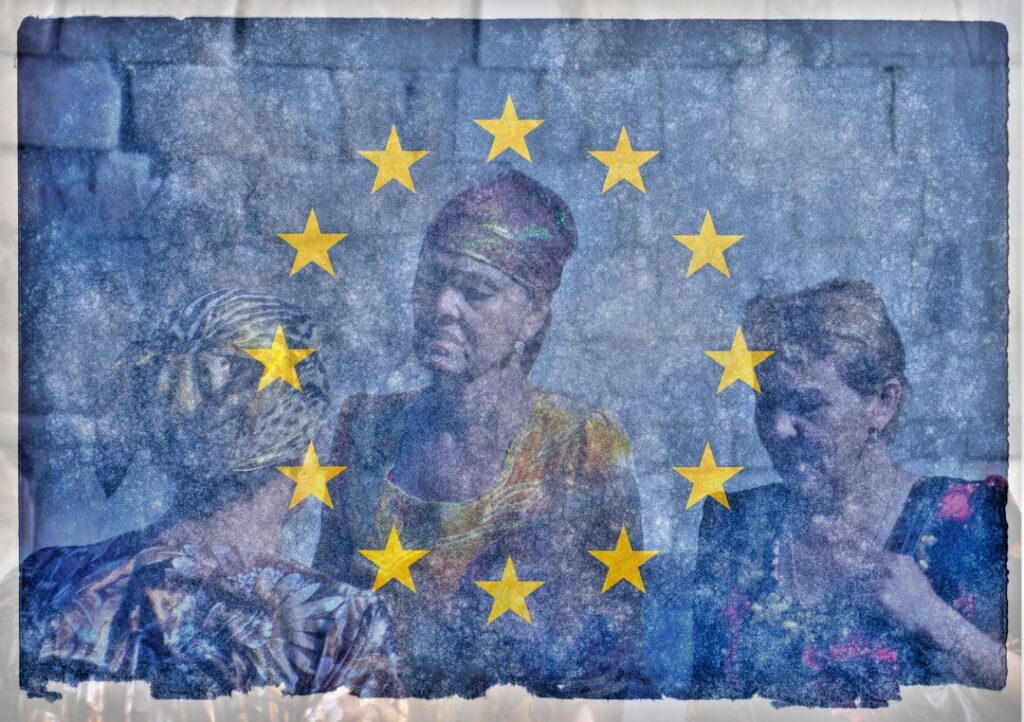
In 2024, European Parliament (EP) resolutions on Central Asia emphasized its increasing significance in a world that is being reshaped by Russia’s war on Ukraine and China’s growing assertiveness. They focused on strengthening the EU’s partnerships with Central Asia while seeking to advance democratic values and human rights. These Enhanced Partnership and Cooperation Agreements aim to support economic reforms, foster sustainable development, and encourage regional cooperation. At the same time, reflecting the EU’s strategic focus on stability and resilience in the region, the EP’s resolutions urged the Central Asian states to decrease their dependency on Russian energy and avoid facilitating sanctions evasion. For the Central Asian countries, all these initiatives present opportunities to address pressing challenges and pave the way for growth. Advancing democratic governance and protecting fundamental rights, for example, can foster more inclusive and stable societies. Deeper engagement with the EU also offers access to advanced technologies and investments (as well as global markets), which are necessary for innovation and infrastructure upgrades. Likewise, the diversification of energy sources enhances regional self-reliance, reducing vulnerabilities that are tied to over-dependence on a single partner. Alignment with EU priorities, including resistance to autocratic pressures, gives Central Asia a better chance to develop its resilience and interconnected future. Some voices in the region, however — particularly among government officials and more traditionally-minded citizens — view the European Parliament's 2024 resolutions as overly critical, indeed influenced by special interests that fail to take into account the region’s unique challenges and priorities. From a Central Asian perspective, the criticisms contained in the EP’s resolutions lack essential context, focus narrowly on perceived shortcomings, and fail to give adequate consideration to the complex situation underlying governmental decisions. Such a one-sided approach, they suggest, overlooks essential cultural, historical, socio-political, and geopolitical factors. The result is a significant gap between the EU’s expectations on the one hand, and, on the other, what is reasonable to expect given the realities on the ground. The drafters of these documents often focus excessively on identifying deficiencies in democratic processes. They report violations without contextualizing the governments’ choices and often omit any mention of the views of the general public. The unfortunate consequence is that such criticisms vitiate good-faith attempts to build cooperation and partnership. The ideal becomes the enemy of the possible. Most Europeans still have a poor understanding of Central Asia. Many MEPs lack the time or resources to grasp the region’s complexity. Instead, their decisions are too often informed by resolutions that are drafted by a small group of “experts”. The language of these resolutions often reflects the drafters’ personal biases, which in turn risk deforming Europe’s strategic relationships with the region. A lack of proper scrutiny is all the more alarming in light of the Qatargate scandal, which exposed how state-funded lobbyists can distort human rights narratives to advance specific agendas. Maria Arena, the former head of the European Parliament's Subcommittee on Human Rights (DROI), played a central role in shaping judgments on democratic practices in Central Asia,...