• KGS/USD = 0.01144 0%
  • KZT/USD = 0.00212 0%
  • TJS/USD = 0.10761 -0.09%
  • UZS/USD = 0.00008 0%
  • TMT/USD = 0.28571 0%
  • KGS/USD = 0.01144 0%
  • KZT/USD = 0.00212 0%
  • TJS/USD = 0.10761 -0.09%
  • UZS/USD = 0.00008 0%
  • TMT/USD = 0.28571 0%
  • KGS/USD = 0.01144 0%
  • KZT/USD = 0.00212 0%
  • TJS/USD = 0.10761 -0.09%
  • UZS/USD = 0.00008 0%
  • TMT/USD = 0.28571 0%
  • KGS/USD = 0.01144 0%
  • KZT/USD = 0.00212 0%
  • TJS/USD = 0.10761 -0.09%
  • UZS/USD = 0.00008 0%
  • TMT/USD = 0.28571 0%
  • KGS/USD = 0.01144 0%
  • KZT/USD = 0.00212 0%
  • TJS/USD = 0.10761 -0.09%
  • UZS/USD = 0.00008 0%
  • TMT/USD = 0.28571 0%
  • KGS/USD = 0.01144 0%
  • KZT/USD = 0.00212 0%
  • TJS/USD = 0.10761 -0.09%
  • UZS/USD = 0.00008 0%
  • TMT/USD = 0.28571 0%
  • KGS/USD = 0.01144 0%
  • KZT/USD = 0.00212 0%
  • TJS/USD = 0.10761 -0.09%
  • UZS/USD = 0.00008 0%
  • TMT/USD = 0.28571 0%
  • KGS/USD = 0.01144 0%
  • KZT/USD = 0.00212 0%
  • TJS/USD = 0.10761 -0.09%
  • UZS/USD = 0.00008 0%
  • TMT/USD = 0.28571 0%

Viewing results 19 - 24 of 386

Uzbekistan Joins World Bank’s “Water Forward,” Aiming to Reach 1 Billion People by 2030

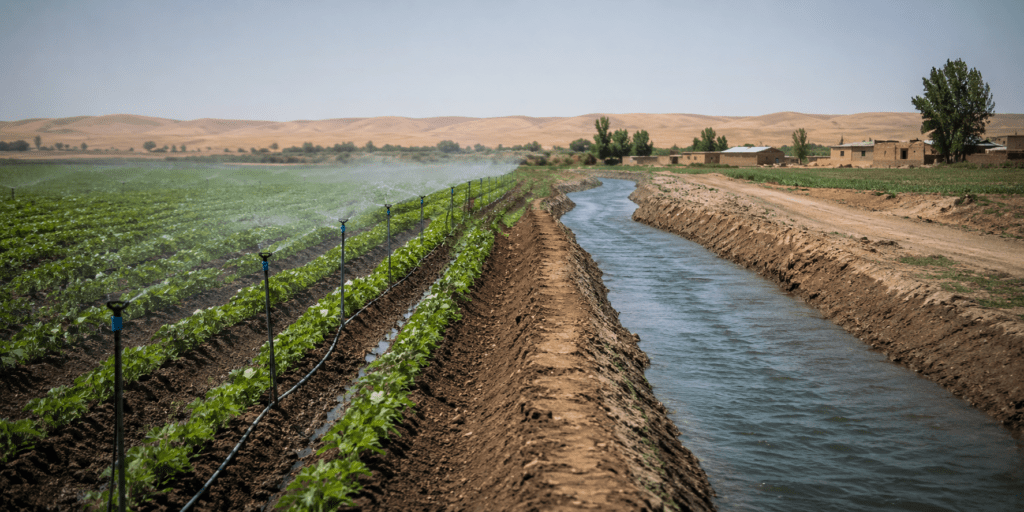
The World Bank Group has launched a new global platform aimed at improving water security, as Uzbekistan continues to expand cooperation with international financial institutions on infrastructure development. In a statement released on April 15, the World Bank announced the launch of “Water Forward,” an initiative developed in partnership with multilateral development banks and other institutions. The platform aims to improve access to reliable water services for 1 billion people by 2030 by aligning policy reforms, financing, and international partnerships. For Uzbekistan, where water management remains closely tied to agriculture and regional climate conditions, such initiatives come as the country continues to modernize its infrastructure and attract international financing. Earlier, on March 23, the World Bank’s Board of Executive Directors approved a $200 million project to upgrade transport infrastructure in Uzbekistan’s Surkhandarya region. According to the bank, the project is intended to improve connectivity, support economic activity, and enhance access to services in the southern part of the country. “Water is foundational to how economies function. When water systems work, farmers produce, businesses operate, and cities attract investment,” World Bank Group President Ajay Banga said. “Our task now is to align reform, financing, and partnerships to deliver reliable water services at scale.” According to the World Bank, around 4 billion people globally experience water scarcity, despite water supporting health systems, agriculture, energy production, and an estimated 1.7 billion jobs. Weak regulations, unclear policies, and underfunded utilities have slowed investment in many countries, particularly in developing economies. The new platform will focus on country-led “water compacts,” under which governments set priorities for reforms, strengthen institutions, and outline investment strategies for the sector. Fourteen countries have already announced such compacts, while additional agreements are expected. The initiative also brings together a wide range of financial institutions, including the Asian Development Bank, the European Bank for Reconstruction and Development, and the Islamic Development Bank, to coordinate funding and technical expertise. The World Bank said it aims to help deliver water security to 400 million people directly, with partner contributions expected to raise the total to over 1 billion.

Central Asia’s Climate Risks Could Cost Up to 130% of GDP by 2080

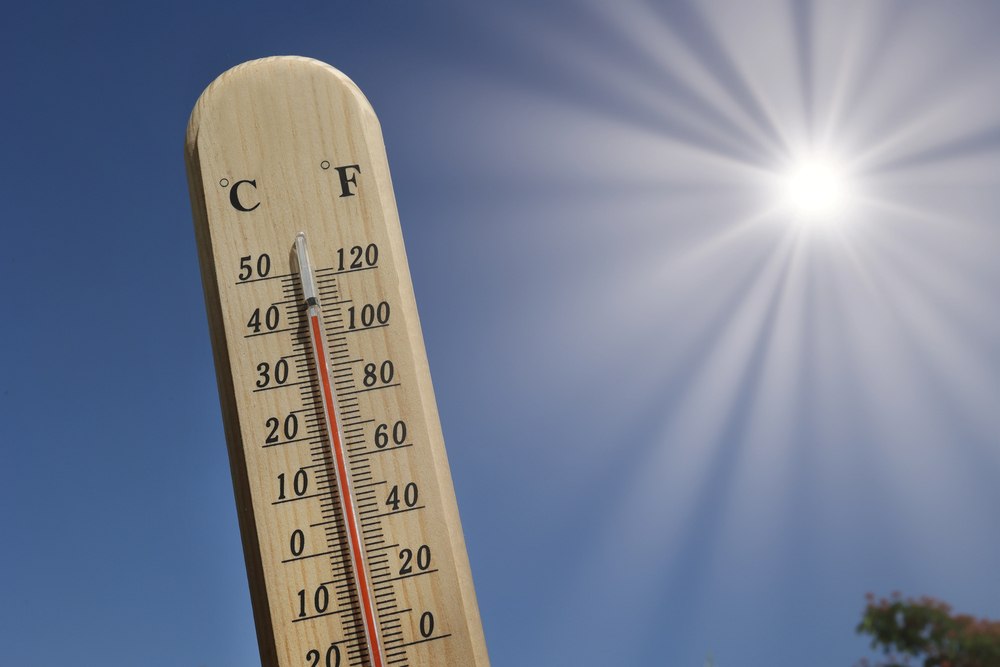
By 2080, climate change is expected to have a profound impact on the economies of Central Asian countries, with potential losses ranging from 20% to 130% of GDP. The most severe effects are projected for mountainous nations. These estimates were presented at a CAREC technology forum by Iskandar Abdullaev, a senior research fellow at the International Water Management Institute in Uzbekistan. According to Abdullaev, climate change is no longer solely an environmental issue but an increasingly significant economic factor. Key risks include droughts and water scarcity, floods, heatwaves, and glacier melt. The projected economic impact varies across the region. Tajikistan could face losses of between 80% and 130% of GDP, Kyrgyzstan 70% to 120%, Kazakhstan 40% to 80%, Uzbekistan 30% to 45%, and Turkmenistan 20% to 60%. Abdullaev emphasized that mountainous countries – Tajikistan and Kyrgyzstan – are particularly vulnerable, as climate change directly affects water resources. Glacier melt reduces river flows, creating challenges for both energy production and water supply. Droughts and extreme heat are already placing pressure on agriculture, with declining crop yields and reduced pasture productivity. Without adaptation measures, the region’s long-term sustainability could be at risk. Experts stress that mitigation and adaptation efforts are essential to reduce these risks. These include modernizing irrigation systems, adopting climate-resilient agricultural technologies, and expanding renewable energy capacity. This is not the only warning. According to the World Bank, natural disasters are already causing significant economic damage in Central Asia.  Losses from extreme events, including floods and earthquakes, can reach up to 6% of GDP, with earthquakes alone accounting for up to $2 billion in damages. At the same time, countries in the region face substantial financing gaps following major disasters. In Tajikistan, this gap could reach up to $1.5 billion. Experts warn that climate change is likely to intensify these risks, further increasing the economic burden on the region.

Air Quality Report Shows Central Asia’s Air Getting Rapidly Worse

Tajikistan ranked as the world’s third most polluted country in 2025, according to the latest World Air Quality Report by IQAir. The report analyzed PM2.5 concentrations across 9,446 cities in 143 countries and territories. PM2.5, fine particulate matter measured in micrograms per cubic meter, is widely used as a key indicator of air pollution. The five most polluted countries in 2025 were Pakistan (67.3 µg/m³), Bangladesh (66.1 µg/m³), Tajikistan (57.3 µg/m³), Chad (53.6 µg/m³), and the Democratic Republic of the Congo (50.2 µg/m³). Only 13 countries and territories met the World Health Organization annual PM2.5 guideline of 5 µg/m³, including Australia, Iceland, and Estonia. Overall, 130 out of 143 countries exceeded the guideline. Kazakhstan records the cleanest air in Central Asia, but still had the 29th worst air globally in 2025, a very significant decline from 71st in 2024. Uzbekistan has the region's dirtiest air, and the 10th worst worldwide, while Kyrgyzstan is only slightly better, in 19th. Like Kazakhstan, both countries have fallen down the rankings since they were last put together in 2024. Kyrgyzstan had been in 41st place, while Uzbekistan has fallen from 19th. Turkmenistan, which was also among the 30 most polluted countries in 2024, was not included in the 2025 report due to a lack of available data. Karaganda in Kazakhstan is Central Asia's most polluted city, ranking 26th globally in 2025. The city recorded an annual PM2.5 level of 72.6 µg/m³, more than ten times the WHO guideline. Other heavily polluted cities in the region included Fergana (30th, 68.8 µg/m³), Dushanbe (51st, 57.3 µg/m³), Guliston (100th), and Tashkent (225th, 39 µg/m³). The report also noted that the world’s 25 most polluted cities in 2025 were all located in India, Pakistan, and China, with India accounting for three of the top four.

Afghanistan Advances Qosh Tepa Canal While Urging Regional Water Cooperation

Uzbekistan just hosted the Tashkent Water Week forum, and the speaker many wanted to hear from was the representative from Afghanistan. Central Asia and Afghanistan are being hit hard by climate change. This region has endured several droughts already this decade, and indications are that this year will bring drought again. Hanging over the forum was Afghanistan’s plan to complete the Qosh-Tepa Canal in 2028, which will draw water from a river that Central Asian countries also use and further complicate the regional water situation. [caption id="attachment_18865" align="aligncenter" width="1280"] Qosh Tepa Canal, artist's rendition; image: TCA, Aleksandr Potolitsyn[/caption] Our Fair Share The forum, which actually spanned only two days, March 25-26, brought together some 80 speakers and more than 1,200 delegates from 19 countries. In the past five years, Central Asia has seen noticeably diminished precipitation, melting glaciers, and record high temperatures, making water conservation a priority. The last days of March saw temperatures soar into the 30s Celsius in southern Kazakhstan. In both Kazakhstan and Kyrgyzstan, there were record-high temperatures in February. Rainfall for the last three months of 2025 was also far below normal across Central Asia. When the Taliban government announced in early 2022 that it would build the 285-kilometer-long, 100-meter-wide, 8.5-meter-deep Qosh Tepa to irrigate lands in northern Afghanistan, it added another water concern to Central Asia, particularly the governments in Turkmenistan and Uzbekistan. Afghanistan’s Deputy Minister of Water and Energy, Mujeeb-ur-Rahman Omar, led the Afghan delegation at the Tashkent Water Week. At the forum, he repeated his government’s position that historically, Afghanistan has taken only very small volumes of water from the Amu-Darya River basin, while its northern neighbors have been using large amounts for irrigation for decades. “We believe in the fair and sustainable development of the region,” Omar said, adding, “We intend to develop (water resources) on a legal basis, in accordance with the legal rights of the countries in the region.“ Omar is correct that under international law, Afghanistan has an equal right to water from the Amu-Darya, one of Central Asia’s two great rivers. The river currently marks the border between Afghanistan to the south, and Tajikistan, Uzbekistan, and a small section of Turkmenistan to the north. There is no separate regional water use agreement between the Central Asian states and Afghanistan. Since none of the Central Asian governments officially recognize the Taliban as the legitimate Afghan government, Russia is the only country that does at the moment, there is no possibility of a legal treaty on water use being signed. So, shortly after the construction of the canal is finished in 2028, some 20% of the water in the Amu-Darya, starting from the point just west of the Tajik-Uzbek border, will be diverted into the Qosh Tepa canal. It is already clear that this will mean the end of some downstream communities in Uzbekistan and Turkmenistan that are on the edge of the Kara-Kum Desert and which are already under strain from insufficient water supplies. Turkmenistan did not send a...

Uzbekistan Launches “Clean Air” Project to Cut Pollution by 2030

Uzbekistan has approved a nationwide environmental initiative aimed at improving air quality and reducing pollution over the next five years, according to a presidential decree published on March 25. The decree outlines the implementation of the “Clean Air” national project for 2026-2030. The program sets a target of reducing harmful emissions into the atmosphere by 10.5% and strengthening environmental monitoring across key industrial sectors. Under the plan, enterprises classified as having a significant environmental impact will be required to install automatic monitoring systems, as well as dust and gas purification equipment. The initiative also aims to reduce the number of days when air pollution levels, particularly fine particulate matter (PM2.5), exceed national safety standards. Special attention is being given to the capital. Authorities have extended the mandate of a government commission tasked with addressing environmental challenges in Tashkent until March 1, 2027. The body has also been elevated to a national-level commission, reflecting its expanded scope of responsibility. From April 1, 2026, a moratorium will be introduced on the creation of new industrial zones in Tashkent, with no specified end date. The measure is intended to limit additional pressure on the city’s already strained air quality. The decree also introduces stricter environmental requirements in the construction sector starting June 1. Developers will be required to equip building sites with environmental monitoring systems linked to a centralized database managed by the Ecology Committee. In addition, construction sites must install online surveillance cameras to ensure compliance with environmental standards. Companies found to be in violation of environmental regulations will face penalties through a rating system within the national “Transparent Construction” platform. Environmental impact assessments will also become mandatory for all major construction and urban planning projects. New building designs exceeding specified size thresholds must allocate at least 30% of land area to green spaces, reflecting a broader effort to expand urban greenery. In recent years, air quality in Tashkent has deteriorated significantly. Experts attribute the problem to industrial emissions, seasonal dust storms, rapid urban development, and the loss of green spaces. Despite a formal ban, an estimated 49,000 trees have been cut down since 2019. According to the Ministry of Ecology, PM2.5 levels in the capital frequently exceed World Health Organization guidelines. During severe smog episodes in early 2024, pollution levels reached up to 22 times the recommended annual limits, posing serious risks to public health.

Melting Glaciers Becoming an Increasing Threat to Central Asia’s Resources

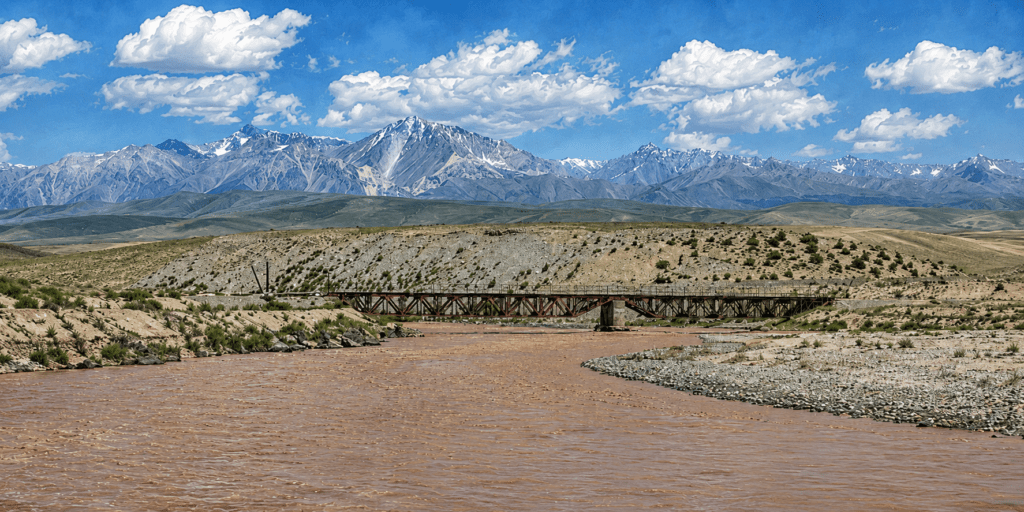
Glacier melt in Central Asia is becoming increasingly critical, posing risks to water resources, economic stability, and regional security. In response, countries in the region are strengthening coordination and launching new scientific and policy initiatives. According to the UN, glaciers in the world’s mountainous regions are shrinking at an unprecedented rate. Rising temperatures are leading to a longer warm season and a shorter winter, accelerating the process of degradation. Glaciers remain a key element of the global water system: they account for about 70% of freshwater reserves, and nearly two billion people depend directly on these resources. In addition, they perform an important climatic function by reflecting solar radiation and limiting the warming of the Earth’s surface. Central Asia is already facing the consequences of climate change. The region is under increasing pressure from rising temperatures, droughts, and dust storms. Tajikistan remains particularly vulnerable. According to President Emomali Rahmon, of the approximately 14,000 glaciers that the country once had, more than 1,000 have already disappeared, and their total volume has shrunk by nearly a third. Yet it is these glaciers that account for over 60% of the region’s water resources. In Kyrgyzstan, the area of glaciers has decreased by approximately 16% over the past 50-70 years. President Sadyr Japarov previously warned that, if current trends continue, a significant portion of them could disappear by the end of the 21st century, posing a threat to millions of residents in the region. In response to the growing crisis, at Tajikistan’s initiative, the UN General Assembly declared 2025 the International Year of Glacier Conservation. The official launch took place on March 21 in New York and coincided with the first World Glacier Day. At an international conference in Dushanbe, the Dushanbe Declaration was adopted, expressing concern over the accelerated loss of glaciers, snow cover, and permafrost. The document highlights the potentially “irreversible consequences” for ecosystems and the economy. The five countries of Central Asia are also developing joint adaptation mechanisms. Key measures include monitoring the condition of glaciers, creating a unified regional registry, and coordinating water policy.