• KGS/USD = 0.01144 0%
  • KZT/USD = 0.00211 0%
  • TJS/USD = 0.10460 0%
  • UZS/USD = 0.00008 0%
  • TMT/USD = 0.28571 0.28%
  • KGS/USD = 0.01144 0%
  • KZT/USD = 0.00211 0%
  • TJS/USD = 0.10460 0%
  • UZS/USD = 0.00008 0%
  • TMT/USD = 0.28571 0.28%
  • KGS/USD = 0.01144 0%
  • KZT/USD = 0.00211 0%
  • TJS/USD = 0.10460 0%
  • UZS/USD = 0.00008 0%
  • TMT/USD = 0.28571 0.28%
  • KGS/USD = 0.01144 0%
  • KZT/USD = 0.00211 0%
  • TJS/USD = 0.10460 0%
  • UZS/USD = 0.00008 0%
  • TMT/USD = 0.28571 0.28%
  • KGS/USD = 0.01144 0%
  • KZT/USD = 0.00211 0%
  • TJS/USD = 0.10460 0%
  • UZS/USD = 0.00008 0%
  • TMT/USD = 0.28571 0.28%
  • KGS/USD = 0.01144 0%
  • KZT/USD = 0.00211 0%
  • TJS/USD = 0.10460 0%
  • UZS/USD = 0.00008 0%
  • TMT/USD = 0.28571 0.28%
  • KGS/USD = 0.01144 0%
  • KZT/USD = 0.00211 0%
  • TJS/USD = 0.10460 0%
  • UZS/USD = 0.00008 0%
  • TMT/USD = 0.28571 0.28%
  • KGS/USD = 0.01144 0%
  • KZT/USD = 0.00211 0%
  • TJS/USD = 0.10460 0%
  • UZS/USD = 0.00008 0%
  • TMT/USD = 0.28571 0.28%

Viewing results 43 - 48 of 105

Opinion: How Central Asia Has Strengthened Ties with the West Since 2022

The Russian invasion of Ukraine has changed the relationship between Russia and Central Asia. Russia’s decision to invade a neighboring country, and the devastation and destruction that followed, has forced Central Asia to reconsider its relationship with the Russian Federation.  Russia is no longer seen as an “invincible superpower,” meaning it cannot be relied on to protect other members of the CSTO (Collective Security Treaty Organization). In addition, the U.S. and European countries have levied heavy sanctions on Russia for its invasion of Ukraine. Russia has attempted to evade these sanctions by conducting business with third parties, but the international community has warned several organizations and countries not to partake in these relations. Otherwise, should these businesses and countries opt to help Russia, then the international community has said that it will impose stiff penalties on these Russian intermediaries as well. Given these events, the Central Asian states have now been actively pursuing new relationships beyond Russia to bolster national, economic, and energy security within the region. During this process, China has attempted to assert itself as Central Asia’s new ally. Like Russia, China already has a significant trade relationship with Central Asia. In addition, China is Central Asia’s largest gas consumer, meaning the Chinese have attempted to force Central Asia into an economic and energy partnership. Despite this relationship, the countries of Central Asia have opted not to increase their reliance on China. Instead, recent developments have led them to improve their relations with the United States, the United Kingdom, and the European Union. But how has the West strengthened its relationship with Central Asia since 2022? Take, for example, the United States. When Russia’s invasion began in February 2022, the then U.S. Secretary of State Antony Blinken met with foreign ministers from Kazakhstan, Kyrgyzstan, Tajikistan, and Uzbekistan to discuss the war. During their meeting, Secretary Blinken stated that the United States supports Central Asia’s “sovereignty, independence, and territorial integrity.” He also said that the United States will continue to strengthen its relationship with the region. Since this meeting, Blinken has met with foreign ministers from Central Asia on several occasions in 2023 and 2024, where they further discussed how Central Asia can “develop the strongest possible capacities for their own security, their growing economic prosperity, and the strength and resilience of their societies.” Furthermore, U.S. President Joe Biden met with senior officials from Central Asia. During his meeting with his Central Asian counterparts in September 2023, Biden said that the United States would help “invest in and develop Central Asia’s energy infrastructure.” The United States also established a new business initiative with Central Asia, where the United States has provided hundreds of millions of dollars in assistance to the region. Then, during the United States-Central Asia Trade Investment Framework Council in June 2024, the United States and the Central Asian states discussed new investment opportunities and how they could diversify trade. These discussions were well received, and the United States called for future engagements between it and Central...

Opinion: Washington Needs a Stronger Policy for the Middle Corridor

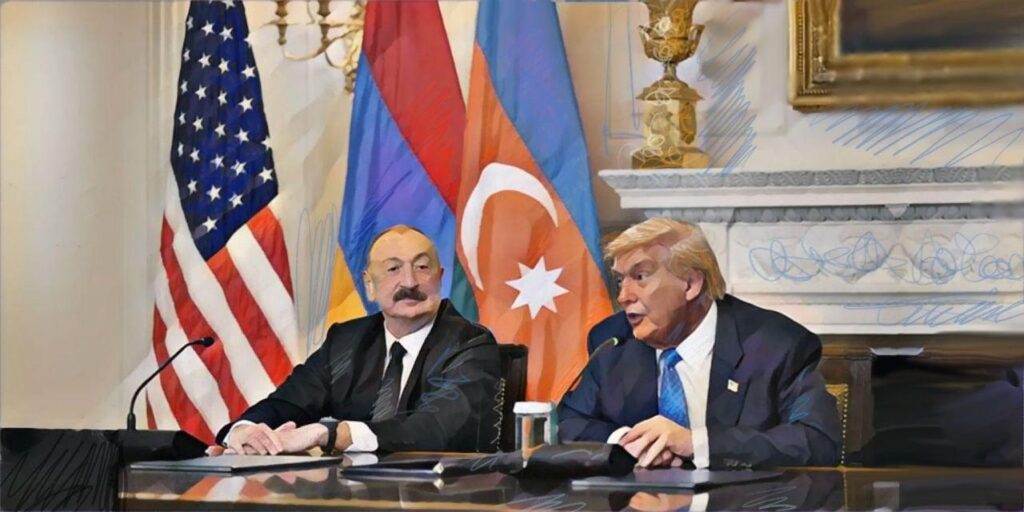
The inauguration of President Donald Trump marks a new phase in U.S. foreign policy with direct implications for the Middle Corridor, a key trade route linking China to Europe via Central Asia and the South Caucasus. This corridor, also known as the Trans-Caspian International Transport Route (TITR), has been gaining increasing strategic importance as global trade patterns shift and great-power competition intensifies. During Trump’s first term, U.S. engagement in the region was sporadic and lacked a comprehensive strategy. While some policy initiatives were undertaken to counterbalance Russian and Chinese influence in Eurasia, these efforts remained piecemeal. The Biden administration attempted to address this gap by allocating limited funding for infrastructure development and engaging in regional negotiations aimed at fostering greater connectivity. However, Biden’s approach ultimately fell short of a coherent, long-term policy, allowing Moscow and Beijing to consolidate their positions in the region. The significance of the Middle Corridor has been underscored by increased international investment. Beyond economic concerns, the Middle Corridor plays a critical role in Europe’s energy security. The corridor facilitates the westward flow of Caspian resources, providing an alternative to Russian energy exports. The development of the Middle Corridor offers a strategic means of achieving this goal, reinforcing the EU’s energy independence while simultaneously strengthening economic ties with the South Caucasus and Central Asia. Azerbaijan has emerged as a central player in the development of the Middle Corridor. As a crucial transit country, Baku has actively pursued infrastructure investments to bolster the corridor’s efficiency. Azerbaijan’s role is further magnified by its growing energy exports to Europe, solidifying its position as a strategic partner in regional energy security. The Baku–Tbilisi–Kars railway, a vital component of the corridor, has received continued investment, underscoring Azerbaijan’s commitment to enhancing trade and transit connectivity. However, Azerbaijan’s increasing importance also intersects with ongoing geopolitical complexities, particularly its relationship with Armenia. The absence of Armenian participation in the Middle Corridor remains a notable gap, one that is directly tied to the resolution of long-standing territorial disputes. The prospect of an Armenia–Azerbaijan peace treaty has gained traction in recent years, supported by Western diplomatic efforts. U.S. policymakers have recognized that sustainable peace between the two nations would not only stabilize the South Caucasus but also unlock Armenia’s potential role in the corridor. Armenia’s geopolitical realignment presents both opportunities and challenges. While Yerevan has signaled its interest in deepening ties with the West, it remains economically dependent on Russia, particularly in energy and financial sectors. Increased Armenian exports to Russia, some of which analysts suspect may involve re-exports of sanctioned goods, further complicate efforts to shift its economic orientation. Recent discussions within U.S. policy circles indicate a growing recognition of the Middle Corridor’s strategic importance. American policymakers have begun exploring ways to expand support for infrastructure development in the region, recognizing that a proactive approach could yield multiple geopolitical and economic benefits. By investing in the Middle Corridor, the U.S. has an opportunity to enhance regional stability, strengthen economic ties with key partners, and counterbalance Russian...

Does the European Parliament Judge Central Asia Fairly?

In 2024, European Parliament (EP) resolutions on Central Asia emphasized its increasing significance in a world that is being reshaped by Russia’s war on Ukraine and China’s growing assertiveness. They focused on strengthening the EU’s partnerships with Central Asia while seeking to advance democratic values and human rights. These Enhanced Partnership and Cooperation Agreements aim to support economic reforms, foster sustainable development, and encourage regional cooperation. At the same time, reflecting the EU’s strategic focus on stability and resilience in the region, the EP’s resolutions urged the Central Asian states to decrease their dependency on Russian energy and avoid facilitating sanctions evasion. For the Central Asian countries, all these initiatives present opportunities to address pressing challenges and pave the way for growth. Advancing democratic governance and protecting fundamental rights, for example, can foster more inclusive and stable societies. Deeper engagement with the EU also offers access to advanced technologies and investments (as well as global markets), which are necessary for innovation and infrastructure upgrades. Likewise, the diversification of energy sources enhances regional self-reliance, reducing vulnerabilities that are tied to over-dependence on a single partner. Alignment with EU priorities, including resistance to autocratic pressures, gives Central Asia a better chance to develop its resilience and interconnected future. Some voices in the region, however — particularly among government officials and more traditionally-minded citizens — view the European Parliament's 2024 resolutions as overly critical, indeed influenced by special interests that fail to take into account the region’s unique challenges and priorities. From a Central Asian perspective, the criticisms contained in the EP’s resolutions lack essential context, focus narrowly on perceived shortcomings, and fail to give adequate consideration to the complex situation underlying governmental decisions. Such a one-sided approach, they suggest, overlooks essential cultural, historical, socio-political, and geopolitical factors. The result is a significant gap between the EU’s expectations on the one hand, and, on the other, what is reasonable to expect given the realities on the ground. The drafters of these documents often focus excessively on identifying deficiencies in democratic processes. They report violations without contextualizing the governments’ choices and often omit any mention of the views of the general public. The unfortunate consequence is that such criticisms vitiate good-faith attempts to build cooperation and partnership. The ideal becomes the enemy of the possible. Most Europeans still have a poor understanding of Central Asia. Many MEPs lack the time or resources to grasp the region’s complexity. Instead, their decisions are too often informed by resolutions that are drafted by a small group of “experts”. The language of these resolutions often reflects the drafters’ personal biases, which in turn risk deforming Europe’s strategic relationships with the region. A lack of proper scrutiny is all the more alarming in light of the Qatargate scandal, which exposed how state-funded lobbyists can distort human rights narratives to advance specific agendas. Maria Arena, the former head of the European Parliament's Subcommittee on Human Rights (DROI), played a central role in shaping judgments on democratic practices in Central Asia,...

Opinion: What Will a New Trump Presidency Mean for Central Asia?

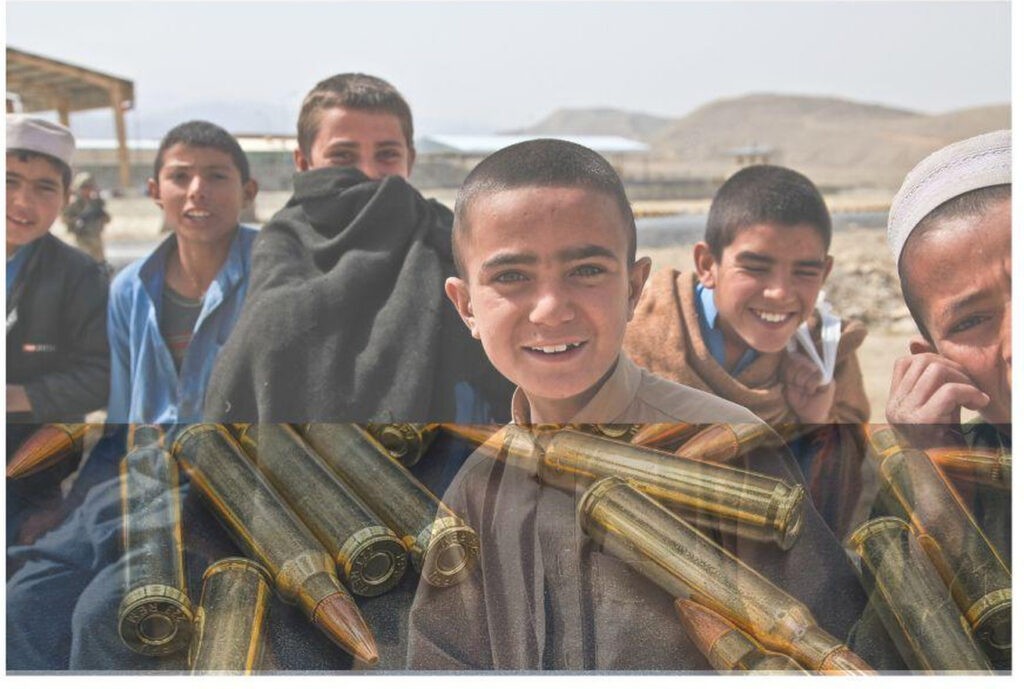
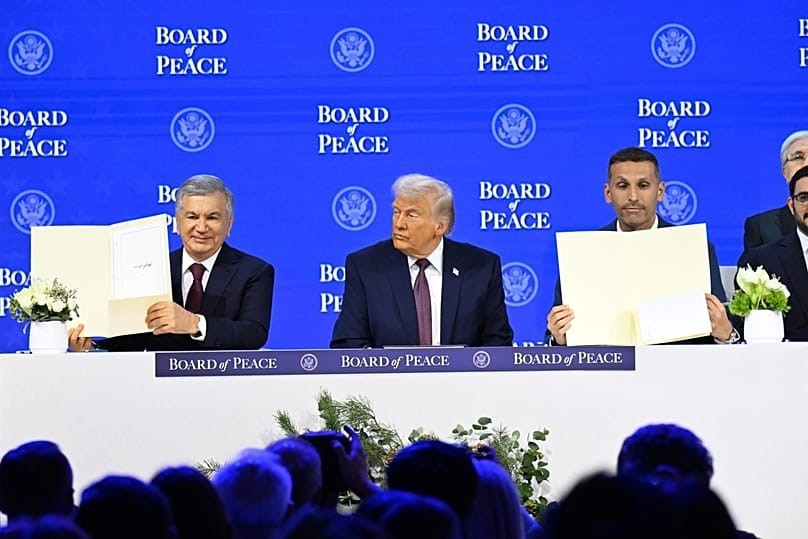
During his first presidency, Donald Trump introduced a foreign policy approach that recalibrated U.S. engagement with Central Asia, a region strategically critical yet overshadowed by the influence of China and Russia. Trump’s policies, targeting the collective challenge of CRINK (China, Russia, Iran, and North Korea), aimed to foster regional autonomy and counter external dependency. This policy shift, aimed at countering the global influence of CRINK has extended to the vital region of Central Asia. Further, it is geographically wedged between Russia and China and serves as a critical bridge for U.S. interests. The CRINK nations, in their regional strategies, have made substantial inroads in Central Asia. Additionally, each nation is pursuing influence through economic, political, or military avenues. China’s Belt and Road Initiative (BRI) and Russia’s Eurasian Economic Union, for instance, have been noted as major forces reshaping Central Asian economies as well as infrastructure. In 2013, the BRI of China was launched, which has channeled billions into roads, railways, and other infrastructure projects in Central Asia, seeking to create new trade routes connecting Asia to Europe. On the other side, Russia has promoted its Eurasian Economic Union as a trading bloc that has aimed at fostering economic integration among Central Asia and neighboring countries. These initiatives have provided economic incentives for Central Asia but also intensified its reliance on external powers, particularly China and Russia​. During his presidency, Trump emphasized a CRINK-focused strategy, which prioritized Central Asia's sovereignty and reduced dependency on China and Russia. This strategy laid the groundwork for U.S. engagement in the region, influencing current policy directions. In 2020, Trump’s administration unveiled a comprehensive strategy for Central Asia, marking the first such effort in over two decades. The policy emphasized U.S. support for border security and defense collaboration, including financial aid to Tajikistan and military training for Kazakhstan and Uzbekistan. These measures, though initiated under Trump, continue to shape current U.S. approaches to combating terrorism and fostering regional stability. For example, the U.S. has established the C5+1 initiative as a dialogue platform between the United States and the five Central Asian nations (Kazakhstan, Uzbekistan, Kyrgyzstan, Turkmenistan, and Tajikistan). It was developed further to promote mutual goals in regional security, economic development, and environmental resilience​. Security cooperation is a vital aspect of this U.S. strategy which has given the threats of terrorism and also potential instability at CRINK’s peripheries (Sciutto, 2024). In particular, Afghanistan’s proximity to Central Asia poses both risks as well as opportunities for these nations. The U.S. has provided financial support to Tajikistan to strengthen border security and counter drug trafficking. Furthermore, while also assisting Kazakhstan and Uzbekistan with training and equipment to improve their defense capabilities the US has financially supported the nation. This military cooperation has aimed to prevent the encroachment of extremist groups like ISIS, which could exploit regional instability and threaten U.S. interests​. Trump’s presidency emphasized private sector investments as an alternative to China’s Belt and Road Initiative. Although modest compared to China’s commitments, these investments reflected an effort to...

How Kazakhstan and Uzbekistan Anchor a Strategic Middle-Power Hub in Central Asia

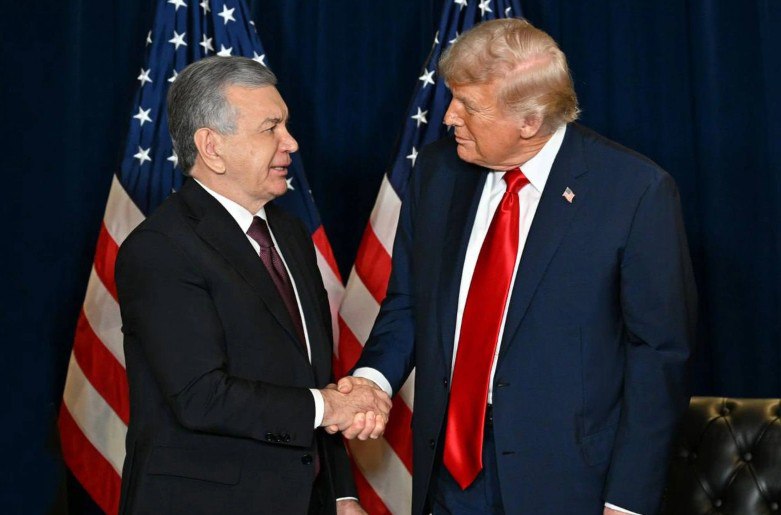
Kazakhstan and Uzbekistan are driving Central Asia’s global significance. Together, they are turning Central Asia into a strategic middle-power hub. The two countries increasingly act as central nodes in a region key to global supply chains and, inevitably, geopolitical competition. However, they are not merely reactive to changes around them, but are highly dynamic. What does it mean to say that the region is emerging as a strategic middle-power "hub"? The notion of a hub extends beyond the national profiles of the two principals, Kazakhstan and Uzbekistan, to include the aggregation of collective influence. Central Asia is recognized as a cohesive entity in global forums. Kazakhstan’s energy wealth combines with Uzbekistan’s demographic strength, creating an influential synergy beneficial to the entire region. The interplay between their respective strengths allows them to amplify Central Asia’s voice in international institutions and negotiations collectively. By integrating their regional strategies within global frameworks — such as the Organization of Turkic States (OTS), the Shanghai Cooperation Organization (SCO), and the Conference on Interaction and Confidence Building Measures in Asia (CICA) — Kazakhstan and Uzbekistan enhance the region’s geopolitical relevance. Kazakhstan, for example, has successfully advocated for the Trans-Caspian International Transport Route (TITR, also called the "Middle Corridor"). This transcontinental trade route is emerging as a lynchpin in Eurasian logistics, connecting China to Europe via the Caspian Sea. Uzbekistan, for its part, has emphasized the integration of transport and energy infrastructure. These initiatives align with the broader vision of a unified Central Asia. The leadership of Kazakhstan and Uzbekistan has reinforced the region's collective identity as the "C5" group, also including Kyrgyzstan, Tajikistan, and Turkmenistan. This regional bloc has become a diplomatic focal point for major powers like the United States, China, Germany, and Japan. All of them engage with Central Asia through structured consultations within the C5 framework. These meetings have given the region traction in international diplomacy. The elevation of the C5 group reflects the region's new prominence. The United States engages with the C5 on issues ranging from regional security to sustainable development, emphasizing its commitment to a secure and prosperous Central Asia. China’s cooperation under the C5+1 mechanism complements its transcontinental infrastructure initiatives. Germany focuses on sustainable energy and governance, while Japan prioritizes infrastructure and technology transfers. Kazakhstan and Uzbekistan together have over two-thirds of the region's gross domestic product and two-thirds of its population. Kazakhstan's vast natural resources undergird its economic influence, while its geographic expanse (as the ninth-largest country in the world) makes it central to major connectivity initiatives. Through President Kassym-Jomart Tokayev's nuanced foreign policy, Kazakhstan has adeptly balanced relationships with major powers, ensuring that it remains a key partner for Russia, China, and the European Union. Uzbekistan has surged to prominence through its ambitious domestic reforms and proactive engagement for regional cooperation under the leadership of President Shavkat Mirziyoyev, who has implemented market liberalization measures attracting foreign investment and reinvigorating its economy. As the most populous country in Central Asia, Uzbekistan is an indispensable actor in regional affairs....

Risk and Reward: Why Savvy Investors Should Dive into Central Asia-Caspian Region

Central Asia-Caspian basin has long been a geopolitical chessboard — fragmented by conflict but dependent on cooperation. In an era of shifting alliances, political instability, and economic uncertainty, multinational corporations (MNCs) must reassess their strategies. While the region's challenges remain considerable, it also presents unique investment opportunities that should not be overlooked. Since the 1990s, operating in post-Soviet Eurasia has been synonymous with political risks. The Central Asian states have sought foreign direct investment (FDI) but face significant obstacles, including weak rule-of-law, inconsistent regulatory frameworks, and entrenched corruption. Yet despite these barriers, the region continues to attract international capital, signaling its long-term potential. Traditionally reliant on oil and gas exports, these countries are now pivoting toward diversification. Nations like Azerbaijan, Kazakhstan, and Turkmenistan are strengthening ties with the European Union (EU) to balance their historical reliance on Russia’s energy network. This shift is opening new frontiers for investment, particularly in green energy, infrastructure, and technology. However, geopolitical instability remains a critical risk. The war in Ukraine has intensified uncertainties, with Russia, China, the EU, and the U.S. vying for influence. Energy security, once an afterthought, has become a central issue. The closure of the Novorossiysk terminal in early 2023, halting Kazakh oil exports, underscored how quickly geopolitical disruptions can affect supply chains, prompting companies like ExxonMobil to reassess their regional strategies. Yet this volatility also creates opportunities. The region’s economic shift away from resource dependence toward a knowledge-based economy offers fertile ground for businesses willing to invest in infrastructure, technology, and renewable energy. The Caspian basin’s strategic location, as a transit hub for energy to Europe, only heightens its importance in the EU’s efforts to reduce dependency on Russian supplies. For international businesses, this means new markets, sectors, and investment channels are emerging. The post-Covid landscape adds complexity, with digital transformation accelerating across industries. Countries in the Central Asia-Caspian basin are under pressure to adopt these technologies, which could drive long-term economic growth. Yet the gap between ambitious reform plans and their implementation remains wide. Regulatory inefficiencies and bureaucratic hurdles continue to hamper progress, presenting a challenge for foreign investors looking for stability. For multinational corporations, the region presents both risks and significant upsides. On one hand, border disputes, political unpredictability, and regulatory uncertainty create barriers. On the other, the region’s growing role as an energy transit hub and its emerging sectors, from green energy to infrastructure, offer promising avenues for investment. Azerbaijan and Kazakhstan, in particular, have been proactive in bolstering energy exports to Europe, positioning themselves as critical players in the global energy transition. If the conflict in Ukraine continues to escalate, the region’s geopolitical risks will undoubtedly increase. However, external actors — particularly the U.S., the EU, and China — are also likely to deepen their involvement, further reshaping the region’s economic and political landscape. The rise of Sino-American tensions only adds another layer of complexity to an already volatile environment. Yet, for companies that can navigate these complexities, the rewards are significant. Central Asia-Caspian basin remains...