• KGS/USD = 0.01144 0%
  • KZT/USD = 0.00205 0%
  • TJS/USD = 0.10782 0%
  • UZS/USD = 0.00008 0%
  • TMT/USD = 0.28490 0%
  • KGS/USD = 0.01144 0%
  • KZT/USD = 0.00205 0%
  • TJS/USD = 0.10782 0%
  • UZS/USD = 0.00008 0%
  • TMT/USD = 0.28490 0%
  • KGS/USD = 0.01144 0%
  • KZT/USD = 0.00205 0%
  • TJS/USD = 0.10782 0%
  • UZS/USD = 0.00008 0%
  • TMT/USD = 0.28490 0%
  • KGS/USD = 0.01144 0%
  • KZT/USD = 0.00205 0%
  • TJS/USD = 0.10782 0%
  • UZS/USD = 0.00008 0%
  • TMT/USD = 0.28490 0%
  • KGS/USD = 0.01144 0%
  • KZT/USD = 0.00205 0%
  • TJS/USD = 0.10782 0%
  • UZS/USD = 0.00008 0%
  • TMT/USD = 0.28490 0%
  • KGS/USD = 0.01144 0%
  • KZT/USD = 0.00205 0%
  • TJS/USD = 0.10782 0%
  • UZS/USD = 0.00008 0%
  • TMT/USD = 0.28490 0%
  • KGS/USD = 0.01144 0%
  • KZT/USD = 0.00205 0%
  • TJS/USD = 0.10782 0%
  • UZS/USD = 0.00008 0%
  • TMT/USD = 0.28490 0%
  • KGS/USD = 0.01144 0%
  • KZT/USD = 0.00205 0%
  • TJS/USD = 0.10782 0%
  • UZS/USD = 0.00008 0%
  • TMT/USD = 0.28490 0%

Our People > Anton Chipegin

Anton Chipegin's Avatar

Anton Chipegin

Anton was born and grew up in Bishkek, Kyrgyzstan. He worked as a television correspondent, editor and TV presenter on the main television channels of the republic, such as NTS and MIR 24, and also as an economic observer at international news agencies and other media resources of Kyrgyzstan.

Articles

Kyrgyzstan Secures €9 Million in EIB Funding for CASA-1000 Energy Project

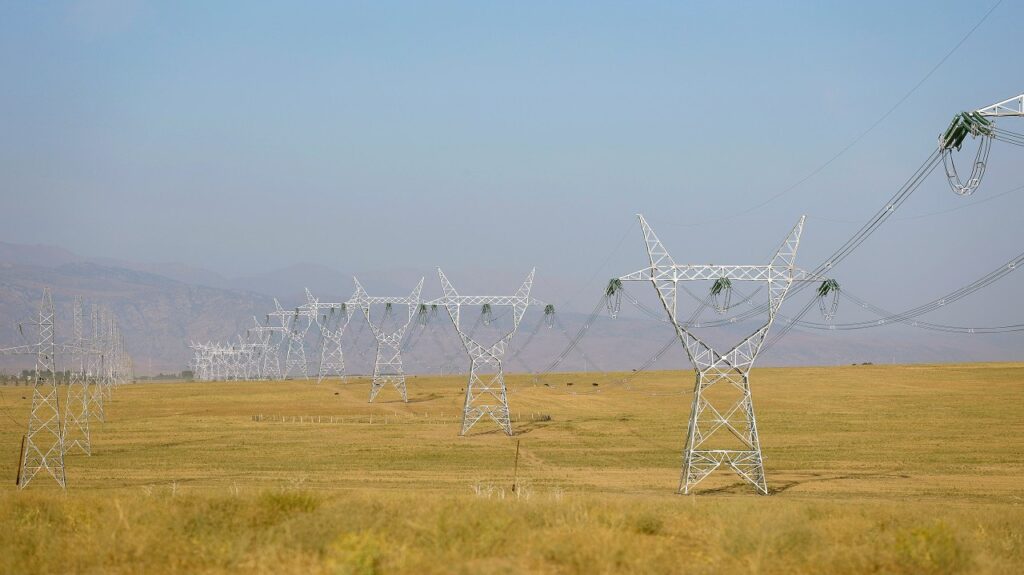
The Kyrgyz Ministry of Finance has approved the signing of a €9 million financing agreement with the European Investment Bank (EIB) to support the ongoing implementation of the CASA-1000 regional energy project. Under the terms of the agreement, the EIB will provide the Kyrgyz government with a 29-year loan, including an eight-year grace period, at an interest rate of 3.6% per annum. The funds will be used to complete infrastructure work under CASA-1000, a cross-border initiative aimed at exporting surplus summer electricity from Kyrgyzstan and Tajikistan to Afghanistan and Pakistan. According to the Ministry of Finance, the funds will be re-lent to the state-owned National Electric Grid of Kyrgyzstan (NEGK), the country's main electricity transmission operator and the contractor responsible for CASA-1000 infrastructure in Kyrgyzstan. Officials stated that the loan will not place additional pressure on the state budget. Repayment will be made through revenue generated by NEGK from electricity exports to South Asia. In line with the Kyrgyz Constitution, the agreement requires parliamentary approval by the Jogorku Kenesh before the funds can be disbursed to a dedicated Ministry of Finance account. The CASA-1000 project is now in an advanced stage of implementation. Kyrgyz President Sadyr Japarov and Tajik President Emomali Rahmon recently attended the inauguration of the 480-kilometer Datka-Sughd high-voltage transmission line, which connects the two countries’ power systems. This event marked the completion of all CASA-1000 infrastructure in Kyrgyzstan. Construction continues in southern Tajikistan, Afghanistan, and Pakistan. The full CASA-1000 corridor spans four countries, with a total transmission line length of 1,400 kilometers and an estimated total cost of $1.1 billion. Initial electricity deliveries to Afghanistan and Pakistan are scheduled for 2027.

10 months ago

Kyrgyz Authorities Take Action to Curb Rising Food Prices

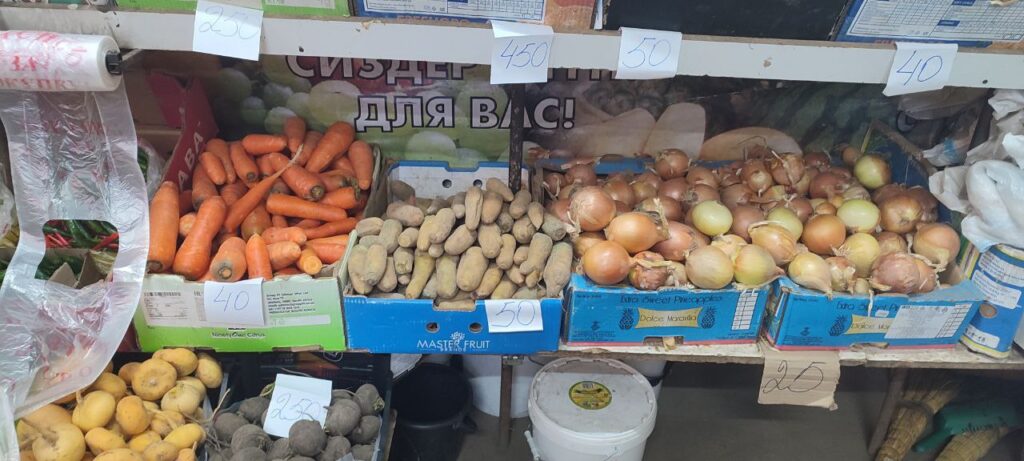
Kyrgyzstan’s Deputy Prime Minister Bakyt Torobaev has directed key government agencies to implement urgent measures aimed at stabilizing prices for socially significant food products. According to official information, the government’s list of essential goods includes meat, vegetable oil, flour, potatoes, sugar, carrots, onions, and other staples, totaling 50 items. Torobaev’s directive includes enhanced monitoring of price fluctuations, tighter oversight of food imports and exports, and a focus on inflation risk mitigation. He has called for the development of short-term mechanisms to contain price increases. The Antimonopoly Regulation Service and the National Statistics Committee have been tasked with conducting daily price monitoring in major cities. The State Tax Service has been instructed to explore the possibility of reducing VAT on imported food products. In parallel, the National Bank of Kyrgyzstan is expected to design preferential loan mechanisms for agricultural producers and livestock breeders. Torobaev emphasized the urgency of these measures, noting that approximately 65% of the population derives income from agriculture, and that expanded state support is critical to economic stability. In Bishkek, the government plans to open municipal pavilions where essential food items will be sold at fixed prices. If successful, the model will be scaled to other regions as part of broader anti-crisis efforts. “The Cabinet of Ministers is continuously working on implementing and overseeing a unified pricing policy,” said Torobaev. According to the National Statistics Committee, Kyrgyzstan’s consumer price index rose by 4% in the first half of 2025. Food prices increased by an average of 6%, with potatoes showing the steepest rise, nearly 50%, during the same period.

10 months ago

Kyrgyzstan Sees Continued Growth in Foreign Direct Investment

Kyrgyzstan continues to show steady growth in attracting foreign direct investment (FDI), with figures exceeding pre-pandemic levels. According to the National Statistical Committee, FDI reached over $1 billion in 2024, and the positive momentum has continued into 2025. In the first quarter of 2025, Kyrgyzstan attracted $288.3 million in direct investment, up 44% compared to the same period in 2024. The National Statistical Committee categorizes investments as coming from either Commonwealth of Independent States (CIS) countries or non-CIS countries, with volumes from both sources remaining roughly comparable. Among non-CIS nations, China maintained its position as Kyrgyzstan’s largest investor, contributing $66.3 million during the first quarter. Among CIS countries, Russia led with $56 million, while Kazakhstan remained a key regional partner with nearly $50 million invested from January to March 2025. Other CIS countries contributed considerably smaller amounts. Turkey also continues to play a significant role, investing $62 million in Kyrgyzstan’s production sector. Other notable contributors include the Netherlands, with $23.8 million. Uzbekistan demonstrated marked growth, following the signing of a bilateral agreement on the demarcation of certain border areas and water resources. Uzbek investments reached more than $5 million in the first quarter of 2025, up sharply from $237,000 in all of 2024. India likewise recorded a surge in investment, increasing from $91,000 in 2024 to $1.9 million in the first three months of 2025, an almost 2,000% rise. Bishkek remains the country’s most attractive destination for foreign investment, drawing more than $525 million in 2024. The Chui region ranks second, driven by the expansion of factories and processing enterprises with foreign participation. The manufacturing sector continues to be the primary target for foreign investment, followed by financial intermediation and insurance. Additional capital is flowing into mineral extraction, trade, and equipment repair.

11 months ago

Kyrgyz Car Owners Receive $200,000 in Insurance Payouts Since Start of 2025

Since the beginning of 2025, car owners in Kyrgyzstan have received approximately $200,000 in insurance payouts under the country’s compulsory motor insurance (CMI) program, according to the State Insurance Organization (SIO). The rise in payouts has been matched by growing coverage of motor insurance, particularly after fines were introduced for individuals without insurance policies on July 1, 2025. The fine is set at $35, while the cost of an annual policy ranges from $20 to $50, depending on engine size and the number of insured persons. For legal entities and foreign nationals, the cost of an annual policy is $150. Compulsory insurance for these groups has been in effect since April 1, 2023. Additionally, insurance is now mandatory when re-registering or purchasing a vehicle, as part of the phased implementation of universal motor insurance in Kyrgyzstan. According to the SIO, 38,345 individuals purchased policies in the first month following the introduction of penalties. Between January 1 and July 28, 2025, a total of 266,465 vehicles were insured through the SIO. The organization told The Times of Central Asia that many citizens had voluntarily obtained insurance before the penalties were introduced, reflecting a growing culture of legal compliance and personal responsibility among car owners. During the reporting period, the SIO registered 190 insurance claims. The largest payout in 2025 was $3,500, which was divided between two parties involved in a traffic accident. Insurers report that the sector is prepared to handle further growth in claims. The SIO was initially capitalized with $12 million from the state budget. Its authorized capital has since been increased at least twice. Additionally, all state institutions are required to insure their assets through the SIO. Alongside the state-run insurer, 14 private insurance companies operate in the Kyrgyz market, contributing to a competitive environment. As previously reported by The Times of Central Asia, the SIO’s financial model includes a fund reservation mechanism for insurance payouts, ensuring the organization's ability to meet its obligations even amid a rise in accident claims. While some experts caution that the market could face saturation in the coming years, the short-term outlook for the industry remains one of steady growth.

11 months ago

Kyrgyz Authorities Upgrade Energy Infrastructure in Conflict-Affected Batken Region

Authorities in Kyrgyzstan have modernized more than 600 kilometers of high-voltage power lines in the Batken region and launched construction of a new power substation near the Tajik border, an area impacted by armed clashes in 2022. According to the National Electric Grid of Kyrgyzstan (NEGK), stable and uninterrupted power supply has been ensured across all settlements in the region during the first half of 2025. Major repairs extended to remote mountainous areas prone to natural hazards, where energy workers replaced over 2,500 outdated porcelain insulators, enhancing grid reliability. Much of the infrastructure was located in landslide-prone and difficult-to-access terrain. “To prevent natural disasters, particularly floods, and ensure the safety of electrical equipment, we reinforced overhead power lines using gabions, stone materials, wire ties, and specialized equipment,” the NEGK reported. The Batken region experienced prolonged blackouts following the 2022 Kyrgyz-Tajik border conflict, which left 32 settlements without electricity. Although power was restored within a year, much of the infrastructure had not been updated for decades. Local officials now say outages should become rare. Construction has also begun on a new substation valued at $800,000 near the Tajik border, with completion expected by October 2025. The facility will supply electricity to an 800-hectare area, including the newly built village of Zhan Dostuk. The village is designated for residents displaced from areas transferred to Tajikistan under an intergovernmental agreement. Power will also extend to the planned city of Batken City, newly constructed state-owned mortgage housing, a large Russian-language school, and a stadium with a capacity of 10,000 spectators. Additionally, the region remains a key hub for the CASA-1000 project, which aims to export electricity from Kyrgyzstan and Tajikistan to Pakistan via Afghanistan, an initiative that officials say will strengthen energy infrastructure across Central Asia.

11 months ago

Kyrgyzstan Introduces Meat Price Regulation Amid Export Surge

In response to rising domestic meat prices and increasing livestock exports, Kyrgyzstan has introduced state regulation of meat pricing. The directive was issued by Bakyt Torobaev, Minister of Water Resources, Agriculture, and Processing Industry. According to the minister, the state will now monitor meat prices, track livestock movements, and impose restrictions on meat exports to neighboring countries. Torobaev also instructed the Antimonopoly Regulation Service (ARS) to maintain continuous oversight of price trends and conduct market analysis across the country. Ministry specialists are expected to carry out inspections and engage with vendors to prevent unjustified price hikes. The Ministry of Agriculture stated that all relevant departments have been mobilized to implement the directive. Veterinary, livestock, and pasture authorities have been tasked with strengthening sanitary oversight of livestock transportation. These efforts will be coordinated with the Border Service to combat smuggling. Unregulated livestock exports, particularly of native Kyrgyz sheep breeds, have long been a concern for authorities. Strong demand from neighboring countries has created domestic supply shortages, contributing to annual price increases of approximately 10%. Uzbekistan remains the primary destination for Kyrgyz meat and livestock exports. In addition to meat products, Uzbekistan imports live sheep for breeding purposes. According to the National Statistical Committee, Kyrgyzstan exported 233,000 live goats and sheep valued at $23.5 million and 130,000 head of cattle worth $24.5 million to Uzbekistan in 2024. Some of this livestock is subsequently transported from Uzbekistan to Tajikistan. The new price regulation measures are part of broader government efforts to ensure national food security and stabilize prices in the domestic market.

11 months ago

Kyrgyzstan Restores Irrigation System Amid Growing Water Demand

In the dry and hot year of 2025, Kyrgyz farmers received one billion cubic meters more water than in 2024, according to the Ministry of Water Resources, Agriculture, and Processing Industry. Despite the challenging weather conditions, 7 billion cubic meters of water were delivered during the growing season, enabling the irrigation of over 1.1 million hectares of agricultural land. Chronic water shortages during the irrigation season have long plagued Kyrgyzstan's agriculture, frequently sparking disputes in rural areas. The primary cause is the aging irrigation infrastructure, much of it dating back to the Soviet era. Many canals are clogged or damaged, leading to significant water losses. In 2025, the ministry reported that 429.5 kilometers of canals were repaired and cleaned, alongside the restoration of 302 hydraulic structures, 123 water gauges, 91 pumping stations, and 156 pumping units. Nine units were fully replaced, and 53.5 kilometers of collector and drainage systems were cleaned. To modernize the network, the government plans to construct 106 daily and ten-day water regulation basins by 2030. These facilities are intended to improve water storage and distribution across farms. Ten basins have already been commissioned this year, with 12 more under construction. Officials are also combining modern and traditional solutions to address irrigation challenges. Sprinkler systems, popular in the 1980s, are being revived due to their efficiency, they require 500 to 1,000 cubic meters of water per hectare, compared to two to three times more with the traditional ary system. However, most farmers continue to rely on the ary method due to the high cost of sprinkler and drip irrigation equipment. According to the ministry, drip and sprinkler systems are now in use on 8,365 hectares: 1,702 hectares on state-owned land and 6,663 hectares on private farms. Restoration of old wells and construction of new canals also continue. This year, work began on a plant to manufacture concrete linings for irrigation canals, with a target of producing 500,000 square meters of concrete canal linings in 2025.

11 months ago

Public Confidence in Kyrgyz Banking Sector Rises Amid Robust Growth

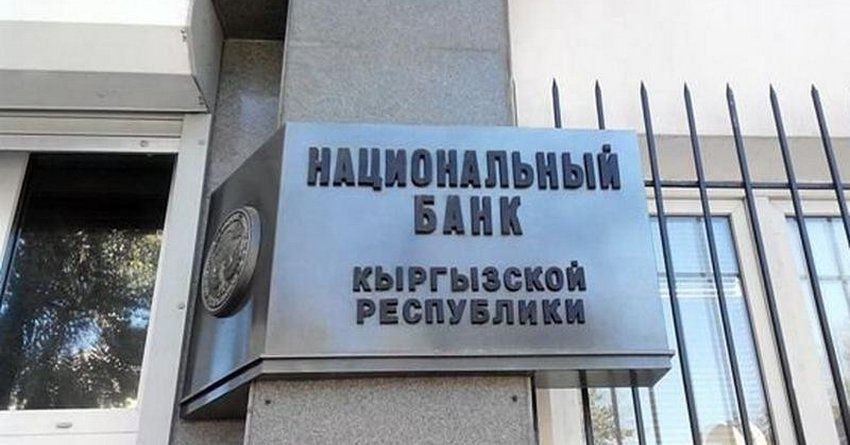
Kyrgyzstan’s banking sector recorded strong performance in the first half of 2025, signaling growing public trust and active private sector engagement. The latest data from the National Bank of the Kyrgyz Republic (NBKR) shows marked increases in total assets, deposits, and loans, reflecting both economic resilience and successful monetary policy implementation. According to the NBKR, the total assets of commercial banks have risen by 24% since the beginning of the year, reaching $11.63 billion. Deposits increased by 20% to over $8.05 billion, while the loan portfolio expanded by 22.5% to $4.8 billion. The central bank emphasized the sector’s stability and high liquidity in the national currency. “The monetary policy being pursued allows us to maintain stability in the interbank money market. The banking system continues to enjoy high liquidity in the national currency. The National Bank is conducting operations to maintain a balanced level of money supply in the economy,” the NBKR stated. The sector’s expansion has also been fueled by the adoption of digital banking technologies and the removal of fees for interbank transfers between individuals. In the first six months of 2025, QR code-based non-cash payments surged more than twelvefold in volume and twentyfold in value. Altogether, 167 million transactions totaling $3.16 billion were processed. “From October 23, 2024, until the end of 2025, Kyrgyzstan has a ban on charging individuals fees for transfers in som via mobile apps and internet banking,” said NBKR Chairman Melis Turgunbaev. The regulator also pointed to the strength of the broader Kyrgyz economy and the relative stability of the currency market. Nevertheless, inflationary pressures are mounting amid ongoing geopolitical tensions and shifting global trade dynamics. Price volatility in food and raw materials markets has been particularly acute, driven by external economic shocks and rising inflation in key partner countries. To curb inflation and stabilize the domestic economy, the NBKR raised its key policy rate by 25 basis points to 9.25%. The central bank expects the rate adjustment to help preserve consumer purchasing power and support household financial stability.

11 months ago

Kyrgyzstan Proposes Controversial Criminal Code Changes Targeting Recidivism, Limiting Official Liability

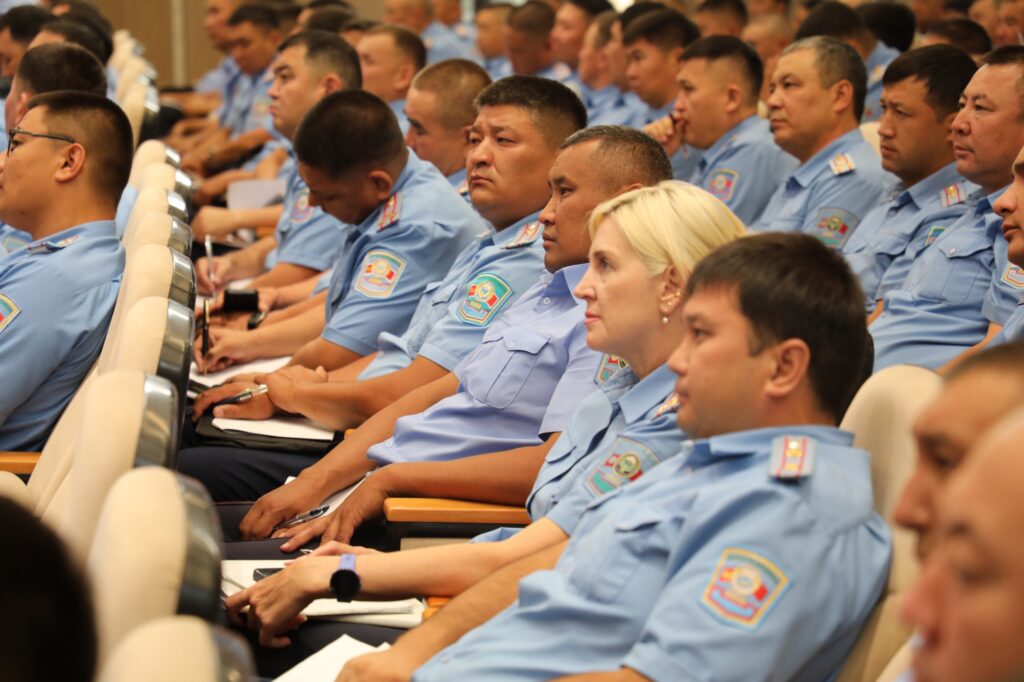
Kyrgyzstan’s Interior Ministry has submitted a bill aimed at restoring the concept of recidivism to the Criminal Code and limiting the liability of civil servants if their actions are deemed to protect national security. The proposal has sparked heated debate in both parliament and the public. Proposed Changes The draft law would reintroduce harsher penalties for repeat offenders. Recidivism, abolished in 2019 to ensure fairer treatment of convicted criminals, would once again become a legal category. According to the explanatory note, the earlier reform failed to yield the desired outcomes. "The abolition of the concept of recidivism did not have the expected effect," the note states. "Excluding harsher liability for members of organized criminal groups, who are often repeat offenders, has enabled them to consolidate and expand their influence." According to the bill's proponents, nearly 90% of inmates in Kyrgyzstan have prior convictions. They argue that current parole and probation policies treat repeat offenders too leniently. Combating organized crime has been a major priority in recent years. Dozens of so-called 'thieves-in-law' have been detained or neutralized, and suspects are now publicly compelled to renounce their criminal status. President Sadyr Japarov has already signed a law criminalizing the support or financing of criminal organizations. "Organized crime poses a serious threat to national security and affects virtually all sectors of society," the Cabinet said. Under the proposed legislation, penalties for recidivism would be no less than half the maximum sentence for a given crime. In cases of “particularly dangerous recidivism,” the minimum would be two-thirds. Moreover, reconciliation between victim and perpetrator would no longer be grounds for dismissal of charges. Authorities claim the measures will deter crime and diminish the appeal of criminal subcultures, particularly among young people. Public Criticism The most controversial element of the bill, however, is a provision that would exempt individuals from criminal liability if their actions were taken in defense of national sovereignty, the constitutional order, or environmental, economic, informational, or other forms of security. Former MP Felix Kulov criticized the vague language of the proposal on social media, warning it could lead to legal abuse. He cited a hypothetical case in which an environmental activist seriously injures or kills a litterer, arguing the act could be wrongly justified as "defending environmental security." "Such additions clearly do not belong in Article 18 of the Criminal Code," Kulov wrote. "The code already includes provisions for exceeding the limits of necessary defense and abuse of authority, and these new clauses would contradict them." Current MP Dastan Bekeshev reacted more bluntly: "This is crazy. If the law is passed, what is the point of justice at all?" The draft law is now under review in the parliament. If adopted, it would represent one of the most significant overhauls of Kyrgyzstan’s criminal legislation in recent years.

11 months ago

Kyrgyzstan Grows Toward Food Security with Surplus Potato and Carrot Harvests

The Kyrgyz government is stepping up efforts to ensure food security and stabilize prices for socially important goods, including staple vegetables such as potatoes and carrots. In response to rising prices, the Ministry of Water Resources, Agriculture, and Processing Industry has decided to maintain existing potato crop volumes while expanding carrot cultivation. According to the ministry, the active open-field growing season is currently underway. In 2025, potato planting areas reached over 64,000 hectares, with a projected harvest exceeding 1.1 million tons. Domestic demand is estimated at approximately 760,000 tons annually, allowing for surplus exports. However, the ministry cautioned farmers against indiscriminately expanding potato acreage in pursuit of higher profits, warning that an oversupply could depress prices and reduce incomes. “To prevent unjustified price increases for socially significant products, the Ministry of Agriculture continues to monitor market prices daily. If risks of domestic shortages arise due to excessive exports or speculative practices by intermediaries, temporary export restrictions will be considered,” the ministry stated. Amid recent price surges for carrots, the government has expanded carrot cultivation by 223 hectares in the Chui region. “The second carrot harvest will ensure a stable domestic supply and help contain price increases,” said Agriculture Minister Bakyt Torobaev. The ministry attributes the current price increases to heightened demand for Kyrgyz vegetables from member states of the Eurasian Economic Union (EAEU) and neighboring countries. Uzbekistan remains the largest importer of Kyrgyz potatoes. In 2024, Kyrgyz exports to Uzbekistan doubled to 68,500 tons, prompting state intervention and temporary export restrictions to prevent domestic shortages and inflation. In addition to Uzbekistan, Kyrgyzstan annually exports over 10,000 tons of potatoes to Kazakhstan, as well as smaller volumes to Russia and Azerbaijan.

11 months ago