• KGS/USD = 0.01143 0%
  • KZT/USD = 0.00212 0%
  • TJS/USD = 0.10799 -0.09%
  • UZS/USD = 0.00008 0%
  • TMT/USD = 0.28571 0%
  • KGS/USD = 0.01143 0%
  • KZT/USD = 0.00212 0%
  • TJS/USD = 0.10799 -0.09%
  • UZS/USD = 0.00008 0%
  • TMT/USD = 0.28571 0%
  • KGS/USD = 0.01143 0%
  • KZT/USD = 0.00212 0%
  • TJS/USD = 0.10799 -0.09%
  • UZS/USD = 0.00008 0%
  • TMT/USD = 0.28571 0%
  • KGS/USD = 0.01143 0%
  • KZT/USD = 0.00212 0%
  • TJS/USD = 0.10799 -0.09%
  • UZS/USD = 0.00008 0%
  • TMT/USD = 0.28571 0%
  • KGS/USD = 0.01143 0%
  • KZT/USD = 0.00212 0%
  • TJS/USD = 0.10799 -0.09%
  • UZS/USD = 0.00008 0%
  • TMT/USD = 0.28571 0%
  • KGS/USD = 0.01143 0%
  • KZT/USD = 0.00212 0%
  • TJS/USD = 0.10799 -0.09%
  • UZS/USD = 0.00008 0%
  • TMT/USD = 0.28571 0%
  • KGS/USD = 0.01143 0%
  • KZT/USD = 0.00212 0%
  • TJS/USD = 0.10799 -0.09%
  • UZS/USD = 0.00008 0%
  • TMT/USD = 0.28571 0%
  • KGS/USD = 0.01143 0%
  • KZT/USD = 0.00212 0%
  • TJS/USD = 0.10799 -0.09%
  • UZS/USD = 0.00008 0%
  • TMT/USD = 0.28571 0%

Our People > Bruce Pannier

Bruce Pannier's Avatar

Bruce Pannier

Bruce Pannier is a Central Asia Fellow in the Eurasia Program at the Foreign Policy Research Institute, the advisory board at the Caspian Policy Center, and a longtime journalist and correspondent covering Central Asia. For a decade, he appeared regularly on the Majlis podcast for RFE/RL, and now broadcasts his Spotlight on Central Asia podcast in partnership with The Times of Central Asia.

Articles

Men in Black Blamed for Series of Murders in Northern Tajikistan

People in the Konibodom area of northern Tajikistan are locking themselves in their homes when darkness falls. Some are arming themselves. Others have left altogether out of fear. There appears to be a serial killer or killers on the loose. At least 13 people have been murdered in their homes in or near Konibodom since late March, and local police seem baffled as to who is doing this or why. It started with the killing of five members of the Sharipov family in late March. Initially investigators believed the 65-year-old head of the house had killed his wife, daughter-in-law, and two grandchildren, then hanged himself, but they later determined someone broke into the home and the killer hanged the man to make it look like a domestic dispute and suicide. On the night of April 16-17, someone broke into a home in the Gafurjon Ortikov neighborhood of Konibodom and killed the husband and wife who lived there. Police said the bodies of the victims, whom police did not identify, bore the signs of a violent death. The most recent killings happened on the night of May 28-29 in the village of Sanjidzor, outside Konibodom. Mahbuba Ahmedova and her two children were killed in their home and that same night, at a different house, the deputy director of a local school, Zulho Ibragimova, her brother and brother’s wife were killed. Local law enforcement said preliminary evidence showed all six people were strangled. Locals speak about men in black who break into people’s homes at night and kill them. A video was posted, purportedly from a surveillance camera in Konibodom, that shows a person with black clothing and a black hood or mask trying to break into a home. Konibodom resident Mahsuda Kodirova said she and her daughter were sitting in the courtyard of their home a little after 10 in the evening on June 11, when a man in black clothing with a black mask suddenly appeared and approached them. Kadirova said she and her daughter screamed and ran out into the street. When the police arrived, they told Kadirova they had received many similar calls from terrified residents during the previous 48 hours. Understandably, there is panic in Konibodom. Many of the men, especially the young men of Konibodom, are currently migrant laborers in Russia who are supporting their elderly parents, wives, and children back home. The bodies of Mahbuba Ahmendova and her two children were found by neighbors after Ahmedova’s husband had been calling her from Russia and finally called a neighbor to go and check on his family. Konibodom is near the border with Kyrgyzstan and the population of the city is mixed, mostly Tajiks, but many Kyrgyz as well. Most of the victims have been ethnic Tajiks, but Ibragimova, her brother, and her brother’s wife were Kyrgyz. The seeming randomness of the victims puts everyone on edge, at least everyone still there. The Tajik news outlet Asia-Plus sent its reporters to Sanjidzor after the killings in late...

2 years ago

Signs of Racism in Central Asia

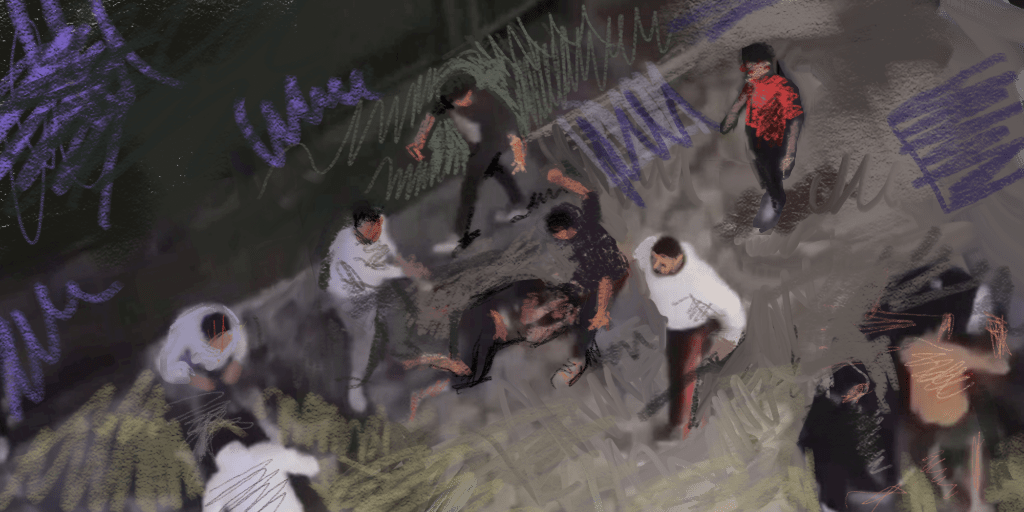
By Bruce Pannier Incidents in May showed two Central Asian countries – Kyrgyzstan and Turkmenistan – are afflicted by racism that is tacitly or explicitly supported by their governments. Overnight on May 17-18, hundreds of young Kyrgyz men gathered in eastern Bishkek near a dormitory used by foreign students. The Kyrgyz men were angered by a video posted on popular Kyrgyz social media sites on the morning of May 17 that showed a fight in Bishkek on May 13 between a small group of Kyrgyz and foreigners. The foreigners in the fight on May 13 turned out to all be Egyptians, and they were all detained. However, some social media posts claimed at least some of the foreigners involved in the fight were Pakistanis. Many people from Bangladesh, India, and Pakistan come to Kyrgyzstan to study at universities, particularly at medical colleges. More than 90% of foreign students at Kyrgyz universities are from India and Pakistan. A smaller number, in the low thousands, are working there illegally. In March, Kyrgyz authorities launched a campaign to find and deport illegal migrant laborers some 1,500 Pakistanis and 1,000 Bangladeshis have been caught. There have been isolated incidents when Kyrgyz were involved in physical altercations with South Asians in recent years, but nothing on scale of what happened in May 17-18. Besides bursting into the dormitory and assaulting foreign students, a group of some 60-70 Kyrgyz men broke into a sewing factory in Bishkek early morning May 18 and attacked foreign workers, who mostly from Bangladesh, India, and Pakistan. At least 41 people were injured, most of them South Asians. Pakistan in particular reacted, summoning the Kyrgyz Charge d'Affaires in Islamabad while a group of Pakistanis protested outside the Kyrgyz Embassy. Pakistani authorities also sent charter flights to Kyrgyzstan that brought back more than 1,000 Pakistani citizens. Kyrgyz authorities criticized the police for failing to calm the situation before it went out of control and later 10 policemen were sacked. Deputy Cabinet Chairman Edil Baisalov went to the dormitory to meet with some of the foreign students and apologize for the harm done to them “by a bunch of hooligans.” The top two people in the government – President Sadyr Japarov and head of security service Kamchybek Tashiyev – were more equivocal in their comments on the violence. Since coming to power in late 2020, Japarov and his longtime friend Tashiyev have promoted nationalist policies. Their emphasis on respecting Kyrgyz traditions and customs has gained them significant popularity in Kyrgyzstan. They need such support in a country that has had three revolutions since 2005, including the October 2020 revolution that resulted in them occupying their current positions. Young Kyrgyz men, like the hundreds who gathered on the evening of May 17, are an important pillar of support for Japarov and Tashiyev. President Japarov vaguely blamed “forces interested in aggravating the situation,” and added, “The demands of our patriotic youth to stop the illegal migration of foreign citizens and take tough measures against those...

2 years ago

Central Asia Has a Problem, and It Is Russia

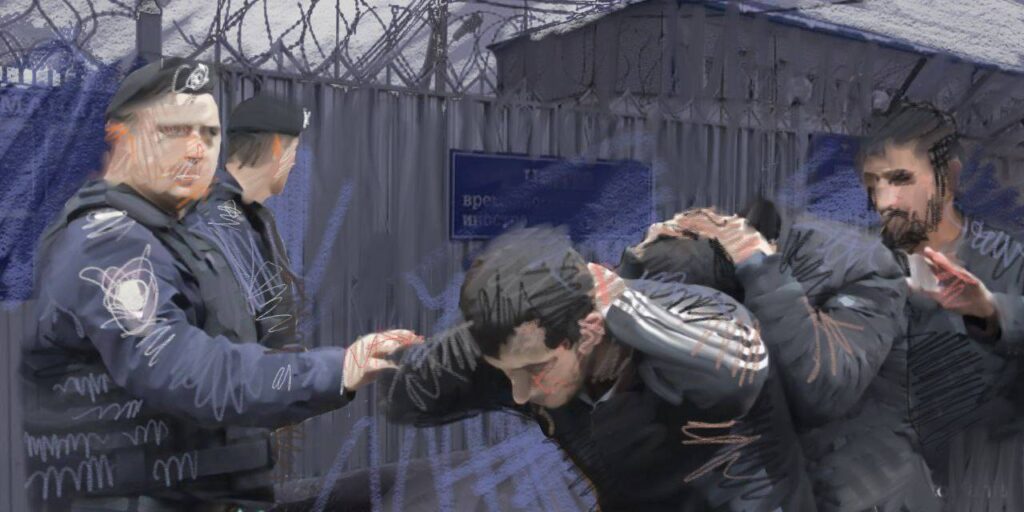
The wave of xenophobia targeting Central Asians in Russia that has followed the terrorist March 22 attack on Moscow’s Crocus City Hall presents many problems for Central Asia, including concerns about what sort of friend Russia really is. As reports of attacks on Central Asians in Russia multiplied in the last days of March, April saw a flurry of meetings of Central Asian leaders. Kazakh President Kassym-Jomart Tokayev met Uzbekistan President Shavkat Mirziyoyev in Khiva, Uzbekistan on April 4-5. At the same time, the chairman of Turkmenistan’s Halk Maslahaty (People’s Council), former President Gurbanguly Berdymukhammedov was in Tajikistan meeting with Tajik President Emomali Rahmon. Kyrgyz President Sadyr Japarov visited Kazakhstan on April 18-19, meanwhile, the same days that Uzbek President Mirziyoyev was in Tajikistan for talks with his counterpart Rahmon. Reports of their meetings focused on praising fraternal ties and signing bilateral agreements. There was no mention of any discussions about the rapidly unfolding dilemma with Russia. The people Russia claims staged the attack that left more than 140 people dead are Tajiks, some of whom acquired Russian citizenship, others who were migrant laborers. There are at least four million migrant laborers from Uzbekistan, Kyrgyzstan, and Tajikistan working in Russia and some estimates put the number at double that figure, or more. In the wake of the attack, all Central Asians fell under suspicion in Russia. Passengers from Central Asia arriving in Russia were held up at airports for extra document checks, sometimes for more than 24 hours. Russian police raided dormitories and other facilities where Central Asian migrant laborers were known to stay. The first four Tajik suspects apprehended were shown on Russian television. They had clearly been tortured. An FSB member had cut part of the ear off one of the suspects and fellow FSB troops filmed him forcing the severed piece of ear into the mouth of the suspect. Russia was a colonizer of Central Asia and the leaders of the five Central Asian countries are well aware of that history. Since the collapse of the Soviet Union in late 1991, whenever Central Asian and Russian officials meet, they speak of historically friendly ties and valued partnerships. It has often been difficult to make this image credible to Central Asia’s people, particularly after Russia launched its full-scale invasion of Ukraine in late February 2022. Some Russian nationalists, including politicians, have spoken about reclaiming “historic Russian land,” usually mentioning part or all of Kazakhstan. Chairman of Russia’s Investigative Committee Aleksandr Bastrykin said in May 2023 that military service in Ukraine should be mandatory for migrant laborers seeking Russian citizenship, and State Duma Deputy Mikhail Matveev backed this call, adding, “Where are our Tajik battalions?“ There are many other such examples since February 2022. Both Russian and Central Asian government officials have downplayed these remarks, saying they are the views of an individual and do not reflect the position of the Russian government. However, In January 2024, Deputy Speaker of Uzbekistan’s lower house of parliament Alisher Qodirov questioned why,...

2 years ago