• KGS/USD = 0.01144 0%
  • KZT/USD = 0.00212 0%
  • TJS/USD = 0.10864 0.56%
  • UZS/USD = 0.00008 0%
  • TMT/USD = 0.28571 0%
  • KGS/USD = 0.01144 0%
  • KZT/USD = 0.00212 0%
  • TJS/USD = 0.10864 0.56%
  • UZS/USD = 0.00008 0%
  • TMT/USD = 0.28571 0%
  • KGS/USD = 0.01144 0%
  • KZT/USD = 0.00212 0%
  • TJS/USD = 0.10864 0.56%
  • UZS/USD = 0.00008 0%
  • TMT/USD = 0.28571 0%
  • KGS/USD = 0.01144 0%
  • KZT/USD = 0.00212 0%
  • TJS/USD = 0.10864 0.56%
  • UZS/USD = 0.00008 0%
  • TMT/USD = 0.28571 0%
  • KGS/USD = 0.01144 0%
  • KZT/USD = 0.00212 0%
  • TJS/USD = 0.10864 0.56%
  • UZS/USD = 0.00008 0%
  • TMT/USD = 0.28571 0%
  • KGS/USD = 0.01144 0%
  • KZT/USD = 0.00212 0%
  • TJS/USD = 0.10864 0.56%
  • UZS/USD = 0.00008 0%
  • TMT/USD = 0.28571 0%
  • KGS/USD = 0.01144 0%
  • KZT/USD = 0.00212 0%
  • TJS/USD = 0.10864 0.56%
  • UZS/USD = 0.00008 0%
  • TMT/USD = 0.28571 0%
  • KGS/USD = 0.01144 0%
  • KZT/USD = 0.00212 0%
  • TJS/USD = 0.10864 0.56%
  • UZS/USD = 0.00008 0%
  • TMT/USD = 0.28571 0%

Our People > Duisenali Alimakyn

Duisenali Alimakyn's Avatar

Duisenali Alimakyn is a Kazakh journalist, translator, and researcher covering literature, culture, and science. His research, including at the George Washington University, has a strong focus on Western narratives about Central Asia over the centuries.

Articles

Literary Competition Showcases Outstanding New Kazakh Novels

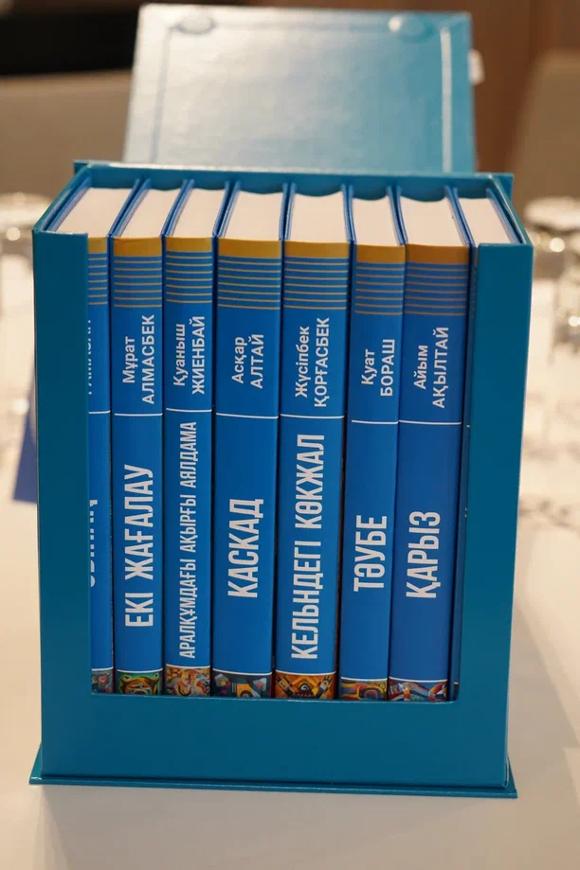
The “Modern Kazakh Novel” competition, with the support of Shukhrat Ibragimov, Chairman of the Board of Directors of Eurasian Resources Group (ERG), was launched last year as a national cultural initiative. The project was designed to stimulate the growth of contemporary Kazakh prose and foster closer ties between authors and readers. With more than 3,000 submissions, the competition highlighted the Kazakh public's interest in literature. Eight authors reached the final stage of the competition. Seven finalists were each awarded 3 million tenge ($6,300), while the winner of the grand prize received 15 million tenge ($31,500). A notable achievement of the initiative was the publication of the shortlisted works. A thousand copies of each novel were printed and officially presented to the public. Of these, 750 copies were transferred to the National Library of the Republic of Kazakhstan, allowing the books to be distributed widely through the national library network. [caption id="attachment_46360" align="aligncenter" width="300"] @ERG[/caption] The finalists were Duman Ramazan (with a novel called Trial), Kuanysh Zhienbay (The Final Stop in Aralkum), Nurzhan Kuantaiuly (Unfaithful Game), Askar Altay (Cascade), Murat Almasbek (Two Shores), Kuat Borash (Repentance), and Aiyum Akyltai (Debt). The grand prize was awarded to Zhusipbek Korgasbek for his novel The Wolf from Cologne. Plans have also been announced to adapt the work into a feature film. In his message to participants, ERG's Chairperson Shukhrat Ibragimov highlighted the value of national literature and expressed confidence in contemporary writers. He stressed that national values remain vital for younger generations, as they connect historical heritage with the demands of a rapidly evolving world shaped by innovation and digital technologies. Ibragimov also noted that one of literature’s key roles is to shape new characters that reflect the realities of each new era. In this context, such competitions create meaningful opportunities for emerging writers and help reinterpret national identity from fresh perspectives. According to jury chair Qaynar Olzhai, the initiative was initially intended to support novels written in the Kazakh language. Over the course of a year, hundreds of applications were received. From 220 promising novel projects reviewed by experts, five finalists were originally planned. However, due to the unexpectedly high quality and quantity of submissions, the sponsor agreed to expand the shortlist by adding two more finalists. [caption id="attachment_46361" align="aligncenter" width="200"] @ERG[/caption] Ultimately, every meaningful achievement is rooted in intellectual and spiritual development. From pilots and mountaineers to global business leaders, many groundbreaking ideas originate from reading and literature. In this sense, the “Modern Kazakh Novel” project is an effort to support the creative community and encourage literary innovation.

2 months ago

Frankfurt Book Fair Director: Kazakhstan Could Become Future Guest of Honor

In recent years, Kazakhstan has become increasingly active at the Frankfurter Buchmesse, the Frankfurt Book Fair. Each year, a national stand brings together publishers and literary institutions that engage with international partners and expand professional networks. Participation in this global event has supported a range of initiatives aimed at introducing Kazakh literature and culture to a broader international audience. On this occasion, we spoke with Juergen Boos, Director of the Frankfurter Buchmesse, about opportunities for entering the global publishing market and the significance of becoming a Guest of Honor at the Frankfurt Book Fair. TCA: As the world’s largest book fair, what new mission or direction is the Frankfurter Buchmesse pursuing today? Juergen Boos: Frankfurter Buchmesse today serves not only as the world’s leading marketplace for rights and content but also as a global platform for cultural exchange and professional dialogue. In a rapidly evolving geopolitical and technological environment, our mission is to strengthen international publishing networks, uphold freedom of expression, and facilitate sustainable cooperation across regions. We aim to connect established and emerging markets alike, encouraging long-term partnerships that extend well beyond the fair itself. TCA: What major changes have you observed in the global publishing industry in recent years? Juergen Boos: The publishing industry is undergoing significant structural transformation. Digital distribution channels, audio formats, evolving licensing models, and the growing application of artificial intelligence are reshaping the sector. At the same time, we are witnessing gradual diversification in the global publishing landscape. Regions that previously had limited international visibility are increasingly seeking engagement beyond their domestic markets. Central Asia is among those regions demonstrating a clear interest in strengthening its international profile, which adds valuable perspectives to the global literary conversation. [caption id="attachment_45243" align="alignnone" width="300"] Photo credit: Frankfurter Buchmesse[/caption] TCA: How are digital technologies and artificial intelligence transforming the book market? Juergen Boos: Digital technologies and AI are influencing translation processes, metadata management, copyright issues, discoverability, and market analysis both positively and negatively. On the positive side, AI can increase efficiency and expand access to content. We are already seeing AI evolve from an experimental tool into an integral part of everyday publishing practice. For me, however, literature remains fundamentally human in its origin and intention. Storytelling, cultural nuance, and intellectual depth cannot be automated. The key challenge for the publishing sector lies in integrating technological innovation responsibly while preserving creative integrity and editorial independence. TCA: Can literature help strengthen mutual understanding between nations? If so, how? Juergen Boos: Yes, I believe it can. Literature allows readers to understand other societies through lived experiences rather than political abstractions. Through translation and international circulation, books foster empathy and cultural literacy. Book fairs provide a structured professional framework for such exchange. They enable sustained relationships between publishers, authors, and institutions, thereby contributing to long-term cultural understanding. TCA: Has the importance of books and cultural dialogue increased in today’s geopolitical climate? Juergen Boos: In times of uncertainty and polarization, the role of thoughtful cultural dialogue becomes even more significant. Books create...

2 months ago

From Fairy Tales to Oxford: The Academic Path of Meruyert Bizhanova

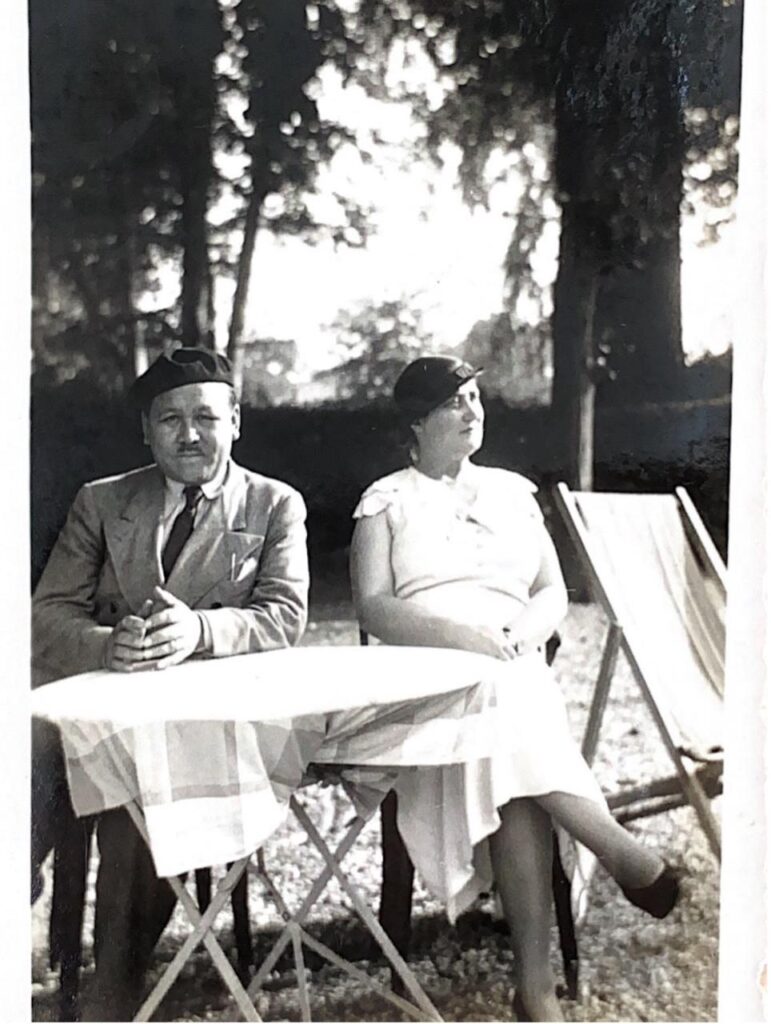
Education can change the course of a person’s life, shaping dreams and opening new horizons. The story of Meruyert Bizhanova, a young scholar from Kazakhstan who entered a doctoral program at the University of Oxford at the age of 24, is a striking example of how curiosity, determination, and mentorship can lead to remarkable achievements. A Passion for Learning from an Early Age Bizhanova’s love for learning began in early childhood. She recalls that by the time she was five years old, she had already read every fairy tale available in her school library. Reading stories and writing short narratives fascinated her, and books soon became her closest companions. Her academic development later flourished at Nazarbayev University, where supportive professors encouraged her intellectual curiosity and motivated her to pursue opportunities abroad. She particularly acknowledges the influence of mentors such as Vice-Provost Loretta O’Donnell and professors Tursonjan Tokay, Thomas Duke, Warren Rocco, and Marilyn Plumlee. According to Bizhanova, these mentors taught her the importance of discipline, dedication, and sincerity in academic work. Graduate Studies in the United States After completing her undergraduate education, Bizhanova decided to continue her academic journey internationally. She chose the University of Pennsylvania for her master’s studies, aiming to gain globally recognized academic training and deepen her research in the field of higher education. The University of Pennsylvania is widely known for its strong academic tradition in higher education policy and leadership, which closely aligns with her research interests. During her master’s program in educational leadership, Bizhanova studied international education policy, governance of higher education systems, research methodology, and leadership strategies. Beyond classroom learning, the university provided opportunities for internships, research collaborations, professional networking, and career development. Studying at one of the world’s leading universities also gave her access to a global academic community and opened new professional possibilities. [caption id="attachment_45030" align="aligncenter" width="580"] Image: personal archive[/caption] Why Oxford? For Bizhanova, the University of Oxford had long symbolized academic excellence. From childhood, she had heard of it as one of the most prestigious universities in the world. Admission to Oxford’s doctoral programs is highly competitive, and thousands of candidates apply each year, but only a small number are admitted. For example, the DPhil in Education, which Bizhanova is studying for, has approximately 200 applications per year, out of which around 38 students are selected.  Being accepted into Oxford’s doctoral program, Bizhanova says, is both an honor and a responsibility. When considering where to pursue her PhD, she realized that several Oxford scholars were conducting research closely related to her own academic interests. Her professors at the University of Pennsylvania were also familiar with these scholars and encouraged her to apply, recognizing Oxford as one of the leading centers for research on higher education. Researching the Future of Universities Bizhanova’s doctoral research focuses on universities in post-Soviet countries and how they attempt to balance teaching responsibilities with the development of scientific research. Many universities in this region inherited complex institutional traditions and governance structures from the Soviet era. Today,...

3 months ago

An Early European View of Nomadic Central Asia

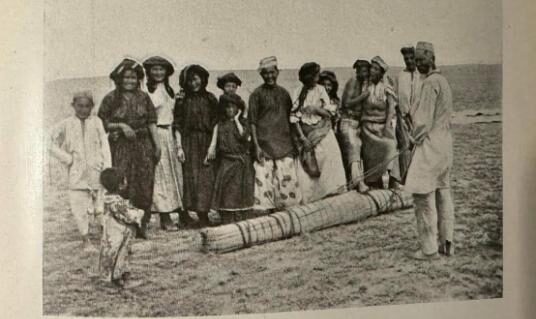
During a period when Central Asia remained largely unknown to European audiences, Among Kirghiz and Turkimans offered Western readers a rare first-hand account of the vast steppe and desert regions. The book was written in the late nineteenth century by Richard Karutz, a German traveler whose work belongs to the broader tradition of European exploratory travel literature. I first encountered this book while studying in the United States and later incorporated it into my research. A copy preserved in the library of the Catholic University of America in Washington, D.C., was published in Leipzig in 1911. Since then, it has been regarded as one of the more noteworthy works in early European writing on Central Asia. Who Was Richard Karutz? Richard Karutz was a late nineteenth-century German traveler and writer who journeyed through parts of the Russian Empire’s Central Asian territories. Though not widely known today compared to some British or Russian explorers, Karutz represents a generation of European intellectuals fascinated by the perceived “frontier zones” of empire, regions seen as remote, exotic, and culturally distinct. [caption id="attachment_44400" align="aligncenter" width="312"] Richard Karutz[/caption] He was neither a colonial administrator nor a military officer; rather, he traveled as an independent observer. His writings reflect the curiosity of an educated European shaped by the intellectual currents of his era, including Orientalism and the growing interest in ethnography. Like many travelers of his time, Karutz sought to document ways of life he believed were on the verge of transformation under imperial modernization. Across the Steppe and Desert In Among Kirghiz and Turkimans, Karutz traveled among communities then commonly referred to in Russian and European sources as “Kirghiz”, a historical term often applied to Kazakhs, as well as Turkmen tribes. His route took him across vast grasslands, caravan routes, and oasis settlements shaped by pastoral migration, tribal organization, and Islamic traditions. Rather than producing an official report or military survey, Karutz wrote in a personal and descriptive style typical of travel literature. His narrative often reads as impressionistic reflection rather than systematic analysis. He documents everyday life, including nomadic encampments and felt yurts, equestrian culture and elaborate codes of hospitality, tribal leadership and clan loyalty, as well as desert trade routes and caravan movement. Mangyshlak, a peninsula on the eastern coast of the Caspian Sea in present-day Kazakhstan, features prominently in his descriptions. Significant mineral deposits were later discovered there, leading to its designation as a “peninsula of treasures.” Mangyshlak is characterized by stark desert landscapes and was once described as a barren land consisting largely of sand and stone. In the Middle Ages, it served as a gateway for trade between East and West. The region also played a role in the early history of Turkmen communities. Karutz’s writing attempts to capture both the hardship and the quiet grandeur of steppe existence. Depicting Nomadic Society A central strength of the book lies in its attention to social organization. Karutz was particularly struck by the mobility of Kazakh life, seasonal migrations, a livestock-based economy, and...

3 months ago

U.S. Ambassador to Kazakhstan Highlights Cultural Diplomacy, AI, and Strategic Partnerships

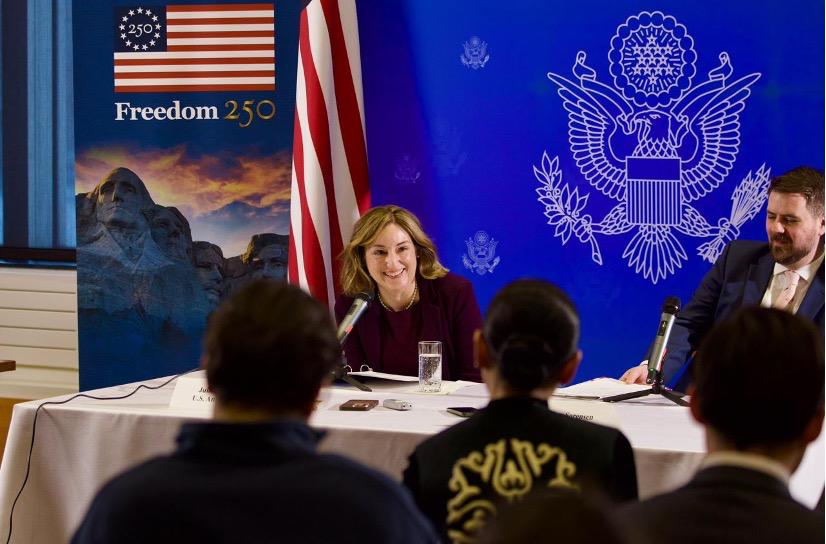
At a wide-ranging press conference at the U.S. Embassy in Astana, the recently appointed U.S. Ambassador to Kazakhstan, Julie M. Stufft, underscored the deepening ties between the United States and Kazakhstan, highlighting cooperation in cultural diplomacy, artificial intelligence, and critical minerals. “I arrived in Astana a month ago, and while the weather has been a little cold, the welcome has been very warm. It has been exciting to meet the embassy team, our colleagues in government and civil society, and the people of Kazakhstan. I am very excited to be here and already feel at home. U.S.-Kazakhstan relations are the strongest they have been in the history of our two countries,” Ambassador Stufft said. She pointed to the convergence of political, commercial, and cultural factors that make the partnership distinctive, noting that bilateral ties have evolved beyond their initial commercial foundation. Thirty-five years ago, U.S. companies began investing in Kazakhstan, she said; today, cooperation spans security, cultural exchange, and economic collaboration. A key priority for the ambassador is expanding people-to-people exchanges. “Since Kazakhstan’s independence, 22,000 Kazakh students and professionals have participated in U.S. exchange programs,” she said, adding that 3,000 Kazakh students studied in the United States last year. “We need more Americans here, and we need more Kazakhs in the United States. These ties go far beyond political diplomacy.” Ambassador Stufft also identified artificial intelligence as a major growth sector. “Already, $3.7 billion in deals with U.S. AI companies have been concluded in Kazakhstan,” she said. “This is the year of AI development in Kazakhstan. The youth here are exceptionally creative and talented. AI represents a significant area for growth.” Critical minerals featured prominently in the discussion. The ambassador described Kazakhstan as a major holder of rare-earth resources and stressed the importance of establishing reliable, transparent supply chains. “Kazakhstan is cooperating with at least 53 other countries to ensure a world market that is fair and accessible,” she said, referring to a recent ministerial meeting in Washington at which Kazakhstan’sForeign Minister Yermek Kosherbayev delivered a keynote address. [caption id="attachment_43949" align="aligncenter" width="794"] U.S. Ambassador Julie Stufft presents her credentials to President Kassym-Jomart Tokayev of Kazakhstan; image: Akorda[/caption] Addressing commercial ties, Ambassador Stufft discussed efforts to facilitate investment and mining projects, including a joint venture between U.S.-based Cove Capital and the national mining company Tau-Ken Samruk in the Karaganda region. She emphasized that such agreements are commercially driven and not politically imposed. “This is a commercial deal, and it opens the door to a new chapter in our cooperation,” she said. The press conference also touched on broader geopolitical issues. Asked about Kazakhstan’s strategic partnerships with Russia and China, Ambassador Stufft said the United States respects Kazakhstan’s multi-vector foreign policy while seeking to remain a partner of choice. On U.S. visa policy, she clarified that temporary pauses on certain immigrant visa categories were procedural and do not affect the majority of Kazakh applicants. “Hundreds of thousands of visas are issued every week,” she said, pointing to the continued growth of educational...

3 months ago