• KZT/USD = 0.00226
  • TJS/USD = 0.10830
  • UZS/USD = 0.00009
  • TMT/USD = 0.29760
  • KZT/USD = 0.00226
  • TJS/USD = 0.10830
  • UZS/USD = 0.00009
  • TMT/USD = 0.29760
  • KZT/USD = 0.00226
  • TJS/USD = 0.10830
  • UZS/USD = 0.00009
  • TMT/USD = 0.29760
  • KZT/USD = 0.00226
  • TJS/USD = 0.10830
  • UZS/USD = 0.00009
  • TMT/USD = 0.29760
  • KZT/USD = 0.00226
  • TJS/USD = 0.10830
  • UZS/USD = 0.00009
  • TMT/USD = 0.29760
  • KZT/USD = 0.00226
  • TJS/USD = 0.10830
  • UZS/USD = 0.00009
  • TMT/USD = 0.29760
  • KZT/USD = 0.00226
  • TJS/USD = 0.10830
  • UZS/USD = 0.00009
  • TMT/USD = 0.29760
  • KZT/USD = 0.00226
  • TJS/USD = 0.10830
  • UZS/USD = 0.00009
  • TMT/USD = 0.29760
26 September 2026

Our People > Timur Serikuly

Timur Serikuly's Avatar

Contributor

Articles

Water Stress: Will the Summer of 2026 Become a Turning Point for Central Asia?

The summer of 2026 is projected to be a critical and potentially decisive period for Central Asia in the context of water stress. The region is entering the growing season with significantly lower water reserves in its main river basins, the Amu Darya and Syr Darya, compared to previous years. The combined impact of climate change and rising consumption is expected to exacerbate irrigation shortages, threatening crop yields and food security. A Region Under Pressure: Water as a Strategic Factor For Kazakhstan, water is taking on an increasing strategic importance in 2026. The southern regions, Kyzylorda, Turkestan, and Zhambyl, have already entered a phase of persistent low water availability. Estimates suggest that the irrigation deficit could reach up to 1 billion cubic meters. The situation in the Syr Darya basin remains critical. Inflows are expected to fall 3.2 billion cubic meters below normal, and by the start of the growing season, total water volume may reach only 1-2 billion cubic meters, far below demand. The Shardara Reservoir, a key regional storage facility, is currently at roughly half of its design capacity. Uzbekistan faces an even more vulnerable position due to its high population density and large agricultural sector. The flow of the Amu Darya is projected to fall to 65% of its historical norm, putting food stability at risk. Tashkent is accelerating investments in canal reconstruction, as water losses during transport reach up to 40%. Against this backdrop, tensions between upstream and downstream countries could become more pronounced. Kyrgyzstan, acting as the region’s “water tower,” faces a difficult trade-off between energy security and its obligations to downstream neighbors. Low accumulation levels in the Toktogul Reservoir have constrained hydropower generation, leading to winter energy shortages and reduced summer water releases, precisely when Kazakhstan and Uzbekistan require them for irrigation. This cyclical dependency turns each growing season into a complex round of “water-for-electricity” negotiations, with diminishing room for maneuver. Tajikistan faces a similar situation in the Amu Darya basin. The Nurek Hydropower Plant is operating under strict conservation principles as reservoir levels remain several meters below previous norms. For Dushanbe, the priority remains fulfilling the Rogun project, which, under low-water conditions, raises justified concerns among downstream states. These tensions are compounded by the accelerated melting of Pamir glaciers, which currently increases water flows but poses a long-term risk of severe depletion. Turkmenistan is also expected to experience acute water stress in 2026. In the Ahal and Mary regions, pasture degradation and limited irrigation are reducing livestock numbers and grain yields. The government is investing in dredging the Karakum Canal and constructing small desalination plants, but these measures only partially offset declining Amu Darya flows. An additional destabilizing factor is Afghanistan’s Qosh-Tepa Canal project. By summer 2026, its impact on the Amu Darya basin is expected to become physically noticeable. Estimates state that unregulated water withdrawals could reduce downstream flows by 15-25%. Afghanistan’s absence from regional water-sharing agreements creates a legal vacuum that existing mechanisms cannot address. As a result, Central Asia is...

5 months ago

Investments, Resources, and Digital Transformation: How Central Asia Can Preserve Its Strategic Balance

Rising global demand for critical resources, the accelerating green transition, and the digitalization of the economy are turning Central Asia from a peripheral region into one of the key arenas of geoeconomic competition. Kazakhstan and its neighbors are increasingly in the focus of the United States, China, the European Union, and the Gulf states—as sources of raw materials, sites for infrastructure projects, and markets for the implementation of digital solutions. Under these conditions, the key question is no longer the volume of investment, but control over its quality, structure, and long-term consequences. The resource factor: from raw materials to a geoeconomic asset Central Asia is now becoming a strategic storehouse for the global green transition and high-tech industries. The region possesses enormous reserves of critical raw materials: Kazakhstan leads the world in uranium production, at about 40% of the global market, while deposits of copper, lithium, cobalt, uranium, and rare metals across Kazakhstan and the wider region are making Central Asia an increasingly important link in clean-energy and high-tech supply chains. Investment activity in the extractive sector is stimulating the development of related high-tech industries within the region. Global players are increasingly coming not simply for raw materials, but with proposals to localize processing. Thus, in November 2024, Kazakhstan’s first tungsten processing plant began operating at the Boguty deposit in the Almaty region. The project, valued at $300 million, is being implemented by Aral Kegen, a subsidiary of Jiaxin International Resources Investment. In addition, in the East Kazakhstan region, with the participation of the German mining company HMS Bergbau AG, two new industrial enterprises specializing in lithium extraction and processing are planned by 2029. Work is underway on the construction of a mining and processing plant, as well as a pegmatite ore processing facility. This allows the countries of the region to move away from the “quarry” model toward the model of a technological hub, where natural wealth becomes leverage for gaining access to Western and Eastern innovation. Investment transformation: from capital to ecosystems The traditional model, focused on extraction, is gradually giving way to the formation of value-added ecosystems. This presupposes the development of processing, the creation of high-tech production, and the formation of a scientific base. Kazakhstan’s national companies, such as Tau-Ken Samruk, Kazatomprom, and KazMunayGas, act as a strategic “anchor” for foreign capital, taking on the primary risks and bureaucratic burden. They absorb part of the early project risk, from licensing and exploration to infrastructure and coordination with the state, making entry into Kazakhstan easier for major foreign investors. This allows the state to retain control over strategic assets while using private capital for accelerated modernization of the sector. The main emphasis today is shifting from raw material extraction to the localization of higher value-added stages. Through the creation of joint ventures, national companies are introducing Western technologies and building plants with high added value, from the production of nuclear fuel assemblies to the manufacture of polyethylene and metal refining. In this way, they integrate Kazakh business...

6 months ago

Kazakhstan Navigates a Fragmented Global Space Race

The United States, China, Russia, and Europe are pursuing different models of space strategy, ranging from institutional leadership to technological autonomy. At the same time, the number of middle powers that view space as a tool for economic development and the strengthening of sovereignty is growing. In this context, a multi-level system is emerging in which the architecture of near-Earth space is becoming an element of the global balance of power. For Kazakhstan, these changes are of direct importance. The country possesses a unique infrastructure asset, the Baikonur Cosmodrome, and is gradually developing its own satellite and manufacturing capabilities. However, amid the fragmentation of the global space order, the question of strategic choice is becoming increasingly pressing. Will Kazakhstan remain primarily an infrastructure hub, or will it build a sustainable national model for participation in the evolving space architecture? Models of Space Strategies The United States remains the world’s leading space power in terms of funding and launch frequency. Total government space spending, including allocations for NASA, the U.S. Space Force, and intelligence programmes, reached a record $79.7 billion in 2024 out of approximately $135 billion in global government space spending. A defining feature of the U.S. model is the close integration between government institutions and the private sector. Companies such as SpaceX and Blue Origin have become integral to national strategy, helping to reduce launch costs and accelerate innovation. A central component of the current phase is the Artemis lunar programme. The Artemis II mission is planned to conduct a crewed flyby of the Moon, while Artemis III is intended to return humans to the lunar surface using a landing system being developed by SpaceX. China’s space strategy is built on the concept of long-term technological sovereignty and the phased expansion of its presence in space. Deployment began in 2021, and the three-module Tiangong space station was completed in 2022. Chinese astronauts now conduct scientific experiments and test technologies for long-duration missions in low Earth orbit. In lunar exploration, China is implementing a step-by-step research programme that includes returning soil samples and advancing plans for an international lunar research station. The Tianwen-1 Mars mission, which included the landing of the Zhurong rover, demonstrated the country’s capacity to carry out complex interplanetary operations independently. Amid sanctions pressure and reduced international cooperation, Russia’s space strategy is focused on ensuring independent access to space, maintaining orbital infrastructure, and preserving key capabilities in human spaceflight. Despite ongoing uncertainty over its long-term involvement, Russia continues to participate in the International Space Station programme, conducting regular crewed launches and sending Progress cargo spacecraft. At the same time, work is underway on the planned Russian Orbital Station (ROS), with initial deployment planned for the late 2020s. The project is viewed as an important step in preparing for future missions, including potential lunar initiatives. Europe’s space strategy emphasises strategic autonomy alongside broad international cooperation. In addition to traditional Ariane and Vega launch vehicles, European countries are investing in commercial startups such as Isar Aerospace and Orbex, which...

6 months ago

Soft Power in Times of Geopolitical Turbulence: Kazakhstan’s Strategy as a Middle Power

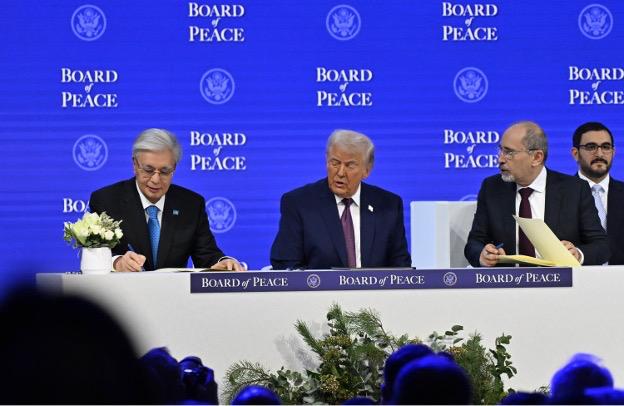
For Kazakhstan, deeply embedded in global supply chains and international investment flows, soft power is evolving from an image-building asset into a strategic instrument of resilience. In an era of globalization, when even geographically distant conflicts can directly threaten national infrastructure and economic security, Astana’s ability to leverage institutional initiatives and investment interdependence as a form of diplomatic protection has become a decisive advantage. Over the long term, stability tends to characterize states whose infrastructure and economic interests are deeply interconnected with those of major global centers of power. A middle power and rational diplomacy Kazakhstan’s status as a middle power is not a matter of ambition, but a deliberate choice in favor of rational diplomacy, where flexibility and institutional engagement serve as key resources. Multilateral dialogue with the U.S., Russia, China, the EU, Turkey, and countries of the Middle East is being developed not as situational maneuvering but as a core strategy for minimizing external risks and preserving sovereignty. It is precisely the combination of proactive soft power, political neutrality, and economic openness that allows Kazakhstan to transform geopolitical turbulence into a strategic advantage, positioning the country as an indispensable hub of international stability. Ultimately, the rational diplomacy of a middle power transforms the country’s geographical position from a potential zone of conflict into a platform for dialogue, where pragmatism and institutional mediation become the principal guarantees of national sovereignty. The Ukrainian case: infrastructure protection as an element of soft power Developments surrounding Russia's war in Ukraine illustrate how Kazakhstan’s soft power can function as a form of economic protection. The attacks on infrastructure in the Novorossiysk area, through which the Caspian Pipeline Consortium exports oil, highlighted a distinctive mechanism for safeguarding national interests through investment interdependence. Strikes near the Black Sea hub posed a direct threat not only to logistics but also to the assets of major American investors in Kazakh energy projects, including Tengiz. According to reports cited in public discussions, the U.S. urged Ukraine to take into account the interests of American investors in Kazakhstan. If confirmed, such a step would represent an important precedent: even amid an intense military conflict, global actors remain attentive to protecting the economic interests tied to Kazakhstan’s energy infrastructure. For Astana, this episode illustrates how decades of building strategic relations with Western partners have created a significant layer of economic security. In this context, soft power manifests itself as a form of “investment protection,” discouraging actions that could damage oil production or transport infrastructure linked to global stakeholders. Institutionalizing neutrality: why Kazakhstan needs a Board of Peace The creation of the Board of Peace by U.S. President Donald Trump and Kazakhstan’s active participation signals Kazakhstan’s transition from ad hoc mediation toward a more structured institutional architecture of soft power. The signing of the Board of Peace Charter by President Kassym-Jomart Tokayev formally embeds peacebuilding activities within the state’s foreign policy framework. Kazakhstan’s developing participation in this initiative is also linked to its experience hosting the Congress of Leaders of World...

7 months ago

Central Asia and the Global Water Crisis: A Test of Governance and Cooperation

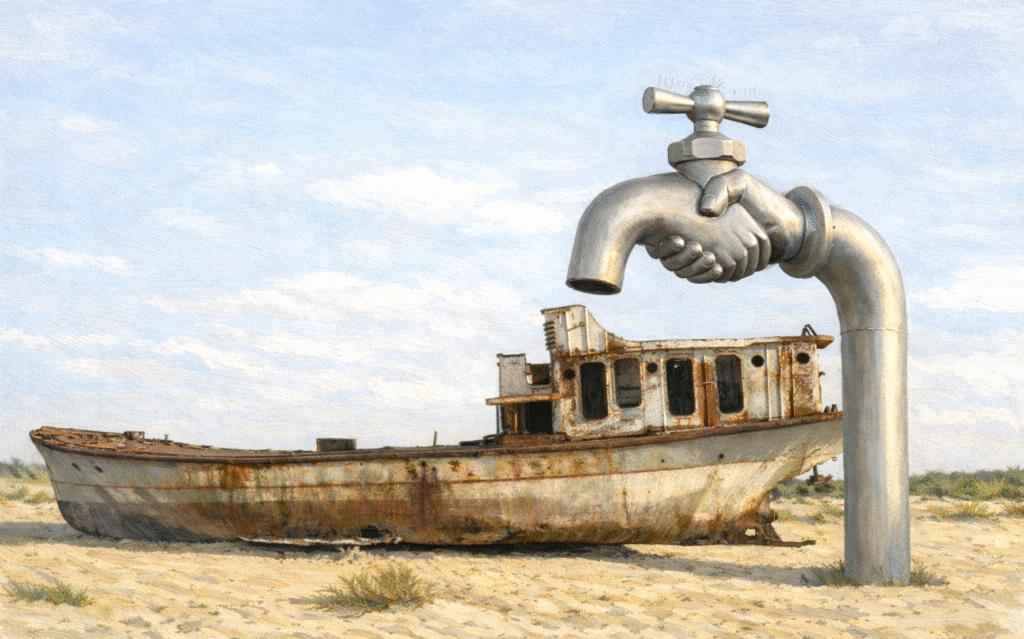
Water scarcity is rapidly transforming from a regional environmental concern into one of the defining global security challenges of the 21st century. UN-linked assessments estimate that around four billion people experience severe water scarcity for at least one month each year, and nearly three-quarters of the global population lives in countries facing water insecurity. Against this backdrop, Central Asia is not an exception but rather a concentrated example of global dynamics: climate pressure, population growth, and inefficient resource management. Regional initiatives, including proposals put forward by Kazakhstan, therefore have the potential to contribute not only to stability in Central Asia but to the development of a more coherent global water governance architecture. The Water Crisis as a Global Reality Water is increasingly regarded as a strategic resource on par with energy and food. Climate change is intensifying droughts, floods, and the degradation of aquatic ecosystems across all regions, from Africa and the Middle East to South Asia, Europe, and North America. Recent mapping and analysis by investigative groups and international media indicate that half of the world’s 100 largest cities experience high levels of water stress, with dozens classified as facing extremely high levels. Major urban centers, including Beijing, New York, Los Angeles, Rio de Janeiro, and Delhi, are among those under acute pressure, while cities such as London, Bangkok, and Jakarta are also categorized as highly stressed. In this context, Central Asia is not an outlier. It is confronting today what may soon become the global norm. Central Asia: Where Global Trends Converge A defining feature of the current environmental situation is that factors beyond natural ones drive the water crisis. Experts increasingly stress that shortages are often less about absolute physical scarcity and more about outdated management systems, infrastructure losses, and inefficient consumption patterns. In this respect, Central Asia can be seen as a testing ground for global water challenges, where multiple stress factors converge. The region, with mountain peaks exceeding 7,000 meters, contains some of the largest ice reserves outside the polar regions. The Pamir and Hindu Kush ranges, together with the Tibetan Plateau, the Himalayas, and the Tien Shan, form part of what is sometimes referred to as the “Third Pole,” the largest concentration of ice after the Arctic and Antarctic. [caption id="attachment_13410" align="aligncenter" width="2560"] The White Horse Pass, Tajikistan; image: TCA, Stephen M. Bland[/caption] However, the pace of change is alarming. By 2030-2040, water scarcity in Central Asia risks becoming chronic. Glaciers in the Western Tien Shan, for example, have reportedly shrunk by roughly 27% over the past two decades and continue to retreat, posing a direct threat to the flow of the Amu Darya and Syr Darya rivers. These rivers increasingly fail to reach the Aral Sea in sufficient volume, while the exposed seabed has become a major source of salt and dust storms. [caption id="attachment_21928" align="aligncenter" width="2560"] Moynaq, Karakalpakstan; image: TCA, Stephen M. Bland[/caption] Infrastructure inefficiencies compound the problem. Estimates suggest that in some systems, 40-50% of water can be lost in deteriorating...

7 months ago

The “Central Asia 2030” Roundtable in Astana: From External Interest to Regional Choice

Discussions about Central Asia’s long-term strategic future are increasingly shifting from a focus on external attention to one of growing regional agency. On Monday, Astana International University hosted the first roundtable in the series Central Asia 2030: Strategic Horizons and Regional Choices. Speakers included Andrew D’Anieri, Deputy Director of the Atlantic Council’s Eurasia Center; Yerkin Tukumov, Special Representative of the President of Kazakhstan; Ambassador-at-Large Zulfiya Suleimenova; and Dauren Aben, Deputy Director of the Kazakhstan Institute for Strategic Studies under the President of Kazakhstan. Pragmatism, Regional Choice, and the Logic of the “Grand Bargain” In his remarks, Andrew D’Anieri emphasized that Central Asia is increasingly viewed in the U.S. not as a peripheral zone but as an independent strategic partner. He noted that “environmental, water, and climate issues considered within a regional framework are fully supported by the U.S.” However, he added that “long-term commercial and investment projects are impossible without long-term stability, which in turn requires coordination between neighbors, engagement on sensitive issues, and pragmatic regional cooperation.” D’Anieri also pointed to Afghanistan as “an integral part of regional logic,” and described formats such as C5+1 as evidence of Central Asia’s growing subjectivity. He highlighted the first-ever C5+1 summit at the presidential level in Washington as a landmark event, especially under the administration of Donald Trump, known for its preference for bilateral over multilateral formats. Trump and the Possibility of a Visit: Only with a “Big Deal” When asked whether a visit by President Trump to Central Asia is realistic, D’Anieri offered a candid assessment: “Such a visit is only possible if there is a large, symbolically and economically significant deal.” Whether in aviation, technology, or infrastructure, these high-visibility projects are typically what draw Trump’s engagement. He added that “the region has work to do in developing a package of initiatives that could interest the U.S. president and justify a high-level visit.” Potential areas include mining, transport, and logistics. Reframing Afghanistan’s Role in the Region Special Representative Yerkin Tukumov focused on the importance of reframing the region’s relationship with Afghanistan. For too long, he said, Afghanistan has been viewed primarily “through the prism of security threats,” resulting in a narrow and often misleading approach. Tukumov argued for a broader, more pragmatic view that considers economic, humanitarian, and cross-border dimensions. He described the C5+1 format not as a replacement for bilateral diplomacy, but as “an additional level of coordination where Central Asia can speak with a more consolidated voice without losing national autonomy in foreign policy.” He stressed the need to move beyond “ideological and declarative approaches,” toward practical, interest-based mechanisms of cooperation. Ecology, Water, and the Case for a Global Water Agency Ambassador-at-Large Zulfiya Suleimenova addressed the strategic urgency of regional coordination on water and climate. She emphasized that “water issues are transboundary in nature,” and that efforts to resolve them solely within national frameworks are bound to fall short. “Regional coordination in Central Asia is not a political slogan, but a functional necessity,” she said. Suleimenova argued that jointly promoting...

8 months ago

Speed vs. Stability: How Kazakhstan Is Leading Eurasia’s Transit Race

China’s successful test of a maglev platform weighing about one ton, accelerating to 700 kilometers per hour in just two seconds, once again underscored Beijing’s technological ambitions in the transport sector. With more than 50,000 kilometers of high-speed rail connecting cities such as Beijing, Shanghai, Guangzhou, Shenzhen, and Chengdu, China is paving the way for the next generation of mobility. Yet beyond China's borders, speed alone is no longer the decisive factor. In Eurasia and particularly in Central Asia, stability, predictability, and reliability have become the primary metrics for transit success. Within this context, Kazakhstan is positioning itself as a central hub in Eurasia’s evolving logistics landscape. China’s High-Speed Model vs. Eurasia’s Freight Realities Inside China, Fuxing high-speed trains and maglev routes have transformed domestic connectivity, forming the backbone of national economic integration. However, exporting this model faces inherent limitations. High-speed passenger lines require dedicated tracks, strict safety protocols, and massive investment factors incompatible with most of Eurasia’s existing freight-centric rail infrastructure. As a result, the China-Central Asia-Europe corridor is focused on accelerated freight movement. The goal is not maximum speed, but consistent delivery times, reliable scheduling, and minimal disruption, elements vital to modern supply chains. Kazakhstan’s Strategic Role in Eurasian Land Transit Kazakhstan serves as a critical artery for China's westward land transit. Key corridors to the Eurasian Economic Union, Europe, and Central Asia, including the Middle Corridor, traverse Kazakh territory. In the first ten months of 2025, Kazakhstan's State Revenue Committee reported that more than 11 million tons of goods were transited from China through Kazakhstan, marking double-digit growth year-on-year. This success stems not only from increased volume but from qualitative improvements in transit management. Digitalization has been pivotal. An automated system for filing and issuing transit declarations has slashed processing times from several hours to just 30 minutes per container train, facilitating the clearance of millions of tons of cargo. For businesses, this translates into lower costs and more reliable delivery schedules -- an essential factor amid ongoing global economic uncertainty. These institutional upgrades are reinforced by infrastructure investment. According to Kazakhstan’s Ministry of Transport, cargo transportation volumes have reached record levels, with steady growth in transit flows. Projects like the Dostyk-Moyinty line and the Almaty bypass are specifically designed to expand transit capacity. Why High-Speed Passenger Rail Isn’t on the Agenda Given China’s high-speed rail successes, some may question why similar routes are not planned between China and Kazakhstan. However, in the near term, such initiatives remain economically and logistically unfeasible. Existing rail lines in the region prioritize freight and mixed-use traffic, falling short of the standards required for high-speed passenger transport. Building separate lines would demand significant capital and a stable passenger base, conditions that currently do not exist. Freight transit, aligned with the Belt and Road Initiative, remains the primary focus. Unlocking the Caspian Bottleneck Despite the growth in rail transit, the Caspian Sea route remains a capacity bottleneck. Plans to build a new seaport in the Karakiyansky district of Mangistau region, through a...

8 months ago

Opinion: Prospects for Central Asia’s Access to Persian Gulf Infrastructure

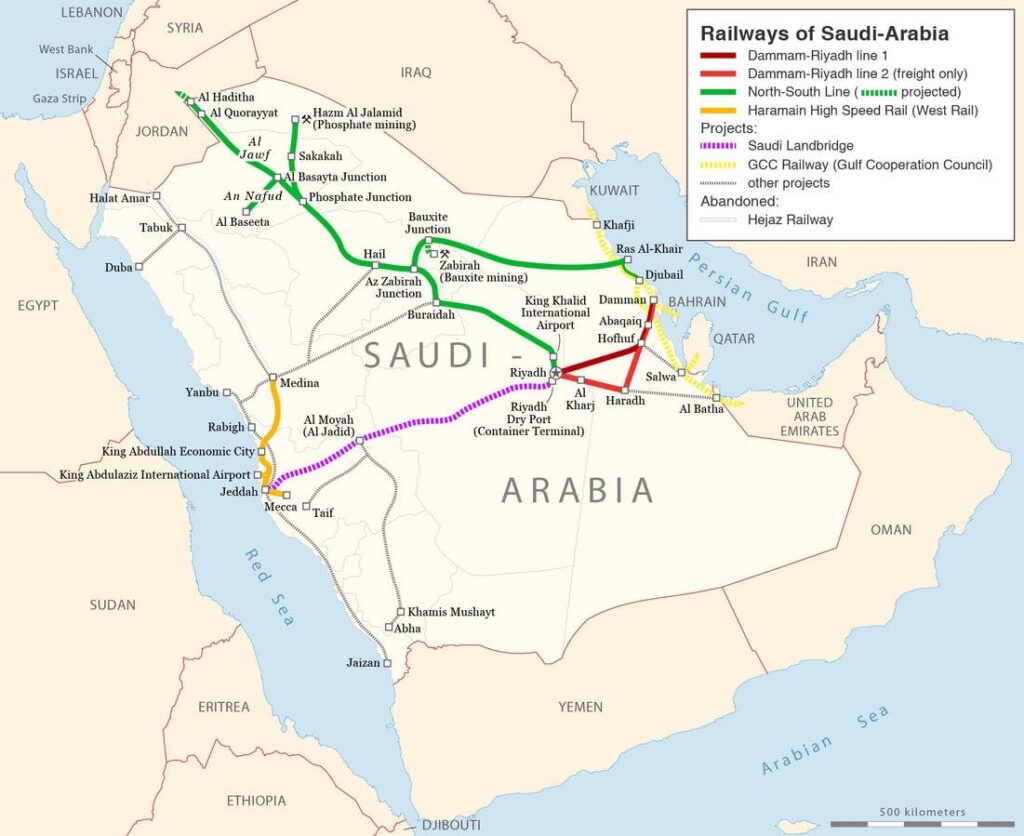
The agreement signed on December 8, 2025, between Saudi Arabia and Qatar to construct a high-speed railway linking Riyadh and Doha marks a pivotal development in transport connectivity across the Persian Gulf. Beyond its bilateral implications, the project could have broader consequences for transregional logistics, particularly for Central Asia and Kazakhstan. The 785-km railway will pass through key cities in Saudi Arabia’s Eastern Province, including Dammam and Al-Hufuf, and will connect King Salman and Hamad International Airports. Trains are expected to reach speeds exceeding 300 km/h, reducing travel time between the two capitals to approximately two hours. The six-year project is projected by officials to boost the combined GDP of both countries by around $30 billion and create up to 30,000 jobs. The Gulf Railway and New Regional Connectivity The Riyadh-Doha line is a central element of the Gulf Railway initiative, which is seeking to establish a unified railway network among Gulf Cooperation Council (GCC) member states, Saudi Arabia, Qatar, the UAE, Bahrain, Kuwait, and Oman, with a target date of around 2030. Originally envisioned primarily as a freight system, the Gulf Railway is increasingly incorporating high-speed passenger services alongside freight, reflecting the region’s push for greater internal integration and reduced dependence on air travel. The Riyadh-Doha segment forms a vital axis between the Gulf’s political and financial hubs and is expected to link with Saudi, Emirati, and Omani infrastructure, laying the groundwork for a more integrated regional transport system. Beyond the Peninsula While the Gulf Railway’s scope is geographically confined to the Arabian Peninsula, meaningful integration with Eurasia would require additional connectivity, particularly via land and multimodal routes through Iran, Turkey, and the Caspian region. Among these, the overland corridor through Iran is especially significant, though constrained by sanctions, financing risks, and political uncertainty. Kazakhstan-Turkmenistan-Iran Corridor Unlike many conceptual infrastructure proposals, the Kazakhstan-Turkmenistan-Iran railway, operational since 2014, is already a functioning freight corridor. It provides Central Asian nations with direct access to Persian Gulf ports and Middle Eastern markets. For Kazakhstan, the route offers strategic diversification away from traditional corridors. While no formal plans exist to link GCC rail infrastructure directly with Central Asia, the emergence of high-capacity Gulf rail corridors reshapes the long-term connectivity landscape. A future interface could allow Astana overland access to Gulf markets, while enabling reciprocal flows from the Gulf into Central Asia, China, and Europe. President Kassym-Jomart Tokayev has previously described Iran as a “gateway” to Southeast Asia and Africa. Kazakhstan has also outlined plans to establish its own logistics terminal in the Iranian port of Shahid Rajai in Bandar Abbas, further enhancing its position in Gulf-Eurasia trade flows. Iran’s Evolving Role Historically, Iran’s role as a transit state has been hampered by international sanctions and regional tensions. However, the 2023 normalization of relations between Saudi Arabia and Iran, brokered by China, has altered the regional calculus. Although still fragile, this diplomatic thaw improves prospects for long-term infrastructure projects involving Iran as a critical transit link between the Persian Gulf and Eurasia. Alternatives and Their...

9 months ago

Protecting Critical Infrastructure: Lessons from the CPC Drone Attack

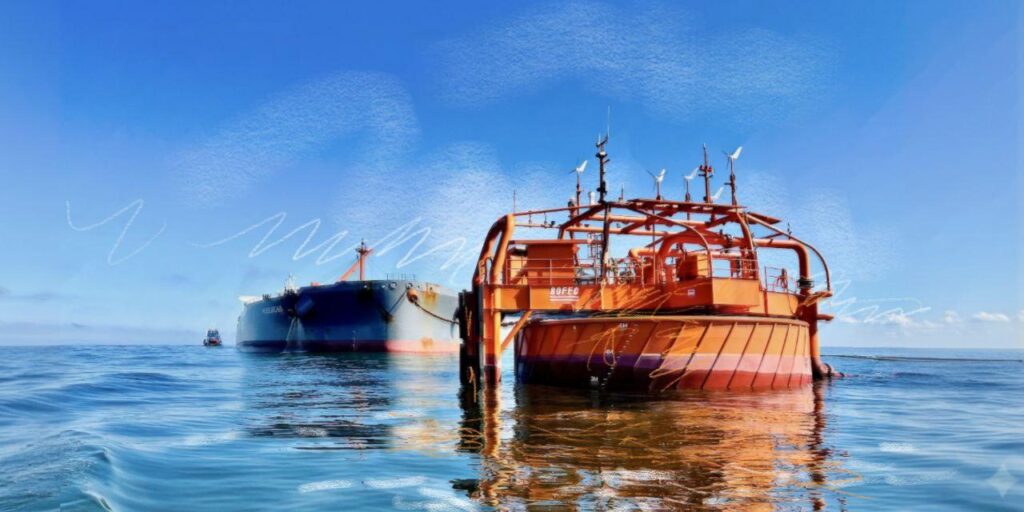
The attack by naval drones on the infrastructure of the Caspian Pipeline Consortium (CPC) on 29 November was an alarming signal, not only for Kazakhstan but for the global energy sector. The temporary suspension of shipments and the shift to operating through a single remote mooring facility struck at the heart of Kazakhstan’s economy. Around 80% of Kazakhstan’s oil exports – generating roughly 40% of its export revenues – pass through the CPC, which has handled over 60 million tons of crude annually in recent years. The vulnerability of CPC infrastructure serves as a reminder of how tightly global energy security is intertwined with regional conflicts. The consortium not only carries Kazakh crude; it also plays a stabilizing role for several international stakeholders, including European refiners and multinational shareholders, such as Chevron and ExxonMobil. Any prolonged disruption would reverberate across global markets, raising transport premiums, tightening supplies in Southern Europe, and undermining confidence in the safety of trans-Eurasian energy routes. For a world already grappling with supply shocks, the Novorossiysk incident underscored how the effects from a single strike can ripple far beyond the immediate impact zone. At the same time, the incident revealed a broader and more urgent issue. Military operations are not supposed to target civilian infrastructure, particularly when it belongs to neutral third parties uninvolved in the conflict. While international humanitarian law (IHL) explicitly prohibits attacks on such facilities unless they are being used for military purposes, the reality on the ground is far less clear-cut. In contemporary conflicts, the line between civilian and military use can blur quickly, creating space for competing interpretations and contested justifications. The Legal Grey Zone of Modern Warfare Although the legal framework is clear on paper, its practical application has become increasingly strained in recent conflicts. The increasing use of drones, long-range precision munitions, and cyber tools has blurred the distinction between civilian and military infrastructure and has outpaced the mechanisms designed to protect them. Energy pipelines, ports, and terminal facilities - which once lay far from the frontlines - can now be struck at minimal cost and with limited attribution. This technological shift has opened a grey zone that existing IHL was never designed to manage, heightening the urgency for clearer norms and enforcement tools. The real challenge lies not in the absence of legal norms but in the lack of mechanisms to enforce them, particularly in cases where neutral countries’ assets become collateral damage. There is, therefore, an argument for the introduction of a new international legal framework – or supplementing existing provisions via a UN protocol – to safeguard critical infrastructure. This is especially relevant in an era of precision weapons and drone warfare, where pipelines, energy terminals, and logistics hubs increasingly fall within potential strike zones. Yet the implementation of such a framework faces complications. Under existing IHL, dual-use infrastructure, such as pipelines that may carry resources for both civilian and military use, can be deemed legitimate military targets. Ukrainian officials have justified strikes on Russian energy...

10 months ago

Central Asia’s Digital Currency Ambitions: New Opportunities and Old Constraints

Central Asia is entering a period of accelerated financial transformation. Kyrgyzstan has launched one of the world’s first state-backed gold-backed stablecoin, USDKG, a digital asset fully backed by physical gold and issued under the direct supervision of the Ministry of Finance. Simultaneously, Kazakhstan is advancing one of the most mature central bank digital currency (CBDC) initiatives in the post-Soviet space: the digital tenge (national currency). Uzbekistan is developing its own digital economy framework, while Tajikistan and Turkmenistan are slowly initiating financial modernization. Amid these developments, Central Asia is emerging as a surprisingly bold laboratory for digital finance. This raises a pressing question: can the region develop a unified digital currency ecosystem that reduces dollar dependency, facilitates cross-border transactions, and enhances economic sovereignty? Strategic Logic of Digital Integration The idea of a regional digital currency is no longer utopian. Central Asia is one of the world's most significant hubs for cross-border remittances. In 2024 alone, migrants sent back a record $5.8 billion to Tajikistan (45% of GDP), approximately $15 billion to Uzbekistan, $2.9 billion to Kyrgyzstan, and $258 million to Kazakhstan. The current system is costly, slow, and heavily reliant on the dollar. Digital currencies could drastically reduce transaction costs for both migrant workers and businesses. In remote areas, where banking infrastructure is underdeveloped, cash still dominates. CBDCs could allow citizens to access state payment services directly, bypassing commercial banks. Digital finance also offers protection against external economic shocks, sanctions, and volatility. Coupled with the digitalization drives in Kazakhstan, Uzbekistan, and Kyrgyzstan, and regional integration ambitions, such as Uzbek President Shavkat Mirziyoyev’s proposal to create a Central Asian Community, conditions are forming for financial cooperation. Diverse National Models Approaches to digital currency vary significantly. Kazakhstan’s digital tenge, led by the National Bank, emphasizes institutional stability, security, and integration with existing banking systems. A full launch is expected by the end of 2025. Kyrgyzstan has taken a more unconventional route. Its USDKG stablecoin, built on the Tron blockchain and backed by gold, aims to assert financial autonomy. However, it raises concerns about transparency, sustainability, and the reaction of traditional banks. A gold-backed stablecoin also directly challenges dollar dominance. Crypto analysts such as Ryan Adams speculate that Washington may be monitoring Kyrgyzstan’s experiment closely, fearing it could inspire similar moves in India, China, and Brazil. Uzbekistan is advancing its digital economy cautiously. While its government maintains strict cryptocurrency controls, this regulatory clarity may lay groundwork for a CBDC, though it limits space for innovation. Tajikistan and Turkmenistan remain on the sidelines, but rising demographic pressures, migration, and logistics projects are nudging both toward digital finance. The lack of coordination among these models represents both an opportunity for experimentation and a barrier to integration. Key Challenges Despite growing momentum, the road to a unified digital architecture in Central Asia remains fraught. The first major obstacle is regulatory fragmentation. Digital currencies require legal reforms across currency legislation, taxation, customs, and anti-money laundering/counter-financing of terrorism (AML/CFT) protocols. At present, each state operates independently, making regional harmonization...

10 months ago