• KZT/USD = 0.00220
  • TJS/USD = 0.10860
  • UZS/USD = 0.00008
  • TMT/USD = 0.29850
  • KZT/USD = 0.00220
  • TJS/USD = 0.10860
  • UZS/USD = 0.00008
  • TMT/USD = 0.29850
  • KZT/USD = 0.00220
  • TJS/USD = 0.10860
  • UZS/USD = 0.00008
  • TMT/USD = 0.29850
  • KZT/USD = 0.00220
  • TJS/USD = 0.10860
  • UZS/USD = 0.00008
  • TMT/USD = 0.29850
  • KZT/USD = 0.00220
  • TJS/USD = 0.10860
  • UZS/USD = 0.00008
  • TMT/USD = 0.29850
  • KZT/USD = 0.00220
  • TJS/USD = 0.10860
  • UZS/USD = 0.00008
  • TMT/USD = 0.29850
  • KZT/USD = 0.00220
  • TJS/USD = 0.10860
  • UZS/USD = 0.00008
  • TMT/USD = 0.29850
  • KZT/USD = 0.00220
  • TJS/USD = 0.10860
  • UZS/USD = 0.00008
  • TMT/USD = 0.29850
03 November 2026

Our People > Yulia Yermasheva

Yulia Yermasheva's Avatar

Journalist

Yulia Yermasheva is a Kazakhstani journalist specializing in data journalism.

Articles

Kazakhstan Signs Alatau City Agreements With $1.3 Billion Investment Potential

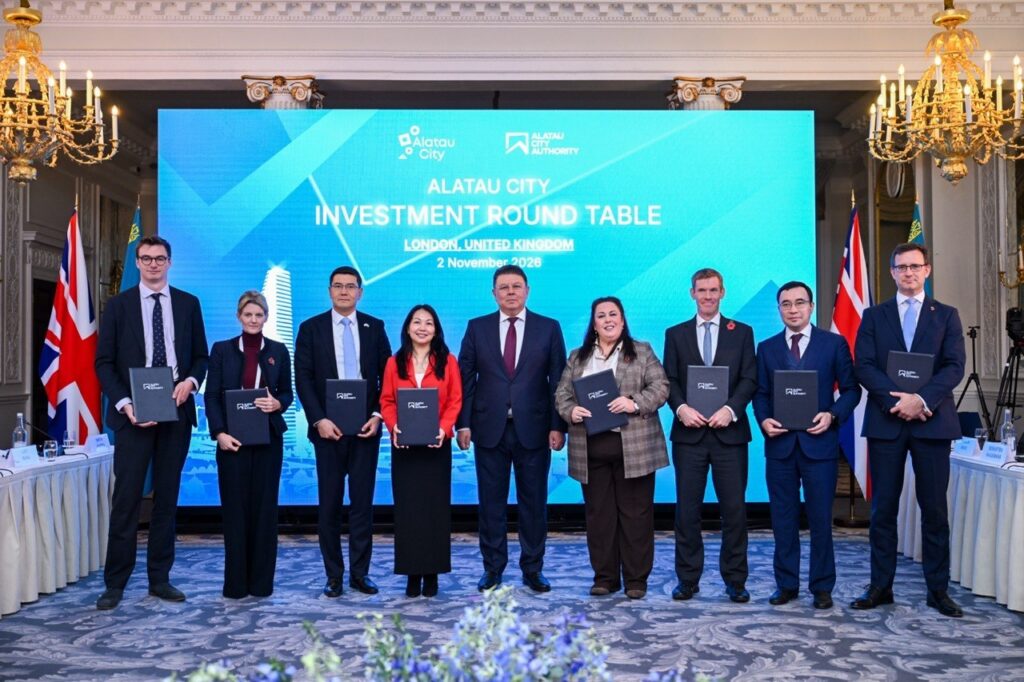
Kazakhstan has signed nine agreements with international partners in London to support the development of Alatau City in Almaty Region. The government estimates their combined investment potential at $1.3 billion. The agreements cover infrastructure construction and the development of education and healthcare. The agreements were signed at the Alatau City Investment Roundtable, which launched Kazakhstan’s European investment tour. The delegation was led by Deputy Prime Minister Kanat Bozumbayev. Representatives of more than 70 companies, banks, and investment funds attended the meeting, including JPMorgan Chase, BP, AstraZeneca, and Brookfield Asset Management. Plans under consideration include opening educational institutions in Alatau City with the participation of the University of Exeter, Brighton College, and Repton Group. Cooperation with AstraZeneca and Crescent Meditours covers healthcare projects and scientific exchanges. Discussions on financing energy, transport, and utility infrastructure were held with the London Stock Exchange, Société Générale, J.P. Morgan, Brookfield, and the European Bank for Reconstruction and Development. Alatau City has a special legal regime established by a constitutional law dated May 8, 2026, which allows principles of the law of England and Wales to be applied to certain legal relationships. Meetings with international law firms addressed the establishment of an investment court, international arbitration, public-private partnerships, and digital asset regulation. Alatau is located near Almaty, along transport routes connecting Kazakhstan and China. The project envisions the development of industrial, logistics, business, and residential districts. According to the government, the city’s investment portfolio includes 67 projects worth approximately $6.9 billion, with an estimated 55,000 jobs to be created. Another 28 engineering and transport infrastructure projects, valued at 35.3 billion tenge, cover the construction of roads and electricity, gas, and water supply networks. Following the London meetings, the Kazakh delegation will continue its investment discussions in Germany. Alatau City was also presented to American investors at Kazakhstan Finance Day in New York. Discussions there focused on the city’s special legal regime, financial instruments, and private capital participation in its development.

2 hours ago

Central Asian Cinema Showcased at Asian Film Festival Barcelona

A young Kazakh couple who fake a terminal illness to raise money online are at the center of Sicko, one of several Central Asian films screened at this year's Asian Film Festival Barcelona. The festival, which concluded on November 1, also featured the award-winning Kyrgyz drama Kurak and other productions from across the region. Organized by the Spanish cultural institution Casa Asia, the festival ran from October 22 to November 1. Its program included more than 100 films from 25 countries across Asia and the Pacific. Although India was the main focus, organizers also highlighted Central Asian cinema, with productions from Kazakhstan, Kyrgyzstan, Tajikistan, and Uzbekistan. The Kazakh satirical thriller Sicko (2025), directed by Aitore Zholdaskali, competed in the festival's official competition. Set in Almaty, the film follows the couple as their fundraising scam attracts far more attention than they anticipated. The film addresses the pressures of debt and shows how social media can turn public sympathy into a source of income. It made its international premiere at the International Film Festival Rotterdam earlier this year. The second Kazakh film was Crickets, It's Your Turn, a Kazakhstan-France co-production directed by Olga Korotko. A young photographer named Merey is invited to a birthday party at a secluded house in the mountains outside Almaty. There, she encounters a group of men, and the gathering gradually descends into violence. The film had its world premiere at Switzerland's Locarno Film Festival in 2024, in the Cineasti del Presente section, which showcases emerging filmmakers. In Barcelona, it competed in the NETPAC section, named after the international Network for the Promotion of Asian Cinema. The screening took place on October 30. Farz (2026), directed by Sarvar Karimov, was Uzbekistan's contribution. The film follows a man who sacrifices the money he has saved for a pilgrimage to Mecca to build a home for his late friend's family. It screened on October 27 in the festival's Special Section, having previously featured at the Kazan International Film Festival. Kyrgyzstan was represented by Kurak (2025), a drama directed by Erke Dzhumakmatova and Emil Atageldiev. The title refers to traditional Kyrgyz patchwork sewing, in which individual pieces of fabric are joined to create a single textile. The film similarly weaves together several stories. One woman is blackmailed by a law enforcement officer, while another seeks justice following the suicide of her 18-year-old daughter after she was drugged and raped. The dramatized scenes are interwoven with real testimonies from women. By the time it screened in Barcelona, Kurak had already won several international awards. In 2025, it received two awards at the Busan International Film Festival in South Korea. In 2026, it won Best Film at the Dhaka International Film Festival in Bangladesh and received the international jury's Grand Prix, along with the critics' and high school jury awards, at the Vesoul International Film Festival of Asian Cinemas in France. Despite its success abroad, Kurak faced obstacles in Kyrgyzstan. The Times of Central Asia previously reported that Kurak had been denied a...

1 day ago

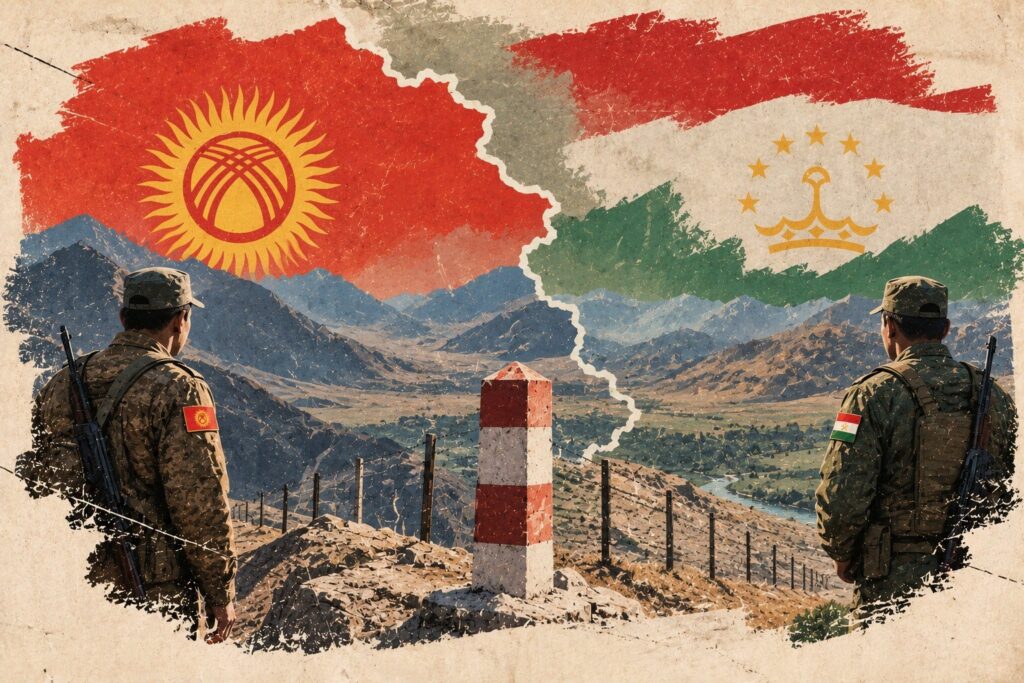
Kyrgyzstan-Tajikistan Border Fencing Complete in Batken, Demarcation Continues

Kyrgyzstan has completed the installation of nearly 328 kilometers of border fencing in the Batken region in the country’s southwest, where armed clashes with Tajikistan took place in 2021 and 2022. For some residents, the new boundary has also raised questions about compensation for lost homes and farmland. On October 29, the Batken regional administration confirmed completion of the fencing, two weeks after the State Border Service made the same announcement. During 2025–2026, 338.5 kilometers of patrol roads were built in the region’s Batken and Leilek districts, allowing patrols to reach previously difficult-to-access areas. The fencing covers part of the countries’ approximately 1,008-kilometer border. The two countries began installing border markers in July 2026 and are continuing this process of demarcation, alongside the preparation of formal boundary records. Three Decades of Disputes Batken lies in the densely populated Fergana Valley, which is divided among Kyrgyzstan, Tajikistan, and Uzbekistan. National borders here run close to villages and farmland, making disputes over territory particularly sensitive. Following the collapse of the Soviet Union, Kyrgyzstan and Tajikistan were unable to agree on the course of substantial sections of their shared border. Disputes over access to land and water were particularly frequent in Kyrgyzstan’s Batken region and the neighboring Sughd region in northern Tajikistan. Kyrgyzstan also had a longstanding border dispute with Uzbekistan, which the two countries settled in 2022. In April 2021 and September 2022, clashes escalated into armed conflicts involving heavy weapons. The September 2022 fighting killed more than 100 people across both sides and destroyed hundreds of homes. On the Kyrgyz side alone, more than 140,000 people were displaced. Cross-border movement was severely restricted following the 2021 violence, disrupting trade and visits between communities. Negotiations continued after the fighting, with the two countries’ security chiefs leading efforts to resolve the remaining territorial disputes. The eventual settlement involved exchanges of land, including in areas where communities had grown up close to one another. In December 2024, Bishkek and Dushanbe announced that they had reached agreement on the remaining disputed sections. The two sides completed a draft description of the border alignment and signed the corresponding protocol. In February 2025, negotiators also reached preliminary agreements on road use and access to water infrastructure, two longstanding sources of friction between border communities. On March 13, 2025, Presidents Sadyr Japarov and Emomali Rahmon signed a state border treaty in Bishkek, alongside agreements covering road access and water and energy facilities. That same day, the Kyzyl-Bel–Guliston and Kairagach–Madaniyat international border crossings reopened after being closed for nearly four years. Tajik entrepreneurs were able to return to markets in the Batken region. On March 31, 2025, the presidents of Kyrgyzstan, Tajikistan, and Uzbekistan signed an agreement on the junction of their three national borders as well as the Khujand Declaration on Eternal Friendship. Compensation Claims Remain Former Kyrgyz Deputy Prime Minister Tokon Mamytov said in comments to the state news agency Kabar on April 29, 2025, that installing border fencing would help reduce the risk of renewed clashes...

4 days ago

Tajikistan Business Inspections Suspended for SMEs Until 2029, but Tax Checks Continue

Government agencies in Tajikistan will remain barred from carrying out most inspections of small and medium-sized businesses until January 1, 2029. The checks are intended to ensure businesses comply with regulations, but entrepreneurs have long complained about repeated and arbitrary inspections, fines, and pressure to make unofficial payments. On October 28, President Emomali Rahmon signed a decree extending the moratorium. Tax authorities, however, will still be allowed to conduct inspections. The two-year moratorium introduced in January 2025 covered businesses of all sizes, but the extension applies specifically to small and medium-sized enterprises. Such measures have become familiar in Tajikistan: inspections were restricted in 2008, 2011, 2018, and 2022. Each time, authorities promised to relieve businesses of unnecessary pressure, yet the complaints have persisted. At a meeting with business representatives on October 14, Rahmon announced the extension and criticized unjustified inspections, bureaucratic delays, and interference by officials in business operations. He said officials must end these practices and have a legal basis for summoning entrepreneurs to government offices or requesting documents. Inspections of larger businesses are due to resume in 2027 under a system based on assessing risks. International organizations have repeatedly highlighted problems with tax administration in Tajikistan. The European Bank for Reconstruction and Development has called for simpler taxation and more consistent inspections. The Organisation for Economic Co-operation and Development has documented complaints about unscheduled inspections, inconsistent application of tax rules, and demands for advance tax payments. As of October 1, 2026, Tajikistan had more than 401,000 active business entities, nearly 359,000 of them individual entrepreneurs. Over the previous year, the number of businesses increased by 4.8%, or 18,200. By the end of 2027, authorities plan to move all main business registration, permit, and licensing services online. An electronic government services system, developed with international support, has already been introduced to simplify licensing and permits. Small businesses are particularly important for job creation in Tajikistan, where a substantial share of the working-age population earns a living abroad, primarily in Russia. Expanding domestic manufacturing, trade, and services could provide more opportunities for people to earn an income at home. Entrepreneurs also need confidence that regulations will be applied consistently and without unexpected costs. The moratorium offers temporary protection from some government agencies but leaves longstanding complaints about tax pressure unresolved. After nearly two decades of similar initiatives, the same question remains: why do businesses in Tajikistan still need a special presidential decree to protect themselves from unjustified inspections?

5 days ago

OTS Summit in Ankara: Türkiye Looks to Strengthen Its Position as Central Asia Competes for Transit Routes

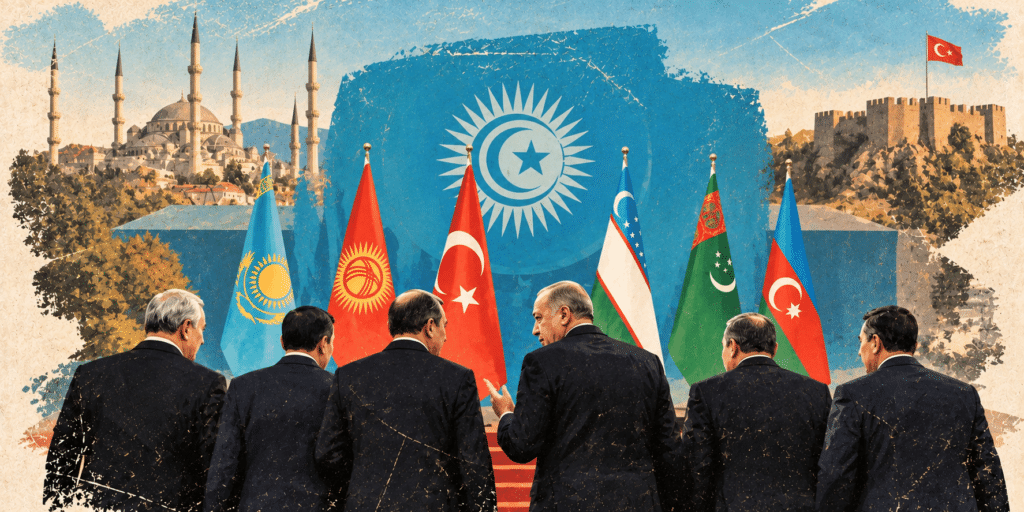
Kazakh President Kassym-Jomart Tokayev arrived in Ankara on October 28, the day he delivered his annual State of the Nation Address, in which he announced plans to expand transport routes between China and Europe. On October 30, he will attend the 13th summit of the Organization of Turkic States (OTS). Turkey is preparing to take over the organization's chairmanship from Azerbaijan, and Central Asian countries are seeking to accelerate freight transportation across the Caspian Sea. Behind the shared rhetoric of Turkic unity lie specific economic interests. Kazakhstan is building railways and expanding its capacity to handle transit cargo from China. Azerbaijan is developing Caspian ports and transport infrastructure in the South Caucasus. Turkey wants to attract more freight moving between China and Europe through Central Asia, increasing its role as a transit hub. A unified route looks much simpler on a political map than it does in the daily operations of transport companies. Between China and Europe, cargo crosses several borders, is transferred from trains to ships and back, undergoes customs clearance, and is subject to tariffs set by different operators. Interest in alternative Eurasian transport routes has grown since Russia launched its full-scale invasion of Ukraine, but the competition extends beyond freight. Ankara is looking to strengthen its political presence in Central Asia, where Russia and China retain considerable influence. Summit events begin on October 29 with a meeting of the Council of Foreign Ministers, chaired by Turkish Foreign Minister Hakan Fidan. The nation’s presidents will meet on the following day. Participants are expected to adopt the Ankara Declaration, discuss investment, energy, digitalization, security, and appoint a new OTS secretary-general. Tokayev and Kazakhstan's Route to Europe Tokayev's visit to Turkey follows directly after his State of the Nation Address, much of which focused on infrastructure, including plans to open the 272-kilometer Bakhty–Ayagoz railway in 2027. The line is expected to add 20 million metric tons of annual freight capacity between Kazakhstan and China. Tokayev also discussed construction of the Aral–Caspian highway. The project would establish a new transport connection between western and central Kazakhstan. According to government estimates, it could shorten certain freight routes between China and Europe by approximately 1,000 kilometers and reduce delivery times by up to three days. Both projects are part of a broader effort to increase Kazakhstan's revenue from international logistics. The country currently earns a substantial share of its transit revenue directly from freight transportation. Developing warehouses, terminals, processing facilities, and distribution centers could generate additional income. Turkey occupies an important position in this network. An overland branch of the Middle Corridor passes through its territory en route to European markets; the Baku–Tbilisi–Kars railway connects Azerbaijan to Turkey's rail network through Georgia. On the sidelines of the Ankara summit, Turkish business associations plan to discuss border crossing operations, transportation costs, and the development of the Middle Corridor. Transport geography, however, does not fit neatly within the OTS's political boundaries. Georgia, through which the railway connecting Azerbaijan and Turkey passes, is not a member...

5 days ago

Kashagan Arbitration: Tribunal Rejects $12 Billion in Kazakhstan’s Claims

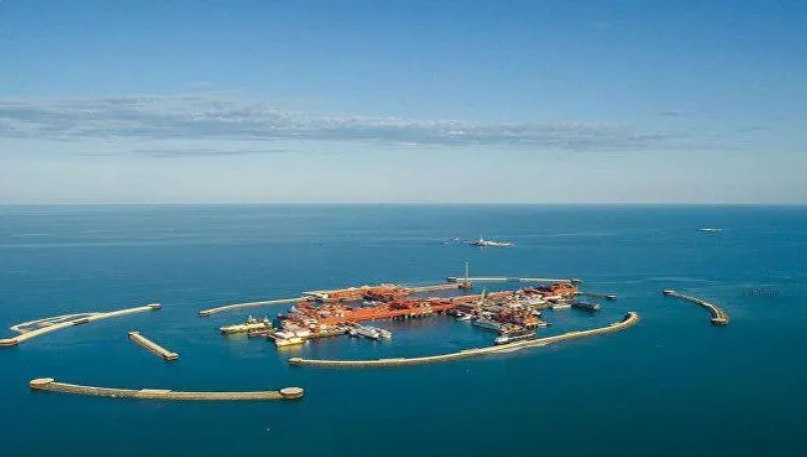
An international arbitration tribunal has rejected approximately $12 billion in claims brought by Kazakhstan against investors in the Kashagan oil field, Bloomberg reported on October 22. Citing sources familiar with the confidential proceedings, the report said the claims concerned field development costs incurred between 2011 and 2015 and were filed after the applicable deadline. Claims concerning another $8 billion in disputed costs have been allowed to proceed. Kazakhstan had sought to exclude approximately $20 billion from the costs investors are entitled to recover through oil production. The arbitrators did not examine whether the expenses covered by the rejected claims were justified. The ruling has not been made public. Kashagan is operated by North Caspian Operating Company (NCOC), whose shareholders include KazMunayGas, ExxonMobil, Eni, Shell, TotalEnergies, China National Petroleum Corporation, and INPEX Corporation. The field is located in the northern Caspian Sea. High reservoir pressure and hydrogen sulfide levels drove up construction costs and delayed the project's launch, with difficult climatic conditions compounding these problems. Production began in 2013 but was suspended shortly afterward because of gas leaks in pipelines. Operations resumed in 2016. Under the 1997 production-sharing agreement, investors recover eligible project costs through a portion of the oil produced. The remaining oil, known as profit oil, is then divided between the state and the project participants. An increase in recognized costs reduces the amount of oil available for distribution as profit. Kazakhstan is challenging costs under contractor agreements, including spending on construction work and equipment. In August, the International Consortium of Investigative Journalists (ICIJ) reported that the wider arbitration included allegations concerning about a dozen construction contracts worth $10.7 billion, awarded during the 2000s. Kazakhstan alleges that some involved inflated costs or conflicts of interest; it has also alleged bribery. NCOC says its members acted in accordance with their contracts and Kazakh law. In April 2025, ICIJ reported that Kazakhstan had brought claims totaling $160 billion against Kashagan's investors. The report also cited Kazakhstan's claim that the consortium receives approximately 98% of oil revenue after priority payments to the state under the production-sharing agreement. According to ICIJ, the proceedings are registered with the Permanent Court of Arbitration in The Hague and could continue until at least 2028. Separately, Kazakhstan is seeking to recover an environmental fine of 2.3 trillion tenge, or approximately $5.2 billion, from Kashagan's operator. The allegations concern breaches of limits on storing sulfur produced during oil and gas processing. On September 29, the authorities resumed enforcement proceedings to collect the fine. The move followed a three-week suspension while a Kazakh court considered NCOC's challenge to the enforcement process. NCOC is contesting the fine, and the project's foreign shareholders have initiated international arbitration, alleging that Kazakhstan violated its investment protection obligations. NCOC says an arbitration tribunal issued an interim order barring collection of the fine while the proceedings continue. Kazakhstan's Ministry of Justice disputes whether the order can prevent the authorities from enforcing a ruling by a Kazakh court.

1 week ago

Iranian Embassy Posts on Samarkand’s Persian Heritage Spark Uzbek Protest

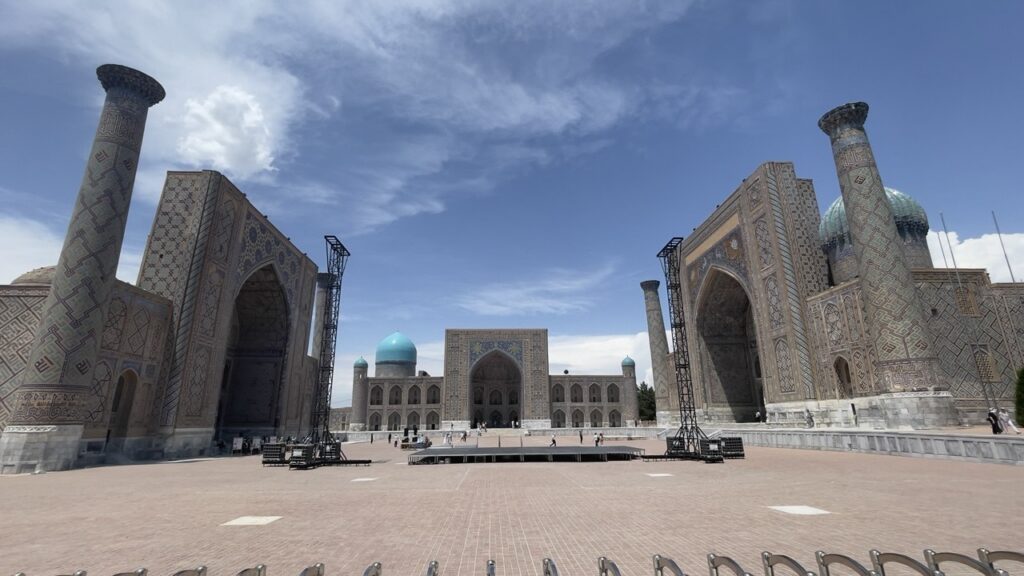
Uzbekistan has lodged a diplomatic protest with Iran over social media posts describing Samarkand's architecture as part of Persian civilization. The posts targeted United States Secretary of State Marco Rubio. On October 23, Uzbekistan's First Deputy Foreign Minister Bakhromjon Aloyev met with Iranian Ambassador Mohammad Ali Eskandari, who was handed a diplomatic note of protest. Uzbekistan's Foreign Ministry described posts published by Iranian diplomatic missions on X as a one-sided and politicized interpretation of Samarkand's history. Tashkent demanded that the posts be removed and that similar incidents be avoided in the future. The dispute followed Rubio's visit to Samarkand on October 19, when he recorded a video in Registan Square highlighting the city's historical role in international trade. Iran's embassy in Armenia described the site where Rubio stood as part of Persian civilization. The embassy in Zimbabwe called Registan's arches a "hallmark of Iranian-Islamic civilization," accusing Rubio of seeking to destroy that heritage. Iran's embassy in Bulgaria also criticized Rubio for disparaging Persian civilization while standing in front of monuments bearing its influence. Earlier, during an October 7 speech in Athens, Rubio recalled the destruction of the Acropolis by the forces of Persian King Xerxes in 480 BCE. He also attacked Iran's current clerical rulers, accusing them of promoting a "cult of death." Uzbekistan's Foreign Ministry said that the heritage of Samarkand, Bukhara, Khiva, and other historic cities reflects centuries of statehood and cultural development among the Uzbek people. Tashkent objected to the use of the country's history in political disputes between other states. Samarkand has deep ties to the Persian-speaking world. Before the Arab conquest, it was one of the centers of Sogdiana, whose inhabitants spoke a language belonging to the Iranian language family. Persian later became widely used in Central Asian cities, including in literature and scholarship. In the late 14th and early 15th centuries, Samarkand was the capital of Timur's empire. Craftsmen from various regions, including Iran and the historic region of Khorasan, participated in the construction of its monumental buildings. The Registan architectural ensemble was built between the 15th and 17th centuries, combining local artistic traditions with those of the wider Islamic world. The concept of Persian civilization encompasses a cultural area much larger than modern Iran. UNESCO describes Samarkand as a crossroads of cultures, reflecting influences from successive civilizations. The Iranian embassies did not make territorial claims against Uzbekistan; their posts concerned cultural and architectural history. Samarkand's heritage has also been a subject of debate within Central Asia. During the Soviet redrawing of Central Asia's internal borders in 1924, Samarkand and Bukhara became part of the Uzbek Soviet Socialist Republic. Both cities historically had substantial Persian-speaking populations, and Tajik continues to be spoken there today. Historians have also documented Soviet-era pressure on Tajik residents to register as Uzbeks, contributing to longstanding disputes over the cities' ethnic composition. The dispute occurred amid increased U.S. diplomatic engagement in Central Asia. During his visit, Rubio attended a C5+1 meeting with the foreign ministers of the five Central Asian countries. The talks focused on expanding economic...

1 week ago

China-Uzbekistan Economic Ties Expand as U.S. Seeks New Deals

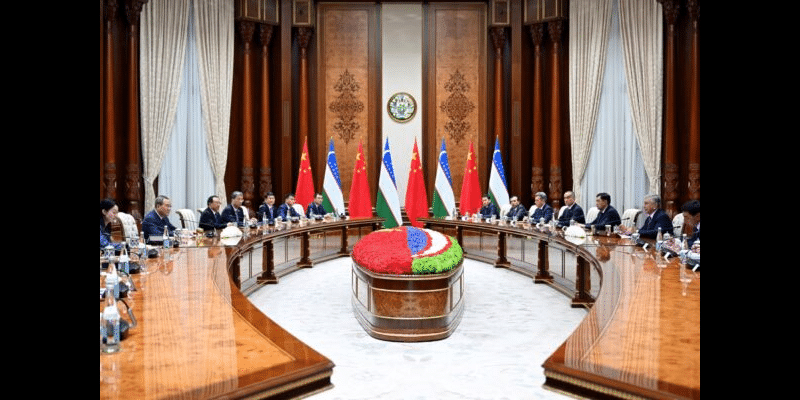
Chinese Premier Li Qiang visited Uzbekistan on October 17–18, just ahead of United States Secretary of State Marco Rubio, who arrived in Samarkand on October 18 with a delegation of American business leaders seeking new contracts. While China already has a substantial presence in Uzbek manufacturing and energy, Washington is seeking to expand American involvement in critical minerals and technology. The visits highlight the growing competition between the world's two largest economies for influence in Central Asia. On October 17, President Shavkat Mirziyoyev received Li Qiang. According to the Uzbek presidential administration, the portfolio of joint projects backed by firm agreements has reached nearly $60 billion. More than 6,000 joint ventures with Chinese participation have been established in Uzbekistan. China is Uzbekistan's largest trading partner. Bilateral trade totaled approximately $16–18 billion in 2025, according to Chinese and Uzbek figures. China accounted for 23% of Uzbekistan's total foreign trade turnover in January–August 2026. Railway Through Kyrgyzstan Construction of the China–Kyrgyzstan–Uzbekistan railway was another topic of discussion. Work officially began in December 2024. The route will cross mountainous areas of Kyrgyzstan and connect the railway networks of China and Uzbekistan. The 304-kilometer section through Kyrgyzstan alone is estimated to cost $4.7 billion and will require 50 bridges and 29 tunnels. Uzbekistan is landlocked, making the cost and timing of its international freight shipments heavily dependent on transit conditions in neighboring countries. The railway through Kyrgyzstan will provide an additional route, reducing reliance on transit through Kazakhstan and potentially shortening journeys between China and Uzbekistan. Beijing considers the railway part of its efforts to develop overland connections under the Belt and Road Initiative. Rubio Arrives with American Business Delegation On October 19, Rubio attended talks in Samarkand under the C5+1 format, bringing together the U.S. and Kazakhstan, Kyrgyzstan, Tajikistan, Turkmenistan, and Uzbekistan. Rubio said nearly 300 American businesses were represented in Samarkand. Companies were discussing agreements potentially worth billions of dollars, with concrete announcements expected following the meetings. Among Washington's priorities are critical minerals used in advanced technologies, including electronics and batteries. The U.S. is seeking new sources of raw materials and opportunities to process them outside China. Beijing holds a dominant position in processing several of these materials, and American companies are interested in alternative suppliers. Uzbekistan's mineral deposits include copper and uranium. For Tashkent, an important question is whether American investment will bring new processing facilities and jobs or concentrate mainly on extracting and exporting raw materials. Speaking to reporters in Samarkand, Rubio said the U.S. was not asking Central Asian countries to end cooperation with other partners. Washington intends to compete for contracts and investment projects. Chinese Enterprises and American Contracts The gap between China and the U.S. is particularly stark in trade. According to the Office of the U.S. Trade Representative, American goods trade with Uzbekistan totaled just $1.05 billion in 2025, less than one-fifteenth of the value of Uzbekistan's trade with China. Including services, U.S.–Uzbek trade reached approximately $1.7 billion. Economic cooperation with the U.S. is developing through...

2 weeks ago

Kyrgyzstan Rejects European Migrant Resettlement Proposals

Kyrgyzstan has repeatedly rejected proposals from several European countries to accept migrants from Afghanistan and African countries, Foreign Minister Jeenbek Kulubaev said on October 13. In exchange, those countries had offered employment opportunities for Kyrgyzstan’s skilled workers. He said Bishkek would not negotiate on those terms. Kulubaev did not specify which countries had made the proposals or how many migrants Kyrgyzstan had been asked to accept. No European government has publicly confirmed such an offer. On October 1, the Council of the European Union adopted new rules for returning foreign nationals who have no legal right to remain in its member states. The rules allow countries to establish migrant return centers outside the bloc under agreements with third countries. Such arrangements must comply with international human rights protections, including the prohibition on sending people to countries where they face persecution or ill-treatment. Similar arrangements have been discussed elsewhere in Central Asia. On May 7, Austria and Uzbekistan signed an agreement to cooperate on deportations during a visit by Austria’s foreign and interior ministers to Tashkent. The deal also provided for greater cooperation on legal employment opportunities for skilled workers from Uzbekistan. Unlike the proposals described by Kulubaev, the Austrian arrangement envisaged Uzbekistan as a potential transit route for Afghan nationals being returned from Austria, rather than a place of resettlement. Kyrgyzstan is reassessing its own approach to labor migration. According to Kulubaev, growing numbers of its citizens are choosing Turkey and the United States as destinations for work. South Korea and Japan are also interested in recruiting workers from Kyrgyzstan, particularly staff to care for elderly patients in hospitals. Bishkek has reduced the organized placement of its citizens in long-term jobs abroad while continuing to facilitate seasonal employment. Kulubaev said Kyrgyzstan also faces labor shortages at home. Kyrgyzstan’s Ministry of Labor, Social Security, and Migration said 736,600 citizens had worked abroad so far in 2026, compared with 798,400 during the whole of 2025. Russia remains the main destination, with more than 472,000 citizens of Kyrgyzstan living there in March. Approximately 70,000 were working in Kazakhstan, 60,000 in the U.S., 35,000 in Turkey, and 20,000 in Germany.

3 weeks ago

Kazakhstan’s Grain Exports to Europe Hit Russian Rail Bottleneck

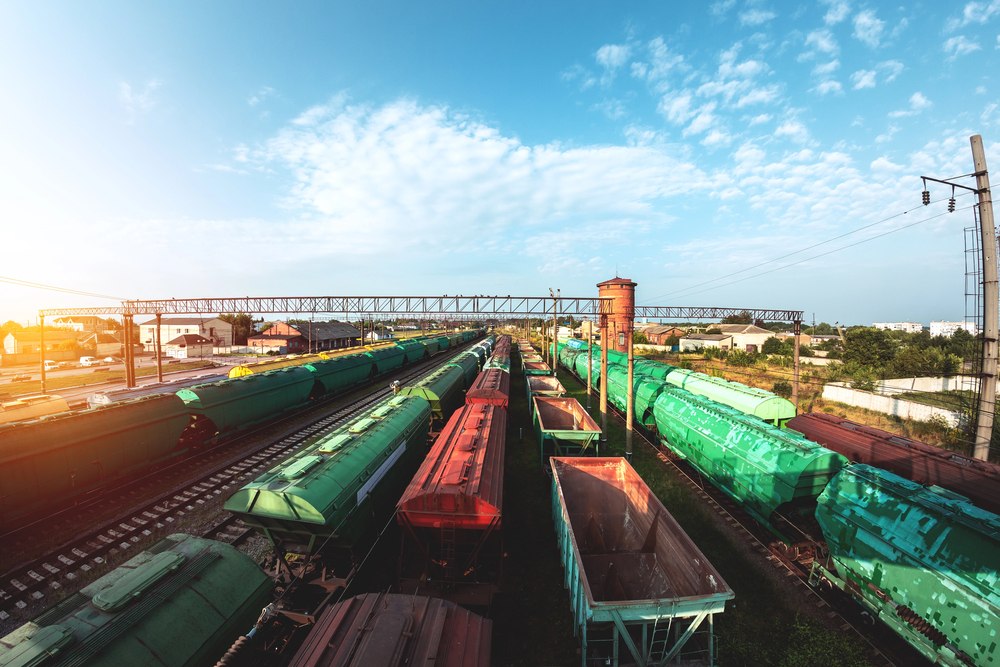
Russian Railways (RZD) has rejected October requests to transport grain from Kazakhstan through Russia to Estonian ports, citing insufficient rail capacity. There is no formal ban on shipments, but without approval, exporters cannot move their cargo along the usual route. Zeynolla Abdumanapov, head of Kazakhstan's National Association of Exporters KazGrain, reported the problem. The affected rail border crossings are Ivangorod–Narva and Pechory–Koidula, through which Kazakhstan's shipments travel to the Estonian ports of Muuga and Sillamäe. The Baltic route is particularly important for shipments of Kazakhstan's durum and high-protein wheat, as well as oilseed flax, to Europe. These crops command higher prices than ordinary wheat. On October 8, Estonia banned the transit of grain originating in or exported from Russia and Belarus. The restrictions do not apply to grain from Kazakhstan passing through Russian territory, and exporters had hoped to take advantage of available capacity at Estonian ports, where Russian grain transit had already been virtually nonexistent. However, disruptions to shipping through the Black Sea, caused by Ukrainian attacks on Russian port infrastructure and vessels, have forced Russia to redirect much of its grain toward its own Baltic ports, including Ust-Luga and Vysotsk. St. Petersburg is another destination. Russian grain also continues to pass through Latvia and Lithuania, which have not imposed equivalent bans. The shift has increased pressure on the railway network serving the Baltic region. According to Reuters, RZD has given priority to grain shipments heading toward Baltic and Arctic ports. Russia has also raised freight tariffs for shipments to Baltic and Finnish border crossings. Gani Yessenbayev, a representative of Kazakhstan Temir Zholy (KTZ), the country's state railway operator, told the Eurasian AGRICOM 2026 conference that KTZ is negotiating with RZD and recommending that exporters resubmit their applications. The volume of cargo affected by the rejections has not yet been disclosed. Russia can be bypassed via the Trans-Caspian International Transport Route through Azerbaijan and Georgia. However, KazGrain estimates that shipping costs along this route are roughly twice as high, while transshipment capacity is constrained by the facilities at Georgia's Port of Poti. For large-scale wheat exports, the additional costs could prove too high. Kazakhstan's grain trade with Iran is also becoming more difficult. According to Abdumanapov, sea freight rates from Aktau have risen from $17 to $95 per metric ton. Suppliers from Kazakhstan must compete with cheaper Russian grain, while a stronger tenge further reduces their export earnings in local currency. Most of Kazakhstan's grain exports, however, go to neighboring countries rather than Europe. From January through September 2026, grain shipments by rail for export increased by 14% to 8.4 million metric tons. Of that total, 5.5 million tons went to Central Asia. Uzbekistan received 4.11 million tons and Tajikistan 1.18 million tons. Shipments to Afghanistan totaled 762,000 tons, while China received 750,000 tons. Kazakhstan increased its agricultural export revenue by more than a third in 2025. The restrictions on transit through Russia therefore primarily threaten sales of Kazakhstan's higher-value agricultural products to the European Union. Future shipments will...

3 weeks ago