The arrests of Samruk-Kazyna’s chief executive and the head of Kazakhstan’s national railway company have renewed questions about how the state-owned fund is run. By the end of 2025, it managed approximately $88 billion in strategic Kazakh assets, spanning oil and gas companies, uranium mining, railways, power generation, and telecommunications.
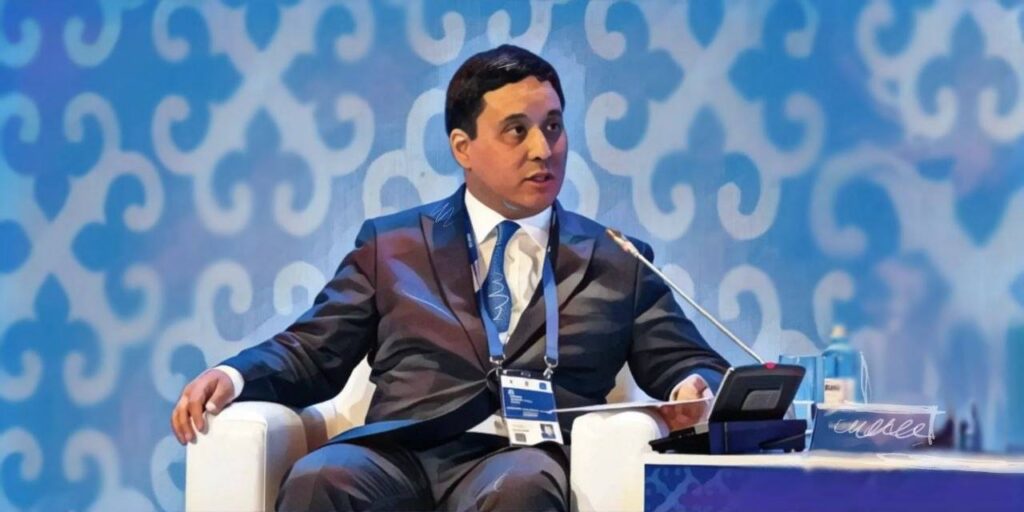
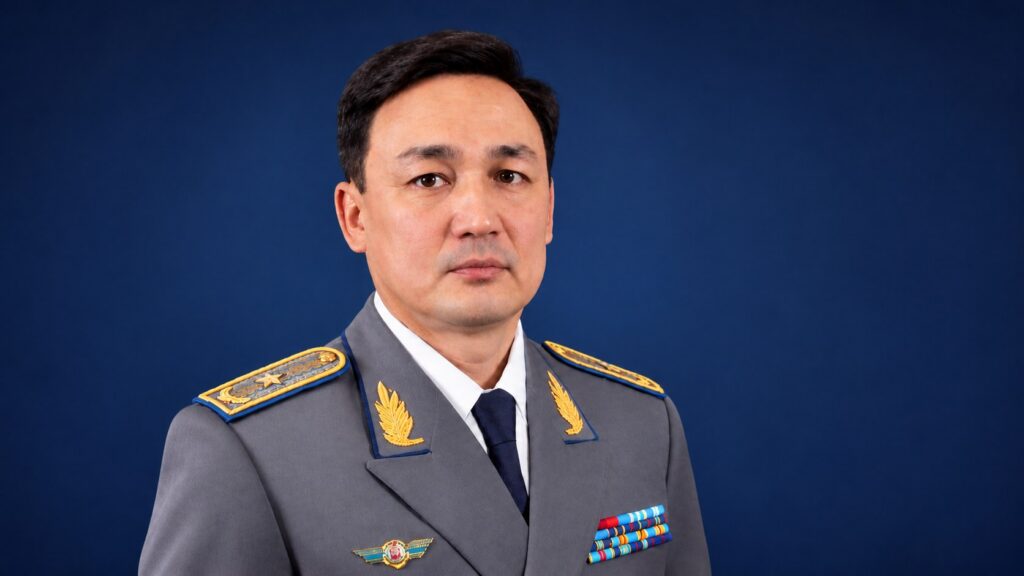
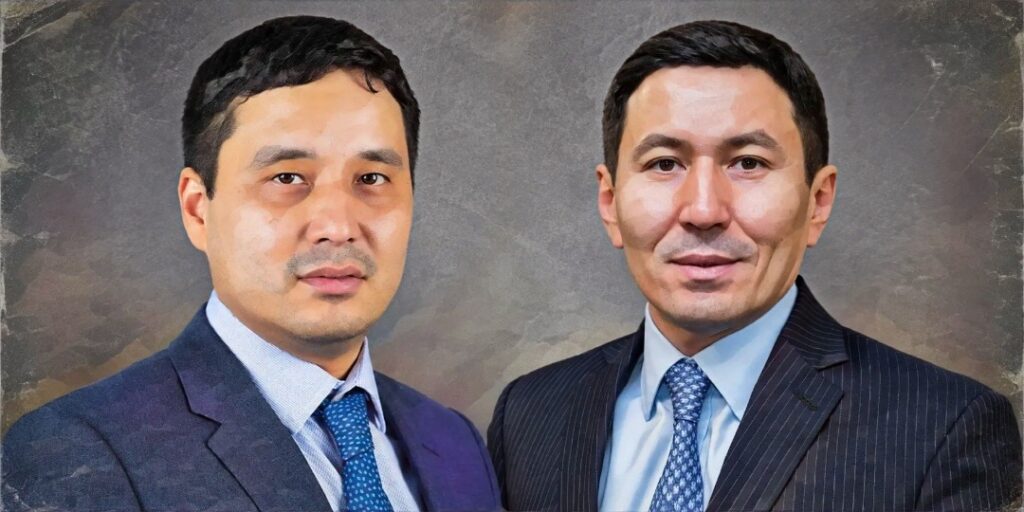
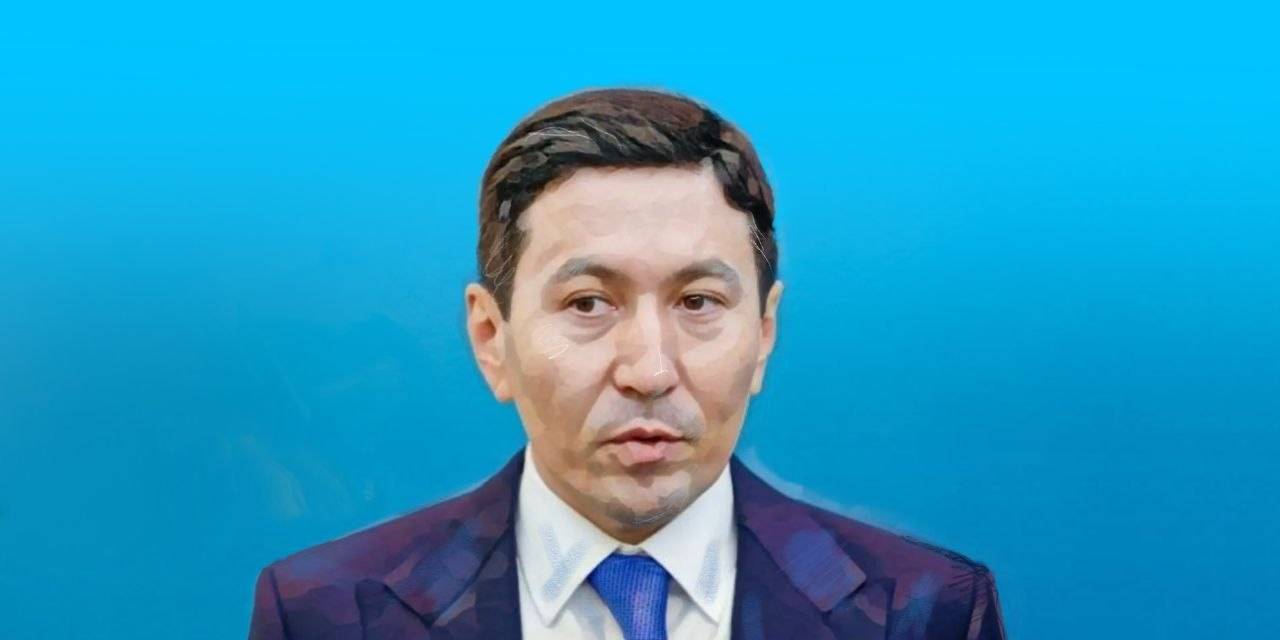
On November 11, 2026, the anti-corruption service of Kazakhstan’s National Security Committee detained several individuals on suspicion of a corruption-related offense, including Samruk-Kazyna chief executive Nurlan Zhakupov and Yelzhas Otynshiyev, head of Kazakhstan Temir Zholy (KTZ). Zhakupov had headed the fund since April 2023, while Otynshiyev had led the railway company since July 2026, having previously held senior positions at Samruk-Kazyna.
On November 14, an investigating court authorized the two executives’ pretrial detention. Details of the alleged offense have not been disclosed. Neither suspect has been found guilty by a court.
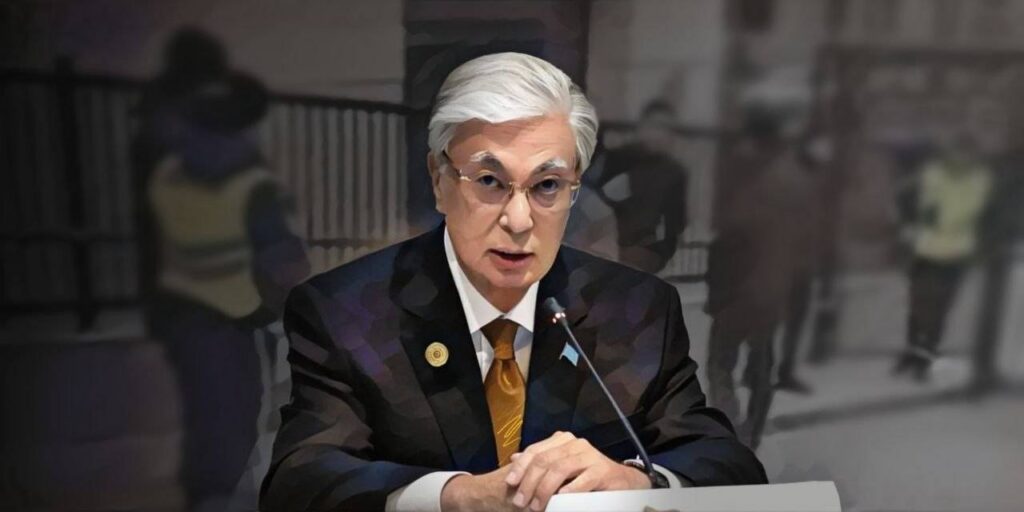
At a Security Council meeting on November 13, President Kassym-Jomart Tokayev described the case as a serious indication of the scale of corruption within state-owned companies and warned of reputational risks for Kazakhstan. He instructed the government to submit proposals to reduce corruption risks in companies with state ownership by November 24.
Prime Minister Olzhas Bektenov assured investors and creditors on November 18 that the holding company would maintain its investment programs and meet its financial obligations on time. Bektenov, who chairs the fund’s board of directors, said a new chief executive would be appointed and promised stronger board oversight. He also pledged improvements to internal audits and anti-corruption safeguards.
From Crisis Response Fund to Kazakhstan’s Largest Asset Owner
Samruk-Kazyna was established in October 2008 at the initiative of Kazakhstan’s first president, Nursultan Nazarbayev, through the merger of the state holding company Samruk and the Kazyna Sustainable Development Fund. The decision came at the height of the global financial crisis, which severely affected Kazakhstan’s banking and construction sectors.
By November, the government had designated the fund as a principal vehicle for its $10 billion anti-crisis program.
In February 2012, a separate law governing the national wealth fund was adopted. The Kazakh government is its sole shareholder. The fund’s principal objectives include increasing asset value and improving the competitiveness of national companies while contributing to the country’s economic development.
In May 2013, Nazarbayev signed a decree establishing the Baiterek National Managing Holding. It incorporated ten development institutions previously managed by government agencies and Samruk-Kazyna. Baiterek took on development finance, while Samruk-Kazyna concentrated on managing strategic enterprises.
Unlike sovereign wealth funds specializing in the investment of government financial reserves, Samruk-Kazyna manages operating businesses. The state expects these companies to remain commercially efficient while carrying out government mandates, including infrastructure projects with long payback periods.
Assets, Investment, and Public Spending
In 2025, the group’s annual revenue reached approximately $36 billion. Companies within the group employed more than 254,000 people.
The fund wholly owns national railway operator KTZ, gas company QazaqGaz, power company Samruk-Energy, postal operator Kazpost, and mining company Tau-Ken Samruk.
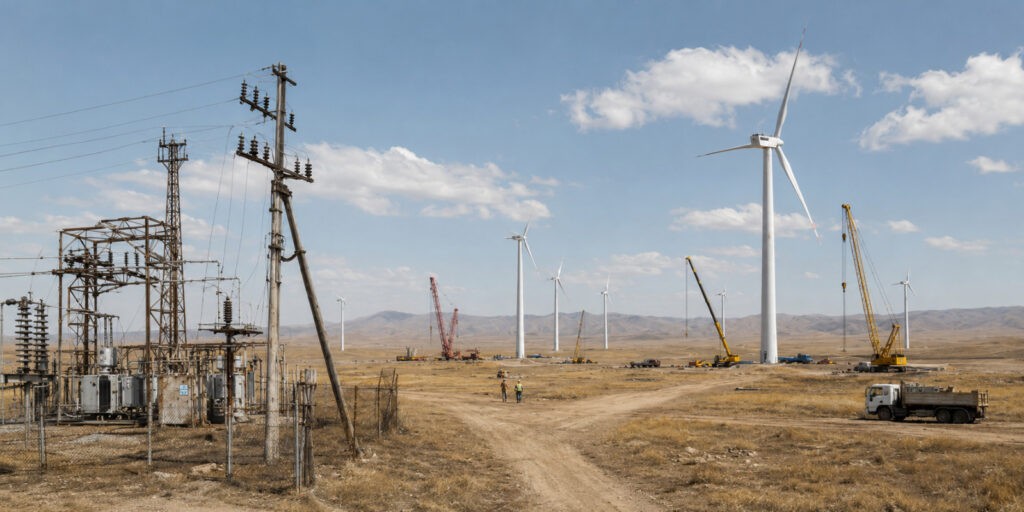
The holding company also owns controlling stakes in national grid operator Kazakhstan Electricity Grid Operating Company (KEGOC), Kazakhtelecom, oil and gas producer KazMunayGas, and Kazatomprom, the world’s largest uranium producer.
Through these companies, the fund participates in the development of oil and gas fields alongside Western and Chinese investors and controls Kazakhstan’s railway infrastructure. It oversees gas and electricity transmission and is involved in uranium production and exports.
One outcome of the fund’s activities has been the partial opening of the state-owned sector to private capital. Shares in companies including KazTransOil, KEGOC, Kazatomprom, KazMunayGas, and Air Astana were offered to investors between 2012 and 2024. Access to capital markets expanded the investor base and increased financial disclosure requirements.
Companies within the holding group are implementing some of Kazakhstan’s largest infrastructure projects. In 2025, the fund reported completing a second railway track along the Dostyk–Moyynty section and the Almaty railway bypass. The Taldykorgan–Usharal trunk gas pipeline was also completed that year.
According to a February 2026 study by International Monetary Fund (IMF) economists Dyna Heng and Thomas Piontek, Samruk-Kazyna’s assets at the end of 2024 were equivalent to 31% of Kazakhstan’s gross domestic product (GDP), while its debt amounted to approximately 12% of GDP. KazMunayGas accounted for roughly half of the holding company’s assets.
The IMF economists warned that Samruk-Kazyna and other state-owned holding companies finance government programs outside the national budget. If the expansion of their balance sheets were counted as public spending, Kazakhstan’s non-oil fiscal deficit (the shortfall excluding oil revenue) would have been about 3.5 percentage points of GDP higher in 2024–2025 than official figures showed. The economists called for greater scrutiny of this off-budget spending.
What Government Auditors Found
Following the mass protests and unrest of January 2022, Tokayev called for a fundamental overhaul of Samruk-Kazyna. On January 24, the fund’s management board approved a new organizational structure that included major cuts to management and administrative staff.
Nearly four years later, Kazakhstan’s Supreme Audit Chamber published findings identifying substantial shortcomings in the holding company’s operations. The November 28, 2025, report found that the fund’s 2018–2021 transformation program failed to achieve its objective of bringing eight companies’ efficiency in line with that of their international peers. The economic benefits amounted to approximately $300 million, half the projected figure.
At the time of the audit, the fund’s group comprised 326 companies across six management levels. In 2024, 41 companies recorded losses.
Three of the five committees of the fund’s board of directors were inactive, including those responsible for strategy and oversight of the transformation program. Financial statements at several enterprises were still being prepared manually.
The audit of 18 legal entities identified 119 systemic shortcomings and inefficient planning and use of funds amounting to approximately $235 million.
Another area of concern is the holding company’s procurement system. The group operates its own electronic procurement platform, managed by Samruk-Kazyna Contract. In 2025, group companies awarded approximately $7.7 billion in procurement contracts, covering goods as well as works and services. Around $4.8 billion, or 62% of the total, was awarded through single-source procurement.
Noncompetitive procurement may arise from technological requirements or a lack of alternative suppliers. A high proportion of such contracts makes oversight of pricing and supplier selection particularly important, including checks for conflicts of interest. Authorities have not said whether any of these findings are connected to the current criminal investigation.
As early as 2024, the Organisation for Economic Co-operation and Development recommended greater board independence and more transparent senior appointments at state-owned companies. It called for the costs of government mandates to be accounted for separately from commercial operations.
Reform Prospects and Access to Capital Markets
One of the fund’s upcoming major projects remains KTZ’s initial public offering. Even before the railway company’s chief executive was arrested, prospects for its stock market debut were being discussed in the context of its growing debt burden.
In an interview with The Times of Central Asia on November 18, former KTZ public relations director Murat Buldekbayev said that the company’s financial position and ability to service its debt were more important to prospective investors than the criminal prosecution of individual executives. He identified frequent management changes as one of the railway operator’s corporate governance problems.
Speaking to Deutsche Welle on November 16, Kazakh economist Arman Beisembayev advocated gradually reducing state involvement in certain industries and expanding private sector participation. In the same report, financial analyst Rasul Rysmambetov described restructuring Samruk-Kazyna and revising its asset management principles as a more realistic option than dismantling the holding company altogether.
The government determines the fund’s strategy and participates in appointing its leadership. Bektenov’s announced measures focus on oversight and internal controls; he did not announce any changes to the holding company’s structure or procurement system.