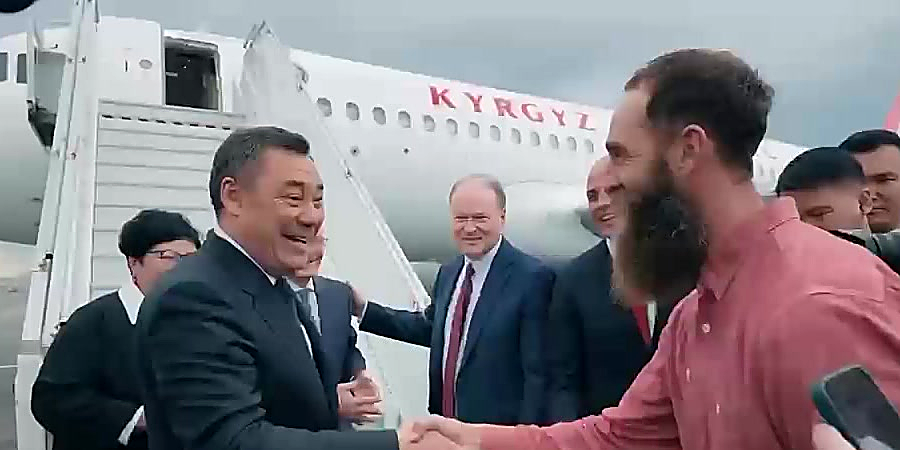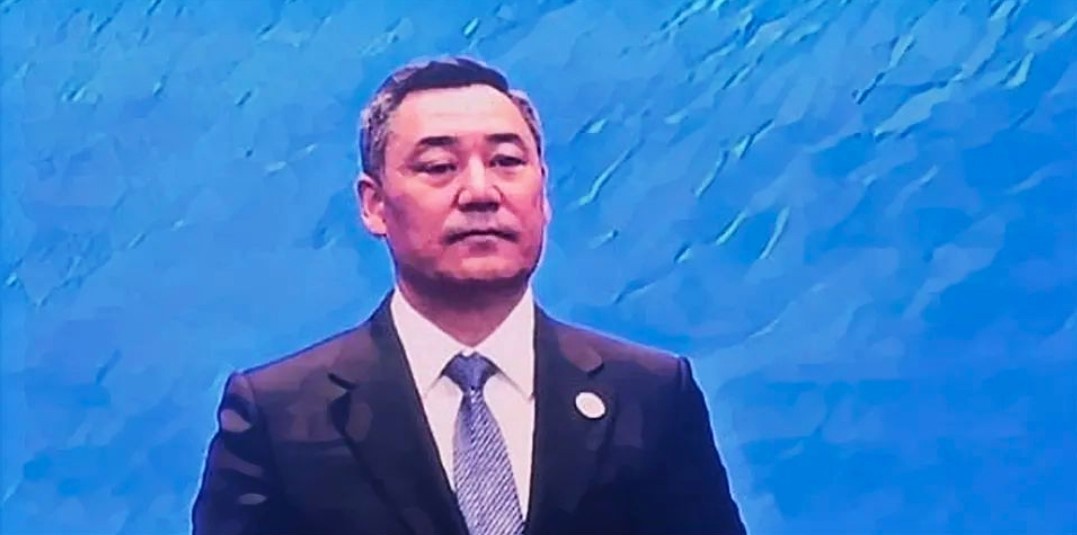
Kyrgyz President Sadyr Japarov has applied to run for a second term in the January 27, 2027, presidential election. Since he came to power in October 2020, Kyrgyzstan has shifted to a presidential system of government, recorded strong economic growth, and seen several prominent politicians and journalists face criminal prosecution.
Less than 24 hours after Japarov filed on November 10, the electronic system had recorded 60,000 signatures in his support, the maximum a candidate can submit. Kyrgyzstan’s Central Commission on Elections and Referenda (CEC) must still verify the signatures.
By November 11, the commission listed nine applicants, all self-nominated. Alongside Japarov were former members of parliament Iskhak Masaliev and Baktybek Kalmamatov, former financial police chief Syiymyk Japykeev, and Bakytbek Adylov, who previously headed the State Migration Service. Akai Kydyrov, Aimen Kasenov, Azamat Esenbekov, and Aiba Amur also applied.
A Second Term Under the New Constitution
Mass protests over the results of the October 2020 parliamentary elections brought Japarov to power as acting president. In January 2021, he won an early presidential election with 79.2% of the vote on a turnout of 39.16%.
In April of that year, voters approved a new constitution, replacing Kyrgyzstan’s mixed parliamentary and presidential system with a presidential one. The president gained direct control over the executive branch, and the number of seats in the Jogorku Kenesh, Kyrgyzstan’s parliament, fell from 120 to 90.
The new constitution allows two five-year terms in place of a single six-year term. Because Japarov was elected before the reform, a dispute arose over the length of his mandate. In February 2026, the Constitutional Court ruled that his six-year term would run to 2027 and count as his first term, allowing him to run again.
The vote was originally expected in October 2026. Lawmakers moved it to January 2027 and later set election day for the fourth Wednesday of the month rather than the usual Sunday.
Criminal Cases and Political Competition
The presidential campaign is taking place under restrictions on rallies and pickets in central Bishkek.
In February 2026, Japarov dismissed Kamchybek Tashiyev, his longtime political ally, as head of the State Committee for National Security. In September, the Bishkek City Court found Tashiyev guilty of obstructing electoral rights. Under Kyrgyz election law, the conviction bars him from running for president even if his criminal record is expunged.
Opposition politician Adakhan Madumarov, leader of the Butun Kyrgyzstan party, was detained in September 2023 on treason charges related to a 2009 protocol on the Kyrgyz-Tajik border. In March 2024, a court found him guilty but imposed no punishment because the statute of limitations had expired. The Supreme Court upheld the ruling in October 2026. Madumarov denies the charges.
In September 2025, a court convicted four former employees of the independent news outlet Kloop of inciting mass unrest. Two camera operators received five-year prison sentences, and two accountants received noncustodial sentences. An appeals court released the camera operators on probation that November. Human Rights Watch cited the case as part of a crackdown on independent journalism.
Economy and Foreign Policy
According to the International Monetary Fund, Kyrgyzstan’s real gross domestic product grew by 47% between 2021 and 2025, while output per person doubled in dollar terms. Kyrgyzstan’s trade expanded in part as goods took new routes following Western sanctions against Russia. A construction boom also helped drive growth, while higher gold prices benefited the economy.
Construction of the China-Kyrgyzstan-Uzbekistan railway began in December 2024. The line is intended to connect Kashgar in China with Andijan in Uzbekistan through Kyrgyz territory. In December 2025, the project company signed a loan agreement with Chinese banks to help finance construction. The Kyrgyz government estimates the project will cost $4.7 billion.
Kyrgyzstan is also preparing to build the Kambarata-1 Hydropower Plant on the Naryn River jointly with Kazakhstan and Uzbekistan. The World Bank estimates that the plant could generate about 6 billion kilowatt-hours a year, increasing the electricity available to Kyrgyzstan and its neighbors.
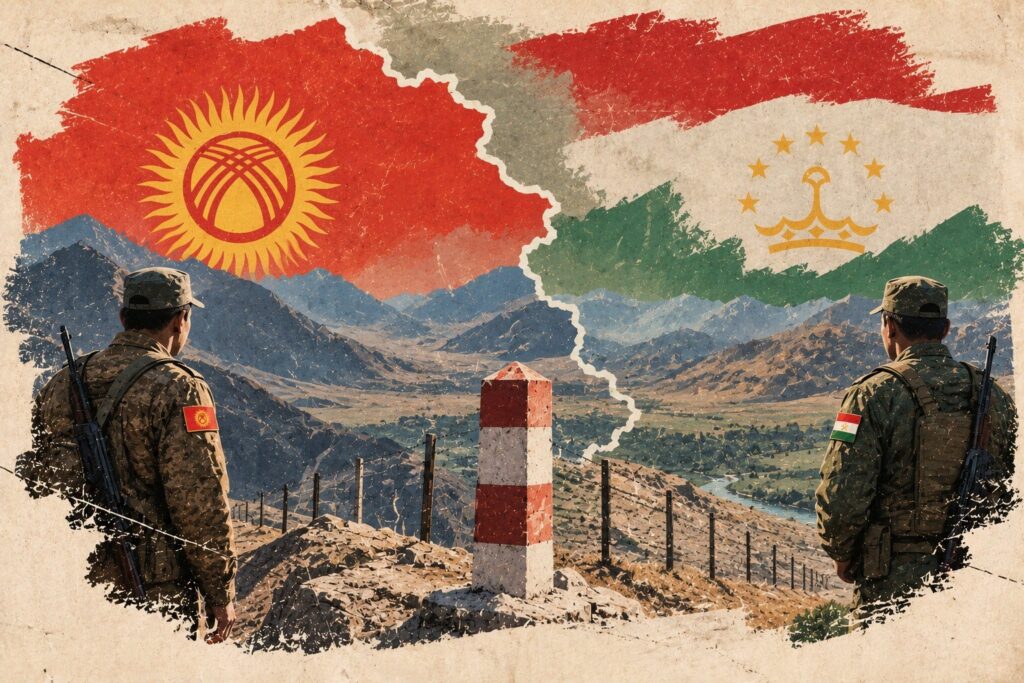
In March 2025, Kyrgyzstan and Tajikistan signed a state border agreement following years of negotiations and armed clashes in 2021 and 2022. The accompanying agreements cover the use of roads and access to water and energy facilities.
Kyrgyzstan maintains close ties with Russia through its membership in the Eurasian Economic Union and the Collective Security Treaty Organization. The next president will also oversee Kyrgyzstan’s commitments to its neighbors on transport, energy, and the border with Tajikistan.
Preparing for the Vote
Prospective candidates need at least 30,000 signatures to qualify for registration. They must also pay an electoral deposit of 1 million soms (approximately $11,400) and demonstrate proficiency in Kyrgyz.
For the first time in a Kyrgyz presidential election, voters can support a candidate electronically through Tunduk, the government’s mobile services app. Paper signature sheets remain an option.
The CEC’s preliminary voter list contains 4,467,040 names. Under the election timetable, applications are due by November 13 and signatures by December 8. The commission must complete candidate registration by December 23.
The vote falls one day before the sixth anniversary of Japarov’s inauguration as president.