
Kazakhstan Urged to Seek Child Safety Deal Instead of Roblox Ban
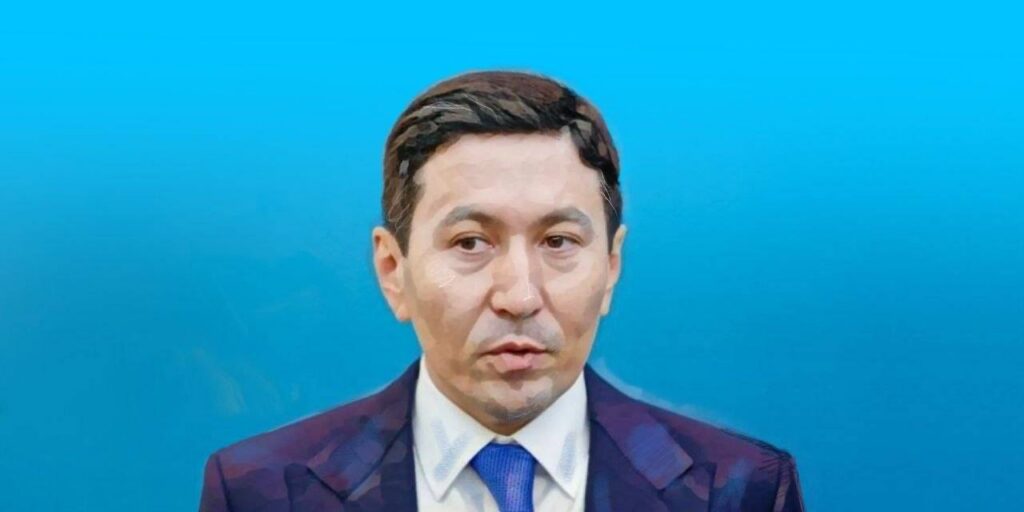
Murat Abenov, a member of Kazakhstan’s People’s Council (Halyk Kenesi), has called for a child safety agreement with Roblox rather than a ban on the American gaming platform. His November 24 proposal follows growing concerns about harmful content and the platform’s use for fraud and sexual exploitation of children. Launched in the United States in 2006, Roblox offers millions of user-generated games and virtual worlds. The platform allows users to develop their own games and earn money from them, as well as communicate with other players. Roblox reported an average of 138 million daily active users worldwide in the third quarter of 2026. The debate over Roblox’s safety has continued in Kazakhstan for about a year. In January, Unzila Shapak, then a member of the lower house of parliament, called on the government to examine Roblox’s impact on children’s mental health and consider restricting access to the platform. She expressed particular concern about the potential use of in-game chats by scammers and individuals seeking to sexually exploit minors. Kazakhstan’s law enforcement officials have also warned that criminals are targeting children who play online games such as Roblox to steal money from their parents’ bank accounts, according to Inbusiness.kz. By November 3, the Ministry of Culture and Information had sent Roblox nine letters demanding the removal of content identified through 39 links, the ministry told BES.media. It said the material could adversely affect children’s mental health. Separately, the ministry issued an order to restrict access to Schoolboy Runaway, a game centered on a child attempting to escape from his parents’ home. On November 16, Dinara Zakiyeva, deputy speaker of Kazakhstan’s parliament, the Kurultai, and former children’s rights commissioner, outlined proposed legislation on children’s digital and information safety. The bill would require games and apps to undergo mandatory safety assessments and carry labels informing parents about potentially risky features, including in-game chats and purchases. It would also allow authorities to block digital products deemed a threat to minors, regardless of whether they are classified as social media platforms. Abenov, a former member of parliament, argues that Kazakhstan could benefit from Roblox’s educational potential. He estimates that between 1.5 million and two million people in Kazakhstan use the platform. He believes a ban would drive children to use free virtual private networks to circumvent restrictions, making it more difficult for parents to monitor their online activity. Abenov proposes opening a Roblox representative office in Kazakhstan to ensure the company complies with local content moderation requirements. He also wants children to learn programming and three-dimensional modeling through after-school clubs and competitions using Roblox Studio, a free game development environment. Parents would receive training in digital safety tools. In August, a U.S. court sentenced a former elementary school security guard to 30 years in prison in a child sexual exploitation case involving an 11-year-old girl he had contacted through Roblox. In April, Roblox agreed to pay more than $23 million to settle child safety investigations in the U.S. states of Alabama and West Virginia. Several...
7 hours ago