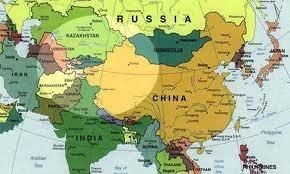
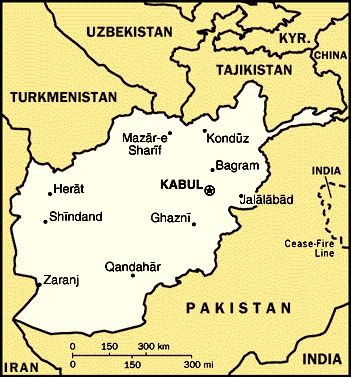
BISHKEK (TCA) — The Publisher’s note: Throughout the 19th and 20th centuries, Central Asia was the scene of intense geopolitical struggle and the Great Game between the British and Russian Empires, and later between the Soviet Union and the West, over Afghanistan and neighboring territories. Into the 21st century, Central Asia has become the area of a renewed geopolitical interest, dubbed the New Great Game, largely based on the region’s hydrocarbon and mineral wealth. On top of that, the region now is perhaps the most important node in the implementation of China’s One Belt, One Road initiative through which Beijing aims to get direct access to Western markets. Every week thousands of news appears in the world’s printed and online media and many of them may escape the attention of busy readers. At The Times of Central Asia, we strongly believe that more information can better contribute to peaceful development and better knowledge of this unique region. So we are presenting this Weekly Digest which compiles what other media have reported on Central Asia over the past week. KAZAKHSTAN Kazakhstan: A new dawn? Nazarbayev’s resignation has been masterfully executed. In so doing he eases the pressure on him to go and only enshrines more deeply the powers to which he has grown accustomed April 1 — “Nursultan Nazarbayev’s strong and sombre governance has long set him apart in a region of crumbling dictatorships. Recently Kazakhstan’s leader opened a surprise new chapter in his country’s history; resigning from the Presidency after three decades to assume his new position of Chairman of the Security Council and leader of the ruling party.” READ MORE: https://globalriskinsights.com/2019/04/kazakhstan-nazarbayev-central-asia-new-dawn/ Huge fish die-off in Kazakhstan’s Ural River fuels fear for future stocks Ecologists say that the waste chemicals of Atyrau Oil Refinery, built in 1991 around 2.5 kilometers from the riverbank, contributed to the deaths of the fish April 3 — “When Nursultan Tauman went out for a stroll along the banks of the Ural River, he could not believe what he saw. “Dead fish, floating on the dirty river,” recalled Tauman, a native of the western Kazakhstan city of Atyrau, where the 2,500-kilometer Ural enters the Caspian Sea. Since December, more than 120 tons of lifeless fish have washed ashore on the banks of the Atyrau delta. The massive die-off has stunned ecologists and sparked a debate about what might be the root cause.” READ MORE: https://eurasianet.org/huge-fish-die-off-in-kazakhstans-ural-river-fuels-fear-for-future-stocks The nuclear sins of the Soviet Union live on in Kazakhstan Decades after nuclear weapons testing stopped, researchers are still struggling to decipher the health impacts of radiation exposure around Semipalatinsk April 3 — “The statues of Lenin are weathered and some are tagged with graffiti, but they still stand tall in the parks of Semey, a small industrial city tucked in the northeast steppe of Kazakhstan. All around the city, boxy Soviet-era cars and buses lurch past tall brick apartment buildings and cracked walkways, relics of a previous regime.” READ MORE: https://www.nature.com/articles/d41586-019-01034-8 In Kazakhstan, transgender people face discrimination In Kazakhstan,...