• KGS/USD = 0.01144 0%
  • KZT/USD = 0.00204 0%
  • TJS/USD = 0.10782 0%
  • UZS/USD = 0.00008 0%
  • TMT/USD = 0.28490 0%
  • KGS/USD = 0.01144 0%
  • KZT/USD = 0.00204 0%
  • TJS/USD = 0.10782 0%
  • UZS/USD = 0.00008 0%
  • TMT/USD = 0.28490 0%
  • KGS/USD = 0.01144 0%
  • KZT/USD = 0.00204 0%
  • TJS/USD = 0.10782 0%
  • UZS/USD = 0.00008 0%
  • TMT/USD = 0.28490 0%
  • KGS/USD = 0.01144 0%
  • KZT/USD = 0.00204 0%
  • TJS/USD = 0.10782 0%
  • UZS/USD = 0.00008 0%
  • TMT/USD = 0.28490 0%
  • KGS/USD = 0.01144 0%
  • KZT/USD = 0.00204 0%
  • TJS/USD = 0.10782 0%
  • UZS/USD = 0.00008 0%
  • TMT/USD = 0.28490 0%
  • KGS/USD = 0.01144 0%
  • KZT/USD = 0.00204 0%
  • TJS/USD = 0.10782 0%
  • UZS/USD = 0.00008 0%
  • TMT/USD = 0.28490 0%
  • KGS/USD = 0.01144 0%
  • KZT/USD = 0.00204 0%
  • TJS/USD = 0.10782 0%
  • UZS/USD = 0.00008 0%
  • TMT/USD = 0.28490 0%
  • KGS/USD = 0.01144 0%
  • KZT/USD = 0.00204 0%
  • TJS/USD = 0.10782 0%
  • UZS/USD = 0.00008 0%
  • TMT/USD = 0.28490 0%

Viewing results 1 - 6 of 84

Kyrgyzstan Weighs Nuclear Power as Rosatom Talks Advance

Kyrgyzstan is still in talks with Russia’s state-owned nuclear power company Rosatom about building a nuclear power plant (NPP) in Kyrgyzstan. But on March 3, Kyrgyz Deputy Chairman of the Cabinet of Ministers, Daniyar Amangeldiyev, was already speaking about conducting a national referendum on the construction of a nuclear power plant. It is clear why Rosatom is anxious to build the NPP, but it is less clear why Kyrgyzstan needs it. Kyrgyzstan’s Road to Nuclear Power Rosatom is active in Central Asia, receiving the contract to build Kazakhstan’s first NPP in June 2025. Uzbekistan had already signed a contract with Rosatom in May 2024, and in late March 2026, the first concrete was poured for the NPP that Rosatom is constructing in Uzbekistan. At first glance, Central Asia might not seem like an ideal market for nuclear power. But after Russia’s full-scale invasion of Ukraine in February 2022, Finland canceled its contract for Rosatom to build the Hanhikivi-1 NPP, and while several  European countries are building or considering building NPPs, Hungary is the only country committed to partnering with Rosatom. With limited prospects for new contracts in Europe, Rosatom is likely to focus on securing additional deals in non-European markets to expand its already extensive portfolio. Kyrgyzstan’s Energy Ministry and Rosatom signed a Memorandum of Understanding for a small NPP in January 2022. The initial plan for Kyrgyzstan’s NPP was to build a small RITM-200N with a 55-megawatt (MW) capacity. In May 2025, Director General of Rosatom, Alexey Likhachev, said his company was offering Kyrgyzstan a modular NPP project that could generate anywhere from 110 MW to 440 MW using RITM-200N reactors, equivalent to two to eight units. In late March 2026, Likhachev said current talks with Kyrgyzstan were not only focused on the construction of a small NPP but also a medium-sized NPP. Kyrgyz Deputy Chairman of the Cabinet of Ministers Amangeldiyev said in June 2025 that Kyrgyz officials and Rosatom representatives were already looking at potential sites for the NPP. Reports about the planned NPP in Kyrgyzstan don’t mention the cost of construction, and it remains unclear how many and what size reactors will be installed. According to Uzbek officials, the six 55-MW units that Rosatom was initially contracted to build (the project has since changed) would have cost “less than $2 billion.” An Agreement or Not In March 2024, Kyrgyzstan’s Deputy Energy Minister Taalaybek Baygaziyev signed an agreement with Rosatom on the development and implementation of the NPP investment project. In September 2025, Altynbek Rysbekov was appointed Kyrgyzstan’s Deputy Energy Minister, and he said, “There is a possibility of building a (nuclear power) station, but no fundamental decision has been made yet.” However, Rysbekov’s further comments indicated he supported the idea of building an NPP in Kyrgyzstan, and he reconfirmed that the search for an appropriate site for the NPP continued. On April 3, 2026, Amangeldiyev said negotiations with Rosatom are continuing. “We are collaborating with Rosatom on infrastructure development and personnel training,” Amangeldiyev stated. “Only after...

Berdimuhamedov’s Beijing Visit and the Reshaping of Central Asia’s Gas System

The visit by Turkmenistan’s Gurbanguly Berdimuhamedov, Chairman of the Halk Maslahaty, to Beijing on March 17–19 did more than routinely reaffirm Turkmenistan’s ties with China. It opened onto a wider issue in Central Asian energy, not simply about continuing the cooperation between Ashgabat and Beijing, but about how the renewal of that cooperation would affect the Central Asia–wide gas production and transmission system that increasingly intersects with China’s wider infrastructural and industrial presence in the region. No dramatic announcement of any new export route highlighted that wider significance, which emerged from a narrower sequence of policy initiatives that carried broader implications. Xi Jinping used the visit to restate the importance of cooperation in natural gas while widening the agenda to include connectivity, clean energy, artificial intelligence, and the digital economy. Within days of the meeting, Turkmenistan moved ahead on a new phase of development at Galkynysh with CNPC. These events signal a further deepening Chinese role in the upstream and systemic organization of Central Asian energy. What Beijing Actually Signaled Beijing’s own language about the matter was direct. In the official Xinhua account of Xi’s March 18 meeting with Berdimuhamedov, China called for the two sides to “expand the scale of cooperation in the natural gas sector” and to raise trade and investment levels. Such language confirms that gas remains at the center of the relationship even as the bilateral agenda widens. For all the parallel discussions of digitalization, transport links, and non-resource cooperation, the political weight of Sino-Turkmen ties still rests primarily on energy. The Chinese side, however, did not treat gas as a self-contained file. Gas remains the primary, but it is increasingly embedded within a wider pattern of regional engagement comprising energy, transport, and adjacent economic sectors. The same Beijing readout on the meeting with Berdimuhamedov placed connectivity, artificial intelligence, the digital economy, and clean energy alongside natural gas under a broader heading of expanded cooperation. This framing removes gas from its status as a stand-alone commodity and places it within a larger operational perspective. Neither the main Chinese readout nor the public official Turkmen framing of the visit highlighted Line D of the Central Asia–China gas pipeline system. Line D has long stood as the clearest indicator of a future expansion of Turkmen gas exports through Tajikistan and Kyrgyzstan into China. Had the visit produced a concrete breakthrough on that front, the official language would have been the obvious place to signal it. The practical movement after the trip lay elsewhere. Why It Matters Beyond Turkmenistan The focus lay at Galkynysh. In the immediate wake of the visit, President Serdar Berdimuhamedov authorized Turkmengaz to conclude a turnkey contract with CNPC Amudarya Petroleum Company Ltd. for Phase 4 of the Galkynysh gas field. The official Turkmen account linked the decision to meetings held during Gurbanguly Berdimuhamedov’s visit to China and specified facilities capable of processing 10 billion cubic meters of marketable gas per year. TCA reported the same move as a new phase of CNPC-backed field development....

OTS Faces Security Test from Turkey to Central Asia

Iran's widening war has now reached the institutional space linking Turkey, the South Caucasus, and Central Asia. Turkey said on March 4 that NATO air defenses destroyed an Iranian ballistic missile entering Turkish airspace, while Azerbaijan said the next day that four Iranian drones crossed into Nakhchivan, injuring four people, and damaging civilian infrastructure at the exclave’s airport. Iran denied targeting Nakhchivan; in the Turkish case, the missile’s intended target has not been fully clear in public reporting. Even so, the combined effect was unmistakable. By March 7, the Organization of Turkic States (OTS) had become more than a bystander to a Middle Eastern war that had earlier seemed outside its main agenda. This is what gave the OTS foreign ministers’ meeting in Istanbul its significance. The Turkish Foreign Ministry announced on March 6 that the informal meeting of the OTS Council of Foreign Ministers would be held in Istanbul on March 7, with Foreign Minister Hakan Fidan hosting. After the meeting, the ministers adopted a joint statement declaring that threats to the security of any OTS member are a matter of concern for the whole organization. That language does not make the OTS a military alliance. It does, however, show the organization moving more openly into collective political-security signaling when member states come under attack. Why Nakhchivan Matters Nakhchivan is central to the logic of this story. The exclave is an integral part of Azerbaijan, but is separated from the rest of the country. It borders Armenia, Iran, and Turkey, making it significant out of proportion to its size. A military strike there is not a routine border incident. It reaches one of the most sensitive nodes in the wider Turkic political space: it is a meeting point for Azerbaijani sovereignty, Turkish strategic concern, and Iranian proximity. Until recently, Nakhchivan’s special status and borders were anchored in the 1921 Moscow and Kars treaties, which gave Turkey and Soviet Russia a formal say over the exclave’s autonomy and, it could be argued, its external security. But last year, Baku folded Nakhchivan more tightly into Azerbaijan’s domestic legal order by removing those references (along with other changes) from the constitution of the exclave, which has suddenly become a target in a much wider regional confrontation. Baku’s response to the Iranian attack showed that it saw the incident in political as well as tactical terms. President Ilham Aliyev said Azerbaijan would prepare retaliatory measures. Reuters later reported that Azerbaijan had ordered the evacuation of its diplomats from Iran, citing safety concerns. This is understandable, particularly in light of the January 27, 2023, incident when an armed attacker entered Azerbaijan’s embassy in Tehran and opened fire, killing the head of the embassy’s security and wounding two other staff. Baku called this a terrorist attack, evacuated most of its diplomatic personnel, and suspended embassy operations. Azerbaijani officials also said the March 5 attack on Nakhchivan violated international law, rejecting any implication that it could have been a technical mishap. The stakes widened further after...

Turkmen Natural Gas Could Supplement Azeri Supplies to Europe via the Southern Gas Corridor

Turkmenistan views the Trans-Caspian Gas Pipeline project as one of the most important directions for diversifying its energy exports and strengthening energy security on the European continent, Turkmenistan’s former president Gurbanguly Berdymuhamedov said in an interview with the Al Arabiya television channel during his visit to the United States in February, according to official Turkmen media. The Trans-Caspian Gas Pipeline is a proposed infrastructure project designed to transport natural gas from Turkmenistan to Azerbaijan across the Caspian Sea, where it could connect to the Southern Gas Corridor (SGC). The SGC is intended to reduce Europe’s dependence on Russian gas and diversify the continent’s energy supplies by bringing natural gas from the Caspian region to European markets. Its primary supply source is Azerbaijan’s Shah Deniz gas field in the Caspian Sea. The corridor stretches from Azerbaijan through Georgia and Türkiye to Greece, Albania, and Italy. Turkmenistan is widely viewed as a potential additional supplier for the SGC, which could become increasingly important if Azerbaijani gas alone proves insufficient to meet rising European demand. Berdymuhamedov said that progress on the Trans-Caspian Gas Pipeline requires resolving international legal issues, particularly those related to the delimitation of the Caspian seabed. A Turkmen-Azerbaijani working commission has been established for this purpose. “We hope that its work will yield significant practical results,” he said. Berdymuhamedov also emphasized Turkmenistan’s large hydrocarbon resources, noting that the country ranks fourth globally in proven natural gas reserves. “For some time in the past, the bulk of Turkmen natural gas exports went to Russia, which received up to 40 billion cubic meters per year. Currently, China is our main gas buyer, with supply volumes at roughly the same level,” Berdymuhamedov said. He added that Turkmenistan’s policy of diversification allows the country to supply gas within the region through swap arrangements involving Iran and Azerbaijan, as well as Kazakhstan, Uzbekistan, and other neighboring states. Turkey is also considered a key link for potential Turkmen gas exports to Europe. Turkish Vice President Fuat Oktay previously said that, in cooperation with Azerbaijan, Turkmen natural gas could be transported through the Trans-Anatolian Natural Gas Pipeline (TANAP), which runs across Türkiye and forms the central segment of the Southern Gas Corridor. Oktay expressed confidence that negotiations between Turkey's Ministry of Energy and Natural Resources, the Turkish state energy company BOTAŞ, and Turkmenistan’s state-owned gas producer, Türkmengaz, could soon produce positive results. He also stated that Turkish state companies are ready to participate in the development of hydrocarbon resources at the jointly developed Turkmen-Azerbaijani Dostluk field in the Caspian Sea. Speaking at the 12th Ministerial Meeting of the Southern Gas Corridor Advisory Council in Baku on March 3, Zafer Demircan, Turkey's Deputy Minister of Energy and Natural Resources, highlighted the corridor’s strategic importance. “There is a strong common understanding of the crucial role of the Southern Gas Corridor in achieving long-term energy supply security,” Demircan said. “This valuable concept is evolving toward a Green Energy Corridor linking states in the Caucasus and Central Asia with Europe. Türkiye...

Security Risks Around Kazakhstan’s Oil Exports Ripple Through European Markets

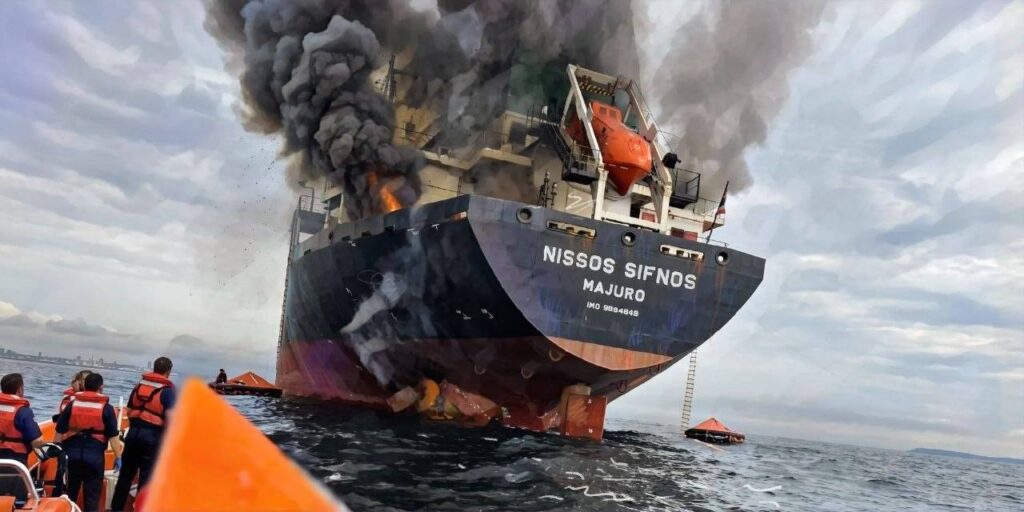
Europe’s oil market is becoming increasingly exposed to disruption as security risks rise along export routes used by Kazakhstan, which the European Union has long viewed as a reliable alternative to Russian supply. The risks extend far beyond Ukraine itself. “Russia continues escalating its attacks and targeting civilians and civilian infrastructures,” an EU spokesperson told The Times of Central Asia. “Russia’s brutal and unacceptable attacks have left people without hot water, heating and electricity in the current weather conditions. Russia’s war of aggression has also severely impacted Black Sea maritime security, including through its use of shadow fleet vessels to circumvent international sanctions, and the persistent attacks on civilian and port infrastructure in Ukraine. On the other hand, Ukraine has accepted an unconditional ceasefire in March 2025. It shows that Russia does not want peace. The EU and the entire international community need to put pressure on Russia to stop its war. “Kazakhstan plays a crucial role for Europe’s energy security and has been for years a reliable partner in diversifying energy sources and ensuring a stable supply for European markets. More than 12% of all the oil imported by the EU comes from Kazakhstan, contributing to the diversification of energy sources and reducing dependency on a limited number of suppliers. The continuous and safe functioning of the supply chain is hence key also for Europe. “Maritime safety and security in the Black Sea is a fundamental component of the new EU strategic approach to the region, adopted in May 2025. The Black Sea is a critical connector between Europe, the Southern Caucasus, Central Asia and the Eastern Mediterranean. Ensuring maritime security and safety in this region is vital not only for the littoral States but also for broader European interests and for many partner countries, as it supports trade flows, sustainable supply chains and enhanced connectivity.” Kazakhstan produced roughly 1.8 million barrels per day in 2024 and exported the bulk of that volume. More than 80% of its crude exports move through the Caspian Pipeline Consortium, or CPC, which links oil fields in western Kazakhstan to Russia’s Black Sea port of Novorossiysk. From there, tankers ship the oil mainly to European refiners. Under normal conditions, the pipeline carries roughly 1.3 million barrels per day, making it one of the most important single supply routes for non-Russian crude entering Europe. Recent events have shown how sensitive European markets are to any disruption along that corridor. On January 14, Bloomberg reported that oil prices in Europe strengthened after shipments of CPC Blend fell short of expectations. Traders cited reduced availability of the light, low-sulfur crude, which is favored by European refiners, forcing buyers to seek alternative grades at higher prices. Despite the recent tightening, traders say the market has so far absorbed disruptions without severe shortages, reflecting high inventories and flexible refinery operations, though that buffer could narrow if attacks persist. That supply pressure followed a series of security incidents in the Black Sea, where commercial shipping and port infrastructure have...

Opinion: Iranian Unrest Creates Opening for U.S., Partners in Central Asia

As protests in Iran enter their third week, nationwide unrest is exerting political strain and societal pressure on the Islamic Republic. The nation’s current escalation reflects a level of sustained mobilization comparable to Iranian demonstrations that erupted in 2022 following the death of Mahsa Amini. While the outcome of these developments remains uncertain, ongoing unrest in Iran is more likely to impact Central Asia’s existing energy, transit, and security dynamics, rather than alter the broader regional landscape. This moment nonetheless offers the United States and its partners a strategic opportunity to advance long-term objectives in Central Asia while supporting regional resilience at a time when geopolitical alignments are rapidly shifting. Combined with ongoing disruptions caused by Russia’s War in Ukraine, the recent protests in Iran may create a heightened sense of uncertainty or risk perceptions in global energy markets. In particular, the current Iranian unrest may raise concerns regarding potential oil supply disruptions and broader geopolitical tensions. For neighboring producers like Kazakhstan, which maintains an oil-dependent economy, this elevated volatility could translate into higher revenues from existing exports. Increased fiscal flexibility from rising oil revenues may therefore provide Astana with the opportunity to expand its scope for economic cooperation with Western partners. The United States, which maintains long-standing bilateral energy ties with Kazakhstan, could draw on these existing partnerships to deepen its bilateral energy and technical ties. Beyond its impact on energy markets, ongoing instability in Iran may also affect regional connectivity initiatives. For example, disruptions could emerge along the International North-South Transport Corridor (INSTC), a multimodal network connecting India, Iran, and Russia, with branches that involve the Caspian and Central Asia. Although the Kazakhstan-Turkmenistan-Iran railway sits along this route and facilitates the transport of energy resources and critical minerals across the region, the corridor currently plays a more limited role in regional transit across Central Asia. This route nonetheless remains of interest to Central Asia because it offers the region an opportunity to enhance long-term economic diversification through access to new markets in the Persian Gulf. Minor disruptions could therefore underscore the corridor’s growing geopolitical value as a connector for trade and energy transport across multiple countries and regions. This context creates a strategic opening for the United States and its partners to contribute to the region’s long-term trade and connectivity landscape. By supporting Central Asian nations in reducing reliance on Iranian transit, the United States can accelerate investment in alternative routes like the Middle Corridor that bypass both Russia and Iran. During an investors' forum in Tashkent late last year, Europe announced it would increase its investment in the Middle Corridor. However, the United States continues to remain on the periphery of this project. By collaborating with European partners to enhance infrastructure along this route during a critical time, the United States can help Central Asian nations position the Middle Corridor as the region’s most resilient and viable alternative for trade and exports. This would ultimately advance shared interests by enhancing Central Asia’s connectivity and facilitating greater U.S....