• KGS/USD = 0.01143 -0%
  • KZT/USD = 0.00198 -0%
  • TJS/USD = 0.10899 0.65%
  • UZS/USD = 0.00008 -0%
  • TMT/USD = 0.28490 -0.28%
  • KGS/USD = 0.01143 -0%
  • KZT/USD = 0.00198 -0%
  • TJS/USD = 0.10899 0.65%
  • UZS/USD = 0.00008 -0%
  • TMT/USD = 0.28490 -0.28%
  • KGS/USD = 0.01143 -0%
  • KZT/USD = 0.00198 -0%
  • TJS/USD = 0.10899 0.65%
  • UZS/USD = 0.00008 -0%
  • TMT/USD = 0.28490 -0.28%
  • KGS/USD = 0.01143 -0%
  • KZT/USD = 0.00198 -0%
  • TJS/USD = 0.10899 0.65%
  • UZS/USD = 0.00008 -0%
  • TMT/USD = 0.28490 -0.28%
  • KGS/USD = 0.01143 -0%
  • KZT/USD = 0.00198 -0%
  • TJS/USD = 0.10899 0.65%
  • UZS/USD = 0.00008 -0%
  • TMT/USD = 0.28490 -0.28%
  • KGS/USD = 0.01143 -0%
  • KZT/USD = 0.00198 -0%
  • TJS/USD = 0.10899 0.65%
  • UZS/USD = 0.00008 -0%
  • TMT/USD = 0.28490 -0.28%
  • KGS/USD = 0.01143 -0%
  • KZT/USD = 0.00198 -0%
  • TJS/USD = 0.10899 0.65%
  • UZS/USD = 0.00008 -0%
  • TMT/USD = 0.28490 -0.28%
  • KGS/USD = 0.01143 -0%
  • KZT/USD = 0.00198 -0%
  • TJS/USD = 0.10899 0.65%
  • UZS/USD = 0.00008 -0%
  • TMT/USD = 0.28490 -0.28%
07 December 2025

Viewing results 1 - 6 of 53

Uzbekistan and IAEA Agree on Roadmap for Peaceful Nuclear Cooperation

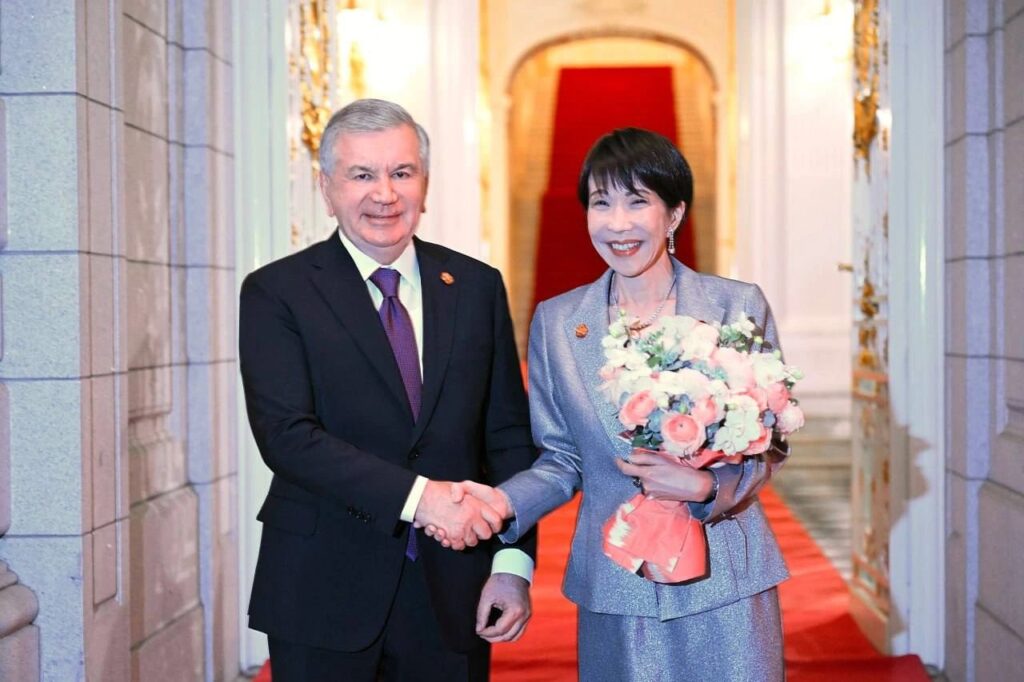
Uzbekistan and the International Atomic Energy Agency (IAEA) have agreed on a comprehensive roadmap to expand cooperation in peaceful nuclear development. The agreement was reached during the meeting on December 4 between Uzbekistan’s President Shavkat Mirziyoyev and IAEA Director General Rafael Grossi, where they discussed broadening bilateral cooperation and exploring new areas of practical partnership. A History of Collaboration Uzbekistan has been a member state of the IAEA since 1994. Over the past three decades, more than 40 joint projects have been implemented with the technical assistance of the agency. Currently, five active projects focus on strengthening Uzbekistan’s legal framework and institutional capacity, as well as advancing nuclear science, healthcare, and related sectors. Mirziyoyev praised the productive results of the IAEA delegation’s meetings with Uzbekistan’s ministries, agencies, and scientific organizations. He also welcomed the upcoming International Conference on Nuclear Energy, which will be held in Samarkand on December 5 with the participation of leading experts in the field. Priority Areas for Cooperation The meeting outlined several key priorities for Uzbekistan-IAEA cooperation, including: • Enhancing the capacity and competence of national agencies. • Preparing high-skilled personnel for nuclear-related fields. • Developing nuclear energy, agriculture, water use, healthcare, and ecological programs under the IAEA’s guidance. Adoption of a Joint Roadmap As a result of the meeting, Uzbekistan and the IAEA agreed to adopt a joint roadmap to strengthen multidimensional cooperation in peaceful nuclear development. Nuclear Power Plant Construction In related developments, The Times of Central Asia has previously reported that Russia’s Atomstroyexport and Uzbekistan’s Directorate for NPP Construction have signed a contract to build a small-capacity nuclear power plant (SCNPP) in the Jizzakh region. The plant will feature a Russian-designed ASMP with a total capacity of 330 MW, consisting of six 55 MW reactors. Rosatom will serve as the primary contractor, with contributions from local Uzbek companies. The collaboration between Uzbekistan and the IAEA, along with the planned nuclear power plant, highlights the country’s commitment to advancing nuclear technology for peaceful purposes while addressing energy and sustainability challenges.

Central Asia to Develop a Unified Platform for Electricity Trade

Uzbekistan's Deputy Minister for Energy Umid Mamadaminov announced at the European Economic Days in Tashkent on November 6 that a unified platform for electricity trade is being developed in Central Asia. Mamadaminov said that Uzbekistan is developing this platform with the support of the World Bank and other partners. “Infrastructure is very important for integrating renewable energy sources such as wind and solar, and many countries face this problem. We need at least 5,000 km of power lines, including 500 kV and 200 kV high-voltage lines and substations,” Mamadaminov said. At least 2,000 km of power lines should be built in the next two years. “We have already signed contracts to install more than 2,000 MW of energy storage systems with a total capacity of more than 400 MW, as each is a two-cycle network. We will have at least 4,000 MW of basic capacity in the next two years. This helps to respond to fluctuations in solar energy production quickly,” the deputy minister said. According to Mamadaminov, automation is the main problem in integrating renewable energy sources into the electric grid because the system cannot be controlled without it. In addition, this year, reforms to modernize and regulate energy consumption, including a new plan developed by the Cabinet of Ministers, were implemented in Uzbekistan. Uzbekistan’s energy system, especially electricity generation, relies heavily on fossil fuels. However, the country aims to produce 25% of its electricity from renewable sources by 2030. Uzbekistan plans to focus on solar energy while using wind, biomass, and hydro sources to achieve this goal. The government is working to attract investors to build 8 GW of solar and wind power and increase hydroelectric capacity to 1.935 GW by 2030. Biogas production from biomass and organic waste will also be developed.

Uzbekistan Aims to Develop Agriculture with Smarter Water and Energy Use

Uzbekistan's President Shavkat Mirziyoyev recently held a meeting on the efficient use of water and energy in agriculture. More than 1,600 pumping stations currently use 6.8 billion kilowatts of electricity to irrigate 2.5 million hectares. Through the partnership, electricity consumption can be reduced by 20% by upgrading pumps and solar panels. For example, 92 farmers installed modern pumps in the Khorezm region, saving 20% of electricity. Some sold excess solar energy to the state and received an additional monthly income of 7-8 million UZS ($548-626). Water-saving technologies have helped Uzbekistan save 2 billion cubic meters of water in an area of more than 2 million hectares, and more than 50 local companies are producing these devices. However, some drip irrigation systems are still not working, and the 10 billion UZS ($780,000) subsidy allocated for laser leveling in Karakalpakstan hasn’t been used. Khorezm was also instructed to extend the subsidy for laser leveling to 1 million UZS ($78.00) per hectare and improve control over these technologies. Next year, 700 billion UZS ($54 million) in subsidies and 2.5 trillion UZS ($195 million) in credit will be used for water-saving technology. Additionally, flood reservoirs will be built in 13 districts, improving the water supply for 50,000 hectares. Mirziyoyev emphasized that real change requires digitization. About 1,700 online monitoring devices and 12,000 smart water devices are already in place, but Uzbekistan needs a system to collect and analyze this data. To address this, a Water Management Digitization Center will be set up to manage a new unified system for tracking water use.

Kazakhstan’s Return to Nuclear Power: TCA in Association with American Foreign Policy Council Hosts Inaugural Burgut Expert Talk

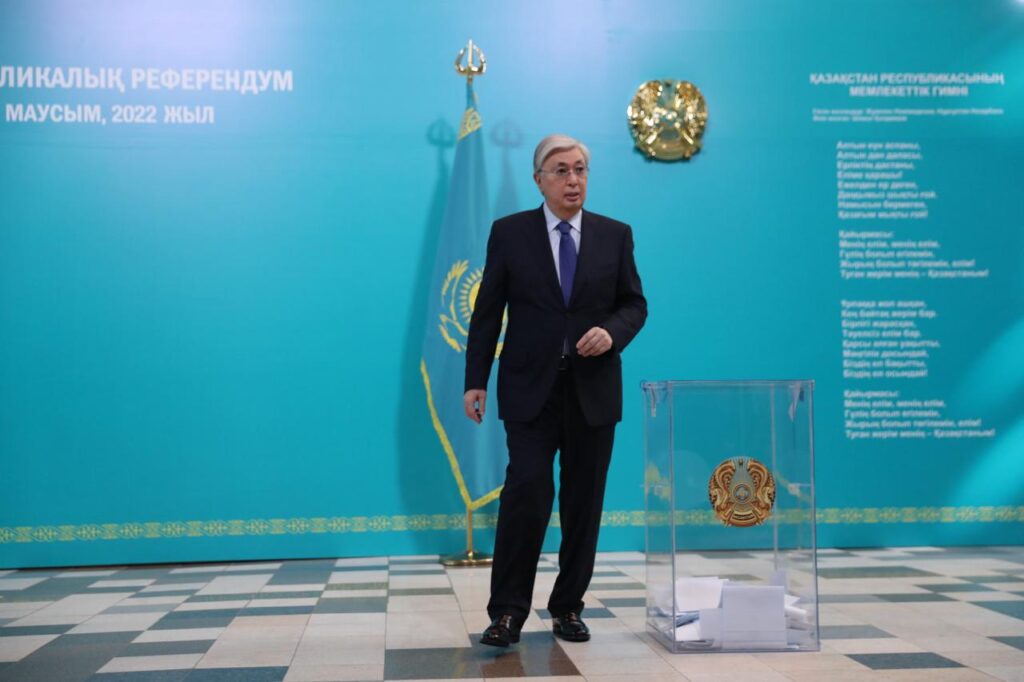
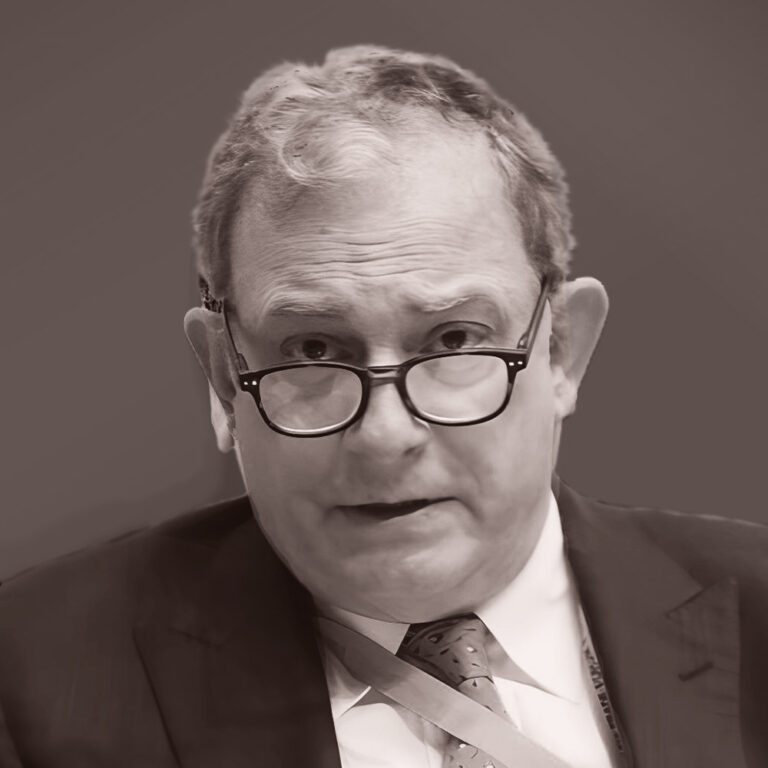
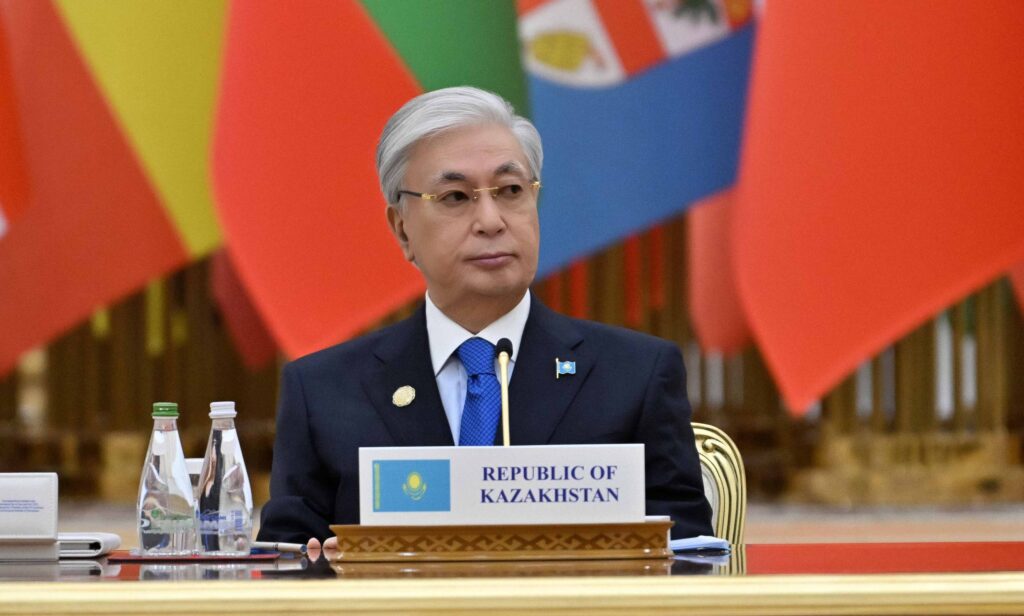
On October 6 of this year, the people of Kazakhstan participated in a referendum to decide whether nuclear power should become a part of their daily lives, or whether the haunting legacy of atomic testing would continue to limit the country’s progress in this area. The official preliminary results, released on October 7, showed that 71.12% of participants agreed to the construction of a nuclear power plant in Kazakhstan with a voter turnout of 63.66%. President Tokayev’s goal in holding a referendum was to ensure that arguments in favor of nuclear energy were compelling, and that citizens, scientists, and government officials were involved in the decision-making process. Tokayev has since suggested that an “international consortium made up of global companies equipped with cutting-edge technologies” should be involved in the project. In partnership with the American Foreign Policy Council, on October 30, 2024, The Times of Central Asia convened a virtual event to discuss what the referendum result means for energy security, geopolitics, and new business opportunities for both regional and global actors. Moderating this event was Mamuka Tsereteli, Senior Fellow for Eurasia at the American Foreign Policy Council, whilst the panel comprised Askar Alimzhanov, Senior Editor at The Times of Central Asia, Stephen M. Bland, Senior Editor and Head of Investigations at The Times of Central Asia, and James Walker, CEO and Head of Reactor Development at NANO Nuclear Energy. Focusing on a local perspective, Askar Alimzhanov told those in attendance that “Kazakhstan is in tough situation today regarding the issue of energy dependence. Because we have the largest nuclear test site in the world and during around 50 years there were just under 500 atomic tests, we all know about the possible consequence. As consumers, however, we’ve seen prices rise around 26% in one year. The population of the country is growing, so when we talk about the annual growth in energy consumption, this is a natural process. “Since the majority of voters have already made their decision, the main question which remains is who will build it? However, serious concerns persist within society including the fear of corruption, which can result in poor quality structures. As an example, we can talk about the light rail transportation network in Astana, which started in 2009 and still isn’t finished. The officials who stole the money, they still have those funds abroad.” [video width="1920" height="1080" mp4="https://timesca.com/wp-content/uploads/2024/11/Burgut-Expert-Talk-Kazakhstans-Return-to-Nuclear-Power1.mp4"][/video] Speaking about energy dependence and geopolitical considerations, Stephen M. Bland noted that “Kazakhstan's energy landscape is characterized by a reliance on aging thermal power plants, which are increasingly unable to meet the demands of a growing population and economy, with electricity shortages projected to worsen, particularly in the rapidly developing southern regions. The construction of a nuclear power plant, therefore, is seen as a crucial step toward alleviating these shortages, reducing dependence on overpriced imports from Russia, and achieving carbon neutrality goals. “The construction of Kazakhstan's first nuclear power plant presents both challenges and opportunities for the country's energy independence and regional influence. On one hand, developing a robust nuclear energy sector could...

Kazakhstan’s Energy Ministry Discusses Nuclear Plant Construction With South Korea

From October 22 to 25, a delegation from Kazakhstan led by Energy Minister Almasadam Satkaliev visited South Korea. As part of the visit, meetings were held with representatives of leading Korean energy companies and government agencies. The key topics of the talks were cooperation issues in the nuclear power industry. In addition, at the meeting with the South Korean Minister of Trade, Industry, and Energy, they discussed opportunities to expand cooperation in the oil and gas sector and renewable energy. Satkaliev also met with the management of major Korean companies, including Doosan Enerbility, Korea Hydro & Nuclear Power (KHNP), Korea Electric Power Corporation (KEPCO), Korea National Oil Corporation (KNOC), and Samsung C&T. During the talks, the parties considered the prospects of Korean companies participating in an international consortium, which Kazakhstan is studying as a model for implementing the project to build a nuclear power plant. As the minister specified, the final decision on this issue is expected in 2025. Negotiations with Doosan Enerbility concluded with the signing of a memorandum of understanding. This document provides for studying opportunities to localize the Korean company's operation in Kazakhstan and establish a representative office of the plant in Astana. Now, Doosan Enerbility cooperates with Kazakhstan to construct a gas turbine power plant with a capacity of 1000 MW in the Turkestan region. In addition, the company, together with KEPCO KPS, is conducting a technical audit of Kazakhstan's energy infrastructure to reduce emissions and extend the life of the equipment. After the October 6 referendum, in which Kazakhstanis supported the construction of the first nuclear power plant, President Kasym-Jomart Tokayev proposed the creation of an international consortium to implement the project. He emphasized that this project requires the participation of the world's leading companies with modern technology and experience to ensure the safety and efficiency of construction. Russia's Rosatom, South Korea's KHNP, France's EDF, and China's CNNC are considered potential participants. These companies are expected to work together to transfer technology and attract investment, which is particularly important for Kazakhstan as it seeks to reduce energy dependence and strengthen the country's energy security. Construction of the plant is planned to begin on the shores of Lake Balkhash and be completed by 2035. A final decision on the structure of the consortium is expected by 2025.

Rogun HPP Faces Criticism for Violating World Bank Standards

The international environmental coalition Rivers without Boundaries has released a report titled “Rogun Hydroelectric Power Plant Project: Non-Compliance Report with World Bank Requirements.” Outlining how the Rogun HPP in Tajikistan fails to meet the World Bank’s environmental and social standards, the report highlights violations in six key areas: environmental assessment, biodiversity protection, resource efficiency, dam safety, public participation, and forced displacement. It also highlights non-compliance with the bank’s policies on financing investment projects. The report’s authors point out that the situation worsened as a result of the World Bank taking responsibility for developing environmental and social safeguards for the Rogun HPP project on behalf of all financiers, including major banks like the AIIB, ADB, and EIB. In accepting this move, these institutions have effectively treated the World Bank's standards as their own. Therefore, if these standards are violated, the standards of other financial institutions are also breached. “We are convinced that the presented version of the Rogun HPP project does not comply with the social and environmental principles of the World Bank and should not be financed by international development banks in its current form,” said Evgeny Simonov, coordinator of the international environmental coalition 'Rivers Without Borders.' “Due to non-compliance with banking standards and procedures, the project includes many ineffective and risky elements that could lead to serious environmental and social damage during its implementation.” The report was created under the international Rogun Alert initiative, which represents environmental organizations worldwide. Last week, it was sent to all international development banks involved in the Rogun project. On October 23, an open letter signed by 124 public organizations, including Rivers Without Borders, highlighting the risks of financing large dam projects, including Rogun, will be presented to the World Bank management. According to the source, urgent international public consultations on the environmental and social impact of the construction of the Rogun HPP on the basin countries are planned for October 28 of this year.