• KGS/USD = 0.01144 0%
  • KZT/USD = 0.00216 0%
  • TJS/USD = 0.10659 0%
  • UZS/USD = 0.00008 0%
  • TMT/USD = 0.28530 0%
  • KGS/USD = 0.01144 0%
  • KZT/USD = 0.00216 0%
  • TJS/USD = 0.10659 0%
  • UZS/USD = 0.00008 0%
  • TMT/USD = 0.28530 0%
  • KGS/USD = 0.01144 0%
  • KZT/USD = 0.00216 0%
  • TJS/USD = 0.10659 0%
  • UZS/USD = 0.00008 0%
  • TMT/USD = 0.28530 0%
  • KGS/USD = 0.01144 0%
  • KZT/USD = 0.00216 0%
  • TJS/USD = 0.10659 0%
  • UZS/USD = 0.00008 0%
  • TMT/USD = 0.28530 0%
  • KGS/USD = 0.01144 0%
  • KZT/USD = 0.00216 0%
  • TJS/USD = 0.10659 0%
  • UZS/USD = 0.00008 0%
  • TMT/USD = 0.28530 0%
  • KGS/USD = 0.01144 0%
  • KZT/USD = 0.00216 0%
  • TJS/USD = 0.10659 0%
  • UZS/USD = 0.00008 0%
  • TMT/USD = 0.28530 0%
  • KGS/USD = 0.01144 0%
  • KZT/USD = 0.00216 0%
  • TJS/USD = 0.10659 0%
  • UZS/USD = 0.00008 0%
  • TMT/USD = 0.28530 0%
  • KGS/USD = 0.01144 0%
  • KZT/USD = 0.00216 0%
  • TJS/USD = 0.10659 0%
  • UZS/USD = 0.00008 0%
  • TMT/USD = 0.28530 0%

Viewing results 1 - 6 of 45

Diplomacy in Detail: Where Each Central Asian Leader Traveled to in 2024

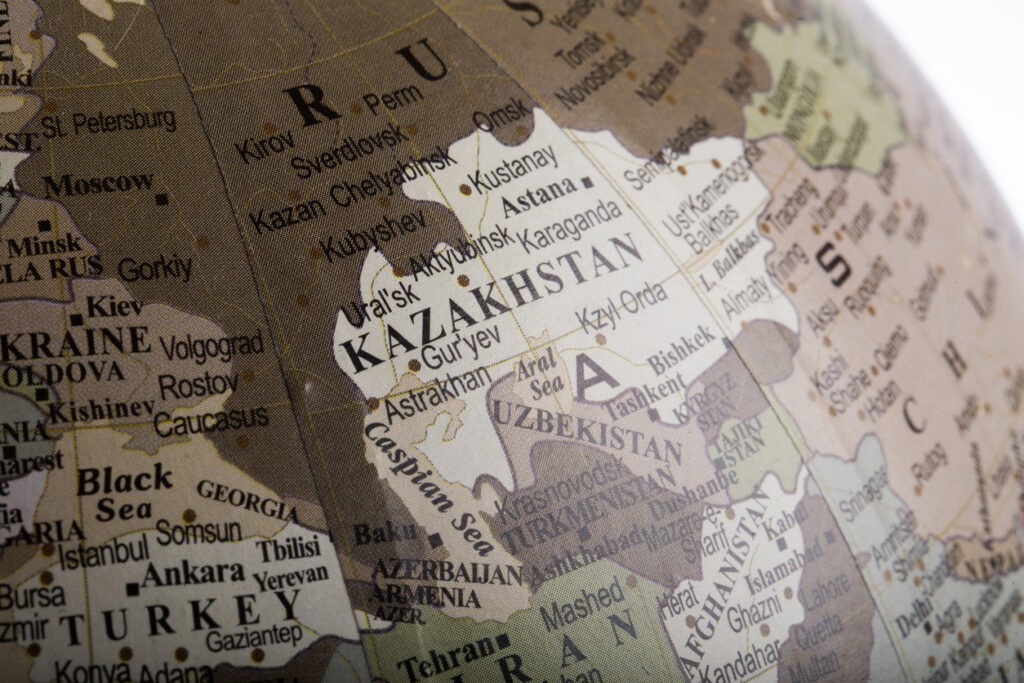
Central Asia is often synonymous with the term "multi-vector foreign policy," enabling its nations to navigate the competing interests of global and regional powers effectively. This "open door" strategy, grounded in the principle of "my friend's friend is my friend," has consistently granted Central Asian countries a distinctive role on the international stage, aiding them in achieving their foreign policy objectives despite shifting geopolitical dynamics. Drawing from official sources, we analyze the frequency and geography of foreign visits by the leaders of Central Asia in 2024, offering insights into their diplomatic engagements. Turkmenistan President Serdar Berdimuhamedov embarked on eight foreign trips in 2024. Among these, only one - a bilateral visit to Malaysia - was not tied to multilateral events. The other seven engagements showcased Turkmenistan’s participation in global diplomacy: XVI BRICS Summit (Kazan) CIS Heads of State Summit (Moscow) Victory Day Celebration (Moscow) Informal CIS Leaders' Meeting (St. Petersburg) Central Asia-Germany Summit (Astana) Sixth Consultative Meeting of Central Asian Leaders (Astana) UN COP28 Conference (Dubai) This year, Berdimuhamedov visited Russia four times, and Kazakhstan twice, and made single trips to the UAE and Malaysia. In parallel, his father and the previous president, Gurbanguly Berdimuhamedov, conducted 10 trips, including four bilateral visits to the UAE and Tajikistan and two to Iran. His international commitments included: One Water Summit (Riyadh) Turkic States’ Council of Elders (Budapest) V World Nomad Games Opening Ceremony (Astana) SCO Summit (Astana) Russia-Islamic World: KazanForum (Kazan) Antalya Diplomatic Forum (Antalya) Tajikistan President Emomali Rahmon undertook 22 foreign trips in 2024, six of which were bilateral, with visits to Russia, Iran, Azerbaijan, Italy/Vatican, and Qatar (twice). Multilateral engagements included: CSTO Summit (Astana) Central Asia-Germany Summit (Astana) Sixth Consultative Meeting of Central Asian Leaders (Astana) SCO Plus Meeting (Astana) COP29 Climate Conference (Baku) Arab-Islamic Extraordinary Summit (Riyadh) UN COP28 Conference (Dubai) UN General Assembly (New York) Uzbekistan President Shavkat Mirziyoyev made 18 international visits, including state visits to Turkey, China, and Tajikistan. He participated in numerous events: COP29 Climate Conference (Baku) Turkic States Informal Summit (Shusha) Arab-Islamic Summit (Riyadh) UN COP28 Conference (Dubai) SCO Meeting (Astana) BRICS+ Summit (Kazan) Kazakhstan President Kassym-Jomart Tokayev led the region in diplomatic outreach with 23 visits. Eleven of these were state visits to Hungary, Serbia, France, Italy/Vatican, Qatar, Azerbaijan, Armenia, Tajikistan, Mongolia, and Singapore. Key multilateral events included: Doha Forum (Doha) One Water Summit (Riyadh) COP29 Climate Conference (Baku) Boao Forum (Boao) Tokayev visited Russia five times, and Azerbaijan three times, and made additional trips to Saudi Arabia, UAE, and other countries in Europe and Asia. Kyrgyzstan President Sadyr Japarov also made 23 foreign visits, including eight state visits to South Korea, Uzbekistan, Kazakhstan, Azerbaijan, Belgium, Germany, Austria, and Italy/Vatican. He attended numerous multilateral forums: CSTO Summit (Astana) Central Asia-Germany Summit (Astana) UN COP28 Conference (Dubai) BRICS+ Summit (Kazan) Japarov visited Russia five times, and Kazakhstan four times, and made single trips to several European and Asian countries. In 2024, Tokayev and Japarov led the region in the number of foreign visits. While...

Opinion: What Will a New Trump Presidency Mean for Central Asia?

During his first presidency, Donald Trump introduced a foreign policy approach that recalibrated U.S. engagement with Central Asia, a region strategically critical yet overshadowed by the influence of China and Russia. Trump’s policies, targeting the collective challenge of CRINK (China, Russia, Iran, and North Korea), aimed to foster regional autonomy and counter external dependency. This policy shift, aimed at countering the global influence of CRINK has extended to the vital region of Central Asia. Further, it is geographically wedged between Russia and China and serves as a critical bridge for U.S. interests. The CRINK nations, in their regional strategies, have made substantial inroads in Central Asia. Additionally, each nation is pursuing influence through economic, political, or military avenues. China’s Belt and Road Initiative (BRI) and Russia’s Eurasian Economic Union, for instance, have been noted as major forces reshaping Central Asian economies as well as infrastructure. In 2013, the BRI of China was launched, which has channeled billions into roads, railways, and other infrastructure projects in Central Asia, seeking to create new trade routes connecting Asia to Europe. On the other side, Russia has promoted its Eurasian Economic Union as a trading bloc that has aimed at fostering economic integration among Central Asia and neighboring countries. These initiatives have provided economic incentives for Central Asia but also intensified its reliance on external powers, particularly China and Russia​. During his presidency, Trump emphasized a CRINK-focused strategy, which prioritized Central Asia's sovereignty and reduced dependency on China and Russia. This strategy laid the groundwork for U.S. engagement in the region, influencing current policy directions. In 2020, Trump’s administration unveiled a comprehensive strategy for Central Asia, marking the first such effort in over two decades. The policy emphasized U.S. support for border security and defense collaboration, including financial aid to Tajikistan and military training for Kazakhstan and Uzbekistan. These measures, though initiated under Trump, continue to shape current U.S. approaches to combating terrorism and fostering regional stability. For example, the U.S. has established the C5+1 initiative as a dialogue platform between the United States and the five Central Asian nations (Kazakhstan, Uzbekistan, Kyrgyzstan, Turkmenistan, and Tajikistan). It was developed further to promote mutual goals in regional security, economic development, and environmental resilience​. Security cooperation is a vital aspect of this U.S. strategy which has given the threats of terrorism and also potential instability at CRINK’s peripheries (Sciutto, 2024). In particular, Afghanistan’s proximity to Central Asia poses both risks as well as opportunities for these nations. The U.S. has provided financial support to Tajikistan to strengthen border security and counter drug trafficking. Furthermore, while also assisting Kazakhstan and Uzbekistan with training and equipment to improve their defense capabilities the US has financially supported the nation. This military cooperation has aimed to prevent the encroachment of extremist groups like ISIS, which could exploit regional instability and threaten U.S. interests​. Trump’s presidency emphasized private sector investments as an alternative to China’s Belt and Road Initiative. Although modest compared to China’s commitments, these investments reflected an effort to...

U.S. Ambassador to Kazakhstan Daniel Rosenblum Resigns

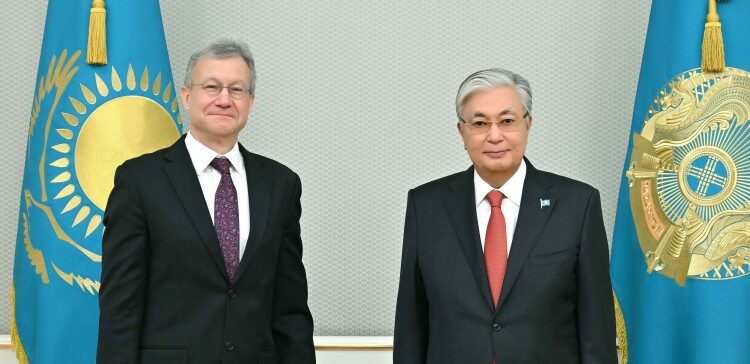
U.S. Ambassador to Kazakhstan Daniel Rosenblum has announced his resignation, effective January 20, 2025. His departure coincides with similar resignations by U.S. Ambassadors Philip Goldberg in South Korea and Mark Libby in Azerbaijan, all stepping down from diplomatic service. The timing of these resignations has sparked speculation, as it aligns with the start of a new presidential term for Donald Trump. End of a Distinguished Career Rosenblum informed the Kazakh government of his decision on November 26, concluding a nearly 28-year career with the U.S. State Department. He has served as Chief of Mission in Kazakhstan since November 2022, representing the United States through five presidential administrations and eight secretaries of state. “It has been a tremendous honor to serve as U.S. Ambassador to Kazakhstan. I have developed a deep respect for the country’s culture, traditions, and people,” Rosenblum said. Under his tenure, bilateral relations flourished, with progress in trade, investment, cultural exchange, university partnerships, and security cooperation. Rosenblum also emphasized his admiration for Kazakhstan’s family-oriented values and expressed optimism about its future: “Kazakhstan’s future is bright, and its opportunities are virtually limitless because the country is built on strong family traditions,” he remarked. While Rosenblum plans to retire from the State Department, he expressed a desire to return to Central Asia, possibly as a tourist or in another capacity. Transition at the U.S. Embassy Deputy Chief of Mission Deborah Robinson will serve as Chargé d’Affaires until a new ambassador is appointed and confirmed. The U.S. Consul General in Almaty, Michelle Erkin, will also continue her work. Rosenblum’s predecessor, William Moser, ended his term in September 2021, preceding Rosenblum’s appointment in late 2022. Resignations in South Korea and Azerbaijan Rosenblum’s resignation coincides with similar announcements by Philip Goldberg, U.S. Ambassador to South Korea, and Mark Libby, U.S. Ambassador to Azerbaijan. Goldberg, who has served in diplomatic roles for nearly 35 years, plans to step down in January 2025. His tenure in South Korea began in July 2022, during the administration of President Yoon Suk-Yeol, and was marked by efforts to strengthen the U.S.-Korea alliance and enhance trilateral cooperation with Japan. Mark Libby’s resignation reflects similar timing, with discussions focusing on the alignment of these departures with the return of Donald Trump to the U.S. presidency. A Broader Diplomatic Crisis? These resignations occur against the backdrop of challenges in the U.S. diplomatic service, highlighted in a report by the Senate Foreign Relations Committee. The report detailed staffing issues during Trump’s first term, with several key State Department positions either unfilled or held by interim appointees. The conclusion of Rosenblum’s distinguished career marks the end of a productive chapter in U.S.-Kazakh relations, leaving his successor with the task of continuing to foster this important bilateral partnership.

Kazakhstan’s Middle Power Strategy Captures U.S. Focus in Trump-Tokayev Talks

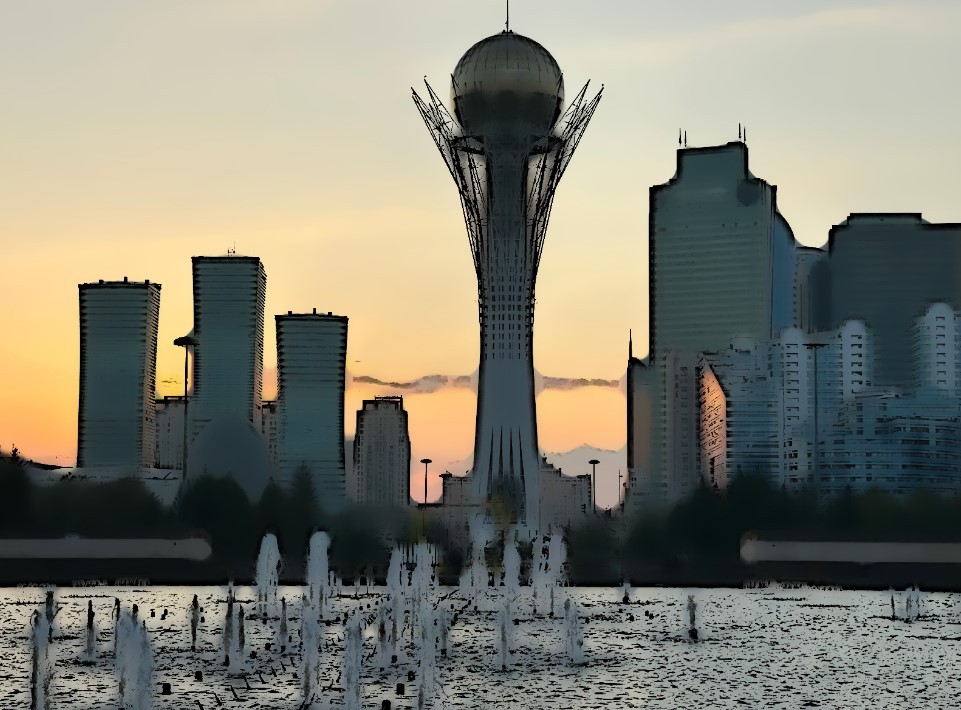
On December 5, a telephone conversation took place between Kazakhstan's President Kassym-Jomart Tokayev and U.S. President-elect Donald Trump. According to Akorda, the official residence of the Kazakh president, Tokayev congratulated Trump on his election and both leaders expressed a commitment to strengthening their strategic partnership in trade, investment, and nuclear non-proliferation. They also agreed to maintain regular contact to sustain the momentum of bilateral cooperation. Kazakhstan as a Mediator This brief but significant interaction has fueled speculation that Trump may view Kazakhstan as a potential mediator in negotiations between Russia and Ukraine. International expert Arkady Dubnov has suggested that Astana could become a platform for dialogue involving Trump, Vladimir Putin, and Volodymyr Zelensky, or other high level representatives. This aligns with Kazakhstan’s diplomatic efforts to promote mediation and its firm belief that the ongoing conflict can only be resolved at the negotiating table. Tokayev and the Role of Middle Powers Under Tokayev’s leadership, Kazakhstan has consolidated its status as a “Middle Power.” The term gained prominence in May during Tokayev’s Singapore Lecture, part of a prestigious series organized by the Yusof Ishak Institute (ISEAS). In his speech, “Kazakhstan and the Role of Middle Powers: Promoting Security, Stability, and Sustainable Development,” Tokayev emphasized the risks of global polarization and the need for middle powers to act against a new Cold War. Tokayev revisited this concept in an article for the French newspaper Figaro, highlighting the growing influence of middle powers amidst the deadlock faced by global superpowers, such as the United States and China. Tokayev wrote, “The economic and political importance of these countries is growing, and their balanced and constructive position is becoming an advantage in the face of global uncertainty.” At the Astana Think Tank Forum in October, Tokayev reiterated this idea, calling for the reform of the UN Security Council to amplify the voices of regional and middle powers. “The Security Council is in a deadlock, and we need to find a way out,” Tokayev stated. Trump's Strategy Trump’s outreach to Tokayev appears to validate these concepts. Following his election, Trump has engaged with the leaders of regional and middle powers, including India, Israel, Canada, and South Korea, signaling a possible strategy to build a coalition of such nations for his proposed reforms to the global security architecture. Kazakhstan's balanced and constructive foreign policy, combined with its emphasis on multilateralism, positions it as an effective interlocutor in global conflicts. Tokayev’s vision of middle powers as mediators may prove instrumental in shaping a more inclusive and cooperative international order.

Trump’s Bid for Ukraine-Russia Peace: Could Kazakhstan Be the Key Mediator?

One of the anticipated top priorities of Donald Trump’s presidency is ending Russia's war in Ukraine while normalizing relations with Moscow. Writing on his Truth Social channel, Trump stated that, “Together, we will secure PEACE THROUGH STRENGTH, and Make America, and the World, SAFE AGAIN!” Trump’s nominee to serve as Special Envoy for Ukraine and Russia, 80-year-old former national security advisor, General Keith Kellogg, laid out his plan in writing for the America First policy institute, whilst focusing on characterizing the war “an avoidable crisis that, due to the Biden Administration’s incompetent policies [which] has entangled America in an endless war.” There are fears, however, that Kellogg’s proposal to reach a ceasefire by freezing the frontlines and forcing both sides the negotiating table will lead to a tumultuously violent period as Moscow seeks to swallow up territory. Meanwhile, NATO’s new secretary-general, Mark Rutte, has warned that compelling Ukraine into a “bad peace” would pose a “dire threat” to the U.S. itself. Whilst the framework for bringing a pause to hostilities is becoming clearer, it appears that Trump (or his representative) will need to meet with Vladimir Putin, and Kazakhstan has emerged as a potential venue for this high-stakes meeting. Kazakhstan's Role as Mediator Russian political analyst, Arkady Dubnov, has argued that Putin’s recent state visit to Astana may be an indication that Kazakhstan could play a pivotal role, and that given Putin’s limited travel options due to the International Criminal Court’s arrest warrant against him, Kazakhstan, with its reputation for diplomacy, would be a logical choice. “Putin is essentially restricted from visiting most of the Western Hemisphere,” Dubnov explained. “This leaves the Eurasian East, and among its cities, Astana stands out. Kazakhstan has hosted OSCE and CICA summits, mediated in the Syrian conflict, and facilitated peace talks over the future of the South Caucasus.” Dubnov sees Putin’s visit to Astana as indirectly tied to a possible meeting with Trump. “The Kremlin trusts Kazakhstan as an ally while respecting its constructive relations with the U.S. and the broader West,” he stated. Kazakhstan has long been recognized as a neutral ground where East and West can find commonality. The Astana process on Syria, initiated in 2017, helped prevent the escalation of hostilities for years, whilst Kazakhstan has mediated in other long-standing disputes, such as the conflict between Armenian and Azerbaijan. Given this history, it is conceivable that a reconciliation process between Russia and Ukraine could start in Astana. Neither the Minsk agreements of 2014, nor discussions in Istanbul in 2022 achieved lasting peace, but Kazakhstan’s diplomatic efforts could provide fresh impetus. Early Peace Efforts In March 2022, Kazakh President Kassym-Jomart Tokayev spoke with Ukrainian President Volodymyr Zelensky, emphasized the urgency of negotiations to bring a halt to hostilities, a stance that has since gained momentum as the war drags on. By 2024, the validity of Tokayev’s view — that negotiations are the only viable path to end the bloodshed — has become increasingly apparent. Kazakhstan’s diplomatic corps has actively pushed for peace....

Kazakh Deputy PM Zhumangarin: Our Industries Come Before Sanctions

Kazakhstan has clarified its position on sanctions against Russia imposed as a result of Russia's invasion of Ukraine. Primarily, Kazakhstan will not support measures that could negatively impact its economy. Speaking to Russian state media outlet Tass, Deputy Prime Minister Serik Zhumangarin underscored that Kazakhstan will not act as a conduit for circumventing sanctions, as doing so could severely affect its domestic industries. However, he emphasized the nation's commitment to safeguarding its economic interests, particularly in sectors where products might fall under sanction restrictions. “We have explicitly stated that we will not impose restrictions on these goods, as behind them are large labor collectives and enterprises, often located in single-industry towns,” Zhumangarin explained. During Russian President Vladimir Putin's visit to Kazakhstan on November 27-28, he met with Kazakh President Kassym-Jomart Tokayev. The leaders issued a joint statement condemning unilateral sanctions, citing their detrimental effects on global trade, economic cooperation, and sustainable development. They reaffirmed their commitment to principles of open and non-discriminatory international trade. By maintaining a neutral stance on sanctions, Kazakhstan seeks to minimize economic risks while prioritizing the interests of its workforce and industries. As The Times of Central Asia previously reported, Kazakhstan’s Ambassador to Russia, Dauren Abayev, noted that Kazakh companies aim to avoid secondary sanctions but will continue fostering close cooperation with Russia. In an August interview with Bloomberg, Zhumangarin reiterated that Kazakhstan would not blindly adhere to sanctions against Russia but would consider international restrictions. He highlighted that while Kazakhstan aims to protect its companies from trade bans, it cannot completely disregard sanctions due to the risk of economic isolation. Furthermore, Kazakhstan's Minister of National Economy, Nurlan Baibazarov, addressed concerns in early November regarding including Kazakh companies on UK sanctions lists. He emphasized that these cases mostly involved transient firms, asserting that Kazakhstan continues to comply with international regulations.