• KZT/USD = 0.00211
  • TJS/USD = 0.10810
  • UZS/USD = 0.00008
  • TMT/USD = 0.29760
  • KZT/USD = 0.00211
  • TJS/USD = 0.10810
  • UZS/USD = 0.00008
  • TMT/USD = 0.29760
  • KZT/USD = 0.00211
  • TJS/USD = 0.10810
  • UZS/USD = 0.00008
  • TMT/USD = 0.29760
  • KZT/USD = 0.00211
  • TJS/USD = 0.10810
  • UZS/USD = 0.00008
  • TMT/USD = 0.29760
  • KZT/USD = 0.00211
  • TJS/USD = 0.10810
  • UZS/USD = 0.00008
  • TMT/USD = 0.29760
  • KZT/USD = 0.00211
  • TJS/USD = 0.10810
  • UZS/USD = 0.00008
  • TMT/USD = 0.29760
  • KZT/USD = 0.00211
  • TJS/USD = 0.10810
  • UZS/USD = 0.00008
  • TMT/USD = 0.29760
  • KZT/USD = 0.00211
  • TJS/USD = 0.10810
  • UZS/USD = 0.00008
  • TMT/USD = 0.29760
03 August 2026

Viewing results 1 - 6 of 108

Kazakhstan Suspends Extradition of Navalny Associate as Courts Weigh Asylum Claim

Kazakhstan has suspended the extradition of Yulia Yemelyanova, a former staff member of Alexei Navalny’s St. Petersburg office, to Russia. Yemelyanova was detained in Almaty in August 2025 after the Russian authorities requested her transfer. The Prosecutor General’s Office halted the extradition after her lawyers filed appeals linked to her asylum claim. Earlier this month, authorities approved Russia’s request despite her pending asylum application. Her lawyer subsequently stated that he would challenge that approval before the Supreme Court. Russian investigators have accused Yemelyanova of theft linked to a 2021 case. Her defense rejects the charge and argues that the prosecution is politically motivated. Yemelyanova’s case fits into a broader pattern of extradition proceedings involving Russian nationals who relocated to Kazakhstan after Russia launched its full-scale invasion of Ukraine in February 2022. In late September 2022, Kazakhstan’s Interior Ministry stated that nearly 100,000 Russians had entered the country following Moscow’s announcement of partial mobilization on September 21. “Most of them have to leave because of the hopeless situation. We have to take care of them and secure their safety,” Kazakh President Kassym-Jomart Tokayev said at the time. Many have remained. Kazakhstan’s Interior Ministry reported that more than 80,000 Russian citizens received work-related residence permits between January 2023 and September 2024. Opinion in Kazakhstan on Navalny spans a wide and often divergent spectrum. When news of his death in a Russian penal colony broke in February 2024, responses across Central Asia ranged from sympathy to indifference. In Kazakhstan, some civic activists expressed concern over political repression in Russia, while others recalled Navalny’s past nationalist rhetoric and critical comments about migration from Central Asia. Those divergent views form the domestic context for cases involving former members of Navalny’s political network. Extradition proceedings unfold within a society that interprets Russian opposition politics through its own historical experience and social priorities. The relocation wave reshaped rental markets in Almaty and Astana in late 2022, as IT firms, logistics companies, and service businesses absorbed skilled migrants. At the same time, authorities tightened migration rules and reduced the duration of visa-free stays, signaling that temporary entry did not guarantee long-term residence. In 2024 and 2025, Russian extradition requests began to draw greater public attention, with several defendants seeking asylum while contesting their transfer. One prominent case involved Mansur Movlayev, a Chechen activist critical of Ramzan Kadyrov. In January 2026, Kazakhstan approved Russia’s extradition request after denying him refugee status. The UN Human Rights Committee registered a complaint in Movlayev’s case and requested that Kazakhstan refrain from extraditing him while the review proceeded. Kazakhstan’s Supreme Court subsequently suspended the extradition decision pending review connected to his asylum appeal. Kazakhstan’s Criminal Procedure Code governs extradition decisions and provides appeal mechanisms, with the Law on Refugees establishing procedures for reviewing asylum claims and defining protections from removal. International law reinforces these safeguards; the principle of non-refoulement prohibits returning a person to a country where they face serious threats to their life or freedom. Kazakhstan’s extradition decisions are unfolding within a...

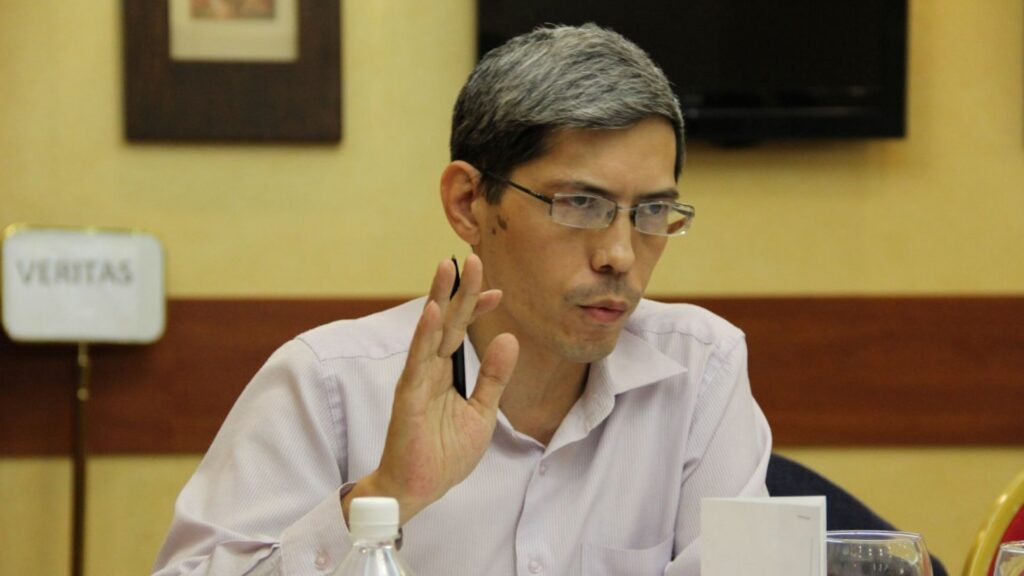
Uzbekistan’s Ambassador to Kazakhstan on Regional Integration and a Shifting Global Order

Amid shifting regional dynamics and an evolving global order, Uzbekistan has emerged as one of Central Asia’s most proactive diplomatic and economic actors. Since 2016, Tashkent has pursued an ambitious reform agenda at home while expanding cooperation with its neighbors and major global powers. In a wide-ranging interview with TCA, His Excellency Bakhtiyor Ibragimov, Ambassador Extraordinary and Plenipotentiary of the Republic of Uzbekistan to Kazakhstan, discusses regional integration, strategic partnerships, Afghanistan, China, and the future of economic diplomacy in Central Asia. TCA: Mr. Ambassador, Uzbekistan has demonstrated significant economic progress in recent years. What do you see as the key drivers behind this success? Ambassador Ibragimov: First of all, welcome to the Embassy of the Republic of Uzbekistan in Astana. We are familiar with your publication. We read it often, follow it, and analyze it. I would start with President Shavkat Mirziyoyev taking office at the end of 2016. It is no secret that until 2016, the Republic of Uzbekistan, despite its potential, was a fairly closed country. Our president always asks us, his representatives abroad, to speak openly about this. You cannot rewrite history or hide it. Relations with our neighbors were, frankly, at a very low level, and with some, there were no relations at all. The end of 2016 was a turning point, when reforms were not only declared but implemented and are now yielding results. One of President Mirziyoyev’s first foreign-policy priorities was normalization, and I want to emphasize this: normalization and then improving relations with neighbors. There is a saying in Uzbekistan: "If your neighbor is doing well, then you will also do well." Today, nearly a decade later, we can see that this policy is yielding results. Please note: this is not my personal assessment, but the assessment of international experts who recognize that the President has managed to achieve what once seemed impossible. I am speaking about regional integration with our neighbors. For example, a key issue for Central Asia is water. Many analysts warn that competition for water resources could, in the future, become a potential source of conflict. Two main rivers feed the region. Unfortunately, due to climate change, water volumes are not increasing year by year, while consumption is rising. We have managed to resolve almost all issues to date. In particular, based on the level of accumulation in the autumn-winter period in the upper reaches of the Amu Darya and Syr Darya rivers, and taking into account irrigation needs during the growing season, our water specialists jointly agree on and ensure the necessary water discharge within an agreed time frame. Uzbekistan, as you know, is located in the very center of Central Asia, bordering all Central Asian states, as well as Afghanistan. Today, border issues have largely been resolved. The final chord was struck on March 31, 2025, when the leaders of Uzbekistan, Tajikistan, and Kyrgyzstan signed an agreement on the border junction point, confirming the point of convergence of the three countries’ state borders. It should also be...

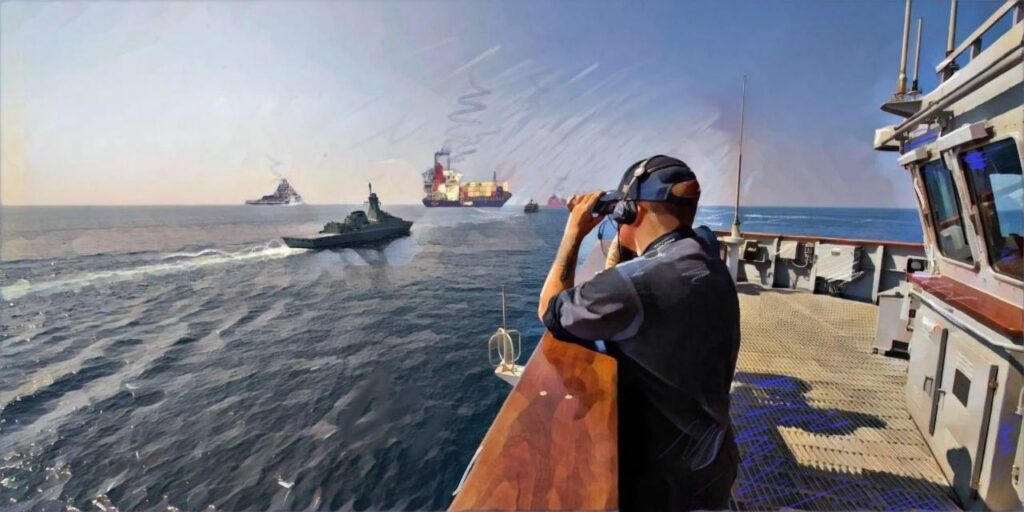
Syria After Assad: What the New Regional Order Means for Central Asia

The overthrow of Bashar al-Assad in December 2024 fundamentally reshaped Syria’s regional position. The collapse of the old power structure weakened Iran’s entrenched military and economic networks and left Russia’s previously secured foothold uncertain. As Damascus enters a new political phase, external actors are recalibrating their strategies in a landscape that looks markedly different from that of the past decade. For Central Asian governments, the shift is not merely regional. Syria is becoming a testing ground for how mid-sized states navigate post-conflict environments shaped by larger powers, and a potential arena for economic and diplomatic outreach. As influence is redistributed and new investment and trade corridors are reconsidered, decisions taken in Damascus will increasingly intersect with Central Asia’s own foreign policy and economic calculations. In this emerging landscape, a power vacuum is being filled by states seeking to advance their interests. From the earliest days of Syria’s post-Assad transition, Turkey has been particularly active. As part of its declared comprehensive support for the new Syrian authorities, Ankara has taken steps to consolidate its position in the Syrian Arab Republic. Turkey is actively participating in infrastructure reconstruction, investing in economic projects, and expanding military-technical cooperation with Damascus. In August 2025, Syria and Turkey signed a military cooperation agreement covering areas including counterterrorism training, cybersecurity, demining, military engineering, logistics, and enhanced coordination between their armed forces. That same month, the two sides agreed to establish an intergovernmental business council under the Turkish Foreign Economic Relations Board to promote trade and investment cooperation between public and private companies. Turkish exports to Syria reached $3 billion in 2025, reflecting the rapid expansion of Ankara’s economic presence. For Central Asia, Ankara’s activism carries particular weight. Turkey has simultaneously deepened its political, economic, and security cooperation across the Turkic world, meaning its posture in Syria intersects with its broader regional strategy. A central element of Turkey’s Syria policy remains the issue of refugee returns. However, the prospect of large-scale repatriation is complicated by several factors, notably the long-term presence of around 2.5 million Syrian displaced persons in Turkish society and the absence of stable socio-economic conditions in Syria to support reintegration. Over more than a decade of conflict, a generation of Syrians has grown up in Turkey, many of whom are deeply embedded in the country’s social and economic life. Turkey’s obligations under the 1951 UN Convention Relating to the Status of Refugees, including the principle of non-refoulement, further constrain policy options. Taken together, these factors make large-scale return unlikely until Syria achieves sustained political stabilization and adequate living conditions. In the longer term, Turkey’s objective of neutralizing what it describes as the Kurdish threat emanating from Syrian territory will continue to shape its strategy. Israel has also intensified its military and political engagement since the change of power in Damascus. It has taken steps to establish control over areas adjacent to the Golan Heights and to create a buffer zone, arguing that such measures are necessary to safeguard national security against potential terrorist threats. Israeli officials...

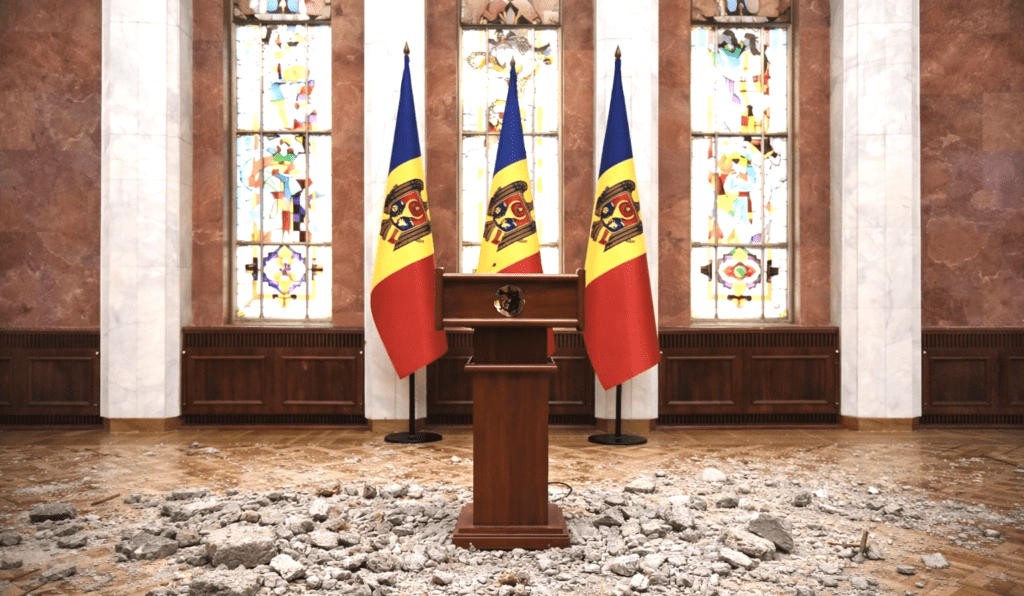
The Board of Peace and Central Asia: Asserting Agency in a Fragmented Order

President Kassym-Jomart Tokayev’s speech at the inaugural meeting of U.S. President Donald Trump’s Board of Peace in Washington on February 19 was not only a foreign policy event, but one with significant domestic resonance. The initiatives announced include Kazakhstan’s participation in the reconstruction of Gaza, financial commitments, and readiness to send peacekeepers. Against the backdrop of economic challenges and ongoing constitutional reforms, however, a substantial segment of Kazakh society is questioning whether such an active foreign policy posture is justified at this time. The Board of Peace, the charter for which was ratified in Davos in January 2026 on the sidelines of the World Economic Forum, is positioned as an alternative to traditional multilateral institutions. According to Trump, the new body should not merely discuss conflicts, but will also "almost be looking over the United Nations and making sure it runs properly." Symbolically, the Board’s launch comes amid U.S. reductions and withholding of UN-related funding and withdrawals from multiple international bodies, alongside a partial U.S. payment toward UN arrears and the parallel creation of alternative financial and security mechanisms. According to the U.S. Mission to Kazakhstan, at the first meeting of the Board of Peace, nine members pledged a combined $7 billion aid package for the Gaza Strip. Kazakhstan, Uzbekistan, Azerbaijan, the UAE, Morocco, Bahrain, Qatar, Saudi Arabia, and Kuwait indicated their willingness to contribute. Additionally, Trump pledged $10B in U.S. funding, framing peace and reconstruction as a strategic priority. However, experts note that these sums fall far short of projected needs. According to joint UN-EU-World Bank estimates, the full reconstruction of Gaza could require up to $70 billion. In addition, the implementation of projects is complicated by the issue of disarming Hamas, which is designated as a terrorist organization in the U.S. and the European Union. At present, there is no indication that any Western or regional government intends to revise that designation. A notable feature of the Washington summit was the synchronized participation and subsequent public statements of key member states of the Organization of Turkic States (OTS). Kazakhstan, Uzbekistan, Azerbaijan, and Turkey effectively acted as what appeared to be an aligned geopolitical grouping, albeit without a formal declaration of joint action. What Is Kazakhstan Seeking? For Astana, participation in the Board of Peace appears to represent a renewed step in its multi-vector foreign policy doctrine. Tokayev directly stated Kazakhstan’s readiness to send medical units and observers to international stabilization forces and to allocate more than 500 educational grants for Palestinian students. In effect, Kazakhstan is reinforcing its image as a “Middle Power” prepared not only for diplomatic mediation but also for tangible contributions to international security efforts. This course aligns with the country’s existing participation in UN missions. Currently, 139 Kazakh military personnel are serving in the Golan Heights under the UN Disengagement Observer Force mandate. Nevertheless, the intensification of foreign policy engagement is raising domestic questions. Concerns voiced on social media and among experts include whether the international agenda risks diverting attention from internal economic pressures, including...

President Tokayev’s Washington Visit: Peace is Not a Bridge Too Far

 On February 19, President Tokayev will meet President Trump for the third time in six months to advance Trump’s Board of Peace initiative – an undertaking that aligns with Kazakhstan’s long-articulated view that peace remains achievable, even in a war-torn world under seemingly impossible odds. This approach emphasizes sustained diplomacy, interfaith coexistence, economic integration, and respect for human dignity. Moreover, Washington has not only pivoted towards Central Asia but has found Kazakhstan a rational and predictable partner in an increasingly chaotic and multipolar world — one in need of credible mediators capable of engaging across political, economic, and religious divides. In accepting Trump’s invitation to join the Board, Tokayev has assumed a role consistent with Kazakhstan’s long-articulated identity and practice as a bridge-builder. Kazakhstan’s lived experience of pluralism and balanced pragmatic diplomacy gives that role substance. Kazakhstan brings to the Board a distinctive societal composition that has, despite differences, remained cohesive and broadly tolerant. Although it is a Muslim-majority country in Central Asia, it is also home to a substantial Christian, agnostic, and atheist population and has more than 100 ethnic groups. This demographic and religious diversity is not peripheral to its national identity and story as a relatively newly formed nation; it is foundational and will resonate as it carries out its responsibilities as a member of the Board. For decades, Kazakhstan has institutionalized interreligious dialogue as a matter of state policy rather than relying on symbolic rhetoric. In the process, it has learned to separate political ideology from the core principles of religious freedom and freedom of conscience. The Board of Peace initiative fits squarely within Tokayev’s priorities. As he said recently, this new platform is a “timely and relevant initiative designed to deliver meaningful and long-lasting results” in tackling global conflicts, aiming to complement—not replace—institutions like the United Nations. For Kazakhstan, participation reflects the external expression of that domestic model of pluralism and balanced engagement. It builds on Kazakhstan’s long experience of managing domestic diversity while sustaining balanced relations across competing global power centers through disciplined statecraft and structured dialogue. Kazakhstan brings this worldview into its seasoned practice of diplomacy. On the Board of Peace, Tokayev will bring experience and practical recommendations to the table. Other heads of state joining Tokayev include another Central Asian leader, President Mirziyoyev of Uzbekistan. A Continuation of Kazakhstan’s Role as an International Mediator This visit to Washington continues Kazakhstan's long-standing diplomatic tradition of prioritizing dialogue without dogma, development without division, and peace through prosperity. Tokayev has consistently framed the country’s foreign policy in measured terms: “Kazakhstan will continue to serve as a bridge-builder and peacemaker. It will also continue to choose balance over domination, cooperation over confrontation, and peace over war.” Rather than mere aspirational rhetoric, this statement, made at the 80th United Nations General Assembly in 2025, reflects a pragmatic doctrine that has guided Astana’s multi-dimensional diplomacy — maintaining constructive relations across competing power centers while advancing mediation, confidence-building, and multilateral engagement as tools of stability. This approach is structural...

Kyrgyzstan Between the Russian World and Global Chaos: An Interview With Deputy Prime Minister Edil Baisalov

Edil Baisalov is a politician who began his career as a civil-rights activist, became a prominent member of Kyrgyzstan’s non-governmental organization (NGO) sector, and is now serving as the country’s Deputy Prime Minister. In an exclusive interview with The Times of Central Asia, he explained not only how his views have changed over the years, but also how Kyrgyzstan is seeking to find its place in what he described as a rapidly changing global landscape. In Baisalov’s assessment, the global system is facing a crisis of democracy. “The world order, as we know it, is collapsing – or at least is under attack from both within and without,” Baisalov told TCA. “The era of global hypocrisy is over, and the people of Kyrgyzstan have woken up. “What various international institutions have taught us over the years – their lectures on how to develop an economy, how to pursue nation-building, and so forth – has been proven wrong. Throughout the 1990s, Kyrgyzstan was one of the most diligent students of the liberal policies promoted by the “Chicago Boys.” We followed their instructions to the letter. Kyrgyzstan was the first post-Soviet country to join the World Trade Organization in 1998, and we were the first to receive normalized trade relations with the U.S. with the permanent repeal of the Jackson-Vanik amendment. All of our previous governments followed IMF conditionality dictates to the letter, especially in deregulation, mass privatization, and all the austerity programs and budget sequestrations. We were promised prosperity; that the free markets and the invisible hand would take care of everything. But it did not work. “I remember it well: at the time, U.S. President Bill Clinton laughed at China, saying that Beijing needed to adopt certain policies, to liberalize, or that science could not prosper in a closed society. He claimed the Chinese model was doomed to fail, arguing that scientific and technological breakthroughs could only occur in a Western-style society with minimal state intervention. Yet today, we witness the triumphant rise of the People’s Republic of China. This is not only an emergence but also a return to the rightful place of a great civilization that has, for millennia, contributed enormously to humankind.” TCA: Does this mean you now see China, rather than the West, as a model for Kyrgyzstan to follow? Baisalov: It’s not about the Chinese model or any particular foreign template. What we understood is that as a nation, we are in competition with other nations. Just like corporations compete with each other, nations must look out for themselves. If our state does not actively develop industries and sciences, there is no formula for success. All those ideologies promoting the “invisible hand” – the idea that everything will naturally flourish on its own – are simply false. TCA: When did Kyrgyzstan stop taking orders from outside forces and begin making independent national decisions? Baisalov: We used to be naive about wanting to be liked by others. But not anymore. In the last five years of...