• KGS/USD = 0.01144 0%
  • KZT/USD = 0.00209 0%
  • TJS/USD = 0.10429 0.1%
  • UZS/USD = 0.00008 0%
  • TMT/USD = 0.28530 0%
  • KGS/USD = 0.01144 0%
  • KZT/USD = 0.00209 0%
  • TJS/USD = 0.10429 0.1%
  • UZS/USD = 0.00008 0%
  • TMT/USD = 0.28530 0%
  • KGS/USD = 0.01144 0%
  • KZT/USD = 0.00209 0%
  • TJS/USD = 0.10429 0.1%
  • UZS/USD = 0.00008 0%
  • TMT/USD = 0.28530 0%
  • KGS/USD = 0.01144 0%
  • KZT/USD = 0.00209 0%
  • TJS/USD = 0.10429 0.1%
  • UZS/USD = 0.00008 0%
  • TMT/USD = 0.28530 0%
  • KGS/USD = 0.01144 0%
  • KZT/USD = 0.00209 0%
  • TJS/USD = 0.10429 0.1%
  • UZS/USD = 0.00008 0%
  • TMT/USD = 0.28530 0%
  • KGS/USD = 0.01144 0%
  • KZT/USD = 0.00209 0%
  • TJS/USD = 0.10429 0.1%
  • UZS/USD = 0.00008 0%
  • TMT/USD = 0.28530 0%
  • KGS/USD = 0.01144 0%
  • KZT/USD = 0.00209 0%
  • TJS/USD = 0.10429 0.1%
  • UZS/USD = 0.00008 0%
  • TMT/USD = 0.28530 0%
  • KGS/USD = 0.01144 0%
  • KZT/USD = 0.00209 0%
  • TJS/USD = 0.10429 0.1%
  • UZS/USD = 0.00008 0%
  • TMT/USD = 0.28530 0%

Viewing results 1 - 6 of 18

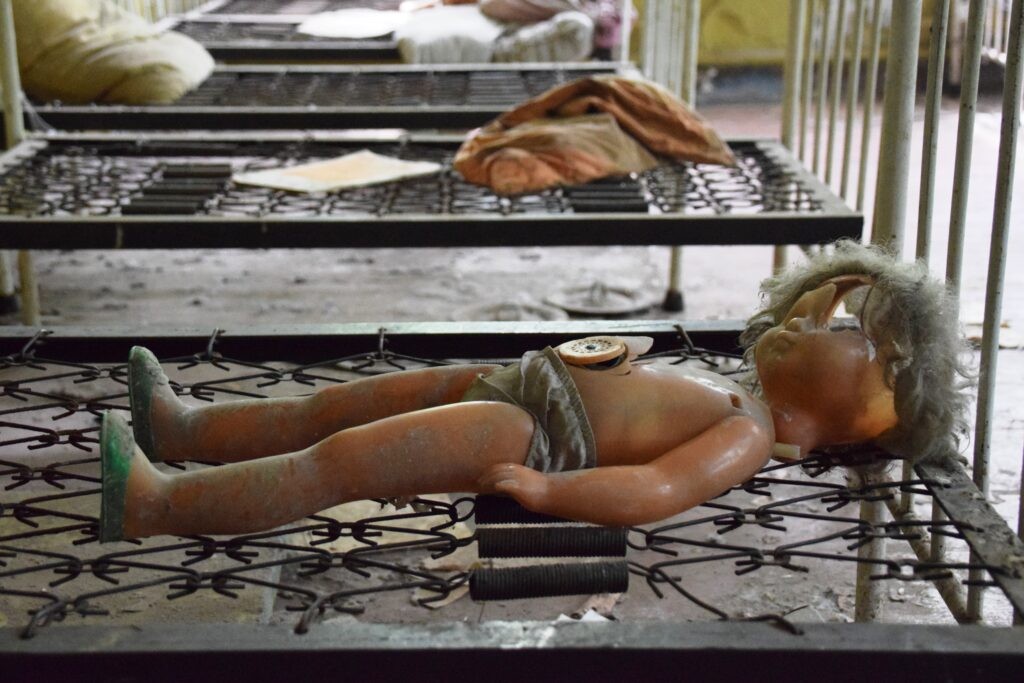
Most Uzbeks Recognize Human Trafficking Risks, Survey Shows

July 30 marks World Day against Trafficking in Persons, a United Nations-designated observance established in 2013 to raise awareness about one of the most severe human rights violations globally. In conjunction with this date, Uzbekistan’s Ijtimoiy Fikr Center for Public Opinion Research has released the findings of a nationwide survey assessing public awareness of human trafficking and its associated risks. According to the 2025 data, 61.3% of respondents reported being well informed about human trafficking. An additional 29.5% of respondents said they were familiar with the issue but lacked detailed knowledge. Experts caution that such informational gaps can foster misinformation if not addressed through credible sources. Encouragingly, the share of respondents unaware of trafficking risks has declined, reflecting the impact of ongoing awareness initiatives. Television remains the primary source of information for 76.8% of respondents, followed by social media at 54.1%. While digital platforms are increasingly influential, the report underscored the importance of improving media literacy to curb the spread of disinformation. Traditional print media also remains relevant, particularly among older demographics, with 24% citing newspapers or magazines as their main source. When asked how they would respond to a trafficking incident, 78.3% of respondents said they would report it to the police. Other authorities named included the Prosecutor’s Office (47.1%) and the Ombudsman (37.2%), while more than 27% said they would contact an anti-trafficking hotline. Respondents identified the most common forms of trafficking as labor exploitation (68.9%), sexual exploitation (42.1%), illegal organ trade (24.3%), forced begging (23.2%), and child trafficking for adoption (21.3%). Unemployment, economic hardship, and the promise of quick financial gain were cited as the main drivers behind trafficking. Job offers abroad, often made through acquaintances or online platforms, remain the most prevalent method of recruitment. Reassuringly, 91.9% of respondents said they knew of cases where victims had been rescued and successfully reintegrated. Experts view this as a sign that current rescue and rehabilitation programs are making an impact. While 73.1% believe the situation has improved over the past five years, Ijtimoiy Fikr emphasized that human trafficking remains a significant threat in Uzbekistan. The report calls for enhanced legal protections, expanded public education, and deeper international collaboration to maintain momentum. The Center concluded that raising awareness, preventing exploitation, and supporting survivors must remain the core pillars of the national anti-trafficking strategy.

U.S. Prosecutors Charge Two Tajik Nationals in Human Smuggling Operation

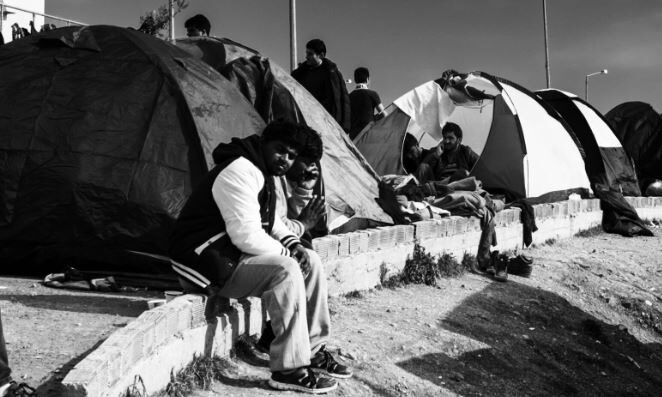
Two men from Tajikistan have been arrested and charged in Pennsylvania for allegedly smuggling people into the United States via the border with Mexico. Federal prosecutors said the defendants were charged with trying to bring a foreign citizen into the United States for financial gain and also conspiring to bring other foreigners into the U.S. as part of the smuggling operation. If convicted, they face a maximum of 10 years in prison for each count. “The indictment alleges that, as part of their conspiracy, the defendants assisted in smuggling Co-Conspirator #1 into the United States, and then received referrals through Co-Conspirator #1 to smuggle additional illegal aliens into the U.S.,” the U.S. Attorney’s Office for the Eastern District of Pennsylvania said in a statement on Tuesday. The statement identified the defendants as Bekhzod Rakhmatov, 30, of Maineville, Ohio, and Munis Khojiev, 31, of Philadelphia. It said they had also illegally entered the United States. Allegations against the suspects say that from about December 2022 to about May 2025, the two men worked to secure visas and passports for people who traveled through a number of countries with the aim of reaching the U.S.-Mexico border. “The defendants solicited and received funds from, and on behalf of, illegal aliens, as payment for smuggling the illegal aliens into the United States,” federal prosecutors said. The indictment comes as the U.S. cracks down on migration, including from some countries in Central Asia. Citizens from Turkmenistan face restrictions on travel to the United States under an order signed by President Donald Trump that bans or curbs the entry of nationals from 19 countries. The order took effect on June 9. Kyrgyzstan has expressed concern about reports that it might be included in another group of countries that will possibly be subject to similar U.S. bans and restrictions.

Twelve Central Asian Citizens Rescued from Human Trafficking in Myanmar

Two Uzbek citizens have been rescued from a human trafficking network in Myanmar and returned home with the assistance of the Consulate General of Uzbekistan in Bangkok. The victims, identified as M.S. and B.V., were lured by a fraudulent online job offer. Initially traveling to Thailand in search of legal employment, they were instead trafficked across the border into Myanmar, where they were handed over to a criminal organization. Once in Myanmar, the pair were forced to work in illegal centers and subjected to threats and physical abuse for refusing to engage in unlawful activities. The traffickers also demanded a large ransom for their release. Eight citizens of Kyrgyzstan and four citizens of Kazakhstan were discovered in the same situation. As Kyrgyzstan does not maintain an embassy in Thailand, Uzbek and Kazakh diplomats coordinated efforts to secure the release of all the victims. Thanks to joint negotiations with officials in Myanmar and Thailand, the victims were freed at the Mae Sot border crossing in Thailand. Uzbek and Kazakh diplomats provided them with temporary shelter and basic necessities upon arrival. On April 11, with support from their respective diplomatic missions, two Uzbek, four Kazakh, and seven Kyrgyz citizens returned to their home countries. One Kyrgyz citizen remained in Thailand to receive medical treatment and will be repatriated once their recovery is complete. The Consulate General of Uzbekistan in Bangkok highlighted the case as an example of effective regional cooperation in protecting citizens abroad. It also issued a warning about online job scams, urging people to verify the legitimacy of employment offers before traveling. The consulate reiterated its readiness to support Uzbek citizens seeking legal employment in Thailand, Cambodia, Myanmar, and Laos.

Ukrainian Fugitive Arrested in Poland for Organ Trafficking in Central Asia

A 35-year-old Ukrainian woman has been arrested in Przemyśl, Poland, based on an Interpol Red Notice, according to the country’s prosecutor’s office. She has been on the run since November 9, 2020, after being sentenced to 12 years in prison by a court in Kazakhstan for her role in an organized crime group involved in human organ trafficking. On March 6, 2025, border guards at the railway crossing in Przemyśl detained Ksenia P. (whose name is protected under Polish privacy laws) during a routine inspection. Authorities confirmed that she had been convicted in Kazakhstan for her involvement in an international criminal group that operated between 2017 and 2019. The group illegally harvested human tissues and organs for sale on the black market. Ksenia P. was found guilty of obtaining human kidneys from 56 victims across several countries, including Kazakhstan, Armenia, Azerbaijan, Ukraine, Kyrgyzstan, Tajikistan, Uzbekistan, and Thailand. The illegal trade was conducted for financial gain, with the criminal network relying on it as a steady source of income. Following her arrest, the District Prosecutor’s Office in Przemyśl questioned Ksenia P. and, on March 7, 2025, requested the District Court to impose a temporary seven-day detention. This measure is intended to facilitate her extradition to Kazakhstan, where she is expected to serve her sentence.

Woman in Uzbekistan Tries to Exchange Daughter for a House

A 41-year-old woman who tried to exchange her 13-year-old daughter for a house in Samarkand has been sentenced to 5 years and two months in prison. The woman, who had come to Samarkand to work, said that the family had no housing when she received an offer to exchange one of her three children for a house worth $25,000. She agreed and gave the person her middle daughter. After receiving some money, the woman went to a restaurant to celebrate the deal, where she was apprehended by law enforcement. This is the woman's second conviction. As a result, her children, including the 13-year-old girl, were put into under state guardianship. This case has had repercussions around the country, with citizens raising questions about the need to strengthen child protection and anti-trafficking measures in Uzbekistan. Child trafficking in Uzbekistan remains a severe problem, despite government efforts to reduce it. According to the Trafficking in Persons Report, in 2019-2020, about 43% of reported trafficking offenses involved children. These cases often include the sale of infants and the involvement of medical personnel in illegal schemes. There has also been an increase in child trafficking in recent years due to economic hardship, especially in rural areas.

Kazakhstan Weighs Down on Human Trafficking

In response to data issued by international experts citing the current level of  human trafficking in Kazakhstan, President Kassym-Jomart Tokayev has just signed a law to address the situation. First and foremost, the new law aims to protect and provide social support for victims, the majority of whom are migrant workers, people with disabilities, solitary pensioners, young women and children. Referencing statistics, First Deputy Minister of Internal Affairs Marat Kozhaev announced that 19 criminal cases were opened in Kazakhstan for child trafficking in 2023, with an additional six already logged this year. He explained that most of the children are sold within the country to meet the demand of people unable to have their own. Such cases involve staff from perinatal centers and orphanages, as well as people with unwanted pregnancies. Child trafficking is a lucrative business which continues apace despite the threat of a jail sentence of up to 18 years. According to the police, there were cases this year of parents asking for between KZT100,000 to KZT2 million, equivalent to 208 -4,168 US$, for their new-borns. Young mothers often look for potential buyers online, even while pregnant. Under the recent law, the Criminal Code has been amended to include “crimes related to trafficking in persons”, covering kidnapping, unlawful confinement, human trafficking (including trafficking minors), prostitution, etc. Amendments have also been made to the Administrative Code aimed at preventing the sale of children, including new-borns, through the introduction of the clause: “Failure of officials to report incidents of abandonment of new-borns, admission and delivery of orphans and children without parental care.” Incidents of human trafficking are invariably tragic. In most cases, the victims usually poor or homeless, are taken by force or deception to remote corners of the country, where forced to work on peasant farms, they are subjected to backbreaking labor, beatings, and a lack of medical care for months or years. The situation becomes more complicated if the victim is a migrant from Uzbekistan, Kyrgyzstan, or Turkmenistan. Such workers often without the documentation to work legally, are attracted by promises of decent pay and then literally put in chains. Another illegal business is begging. Not long ago, on a street in Almaty, volunteers rescued a lone, elderly person who had been forced through beatings and starvation to beg for several months. As a result of the beggar's testimony, a gang of slave traders was arrested the following day. Enforced prostitution is also common, particularly amongst low-income families and orphans. International experts have repeatedly warned Kazakh authorities of the need to increase its legal levers to tackle human trafficking. In 2020, the US placed Kazakhstan on its watch list which as Kazakhstan’s commissioner for human rights Elvira Azimova, said at the time, was a direct response to the country's number of victims. “The official numbers of identified cases of human trafficking and criminal prosecution in Kazakhstan are significantly lower than in neighbouring countries - including Kyrgyzstan and Uzbkistan -  for whose population Kazakhstan is a destination. This may...