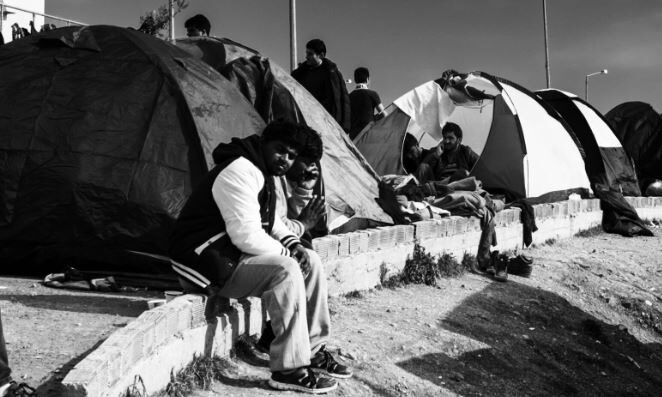
July 30 marks World Day against Trafficking in Persons, a United Nations-designated observance established in 2013 to raise awareness about one of the most severe human rights violations globally. In conjunction with this date, Uzbekistan’s Ijtimoiy Fikr Center for Public Opinion Research has released the findings of a nationwide survey assessing public awareness of human trafficking and its associated risks.
According to the 2025 data, 61.3% of respondents reported being well informed about human trafficking. An additional 29.5% of respondents said they were familiar with the issue but lacked detailed knowledge. Experts caution that such informational gaps can foster misinformation if not addressed through credible sources. Encouragingly, the share of respondents unaware of trafficking risks has declined, reflecting the impact of ongoing awareness initiatives.
Television remains the primary source of information for 76.8% of respondents, followed by social media at 54.1%. While digital platforms are increasingly influential, the report underscored the importance of improving media literacy to curb the spread of disinformation. Traditional print media also remains relevant, particularly among older demographics, with 24% citing newspapers or magazines as their main source.
When asked how they would respond to a trafficking incident, 78.3% of respondents said they would report it to the police. Other authorities named included the Prosecutor’s Office (47.1%) and the Ombudsman (37.2%), while more than 27% said they would contact an anti-trafficking hotline.
Respondents identified the most common forms of trafficking as labor exploitation (68.9%), sexual exploitation (42.1%), illegal organ trade (24.3%), forced begging (23.2%), and child trafficking for adoption (21.3%).
Unemployment, economic hardship, and the promise of quick financial gain were cited as the main drivers behind trafficking. Job offers abroad, often made through acquaintances or online platforms, remain the most prevalent method of recruitment.
Reassuringly, 91.9% of respondents said they knew of cases where victims had been rescued and successfully reintegrated. Experts view this as a sign that current rescue and rehabilitation programs are making an impact.
While 73.1% believe the situation has improved over the past five years, Ijtimoiy Fikr emphasized that human trafficking remains a significant threat in Uzbekistan. The report calls for enhanced legal protections, expanded public education, and deeper international collaboration to maintain momentum.
The Center concluded that raising awareness, preventing exploitation, and supporting survivors must remain the core pillars of the national anti-trafficking strategy.