• KGS/USD = 0.01143 0%
  • KZT/USD = 0.00202 0%
  • TJS/USD = 0.10599 -0.19%
  • UZS/USD = 0.00008 0%
  • TMT/USD = 0.28575 0%
  • KGS/USD = 0.01143 0%
  • KZT/USD = 0.00202 0%
  • TJS/USD = 0.10599 -0.19%
  • UZS/USD = 0.00008 0%
  • TMT/USD = 0.28575 0%
  • KGS/USD = 0.01143 0%
  • KZT/USD = 0.00202 0%
  • TJS/USD = 0.10599 -0.19%
  • UZS/USD = 0.00008 0%
  • TMT/USD = 0.28575 0%
  • KGS/USD = 0.01143 0%
  • KZT/USD = 0.00202 0%
  • TJS/USD = 0.10599 -0.19%
  • UZS/USD = 0.00008 0%
  • TMT/USD = 0.28575 0%
  • KGS/USD = 0.01143 0%
  • KZT/USD = 0.00202 0%
  • TJS/USD = 0.10599 -0.19%
  • UZS/USD = 0.00008 0%
  • TMT/USD = 0.28575 0%
  • KGS/USD = 0.01143 0%
  • KZT/USD = 0.00202 0%
  • TJS/USD = 0.10599 -0.19%
  • UZS/USD = 0.00008 0%
  • TMT/USD = 0.28575 0%
  • KGS/USD = 0.01143 0%
  • KZT/USD = 0.00202 0%
  • TJS/USD = 0.10599 -0.19%
  • UZS/USD = 0.00008 0%
  • TMT/USD = 0.28575 0%
  • KGS/USD = 0.01143 0%
  • KZT/USD = 0.00202 0%
  • TJS/USD = 0.10599 -0.19%
  • UZS/USD = 0.00008 0%
  • TMT/USD = 0.28575 0%
14 February 2026

Viewing results 1 - 6 of 9

Moldova To End Visa-Free Travel for Kyrgyzstan and Tajikistan

Moldova has formally withdrawn from the Commonwealth of Independent States (CIS) visa-free travel agreement, a move that will introduce visa requirements for citizens of Kyrgyzstan and Tajikistan. The Moldovan parliament approved the government’s proposal to terminate the 1992 Bishkek Agreement, according to inbusiness.kz. The CIS, which originally included 11 post-Soviet states upon its creation in 1991, now counts only seven full members. Although Moldova ended its membership in the CIS earlier, it had continued to uphold visa-free travel arrangements with several former Soviet republics, including countries in Central Asia. The new legislation does not affect Kazakhstan or Uzbekistan. Moldovan officials told local media that Chişinău intends to preserve visa-free travel with these two countries through separate bilateral agreements. “For citizens of Kazakhstan and Uzbekistan, the procedure for travel remains unchanged,” Azattyq.org reported, citing Moldovan government sources. In 2024, Moldova also announced plans to open its first embassy in Kazakhstan’s capital, Astana. The new visa requirements apply solely to citizens of Kyrgyzstan and Tajikistan, who will now need to obtain visas for work, study, or personal travel to Moldova. Authorities in Chişinău explained that the decision is part of Moldova’s broader effort to align its legal framework with European Union standards. EU regulations require visas for all CIS nationals, and Moldova is gradually adjusting its migration and visa policies in preparation for EU accession. The move comes in the wake of Moldova’s October 2024 referendum, in which voters supported the country’s path toward EU membership. Since then, the government has withdrawn from numerous CIS treaties, exited the CIS Interparliamentary Assembly, ceased payments to the Mir television network, and closed its local bureau. Relations between Moldova and Kyrgyzstan have been further strained by unresolved issues, including Kyrgyzstan’s calls for the repayment of a Soviet-era debt and Moldova’s ban on Kyrgyz airlines due to their inclusion on the EU’s aviation safety blacklist. Kyrgyz civil activist Almaz Tazhybay told Vesti.kg that Kyrgyz carriers will only regain access to Moldovan airspace after meeting EU safety requirements. Moldovan authorities have emphasized that the policy is not targeted at any specific country. Officials in Chişinău describe the changes as part of a broader legal realignment as Moldova pursues its goal of joining the European Union by 2030.

Recovering Assets: Kazakhstan’s Prosecutors Expand Network to Moldova, Bulgaria

Kazakh prosecutors who focus on reclaiming national assets are sharing ideas and experiences with counterparts from Moldova and Bulgaria, two eastern European countries where anti-corruption investigators have faced big challenges. The Asset Recovery Committee of the Prosecutor General’s Office of Kazakhstan signed agreements in those nations in February, increasing the international collaboration that is essential to tracking down stolen wealth. Kazakhstan is building ties with foreign jurisdictions and institutions such as Interpol as it seeks to get back illegally acquired assets valued in the billions of dollars, much of it funneled out of the Central Asian country by powerful business and political figures over many years. “Strengthening partnerships in asset recovery plays a crucial role in combating illicit enrichment and ensuring transparency and accountability in financial systems worldwide,” said the Kazakh committee, which held a ceremony with the National Anti-Corruption Center of Moldova in Chișinău, the Moldovan capital. The Moldovan side discussed its national digital platforms, legal framework, and procedures for asset seizure, freezing, and management. The Kazakh side explained Kazakhstan’s asset recovery law and how recovered funds are being reinvested in social projects. Some money has been earmarked for facilities such as schools and medical facilities. Kazakh prosecutors also signed a deal with the Commission for Illegal Asset Forfeiture of Bulgaria in Sofia, the Bulgarian capital, allowing for “active collaboration in the tracing, identification, seizure, and repatriation of assets,” the Kazakh asset recovery committee said. Kazakhstan’s 2023 asset recovery law, described by the government as in line with “international standards,” has aided the country in successful efforts to repatriate some lost wealth. Partners such as the United Nations Office on Drugs and Crime have encouraged Kazakhstan to be transparent about how the recovered funds are used as a way to build confidence among Kazakh citizens who are worried about corruption. There have also been concerns that the law could be used selectively, targeting some suspects and sparing others, but Kazakhstan’s international outreach has received high marks in many circles. Bulgaria has made some progress against graft, but still has a lot of work ahead. In a report published last month, the Council of Europe’s anti-corruption body said Bulgaria had fully implemented seven of its 28 recommendations to prevent corruption and promote government integrity. Of the other 21 recommendations, 11 have been partly implemented and 10 have not been implemented. Moldova´s chief anti-corruption prosecutor, Veronica Dragalin, announced her resignation last month because of a governing party bill that would merge her office with the office of organized crime prosecutors. Dragalin, who previously worked as a U.S. federal prosecutor, said the change would undermine national security and benefit people involved in crime. Bulgaria is in the European Union; Moldova has applied for membership. A 2024 index compiled by Transparency International ranks countries by perceived levels of public sector corruption – 0 is very corrupt and 100 is very clean. Kazakhstan scored 40, up one point since 2023; Bulgaria scored 43 points, down two points since 2023; and Moldova also scored 43, up...

Moldova To Open Embassy in Kazakhstan

The government of Moldova has approved plans to open its first embassy in Kazakhstan's capital of Astana. The opening of the embassy is intended to expand Moldova's diplomatic presence in Central Asia, and strengthen economic and cultural ties with Kazakhstan. Kazakhstan is an important regional economic player, with rich energy resources and a significant Moldovan diaspora. According to the Moldovan Foreign Ministry, about 20,000 Moldovan citizens living in Kazakhstan currently have to seek consular assistance from the Moldovan diplomatic mission in Russia. The ministry said that Kazakhstan is a promising market and an essential partner for attracting investments and developing bilateral trade. The opening of the embassy is expected to contribute to a more active political dialog, and create new opportunities for economic cooperation between the countries. The decision also aligns with Moldova's National Development Plan 2025-2027, which aims to expand its diplomatic and consular network worldwide. The country seeks to diversify its trade portfolio, particularly in the European Union or the EU's immediate neighborhood.

Moldovan businessman threatens to force sale of Kazakhstan’s Kashagan oilfield stake

ASTANA (TCA) — A spokesman for Moldovan businessman Anatolie Stati says that Stati will demand the sale of a $5.2 billion stake in Kazakhstan’s Kashagan oil field in the Caspian Sea if Astana refuses to pay an arbitration award, RFE/RL reports. Continue reading

Moldova to get observer status in Eurasian Economic Union

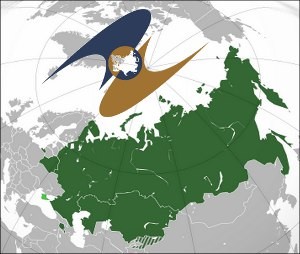
BISHKEK (TCA) — The Supreme Council of the Eurasian Economic Union (EEU) has made a decision to welcome and support Moldova’s intention to get the EEU observer status, Kyrgyzstan’s President Almazbek Atambayev said at a summit of the EEU Supreme Eurasian Economic Council in Bishkek on April 14. Continue reading