
• KGS/USD = 0.01144 0%
  • KZT/USD = 0.00205 0%
  • TJS/USD = 0.10441 0.1%
  • UZS/USD = 0.00008 0%
  • TMT/USD = 0.28490 -0.28%
  • KGS/USD = 0.01144 0%
  • KZT/USD = 0.00205 0%
  • TJS/USD = 0.10441 0.1%
  • UZS/USD = 0.00008 0%
  • TMT/USD = 0.28490 -0.28%
  • KGS/USD = 0.01144 0%
  • KZT/USD = 0.00205 0%
  • TJS/USD = 0.10441 0.1%
  • UZS/USD = 0.00008 0%
  • TMT/USD = 0.28490 -0.28%
  • KGS/USD = 0.01144 0%
  • KZT/USD = 0.00205 0%
  • TJS/USD = 0.10441 0.1%
  • UZS/USD = 0.00008 0%
  • TMT/USD = 0.28490 -0.28%
  • KGS/USD = 0.01144 0%
  • KZT/USD = 0.00205 0%
  • TJS/USD = 0.10441 0.1%
  • UZS/USD = 0.00008 0%
  • TMT/USD = 0.28490 -0.28%
  • KGS/USD = 0.01144 0%
  • KZT/USD = 0.00205 0%
  • TJS/USD = 0.10441 0.1%
  • UZS/USD = 0.00008 0%
  • TMT/USD = 0.28490 -0.28%
  • KGS/USD = 0.01144 0%
  • KZT/USD = 0.00205 0%
  • TJS/USD = 0.10441 0.1%
  • UZS/USD = 0.00008 0%
  • TMT/USD = 0.28490 -0.28%
  • KGS/USD = 0.01144 0%
  • KZT/USD = 0.00205 0%
  • TJS/USD = 0.10441 0.1%
  • UZS/USD = 0.00008 0%
  • TMT/USD = 0.28490 -0.28%

Viewing results 1 - 6 of 97

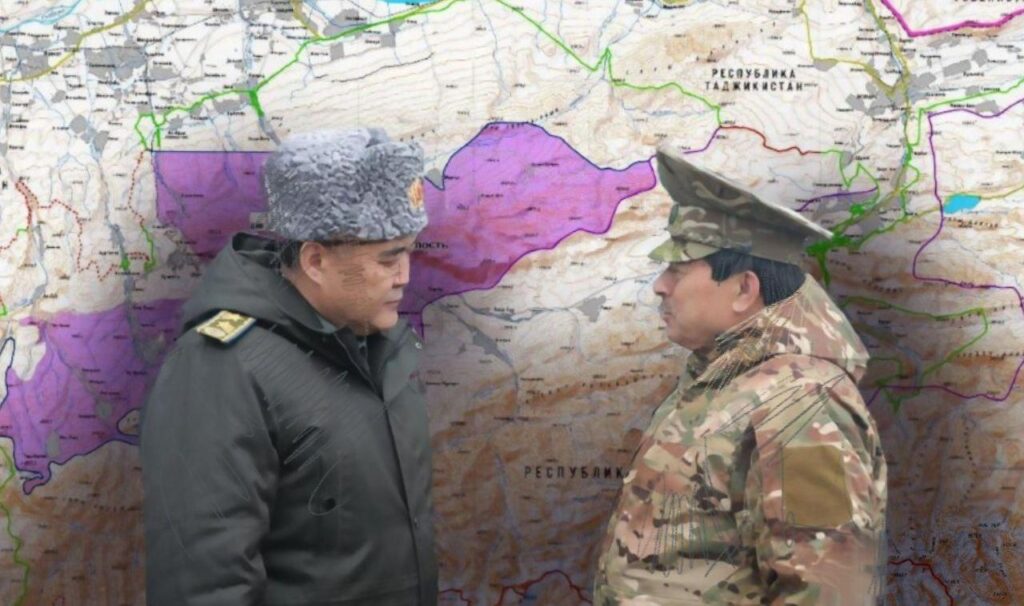
A New Chapter of Peace and Cooperation in Central Asia: The Kyrgyz-Tajik Border Agreement

On March 13, 2025, a historic milestone was achieved with the signing of the Kyrgyz-Tajik border agreement. This long-anticipated treaty, signed by Kyrgyzstan's President Sadyr Japarov and Tajikistan’s President Emomali Rahmon, resolved a long-running dispute over the 984-kilometer boundary between the two nations. Clashes in 2021 and 2022 left scores dead, hundreds wounded, and thousands displaced. The resolution marked not only the end of an enduring source of regional tension but also the beginning of a prospective era of peace and collaboration. The significance of this agreement is substantial and far-reaching. For decades, the unresolved Kyrgyz-Tajik border remained a flashpoint for clashes, occasionally escalating into violence between communities living in border regions such as Batken. The new treaty now promises a peaceful future, with both leaders showing their commitment to long-term regional stability. A Diplomatic Achievement The path to this agreement was anything but straightforward, with Kyrgyz President Japarov characterizing the land exchanges involved in the treaty as a “tough but necessary decision.” During Nauryz celebrations in Osh, Japarov praised the expert teams who worked for four years to reach a settlement that balanced the interests of both sides. Japarov emphasized the benefits of the treaty for border-area communities, specifically in Batken, where tensions have been acute. The “lives of our citizens in border areas of the Batken region will be peaceful from now on,” he stated, promising new homes for residents displaced during past conflicts. The treaty aims to bring not only peace but also economic development, as secure frontiers pave the way for cross-border trade and infrastructure investment. For Tajikistan's President Rahmon, the agreement not only resolved a geopolitical challenge but reinforced the shared value of cooperation in the region. His message during Nauryz to President Japarov symbolized the optimism underpinning their new relationship. “I am confident that our countries, relying on the high universal values of this ancient holiday, will continue their joint efforts to enrich the content of their multifaceted relations,” Rahmon wrote. Messages of Support on a Symbol of Renewal The signing of the treaty aligned closely with Nauryz, the ancient festival that symbolizes renewal, prosperity, and unity across Central Asia. World leaders also viewed the timing as auspicious, with U.S. President Donald Trump extending his congratulations to President Rahmon in a message of goodwill on the occasion of Nauryz. “This is a major achievement that will bring great economic benefits and security to both countries," Trump wrote, highlighting the agreement's potential to stabilize the region. Trump also reaffirmed America's support for Tajikistan’s sovereignty, underscoring the importance of ongoing cooperation. His words echoed a broad international sentiment celebrating the Kyrgyz-Tajik agreement as a step toward enhanced regional partnerships. Regional Cooperation on the Rise The Kyrgyz-Tajik border agreement forms part of a broader trend of strengthening ties among Central Asian nations. Recently, Kyrgyzstan resolved a similar border issue with Uzbekistan, setting a precedent for peaceful dispute resolution. Now, Japarov has suggested taking the next step by creating a visa-free travel regime and even a unified regional...

Uzbekistan and Turkmenistan Implement Free Trade Agreement

On February 25, 2025, the free trade agreement between Uzbekistan and Turkmenistan officially came into effect, eliminating customs duties on most goods produced in both countries, with certain exceptions. This landmark move aims to strengthen trade and economic ties between the two neighbors. The announcement was made by Uzbekistan’s Ministry of Investments, Industry, and Trade on March 7, following the completion of all legal procedures for the Protocol on Exceptions to the Free Trade Regime, signed on July 16, 2024. The protocol had been approved earlier by Uzbek President Shavkat Mirziyoyev through Resolution No. 29 on January 27, 2025. Key Provisions and Economic Sectors Under the new trade rules, Turkmenistan has removed customs duties on a range of key Uzbek exports, including the following items with their previous tariffs or taxes noted: Cement (100%) Textiles (50%) Furniture (50%) Glass containers (50%) Water heating boilers (15%) Plastic and polypropylene products (10%) Sausages and meat products ($2 per kg) Cottonseed oil ($1 per kg) Officials anticipate that the free trade system will boost economic activity between the two countries by facilitating business operations and encouraging investment. The Uzbek Ministry of Investments, Industry, and Trade, along with other government bodies, is working to help Uzbek businesses maximize the benefits of the new trade framework, whilst both governments expect the deal to accelerate industrial cooperation across sectors such as construction, agriculture, and manufacturing. Growing Trade Volume or a One-Way Street? The agreement reflects already expanding trade dynamics. According to TurkmenPortal, trade turnover between Uzbekistan and Turkmenistan increased by 23% in the first quarter of 2024 compared to the same period in 2023, reaching $455 million. Turkmen exports to Uzbekistan surged by 36%, totaling $407 million. Turkmenistan's imports from Uzbekistan experienced a 30% decline, however, dropping from $69.2 million to $48 million during the January- May period compared to the same timeframe in 2023. Strengthened Bilateral Relations and Regional Impact Nevertheless, the agreement represents more than economic policy and could underscore a new era of trust and cooperation. Both countries have worked to improve their relationship through proactive diplomacy, with recent high-level meetings - including those between Uzbek President Shavkat Mirziyoyev and Turkmen President Serdar Berdimuhamedov - emphasizing the shared goal of collaborating across trade, cultural, and political spheres. The free trade regime sets a benchmark for greater economic collaboration within Central Asia, whilst the elimination of tariffs and smoother trade between Uzbekistan and Turkmenistan could inspire similar agreements among neighboring countries. While challenges such as infrastructure harmonization and policy alignment remain, the benefits of this agreement showcase the potential for regional integration.

Kazakhstan and China Set to Expand Trade and E-Commerce

Trade between Kazakhstan and China continues to grow, reaching $43.8 billion in 2024, according to China’s General Administration of Customs. Kazakhstan’s exports to China amounted to $15.8 billion, marking a 9% increase from the previous year. These figures were announced by Han Chunlin, China’s newly appointed ambassador to Kazakhstan, during a meeting with Kazakh Minister of Trade and Integration Arman Shakkaliyev on February 8. “This trend confirms our steady progress toward the ambitious goal of doubling bilateral trade turnover in the near future,” the ambassador stated. Strengthening Trade and E-Commerce Cooperation The meeting focused on expanding Kazakh-Chinese trade and economic cooperation, with particular emphasis on e-commerce platforms. Shakkaliyev highlighted that bilateral trade reached a historic high in 2024 and reaffirmed Kazakhstan’s commitment to diversifying its exports while expanding the range of products supplied to China. He also announced plans for trade and economic missions in 2025, alongside Kazakhstan’s participation in major exhibitions in China. A key discussion point was the development of online trade through leading Chinese e-commerce platforms, including JD.com, Alibaba, and Douyin. Kazakhstan’s Growing Presence in Chinese E-Commerce Alibaba: Launched in 2022, Kazakhstan’s dedicated section on Alibaba now includes 290 domestic companies offering over 7,500 products. Total sales on the platform have already surpassed $260 million. JD.com: In 2023, JD.com opened a Kazakhstan section, featuring over 60 products. Revenue from Kazakhstani goods sold on the platform grew from RMB 1 million in 2023 to RMB 1.3 million in 2024. Kazakhstan’s e-commerce industry has seen rapid growth in recent years. According to the Ministry of Trade and Integration, online transactions from January to November 2024 totaled approximately 3.2 trillion KZT (over $6 billion), accounting for 14.5% of total retail trade. As Kazakhstan strengthens its trade ties with China, digital commerce is expected to play an increasingly important role in bilateral economic relations.

Iran’s Non-Oil Exports to Uzbekistan Rise by 18%

Iran’s non-oil exports to Uzbekistan increased by 18% in value and 14% in weight during the first nine months of the current Iranian year (March 20 - December 20, 2024), compared to the same period last year (March 21 - December 21, 2023), Trend reported, citing data from the Iranian Customs Administration. According to the report, Iran exported 414,000 tons of non-oil goods worth $292 million to Uzbekistan during this period. In the corresponding months of the previous Iranian year, exports totaled 364,000 tons, valued at approximately $248 million. Key Iranian Exports to Uzbekistan Iran’s main exports to Uzbekistan included: Milk and dairy products Petrochemicals Various types of pipes Glass containers Agricultural equipment Overall, Iran’s total trade turnover with Uzbekistan during the nine-month period reached 444,000 tons, valued at $358 million. Expanding Trade Ties with Kazakhstan In addition to strengthening economic relations with Uzbekistan, Iran is also deepening trade ties with Kazakhstan. As The Times of Central Asia reported, on January 30, Iranian Vice President Mohammad-Reza Aref met with Kazakh Prime Minister Olzhas Bektenov in Almaty to discuss trade and transport cooperation. Kazakhstan’s trade with Iran reached $296 million in 2024, an 8.1% increase from the previous year. Notably, Kazakhstan’s exports to Iran grew by 29.1%, reaching $100.6 million. Kazakhstan plans to expand exports of wheat and barley, while both sides discussed increasing cargo traffic and upgrading port terminals to facilitate trade.

Turning the Tide and Tackling Pollution in Uzbekistan: Insights from the Head of Environmental Policy

In recent years, air pollution in Uzbekistan has become an issue of growing concern, while the drying up of the Aral Sea continues to draw global attention. The Times of Central Asia spoke with Farruh Sattarov, Head of the Environmental Policy Department at the Ministry of Ecology, Environmental Protection and Climate Change of the Republic of Uzbekistan, about the country’s environmental challenges and the ministry’s efforts to raise public awareness. TCA: Can you briefly describe the main projects currently being implemented by the Ministry of Ecology? Sattarov: To improve the environmental situation, we are working on several major projects. One key initiative is a $115 million investment project with the U.S. company, Sayar LLC, to generate alternative thermal energy from medical waste. This project will process 96,000 tons of medical waste annually, producing 320 GWh of thermal energy. Another significant effort focuses on improving air quality in Tashkent. In collaboration with South Korea’s Sejin G&E Co., Ltd, we are investing $55 million to generate 16 MW of electricity per year from landfill gas at the Akhangaran and Maydontol municipal waste sites. Additionally, we are partnering with the Asian Development Bank on a $60 million waste management project. This includes supplying special equipment, mobile laboratories, and waste containers to sanitation enterprises in Karakalpakstan and other regions. [caption id="attachment_28298" align="aligncenter" width="1280"] Farruh Sattarov; image: Ministry of Ecology of Uzbekistan[/caption] TCA: What are the priority areas for improving Uzbekistan’s environmental policy? Sattarov: Our environmental strategy is guided by the Concept of Environmental Protection of the Republic of Uzbekistan until 2030, which was approved in 2019. Its main goals include improving air quality, promoting sustainable economic growth through eco-friendly technologies, and ensuring efficient natural resource management. In 2025, our focus will be on the “Year of Environmental Protection and Green Economy.” As part of the “Uzbekistan - 2030” strategy, we are developing 30 environmental protection laws, which are currently open for public discussion. TCA: What measures are being taken to combat air pollution? Sattarov: In 2024, we took several key steps. We installed or upgraded dust and gas cleaning equipment at 188 enterprises and required 99.5% efficiency filtration systems at 24 new factories, preventing 8,500 tons of harmful emissions. In terms of targeting vehicle emissions, during the “Clean Air” campaign, we inspected 407,000 vehicles, preventing 256.9 tons of pollutants from entering the atmosphere. As part of the “Green Space” project, we planted 11.8 million trees around high-emission industrial sites. We also staged “Carless Day” events in Tashkent, Nukus, and other cities which helped reduce emissions by 5,800 tons, and eased traffic congestion. In 2025, we plan to modernize pollution controls at 122 major enterprises, inspect 500,000 vehicles as part of a new “Clean Air” campaign, and plant ten million more trees in and around industrial areas. TCA: What international initiatives does Uzbekistan support on climate change? Sattarov: Uzbekistan is actively involved in both global and regional climate initiatives. In regards to the Paris Agreement, we are developing our third Nationally Determined Contribution (NDC 3.0)...

Kazakhstan Secures 11 Billion Cubic Meters of Irrigation Water from Central Asian Neighbors

Kazakhstan will receive 11 billion cubic meters of irrigation water by April 2025 under an agreement reached in Dushanbe at a meeting of the Interstate Water Management Coordination Commission of Central Asia. The meeting brought together water management officials from Kazakhstan, Uzbekistan, Tajikistan, and Turkmenistan. Discussions focused on managing water resources in the Syr Darya and Amu Darya River basins. The allocated volume will flow into the Shardara Reservoir in Kazakhstan’s Turkestan region via the Syr Darya River. Of this total, 1.6 billion cubic meters will be directed to the Aral Sea to support its ecosystem. Kazakhstan’s Minister of Water Resources and Irrigation, Nurzhan Nurzhigitov, stated that the agreement will help the country secure sufficient irrigation water for the upcoming agricultural season while sustaining ecosystems in southern Kazakhstan. Nurzhigitov highlighted the stark contrast between the south and other parts of the country: “There are no large-scale floods in the south as there are in the west and north. In the summer, the demand for irrigation water is extremely high. That’s why we take a different approach to water management in the south, where water diplomacy is a priority. Through negotiations, we ensured an uninterrupted water supply to the region last year. We continue to resolve water distribution and transboundary water protection issues in cooperation with our Central Asian colleagues.” Kazakhstan’s agriculture, particularly in its arid southern regions, depends heavily on irrigation water from upstream Central Asian neighbors. As a result, regional water management remains a crucial factor in both economic and political relations among the countries of Central Asia.
