• KGS/USD = 0.01144 0%
  • KZT/USD = 0.00215 0%
  • TJS/USD = 0.10691 0.09%
  • UZS/USD = 0.00008 0%
  • TMT/USD = 0.28530 0%
  • KGS/USD = 0.01144 0%
  • KZT/USD = 0.00215 0%
  • TJS/USD = 0.10691 0.09%
  • UZS/USD = 0.00008 0%
  • TMT/USD = 0.28530 0%
  • KGS/USD = 0.01144 0%
  • KZT/USD = 0.00215 0%
  • TJS/USD = 0.10691 0.09%
  • UZS/USD = 0.00008 0%
  • TMT/USD = 0.28530 0%
  • KGS/USD = 0.01144 0%
  • KZT/USD = 0.00215 0%
  • TJS/USD = 0.10691 0.09%
  • UZS/USD = 0.00008 0%
  • TMT/USD = 0.28530 0%
  • KGS/USD = 0.01144 0%
  • KZT/USD = 0.00215 0%
  • TJS/USD = 0.10691 0.09%
  • UZS/USD = 0.00008 0%
  • TMT/USD = 0.28530 0%
  • KGS/USD = 0.01144 0%
  • KZT/USD = 0.00215 0%
  • TJS/USD = 0.10691 0.09%
  • UZS/USD = 0.00008 0%
  • TMT/USD = 0.28530 0%
  • KGS/USD = 0.01144 0%
  • KZT/USD = 0.00215 0%
  • TJS/USD = 0.10691 0.09%
  • UZS/USD = 0.00008 0%
  • TMT/USD = 0.28530 0%
  • KGS/USD = 0.01144 0%
  • KZT/USD = 0.00215 0%
  • TJS/USD = 0.10691 0.09%
  • UZS/USD = 0.00008 0%
  • TMT/USD = 0.28530 0%

Viewing results 1 - 6 of 88

In effort to combat extremism, Tajikistan’s government places further restrictions on what people can wear

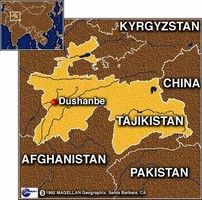
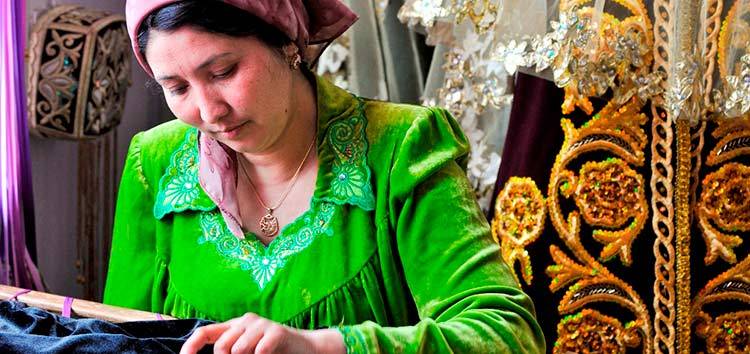
DUSHANBE (TCA) — Authorities in Tajikistan continue imposing restrictions on the private lives of Tajik citizens in the name of combating religious extremism. Such moves, however, may cause the opposite effect, driving Tajik Muslims into the hands of banned Islamist organizations. We are republishing this article by Edward Lemon on the issue, originally published by The Jamestown Foundation’s Eurasia Daily Monitor: In early September, six million mobile phone users in Tajikistan received text messages telling them to “respect traditional clothes” and “make it a tradition to wear traditional clothes.” The messages, sent at the behest of the State Committee on Women’s and Family Affairs, are the latest stage in a government campaign to suppress Islamic clothing in the name of countering violent extremism (Saama TV, September 5; Daily Sabah, September 17). On August 28, President Emomali Rahmon signed amendments to Article 14 of the 2007 Law on Observing National Traditions and Rituals, stipulating that individuals must “wear traditional and national clothes” at so-called “traditional” gatherings, such as weddings and funerals (President.tj, August 28). Contrary to many English-language reports, the new legislation does not ban the wearing of the hijab outright. Instead it restricts what citizens can wear to specific events. Nonetheless, it constitutes another government attempt to regulate the private lives of citizens in Tajikistan. At present, the amended law does not outline any punishments for those caught breaking the law at ceremonies. But such punishments are likely to be introduced soon, according to Hilolbi Qurbonzoda, chief of the lower chamber of the parliament’s Committee on Social Affairs (News.tj, September 7). Officials in Tajikistan have long placed visual appearances at the forefront of their counter-extremism efforts, promoting “national” dress over “foreign” Islamic clothing. Those who wear beards or hijabs are often portrayed as potential terrorists. In a speech delivered on Women’s Day in 2015, President Rahmon condemned females who wore foreign clothing, saying that they were propagating “alien” extremist ideas in the country (President.tj, March 6, 2015). Wearing Islamic clothing does not form an important part of being Muslim, according to officials. In August, for example, the president said that “devotion to God is expressed in the heart, not with dress, or the hijab” (Akhbor, August 23). Tajikistani authorities have introduced policies in recent years to promote these ideas. These policies are twofold: they encourage individuals to wear “national” dress and discourage Islamic or Western clothing. Officials argue that citizens should wear national dress: a suit with a clean-shaven face for men and a colorful, long, two-piece ensemble with a headscarf worn above the ears by Tajik women. In July, Minister of Culture Shamsuddin Omurbekzoda announced the establishment of a committee to “help design clothes for men and women” (RFE/RL, July 21). But simply promoting national dress is not enough. In 2005, the minister of education issued a statement banning hijab in schools. And in 2007, education authorities instituted a mandatory dress code that reinforced the ban. Not only has the government established laws to regulate clothing in specific settings,...

RSF calls for release of Kyrgyzstan journalist jailed for ‘inciting religious hatred’

BISHKEK (TCA) — Reporters Without Borders (RSF) says it is appalled by Kyrgyzstan journalist Zulpukar Sapanov’s four-year jail sentence for allegedly “inciting hatred between religious faiths” in a book about pre-Islamic beliefs in Kyrgyzstan and calls for his conviction to be overturned on appeal. Continue reading

‘Cyber Shield’ to fight extremism in Kazakhstan

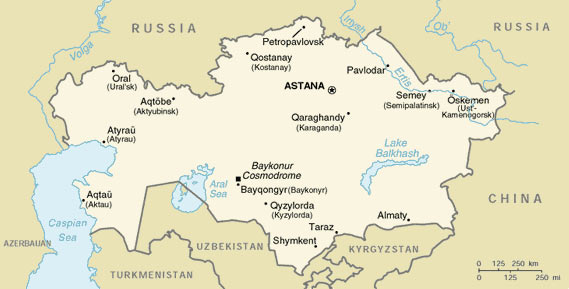
ASTANA (TCA) — As Islamist extremism and terrorism is becoming a serious challenge in Kazakhstan, threatening with cyberattacks, the government is implementing a costly information security project aimed at thwarting the threat. We are republishing this article by Farkhad Sharip, originally published by The Jamestown Foundation’s Eurasia Daily Monitor and entitled Encroaching Extremism in West Kazakhstan: A Challenge for ‘Cyber Shield’: Continue reading

Minister comments on Muslim clothing in Kazakhstan

ASTANA (TCA) — Minister of Religious Affairs and Civil Society Nurlan Yermekbayev at a press conference on August 28 commented on the situation with the ban on wearing clothes of “destructive ideological” movements in Kazakhstan, the official website of the Prime Minister of Kazakhstan reported. Continue reading

Tajikistan parliament approves bill supporting ‘traditional clothes’

DUSHANBE (TCA) — Tajikistan’s lawmakers have approved legislation that obliges individuals and organizations "to stick to traditional and national clothes and culture," a move widely seen as an effort to discourage people from wearing the hijab and Islamic clothing, RFE/RL's Tajik Service reports.   The lower house of parliament passed the bill — an amendment to an existing law governing the practice of traditions, rites, and celebrations — on August 23. The bill is expected to be approved by the upper house of parliament and signed into law by President Emomoli Rahmon, who has endorsed the legislation. It was first published on his website on August 11. Hilolbi Qurbonzoda, chief of the lower chamber’s Committee on Social Affairs, told RFE/RL that the legislation supports a government program to promote what authorities define as Tajik culture, traditions, and clothing. Qurbonzoda said that separate legislation on possible punishment for those who wear "alien Islamic garments" rather than "traditional" Tajik clothing will be outlined by parliament soon. Since May 2016, authorities in the predominantly Muslim Central Asian country have closed down scores of shops that sell women's religious clothing that does not conform with what the government calls "national traditions." Human rights activists say Tajikistan’s government uses the term “nontraditional dress” and "alien garments" as euphemisms for the Islamic hijab. Although the bill passed by the lower chamber does not specifically mention the hijab, authorities in the past have said that head scarves that cover the front of a woman’s neck are a form of “alien culture and traditions.” In early August, more than 8,000 hijab-wearing women were stopped in public places across Dushanbe by teams of state officials who pressured them to wear head scarves in the style of “traditional national clothing” — that is, by tying the scarf with a knot behind the head in a way that leaves the front of the neck exposed. Tajik police have asserted that some women and girls associated with extremist terrorist organizations can be identified because they follow "alien culture and traditions." Regional authorities also have threatened to detain women in hijabs in order to investigate whether their husbands are "militant Salafists" from the ultra-conservative movement within Sunni Islam. The Tajik Constitution says citizens have the right to adhere to any religion, or to no religion at all, and to observe religious customs and ceremonies. The constitution does not prevent Tajikistan’s government from passing legislation that regulates religion.

Tajikistan’s government lays down rules on what not to wear

DUSHANBE (TCA) — The Tajik state is becoming more authoritarian, with authorities laying down rules on many aspects of the people’s life which should be regulated by people’s choices rather than by government decrees. Now officials in Dushanbe have turned their eyes to women’s clothing in an effort to safeguard the Tajiks from “alien” traditions. We are republishing this article on the issue, originally published by EurasiaNet.org: Continue reading