• KGS/USD = 0.01144 0%
  • KZT/USD = 0.00215 0%
  • TJS/USD = 0.10456 0%
  • UZS/USD = 0.00008 0%
  • TMT/USD = 0.28490 0%
  • KGS/USD = 0.01144 0%
  • KZT/USD = 0.00215 0%
  • TJS/USD = 0.10456 0%
  • UZS/USD = 0.00008 0%
  • TMT/USD = 0.28490 0%
  • KGS/USD = 0.01144 0%
  • KZT/USD = 0.00215 0%
  • TJS/USD = 0.10456 0%
  • UZS/USD = 0.00008 0%
  • TMT/USD = 0.28490 0%
  • KGS/USD = 0.01144 0%
  • KZT/USD = 0.00215 0%
  • TJS/USD = 0.10456 0%
  • UZS/USD = 0.00008 0%
  • TMT/USD = 0.28490 0%
  • KGS/USD = 0.01144 0%
  • KZT/USD = 0.00215 0%
  • TJS/USD = 0.10456 0%
  • UZS/USD = 0.00008 0%
  • TMT/USD = 0.28490 0%
  • KGS/USD = 0.01144 0%
  • KZT/USD = 0.00215 0%
  • TJS/USD = 0.10456 0%
  • UZS/USD = 0.00008 0%
  • TMT/USD = 0.28490 0%
  • KGS/USD = 0.01144 0%
  • KZT/USD = 0.00215 0%
  • TJS/USD = 0.10456 0%
  • UZS/USD = 0.00008 0%
  • TMT/USD = 0.28490 0%
  • KGS/USD = 0.01144 0%
  • KZT/USD = 0.00215 0%
  • TJS/USD = 0.10456 0%
  • UZS/USD = 0.00008 0%
  • TMT/USD = 0.28490 0%

Viewing results 1 - 6 of 44

USAID Delivers Food Aid to Vulnerable Groups in Uzbekistan

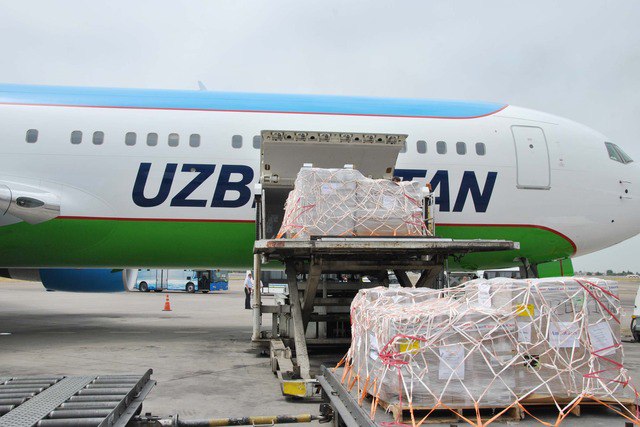
On October 9, the United States, through its Agency for International Development (USAID), announced it had sent 131 tons of food aid to Uzbekistan, worth over $435,000. The shipment includes a nutritious mix of vegetables and legumes for distribution to over 33,000 people in 145 facilities, including centers for long-term tuberculosis patients, orphanages, and psychiatric institutions. “At USAID, we collaborate with our partners to deliver life-saving food assistance to the most vulnerable communities in Uzbekistan. By addressing malnutrition and ensuring access to adequate, safe, and nutritious food, we are empowering individuals to lead healthy, productive lives and building a more stable and resilient world for everyone,” said Anjali Kaur, USAID’s Deputy Assistant Administrator of the Bureau for Asia. Since 2010, USAID’s International Food Relief Partnership program has provided 1,560 tons of food aid to Uzbekistan, worth about $4.5 million. The donated food will be distributed by the American non-profit organization Resource and Policy Exchange in collaboration with the international charitable foundation Sog’lom Avlod Uchun. USAID’s International Food Relief Partnership is part of a more extensive U.S. government program called 'Food for Peace'. Initiated in 1954 by President Dwight Eisenhower, the program illustrates USAID’s commitment to reducing hunger and malnutrition. In addition to providing food, USAID has allocated $6.1 million to expand educational programs in Uzbekistan.
USAID Launches Green Solutions in Kyrgyzstan

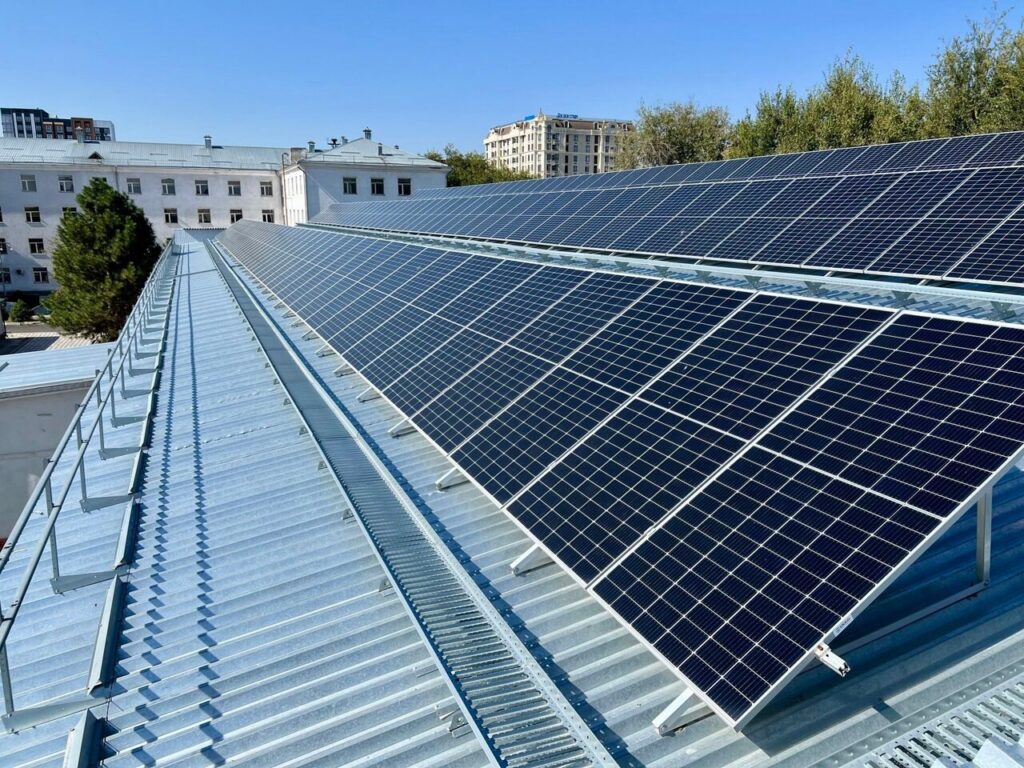
The United States Agency for International Development (USAID) has announced a new U.S. government-sponsored Green Solutions Activity. This five-year initiative backed by a $24 million investment aims to empower small and medium enterprises in Kyrgyzstan to adopt innovative green solutions, enhance energy efficiency, and increase the supply of renewable energy, the U.S. Embassy in Bishkek reported. “This investment marks a pivotal moment in the U.S. government’s commitment to building a greener future in close partnership with the Government of the Kyrgyz Republic. USAID will partner with local businesses and offer grants to adopt green solutions and technologies. Importantly, we will also work with local banks and financial institutions to advance green finance initiatives,” USAID Deputy Assistant Administrator Änjali Kaur stated at the launch event in Bishkek. The launch event occurred at Kyrgyzstan’s first rooftop grid-connected photovoltaic solar plant at the Kyrgyz State Technical University. Developed with USAID support and officially inaugurated in December 2023, the 80-kilowatt solar power installation can generate 143,037 kilowatt hours annually. It not only powers the university but also enables it to sell excess electricity back to the grid, effectively helping to offset operational costs and modeling a more sustainable energy future for the region. USAID is supporting the Kyrgyz government’s green economy initiative to diversify its energy sources into various clean energy forms. The regional Power Central Asia activity focuses on energy sector connectivity and decarbonization, energy security and resilience, and expanded cross-border electricity trade. Additionally, the USAID Future Growth Initiative and USAID Agro Trade Activity promote green production.

Turkmenistan Strengthens Anti-Corruption Mechanisms With Kazakh Experience

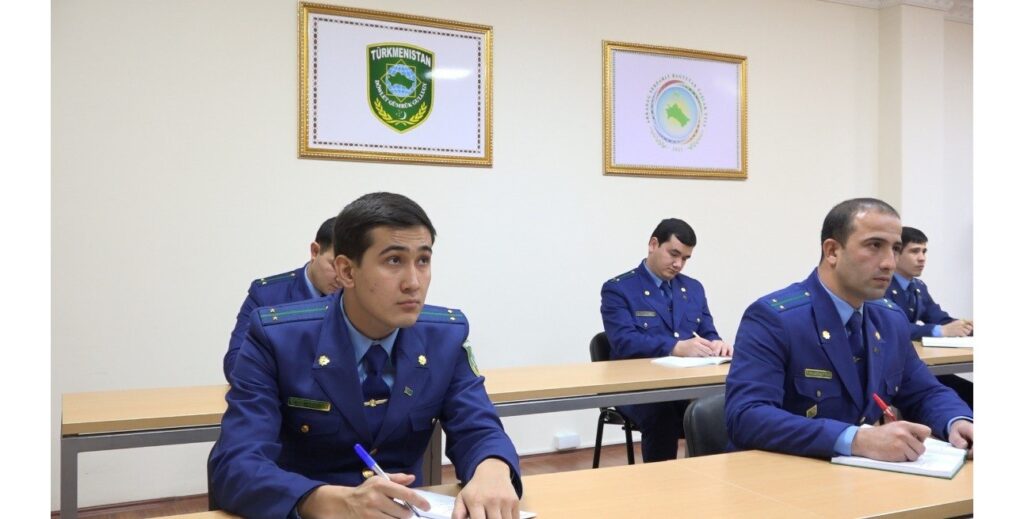
Turkmenistan is actively enhancing its anti-corruption framework by drawing on international expertise. A delegation of senior officials from key ministries recently visited Kazakhstan to learn from its financial practices. This visit, facilitated by the USAID "Governance in Turkmenistan" project with support from the OSCE Center in Ashgabat, aimed to explore best practices in financial monitoring, investigations, and the regulation of virtual assets at the Astana International Financial Center. Therein, Turkmen officials studied national risk assessments, inter-agency cooperation, and preventive measures against corruption, with a particular focus on asset recovery and identifying beneficial owners. The GAT project underlines Turkmenistan's stated commitment to fostering transparent, inclusive governance and advancing socioeconomic development.

USAID Extends Education Programs in Uzbekistan

The United States Agency for International Development (USAID) has provided an additional $6.1 million in funding under an ongoing Development Goals Grant Agreement (DOAG) with the Department of Early Childhood Education. The total volume of investments in DOAG nw exceeds $47 million, the US Embassy in Tashkent has reported. The embassy added that the new funding strengthens programs that help develop basic skills in elementary school students, and gives students in grades 8-11 the entrepreneurial and economic skills they need to get jobs and participate in the economy of the future. “Investing in education is an investment in a brighter future for everyone. By providing quality education, we empower individuals with the skills and knowledge they need and pave the way for a more prosperous, equitable, and stable society,” explains David Hoffman, USAID Mission Director in Uzbekistan. “Every dollar spent on education is a step toward building a better tomorrow for all,” he added. The five-year DOAG contract was signed in 2019. USAID’s investments in Uzbekistan’s education sector aim to improve reading and math skills in primary grades, English fluency, information and communication technology development, and employability skills. Also, in March, USAID announced the investment of $17.7 million in a five-year project to support business in Uzbekistan. This investment will increase competitiveness in the fields of information and communication technologies (ICT), tourism, textiles, and green economy. Another USAID initiative is to support clean energy goals in Uzbekistan. As part of the initiative, the “Strategy for the Development of Renewable and Hydrogen Energy” of Uzbekistan plans to increase the production of renewable energy (solar, wind, and hydropower) by 25% by 2030 and achieve carbon neutrality by 2050.

Climate Crisis May Drastically Reduce Production in Central Asia

Central Asia may face serious economic losses due to climate change, which may reach a 6.5% annual decline in production by 2060. These figures were announced by Bo Li, Deputy Managing Director of the International Monetary Fund (IMF), at the “New Economic Challenges for Long-Term Development” forum. According to Bo, the Caucasus and Central Asia region is particularly vulnerable to climate change. Soaring temperatures and increasing frequency of droughts and floods are reducing crops, destroying infrastructure, and lowering living standards. “According to IMF estimates, if no action is taken to slow down climate change, Central Asia will lose up to 6.5% of its output annually by 2060,” Bo said. He noted that possible losses could be reduced with joint actions such as reducing carbon emissions, transitioning to a green economy, and adapting to changing climate conditions. As an example, Bo noted the efforts of Kyrgyzstan, that has already started to increase electricity tariffs and reduce energy subsidies, allowing the country to adapt to climate challenges and create new jobs in the “green” sector. Many Central Asian countries are taking steps to reform the energy sector and introduce “green” technologies. For example, Kazakhstan is actively cooperating with several countries to develop renewable energy and reform the energy sector. One key example is the partnership with the United States under the USAID Power Central Asia program. This initiative supports Kazakhstan and other Central Asian countries in modernizing energy markets, introducing clean energy, and encouraging private investment in renewable energy. Uzbekistan is undergoing a major reform of its energy system to reduce subsidies and promote renewable energy. The country plans to increase the share of renewable energy to 25% by 2030, which includes solar and wind energy projects. These measures will help Uzbekistan improve energy efficiency and reduce carbon dioxide emissions. In Tajikistan, USAID is implementing the Power Central Asia program, which supports energy cooperation in the region and encourages using renewable energy to help reduce dependence on fossil fuels and modernize energy systems.

U.S. Ambassador: America Supports Tajikistan’s Role in the Trans-Caspian Trade Route

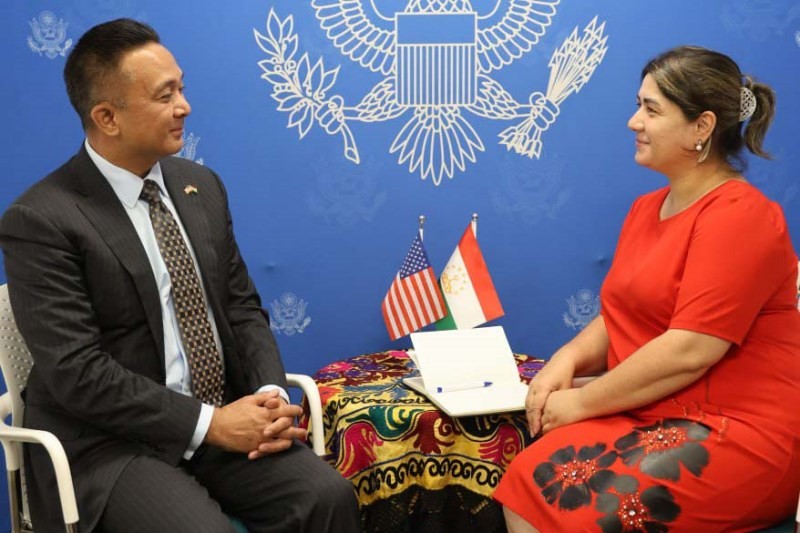
The United States supports Tajikistan’s participation in the Trans-Caspian Trade Route project, connecting China with Europe through the Caspian Sea, Asia, and the Caucasus. U.S. Ambassador to Tajikistan Manuel Micaller spoke about this in an interview with Khovar.tj. “We continue to advocate for Tajikistan’s participation in the Trans-Caspian Trade Route, which will connect Central Asia with the Caucasus and European markets. Through the C5+1 diplomatic platform, which brings together the United States and our five Central Asian partners, we hope to facilitate closer cooperation with these partners and access to global markets,” Micaller noted. The Trans-Caspian Transport Route starts from Southeast Asia and China and runs through Kazakhstan, the Caspian Sea, Azerbaijan, Georgia, and further to European countries. It aims to facilitate trade and economic cooperation by connecting major economic regions through railways, highways, and maritime routes. Transit time along the Trans-Caspian Route has been reduced from 38-53 days to 18-23 days. In 2024, this period is planned to be reduced to 14-18 days, and the journey through the territory of Kazakhstan from 6 to 5 days.