• KGS/USD = 0.01144 0%
  • KZT/USD = 0.00203 0%
  • TJS/USD = 0.10398 0%
  • UZS/USD = 0.00008 0%
  • TMT/USD = 0.28490 0%
  • KGS/USD = 0.01144 0%
  • KZT/USD = 0.00203 0%
  • TJS/USD = 0.10398 0%
  • UZS/USD = 0.00008 0%
  • TMT/USD = 0.28490 0%
  • KGS/USD = 0.01144 0%
  • KZT/USD = 0.00203 0%
  • TJS/USD = 0.10398 0%
  • UZS/USD = 0.00008 0%
  • TMT/USD = 0.28490 0%
  • KGS/USD = 0.01144 0%
  • KZT/USD = 0.00203 0%
  • TJS/USD = 0.10398 0%
  • UZS/USD = 0.00008 0%
  • TMT/USD = 0.28490 0%
  • KGS/USD = 0.01144 0%
  • KZT/USD = 0.00203 0%
  • TJS/USD = 0.10398 0%
  • UZS/USD = 0.00008 0%
  • TMT/USD = 0.28490 0%
  • KGS/USD = 0.01144 0%
  • KZT/USD = 0.00203 0%
  • TJS/USD = 0.10398 0%
  • UZS/USD = 0.00008 0%
  • TMT/USD = 0.28490 0%
  • KGS/USD = 0.01144 0%
  • KZT/USD = 0.00203 0%
  • TJS/USD = 0.10398 0%
  • UZS/USD = 0.00008 0%
  • TMT/USD = 0.28490 0%
  • KGS/USD = 0.01144 0%
  • KZT/USD = 0.00203 0%
  • TJS/USD = 0.10398 0%
  • UZS/USD = 0.00008 0%
  • TMT/USD = 0.28490 0%

Viewing results 19 - 24 of 2291

Calls and Meetings: Central Asia’s Diplomats Seek Balance in Mideast War

Central Asian countries are being careful not to criticize any actors during the Mideast war, maintaining ties with the Iranian government while expressing support for Gulf Arab countries that have been targeted by Iranian missiles and drones. The diplomacy on both sides of a war that began with U.S. and Israeli air strikes on Iran reflects a longstanding approach in Central Asia, where leaders have sought to project neutrality and maintain amicable relations with major powers including Russia, China and the United States. Increasingly, those leaders are taking coordinated positions on conflicts such as the one now convulsing the Mideast region, partly in order to preserve trade routes and strengthen a call for regional stability. It all means that Central Asian diplomats are busy these days. A lot of calls and meetings. Alibek Bakaev, Kazakhstan’s deputy foreign minister, discussed the situation in the Middle East with Iranian ambassador Ali Akbar Joukar in Astana on Wednesday. The two sides “reaffirmed their commitment to the implementation of the agreements reached following high-level negotiations,” the Kazakh government said, in an apparent reference to deals, probably related to trade, that were made before the massive strikes on Iran and ensuing upheaval that could affect the global economy. Like Kazakhstan, Uzbekistan has reached out to Gulf Arab countries during the crisis and thanked them for helping with the evacuation of Central Asian nationals, including Muslim pilgrims. On Wednesday, Uzbek President Shavkat Mirziyoyev spoke to Qatari Emir Sheikh Tamim bin Hamad Al Thani about the importance of bringing the war to a quick end, Uzbekistan’s Ministry of Foreign Affairs said. “Deep concern was expressed over unacceptable actions that exacerbate divisions within the Muslim ummah during the holy month of Ramadan,” said the ministry, without specifying who was responsible for the “unacceptable actions.” Just a day earlier, Foreign Minister Bakhtiyor Saidov of Uzbekistan spoke by telephone to his Iranian counterpart, Seyed Abbas Araghchi. Saidov expressed condolences over the loss of civilian lives in the war and the pair agreed on the need for dialogue. Among Central Asian countries, Uzbekistan and Kazakhstan in particular have been growing closer to the United States, signing trade deals and joining President Donald Trump’s Board of Peace initiative. Trump has described the Iranian leadership as “a vicious group of very hard, terrible people.” Nations in Central Asia aren’t the only ones looking for a balance in the current crisis. China, which relies heavily on Iranian oil but also values its ties to the wealthy Gulf Arab states, has called for an end to the war. Russia, which has received help from Iran for its war in Ukraine, has condemned the strikes, but Moscow has been developing ties with the Gulf states as well. Among traditional U.S. allies, Canadian Prime Minister Mark Carney has said he supports the strikes in Iran “with regret” because they reflect a further breakdown of the international order, even though Iran is a threat. French President Emmanuel Macron has expressed similar concerns about the strikes, while denouncing the...
Central Asia and Britain Launch CA5+UK Ministerial Track

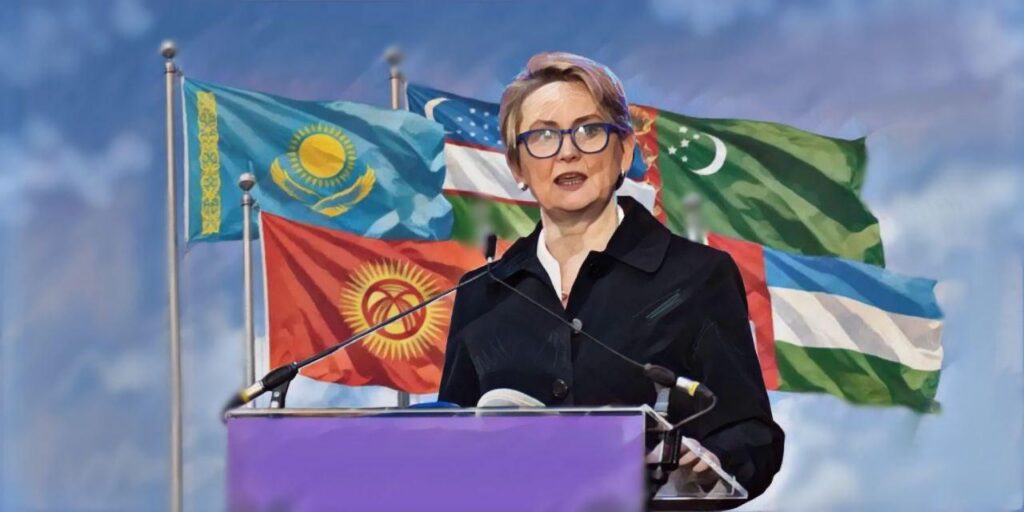
On February 26, 2026, the foreign ministers of Kazakhstan, Kyrgyzstan, Tajikistan, Turkmenistan, and Uzbekistan met in London with United Kingdom Foreign Secretary Yvette Cooper at Lancaster House for the inaugural “Central Asia–UK” (CA5+UK) ministerial. Official statements described it as the first time since independence that all five Central Asian foreign ministers have met jointly with a UK foreign secretary in a single forum. They also presented the meeting as the start of a structured ministerial channel, intended to convene regularly, that can carry regional priorities while leaving bilateral agendas in place. The United Kingdom is framing the new CA5+UK channel as a replacement for scattered bilateral visits: a single ministerial venue can set shared priorities and route them into investment and services work. For the five Central Asian states, it adds another external track, widening options without forcing institutional choices. Public statements point to a practical agenda focused on trade and investment, transport connectivity, energy transition, and critical minerals, with security present chiefly as background context. The enabling layer of finance, standards, education, and professional services is also included. How the London Program Unrolled On February 25, meetings took place at the British Parliament as part of the London schedule. The five ministers met with House of Commons Speaker Sir Lindsay Hoyle and held a session with the All-Party Parliamentary Group for Central Asia, chaired by Pam Cox.  The meetings in Parliament complemented the ministerial session at Lancaster House by widening contact beyond foreign ministries. The discussion emphasized committee-to-committee contacts, visits, and exchange of legislative practice as a complement to intergovernmental diplomacy. Parliamentary relationships and staff channels can carry attention between ministerial sessions, assisting with follow-up after cooperative contacts have been publicly established. They represent a second continuity layer: implementation often turns on routine access and working familiarity rather than on formal statements alone. Between the parliamentary program and the ministerial delegations, they also met with the United Kingdom business community at a reception in London. This was a practical companion to the new format, aiming at the conversion of diplomatic intent into projects that can be financed and executed. Kazakhstan’s Foreign Minister Yermek Kosherbayev cogently highlighted the Astana International Financial Centre (AIFC), which operates under English common law with an independent court and arbitration system and British judges in the AIFC Court. Beyond the plenary session, a ministerial working lunch provided a venue to follow up on such initiatives. Early deliverables were not multilateral but bilateral. Kazakhstan and the United Kingdom signed a strategic roadmap on critical minerals through 2027 and paired it with education moves, including a licensed Coventry University campus in Almaty and plans involving British secondary and higher education institutions. Uzbekistan reported a Memorandum of Understanding on healthcare services that it presented as a platform for building pharmaceutical manufacturing capacity, alongside separate discussions with investment and finance counterparts in London. Turkmenistan cited a 2026–2027 cooperation program between foreign ministries, and Tajikistan continued to emphasize investment and cooperation in science and education. CA5+UK Launches with Bilateral Packages...

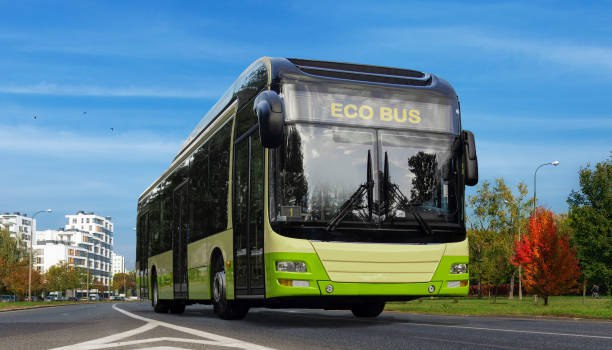
South Korea Supports Kyrgyzstan’s Transition to Electric Transport

South Korea is expanding support for Kyrgyzstan’s transition to electric mobility through new investments in charging infrastructure and the electrification of government vehicles. Blue Networks Co., Ltd., a South Korean company specializing in electric vehicle (EV) charging infrastructure that has installed more than 3,500 charging stations in South Korea, plans to install 300 EV charging stations across Kyrgyzstan by July 2026. The initiative was discussed during a March 3 meeting between Kyrgyz Energy Minister Taalaibek Ibraev and representatives of Blue Networks. Cooperation between Kyrgyzstan and Blue Networks began in 2024, when the state-owned energy company Chakan HPP and the South Korean firm signed a memorandum on the joint development and operation of EV charging stations. In 2025, the partners signed a framework agreement to establish a manufacturing facility in Kyrgyzstan to assemble EV charging stations. As part of the agreement, a joint venture has already been established, and the launch of the assembly plant is scheduled for April 2026. Digitalization was also a key topic during the meeting. Blue Networks said it is developing software to manage EV charging infrastructure and agreed to provide Kyrgyzstan’s Ministry of Energy with access to the system to ensure transparency, monitoring, and efficient management of the future charging network. The initiative forms part of broader support from South Korea for Kyrgyzstan’s transition to electric mobility. On March 3, the Korea International Cooperation Agency (KOICA) handed over electric vehicles under the project “Electric Vehicle Transition Project for Public Service Fleet to Realize Green Mobility in the Kyrgyz Republic.” The ceremony was attended by Kyrgyz Deputy Minister of Economy and Commerce Mederbek Tumanov, South Korean Ambassador to Kyrgyzstan Kim Kwangjae, KOICA Country Director Lim Soyeon, and representatives of participating government institutions. According to the KOICA Kyrgyzstan office, ten electric SUVs will be distributed among key government institutions during the first phase of the project. The initiative, which runs from 2024 to 2027 with a budget of about $11 million, aims to reduce greenhouse gas emissions and support the adoption of electric vehicles in the public sector through the provision of vehicles, charging infrastructure, and training programs. These initiatives align with the Kyrgyz government’s strategy to promote environmentally friendly transport and reduce air pollution in Bishkek and other major cities. The number of electric vehicles in Kyrgyzstan has been steadily increasing. According to First Deputy Prime Minister Daniyar Amangeldiev, more than 200 electric vehicles are imported into the country daily under a VAT exemption scheme. As a member of the Eurasian Economic Union (EAEU), Kyrgyzstan also benefits from an annual quota allowing the duty-free import of up to 15,000 electric vehicles. Despite this rapid growth, electric vehicles still represent a small share of the national vehicle fleet. According to the Ministry of Natural Resources, Ecology, and Technical Supervision, Kyrgyzstan had more than 1.9 million registered vehicles as of early 2026, a 13% increase compared with 2024. Of these vehicles, 972,000 run on gasoline, 339,000 on diesel, 56,900 on gas, and 37,000 are hybrids. Electric vehicles account for...

Middle East Conflict Tests Central Asia’s Trade Routes and Energy Security

The escalating conflict between Iran, the United States, and their regional partners is raising economic concerns across Central Asia. Turkmenistan shares a long border with Iran, while other Central Asian economies depend on energy markets and trade routes that pass through or around the Persian Gulf. A wider conflict there could ripple across Central Asia through higher fuel prices, disrupted logistics, and pressure on key transport corridors. For countries such as Kyrgyzstan and Tajikistan, the most immediate risk is rising fuel prices. Both depend heavily on imported fuel. Kyrgyz security expert Taalaibek Jumadylov has warned that Kyrgyzstan could face rising prices for food, clothing, and other essential goods. For Tajikistan, the closure of the Strait of Hormuz would significantly increase import costs. Tajik media reports that trade between Tajikistan and Iran has grown rapidly over the past five years. Tajik-Iranian trade turnover increased from $377.7 million in 2024 to approximately $484 million in 2025, a rise of around 28%. Tajikistan’s exports totaled about $113 million, while imports from Iran exceeded $371 million, giving Iran a 4.5% share of Tajikistan’s total foreign trade turnover. If global oil prices rise significantly, Tajikistan could also face additional pressure on its budget. There are indirect risks as well: a slowdown in the economies of Russia, China, or other major partners could affect Tajikistan through trade, investment flows, and remittances. In Uzbekistan, analysts note that in recent years Iran has actively pursued transport diplomacy with Central Asia, seeking to strengthen its position as a regional logistics hub. Uzbek analyst Nargiza Umarova says this trend aligns with China’s Belt and Road Initiative. Iran and China signed a 25-year cooperation agreement in March 2021, a deal widely described as deepening Iran’s role in Belt and Road-linked connectivity. Kazakh economist Almas Chukin highlighted the logistical advantages of transport routes through Iran. “If we take the point where the Turkmenistan railway connects with Iran and the route to the Persian Gulf, it is about 1,200-1,500 kilometers. This is comparable to the distance from Astana to Almaty. Once you cover this distance, you reach the Persian Gulf and its major ports, where you can handle anything from oil transshipment to grain shipments. From there, sea transport to Rotterdam takes about three to four weeks,” he stated. Chukin added that such routes could simplify exports compared with transporting oil through Russia to Novorossiysk and then via the Black Sea, the Bosphorus Strait, and the Mediterranean. According to his estimates, a rail route to Europe through Iran would be about 3,500 kilometers from the Turkmen border. The economist suggested that if Iran’s political system changes and sanctions are lifted, Central Asia could benefit significantly. “This would be a huge shift for Central Asia: a region with a population of 80 million, abundant resources, and a young workforce, but constrained by geography, suddenly gaining direct access to global markets,” Chukin argued. Some analysts also point to emerging competition among regional transport corridors. In the South Caucasus, a proposed Zangezur corridor has been promoted...

Turkmenistan Opens Additional Crossings as Uzbekistan Evacuates Citizens from Iran

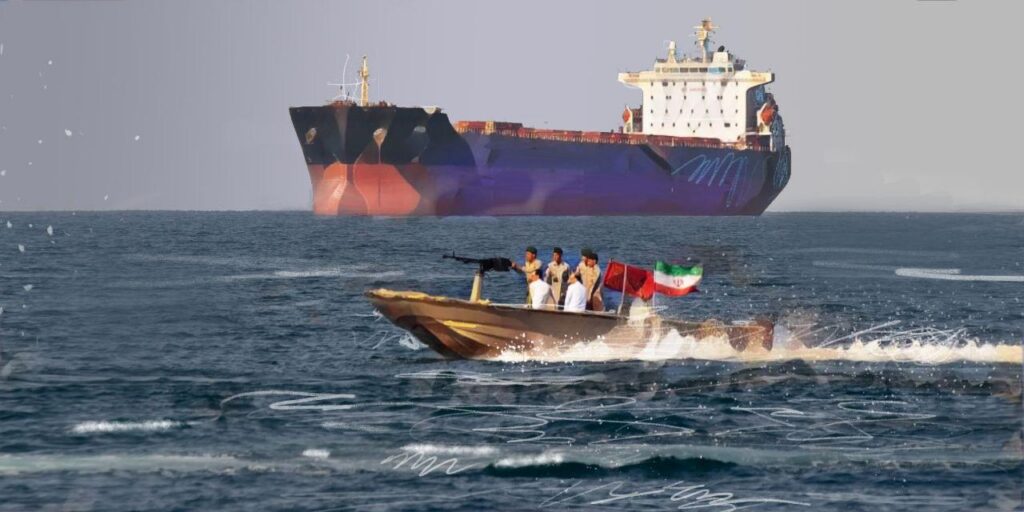
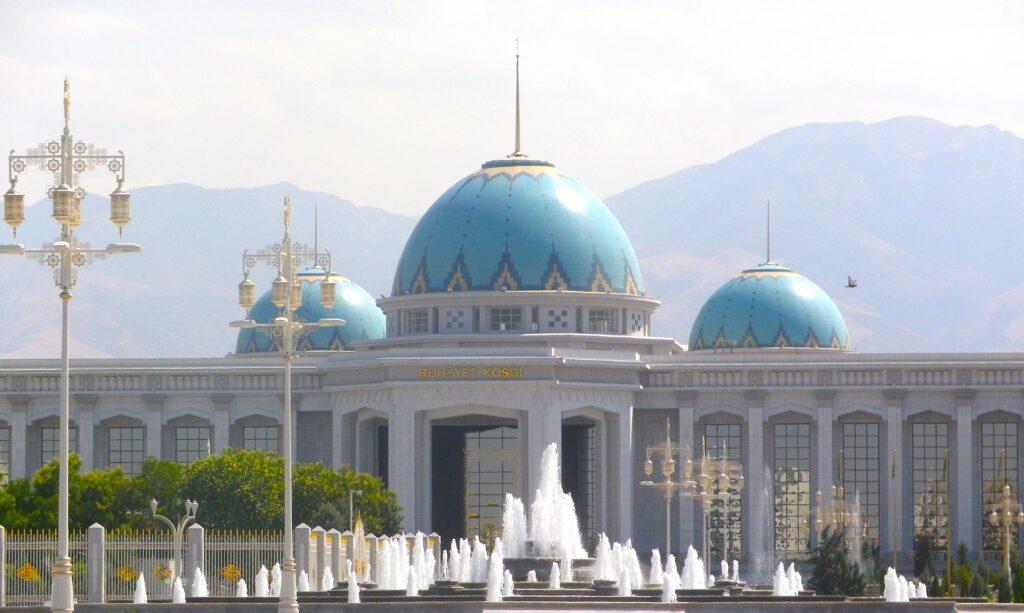
Turkmenistan has opened several additional checkpoints on its border with Iran to allow foreign citizens to leave the country as fighting in the Middle East continues. The Russian Embassy in Ashgabat said the Turkmen authorities have opened four additional crossings along the Turkmen-Iranian frontier: Artyk–Lutfabad, Gaudan–Bajgiran, Akyayla–Incheburun, and Altyn Asyr–Incheburun. These operate alongside the Sarakhs crossing, which had already been used for evacuation transit. The move expands an overland route through Central Asia for foreigners seeking to leave Iran while air travel across parts of the Middle East remains disrupted. Uzbekistan has begun using this corridor to assist its citizens. The country’s Ministry of Foreign Affairs said diplomatic staff and official vehicles have been deployed to the Sarakhs crossing to receive Uzbek nationals arriving from Iran and organize their onward transport across Turkmenistan toward Uzbekistan. Uzbek outlet Daryo reported on March 4 that Uzbekistan had already repatriated 13 citizens from Iran via Turkmenistan. Russia has also pointed citizens toward the Turkmen route. The Russian Embassy in Ashgabat said its citizens unable to leave Iran by air could exit through Turkmenistan and should register with the Russian Embassy in Tehran, which is coordinating assistance for citizens inside Iran. The embassy noted that Turkmenistan maintains strict entry rules and normally requires special permits for foreign visitors. Despite those restrictions, the country has previously allowed evacuation transit from Iran during earlier regional crises. The additional crossings create another evacuation corridor alongside the route from Iran into Azerbaijan through the Astara border crossing on the Caspian coast. Foreign nationals have already used that crossing to leave Iran in recent days, including citizens from Central Asia. The Turkmenistan route provides a more direct path back into the region for evacuees traveling toward Uzbekistan and other Central Asian countries. Turkmenistan shares a 1,148-kilometer border with Iran. Ashgabat, the Turkmen capital, sits only about 25 kilometers north of the frontier, and several transport links connect the two countries. Sarakhs functions as an established rail and road gateway used for trade and freight movement between the two countries. In recent years, Turkmenistan and Iran have also discussed expanding rail and freight transit through the Sarakhs crossing as part of broader regional transport corridors linking Central Asia to southern markets. Turkmenistan also exports natural gas to northern Iran under swap arrangements in which Tehran delivers equivalent volumes to Azerbaijan, which could disrupt regional logistics and energy flows. The expansion of border crossings increases the capacity for organized departures from Iran and provides foreign governments with an additional land route when other exit corridors become congested. For Central Asian governments, the immediate priority remains the safe movement of their nationals out of the conflict zone. The opening of additional Turkmen checkpoints provides another corridor linking Iran to Central Asia and may ease pressure on evacuation routes through the South Caucasus.

Opinion: Islamic State Khorasan Province and the Strategic Risks for Central Asia

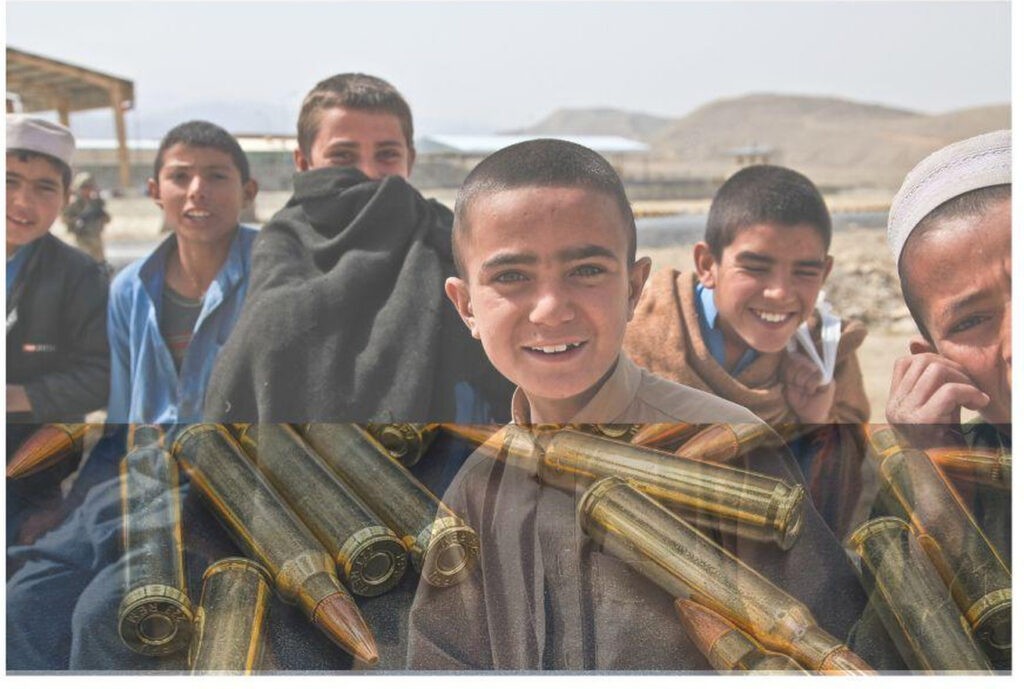
In modern Eurasia, threats are increasingly becoming part of the strategic environment. At times, they even turn into political instruments. When discussing terrorism, analysis usually focuses on the level of danger it poses. Far less attention is given to whether such threats are assumed to be manageable. The problem lies not only in the existence of radical groups, but also in the illusion that they can be controlled or used to serve someone’s strategic interests. Iranian analyst Nozar Shafiee, writing for the Tehran-based Institute for East Strategic Studies, describes ISKP as a decentralized and transnational network that can continue operating even after losing territorial control. This perspective is rarely discussed in public analysis of the region, which is precisely why it deserves attention. Islamic State Khorasan Province (ISKP), the Afghan branch of the Islamic State group operating in Afghanistan and Pakistan, with demonstrated intent for external operations, has long ceased to depend on localized footholds. Even after losing territorial control, the organization did not disappear. Instead, it transformed. Today, it functions as a flexible network of small cells. It no longer needs to control a city or province to remain dangerous. It relies on the internet for recruitment and propaganda, operates through autonomous groups, and conducts high-profile attacks designed to attract attention and create an atmosphere of instability. However, there is another aspect that receives far less attention. In the context of regional competition, there is sometimes a temptation to view such structures as potential proxy forces, instruments of pressure that could theoretically be restrained or directed in a desired direction. The logic is simple: as long as the threat is not directed at us, it can be treated as part of a broader geopolitical game. History, however, demonstrates that this is a dangerous illusion. Radical networks do not function as controllable instruments. They operate according to their own logic and eventually move beyond the limits within which they were meant to be contained. There are numerous historical examples in which support for radical groups as a temporary strategic tool has “backfired.” Organizations created or supported for tactical purposes eventually began acting autonomously and turned their weapons against their former patrons. As Western analysts often note, supporting proxies who do not share your ideological legitimacy inevitably carries the risk that they will eventually turn against you. This represents a key risk for neighboring regions. Unlike traditional conflicts, networked extremist structures are not confined to a single territory. Their influence spreads through digital platforms, ideological narratives, and transnational connections. Even if attempts to instrumentalize such groups occur far from the region’s borders, the consequences can still affect it directly. This discussion is particularly relevant for Central Asia. First, modern terrorism no longer depends on physically crossing borders. In the mid-2010s, several thousand individuals from Central Asian countries became involved in conflicts in Syria and Iraq. Recruitment did not take place primarily through physical training camps but through online networks. Geographic distance offered little protection. Second, ISKP propaganda materials are distributed in Central...