• KZT/USD = 0.00223
  • TJS/USD = 0.10810
  • UZS/USD = 0.00009
  • TMT/USD = 0.29850
  • KZT/USD = 0.00223
  • TJS/USD = 0.10810
  • UZS/USD = 0.00009
  • TMT/USD = 0.29850
  • KZT/USD = 0.00223
  • TJS/USD = 0.10810
  • UZS/USD = 0.00009
  • TMT/USD = 0.29850
  • KZT/USD = 0.00223
  • TJS/USD = 0.10810
  • UZS/USD = 0.00009
  • TMT/USD = 0.29850
  • KZT/USD = 0.00223
  • TJS/USD = 0.10810
  • UZS/USD = 0.00009
  • TMT/USD = 0.29850
  • KZT/USD = 0.00223
  • TJS/USD = 0.10810
  • UZS/USD = 0.00009
  • TMT/USD = 0.29850
  • KZT/USD = 0.00223
  • TJS/USD = 0.10810
  • UZS/USD = 0.00009
  • TMT/USD = 0.29850
  • KZT/USD = 0.00223
  • TJS/USD = 0.10810
  • UZS/USD = 0.00009
  • TMT/USD = 0.29850
22 September 2026

Viewing results 49 - 54 of 856

World Bank Approves $100 Million to Improve Primary Education in Uzbekistan

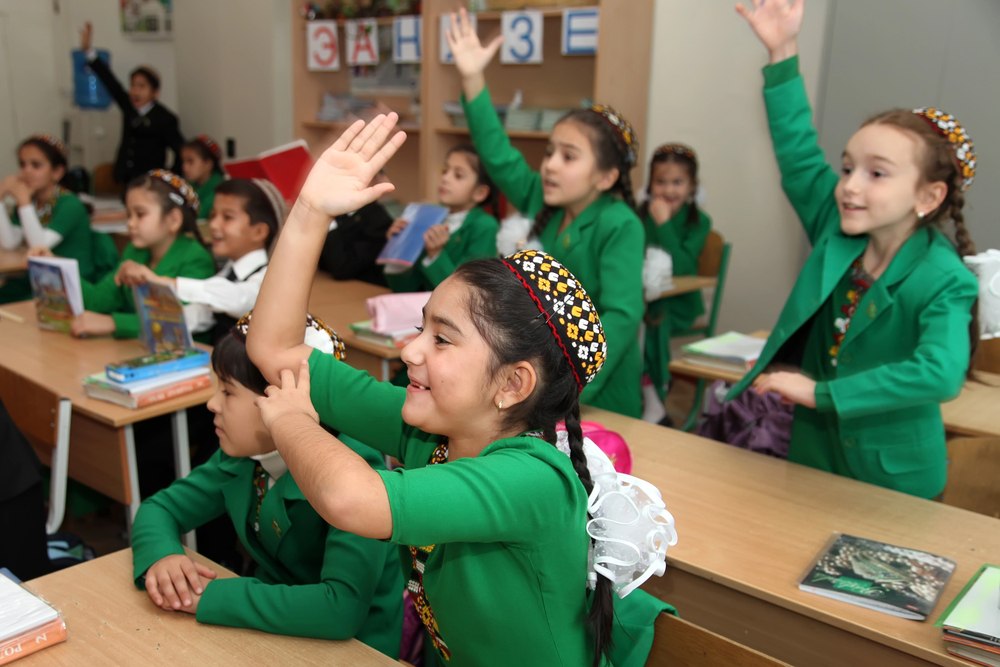
The World Bank has approved $100 million in concessional financing to help Uzbekistan improve the quality of primary education, strengthen foundational learning skills, and expand school capacity in some of the country’s most underserved regions, the bank announced. The funding, provided by the International Development Association, will support the Transforming Public Education for Economic Growth (BILIM) Program. The initiative will also receive a $5 million grant from the International Finance Facility for Education (IFFEd), marking the first partnership between IFFEd and the World Bank. Together with $273 million from Uzbekistan's government, the program has a total budget of $378 million. According to the World Bank, Uzbekistan’s public education system is under increasing pressure from rapid population growth and internal migration. School enrollment is expected to exceed 7.6 million students in 2026, requiring the construction of around 300 new schools every year to meet demand. Although more than 99% of primary school-age children are enrolled in school, learning outcomes in reading and mathematics remain below international standards. The bank also noted that teaching methods and teacher professional development require significant improvement. “Strengthening foundational skills in primary school, including reading, mathematics, and socio-emotional skills, is central to further building Uzbekistan’s human capital base and advancing its development,” said Najy Benhassine, the World Bank’s Division Director for Central Asia. “These skills will help children develop more advanced competencies and prepare them for the rapidly evolving jobs market. They are also critical to the country’s economic growth, which depends on a workforce capable of driving innovation.” The BILIM Program will be implemented by Uzbekistan’s Ministry of Preschool and School Education and the Ministry of Economy and Finance in Karakalpakstan and the Khorezm, Kashkadarya, Surkhandarya, Bukhara, and Navoiy regions. These areas account for about 45% of the country’s schools and face some of the greatest shortages of education infrastructure and learning resources. By 2030, the program aims to train 50,000 teachers, school leaders, and education administrators and create 27,000 student places through school construction and expansion. It will also improve education planning through better data collection and management. Around 2 million primary school students, half of them girls, are expected to benefit from the reforms. The financing adds to the World Bank’s existing education work in Uzbekistan. As previously reported by The Times of Central Asia, the bank approved a $250 million loan last December for the Edulmkon Program, a three-year initiative designed to expand access to higher and vocational education. Scheduled for implementation between 2026 and 2028, that program is expected to benefit around 600,000 young people. About 80% of the financing will go toward tuition loans for students from low-income families and women, who continue to face significant barriers to higher education.
AI-92 Gasoline Price in Uzbekistan Hits Record High Amid Regional Fuel Pressures

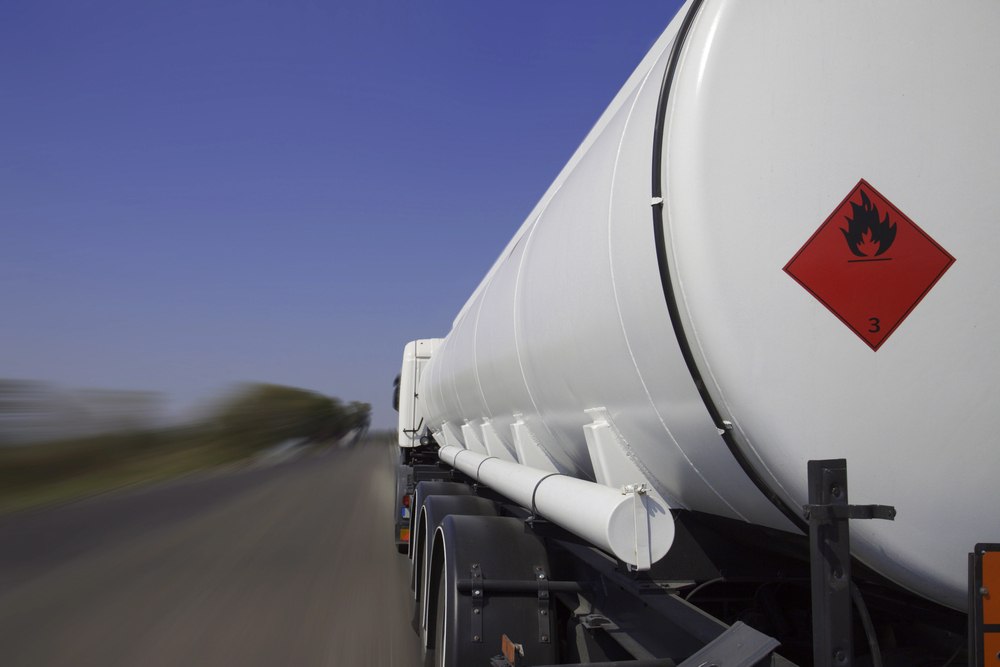
The price of AI-92 gasoline on Uzbekistan’s Republican Commodity and Raw Materials Exchange has reached a record high, according to exchange data reviewed by Uzbek business outlet Spot. On June 29, the exchange price for one metric ton of AI-92 gasoline climbed to 13.919 million UZS, approximately $1,160, up 1.1% from the previous trading session and the highest level ever recorded. Since the beginning of June, the fuel price has risen by 11.8%, or nearly 1.5 million UZS, approximately $125 per ton. Spot reported that the sharpest increase came during the first week of the month. Between June 4 and June 8, the price jumped from 12.476 million UZS, approximately $1,040, to 13.788 million UZS, approximately $1,149, an increase of 10.5% in just four days. Prices then remained relatively stable at around 13.7 million UZS to 13.8 million UZS, approximately $1,141-$1,150, before climbing to a new record at the end of the month. The rise in prices coincided with a sharp drop in supply on the exchange. Available volumes fell from 3,791 tons on June 1 to 1,898 tons by June 23, nearly halving over three weeks. Although supply had recovered to 3,123.2 tons by June 29, prices remained at record levels. The increase comes as Russia experiences fuel shortages linked to unplanned refinery maintenance following Ukrainian drone strikes. Several Russian oil refineries have undergone emergency repairs after the attacks, reducing fuel production and tightening supplies across the region. Russia also introduced a full ban on gasoline exports on April 1. However, the restriction does not apply to deliveries made under intergovernmental agreements, meaning fuel exports to Uzbekistan are not directly affected. As previously reported by The Times of Central Asia, Russia has discussed importing about 50,000 metric tons of AI-92 gasoline from Kazakhstan after refinery outages cut gasoline production by roughly 25% year-on-year by late June. The talks marked an unusual step for Russia, traditionally one of the region’s main fuel exporters.

Central Asian Labor Migration Shifts as Russia Loses Some of Its Pull

Russia remains the main destination for many Central Asian labor migrants, but its dominance is weakening. Since the start of the war in Ukraine, Western sanctions, tougher Russian migration rules, and rising hostility toward migrants have pushed workers from the region to look elsewhere. South Korea, the Gulf states, the United Kingdom, Poland, Belarus, and other destinations are increasingly competing with Russia for Central Asian labor. The result is not a collapse of the old migration model, but a visible diversification of flows as the geography of labor migration from the region expands. Kazakhstan: From Destination Country to Source of Skilled Migrants Since the collapse of the Soviet Union, most labor migrants from Central Asia have traveled to Russia in search of work. A shortage of local labor, relatively decent wages, familiarity with the language, and a similar mentality have driven many to seek jobs in major Russian cities. Kazakhstan is an exception. It has not seen mass migration of its own citizens into lower-skilled jobs in Russia such as janitorial or construction work. Kazakhstan’s own economy offers such jobs, unemployment has remained low, and employers continue to report shortages in both manual work and skilled professions. The Bureau of National Statistics put unemployment at 4.5% in the first quarter of 2026. For this reason, Kazakhstan has also long been a destination for migrants from neighboring states, even if Russia has traditionally attracted larger flows. Kazakh citizens working abroad generally aim for higher-paying jobs in sectors requiring qualifications. The government was already tracking this in 2024, when the Ministry of Labor and Social Protection reported, using Foreign Ministry data, that 137,000 Kazakh citizens were abroad for employment purposes. The largest numbers were in Russia, South Korea, Turkey, and the UAE, with smaller numbers in Europe, North America, and elsewhere. A later Ministry report showed the same pattern, with Russia still dominant but alternatives clearly visible: of 126,000 Kazakh citizens employed abroad, 102,000 were in Russia, 15,000 in South Korea, and around 2,000 in the United Kingdom and European Union member states. Those leaving include economists, lawyers, technical specialists, teachers, and medical workers. Although outward labor migration remains limited compared with Uzbekistan, Kyrgyzstan, or Tajikistan, it is adding to official concerns about the loss of qualified specialists. Officials believe Kazakhstan’s labor market is vulnerable to external competition, and a large share of those leaving have higher or technical vocational education. Salary gaps and differences in living standards make these destinations attractive. Qatar has recently joined the list of preferred destinations for labor migration. This has been made possible in large part by intergovernmental agreements signed between Qatar and Kazakhstan. Qatar is now actively recruiting Kazakh specialists, particularly in the oil and gas sector. According to Arman Shokparov, co-founder of People Consulting, around 600-700 Kazakh white-collar professionals currently work in Qatar. Nearly half work in the oil and gas sector, mainly in engineering and production roles. This trend does not mean Kazakhstan is only losing workers. It continues to attract immigrants and...

Kazakhstan and Uzbekistan to Upgrade Two Border Crossings to International Status

Kazakhstan and Uzbekistan are moving to improve cross-border travel and trade by upgrading two road border checkpoints to international status and extending their operating hours to 24 hours a day. According to Kazinform, Kazakhstan’s Senate has ratified a protocol amending the 2006 agreement between the governments of Kazakhstan and Uzbekistan on border crossing points. The amendments change the status of the Syrdarya-Malik and Tselinny-Oqoltin checkpoints from bilateral crossings, which serve only the two countries, to international border posts open to travelers from other countries. The protocol also replaces the current daylight-only schedule with round-the-clock service at both crossings and expands the categories of vehicles permitted to use them. Under the new rules, the Tselinny-Oqoltin crossing will accommodate passenger vehicles, empty freight trucks, oversized and heavy vehicles, as well as commercial cargo. The Syrdarya-Malik crossing will be open to passenger cars and empty freight vehicles but will not handle commercial goods. According to the Senate committee’s conclusion, the changes, together with the ongoing modernization of border infrastructure along the Kazakhstan-Uzbekistan frontier, are expected to distribute passenger and freight traffic more evenly and improve the efficiency of border operations. The move has also received support in Kazakhstan’s lower house of parliament. As reported by 24KZ, deputies in the Mazhilis approved the amendments. Transport Minister Nurlan Sauranbayev said the measures would increase checkpoint capacity, make border crossings more convenient for travelers, and support tourism and transit links between the two neighboring countries. Kazakhstan’s Ministry of Transport added that implementing the changes will not require additional spending from the state budget.

Uzbekistan Completes First Ishonch Fund Health Project for Maternal and Newborn Care

Uzbekistan has completed the first healthcare program financed through the Ishonch Fund, a mechanism established under the restitution agreement between Uzbekistan and Switzerland to channel returned assets into public development projects. The initiative invested $43.5 million in maternal and newborn healthcare across the country, marking the fund’s first large-scale use for social sector reform, the Ministry of Economy and Finance said. The project, “Every Mother and Child Survives and Thrives: Reducing Preventable Maternal and Newborn Deaths in 227 Perinatal Centres of Uzbekistan,” was launched in September 2023. It officially concluded at a June 25 ceremony attended by representatives of Uzbekistan’s government, the Swiss Embassy, United Nations agencies, and international development partners. Implemented jointly by UNICEF, UNFPA, and the World Health Organization, the program focused on modernizing perinatal services, upgrading medical infrastructure, and improving the skills of healthcare professionals. More than 231 perinatal healthcare facilities across Uzbekistan received modern medical equipment, including advanced incubators, respiratory support systems, anesthesia machines, and other life-saving devices. Around $31 million of the project’s budget was dedicated to purchasing and installing this equipment, expanding the capacity of hospitals to care for mothers with high-risk pregnancies and newborns requiring intensive treatment. Investment also extended to the country’s medical workforce. More than 80,000 healthcare professionals completed specialized training in modern perinatal care, high-risk pregnancy management, neonatal intensive care, and laboratory diagnostics. The program also supported the development and revision of 49 national clinical protocols, helping align maternal and newborn care with international medical standards. Public outreach formed another major part of the initiative. Nationwide awareness campaigns encouraging women to receive regular antenatal care reached nearly 20 million people, while improved maternal and perinatal healthcare services benefited almost four million citizens. According to monitoring data presented at the closing event, the share of preventable maternal deaths declined from 77.3% in 2022 to 62.8%, a decrease of 14.5 percentage points. Survival rates among newborns, particularly babies born with extremely low birth weight, increased by around 13% during the life of the program. Regina Castillo, UNICEF Representative in Uzbekistan, said the results demonstrate what can be achieved through cooperation between Uzbekistan’s government, Switzerland, civil society, and UN agencies. “The introduction of modern medical equipment and advanced clinical practices in hundreds of perinatal facilities has significantly expanded access to high-quality maternal and newborn healthcare services across the country,” she said. Swiss Ambassador Konstantin Obolensky linked the project to Switzerland’s asset restitution priorities. “The restitution of illicitly acquired assets and their transparent and accountable use remain among Switzerland’s key priorities,” Obolensky said. “The Ishonch Fund serves as a practical example of how returned assets can directly improve people’s quality of life.” Deputy Minister of Economy and Finance Otabek Fazilkarimov said the effective use of restituted assets plays an important role in developing human capital and advancing reforms in the social sector. The Ishonch Fund finances development programs implemented by UN agencies under the oversight of representatives from both governments, the UN, and civil society. As previously reported by The Times of Central Asia,...

Uzbekistan Pushes to Turn $43 Billion in Investment Deals into Economic Growth

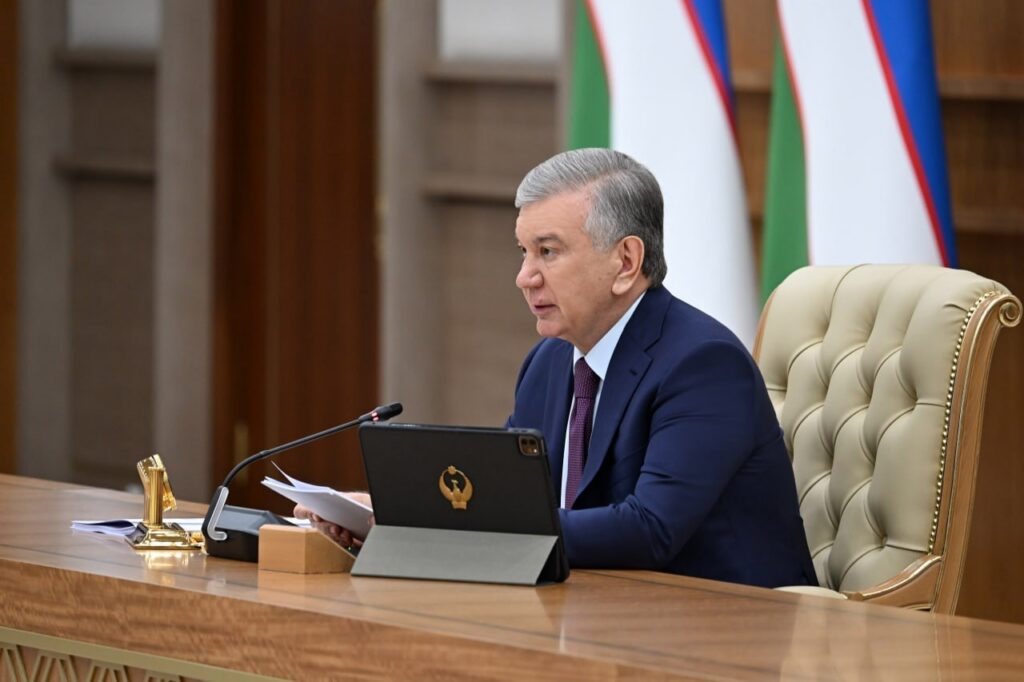
President Shavkat Mirziyoyev has instructed officials to accelerate the implementation of investment agreements signed during the 5th Tashkent International Investment Forum, stressing that every deal must deliver tangible economic results rather than remain on paper. Speaking at a government meeting on June 25, Mirziyoyev said the forum resulted in 177 agreements worth $43 billion with foreign partners. He added that each agreement should be transformed into concrete projects that create jobs and generate higher added value. “Every agreement must become a project, a workplace, and a source of high added value,” the president said. Officials were ordered to prepare decisions addressing 120 proposals submitted by foreign investors during the forum. Mirziyoyev also called on ministers and regional governors to rethink their approach to investment, placing greater emphasis on quality and efficiency. According to the president, half of all investment attracted to Uzbekistan over the past five years has gone to just four regions, but economic returns differ sharply. In Fergana, he said, every UZS 1 million invested generates an additional UZS 273,000 ($22.78) in gross regional product. In Samarkand, the figure is UZS 262,000. In Bukhara, it is UZS 117,000 ($9.76), roughly half the return in stronger-performing regions. The meeting also focused on the growing demand for construction materials driven by Uzbekistan’s ambitious development plans. Earlier this year, the government adopted a long-term housing program aiming to double the number of new homes built annually to 280,000 by 2040 and increase the number of “New Uzbekistan” residential districts from 61 to 120. In addition, Uzbekistan is commissioning 20 to 25 million square meters of commercial buildings every year, creating annual demand for at least $10 billion worth of construction materials. During the investment forum, the government also presented $27 billion in new infrastructure projects to international investors. These include a nuclear power plant in Jizzakh, a fourth copper processing plant in Tashkent Region, New Tashkent Airport with an annual capacity of 20 million passengers, a 55,000-seat stadium in New Tashkent, and a 282-kilometer highway linking Tashkent and Samarkand. Mirziyoyev said these large-scale projects require construction materials that meet strict international standards and instructed officials to establish a new system linking domestic manufacturers with major investment projects. The president also ordered the government to prepare proposals ensuring equal conditions for imported and locally produced construction materials. While foreign investors have requested value-added tax exemptions for imported materials used in major projects, domestic manufacturers argue that the same incentives should apply to local products, saying they are ready to compete on quality and standards. The meeting also addressed financial difficulties in the construction materials sector. According to officials, 457 companies have accumulated 3.5 trillion soums ($292,101,250) in overdue loans because their products remain too expensive or fail to meet current market demand. To help revive the sector, Mirziyoyev ordered officials to develop recovery plans for each company and allocate $50 million to modernize production facilities, reduce manufacturing costs, and support the production of more competitive goods.