The World Bank has approved $100 million in concessional financing to help Uzbekistan improve the quality of primary education, strengthen foundational learning skills, and expand school capacity in some of the country’s most underserved regions, the bank announced.
The funding, provided by the International Development Association, will support the Transforming Public Education for Economic Growth (BILIM) Program. The initiative will also receive a $5 million grant from the International Finance Facility for Education (IFFEd), marking the first partnership between IFFEd and the World Bank. Together with $273 million from Uzbekistan’s government, the program has a total budget of $378 million.
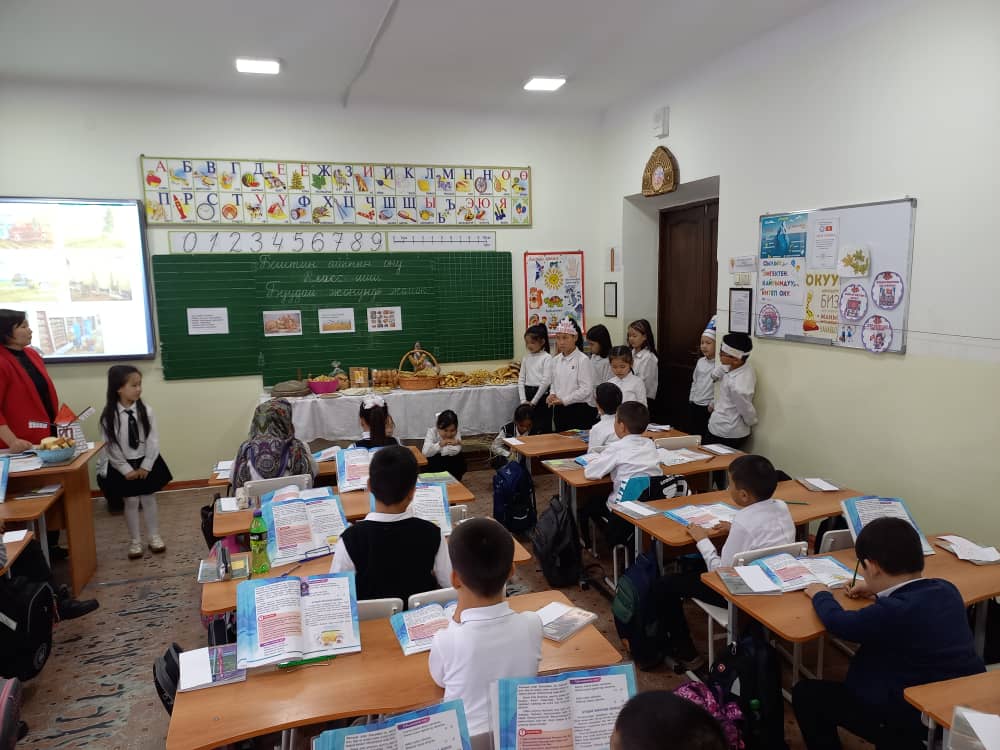
According to the World Bank, Uzbekistan’s public education system is under increasing pressure from rapid population growth and internal migration. School enrollment is expected to exceed 7.6 million students in 2026, requiring the construction of around 300 new schools every year to meet demand.
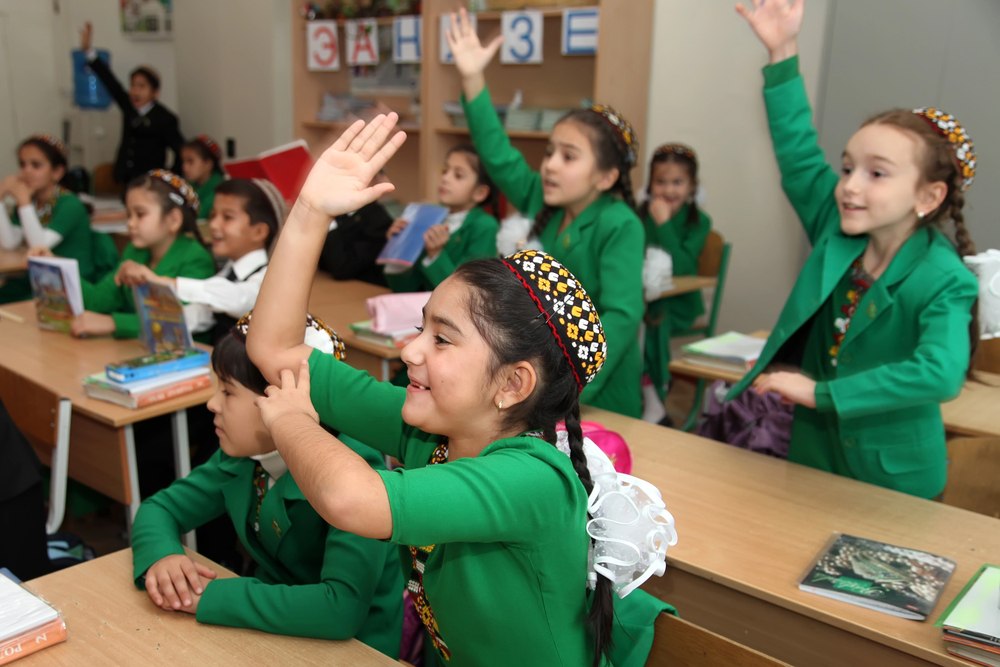
Although more than 99% of primary school-age children are enrolled in school, learning outcomes in reading and mathematics remain below international standards. The bank also noted that teaching methods and teacher professional development require significant improvement.
“Strengthening foundational skills in primary school, including reading, mathematics, and socio-emotional skills, is central to further building Uzbekistan’s human capital base and advancing its development,” said Najy Benhassine, the World Bank’s Division Director for Central Asia. “These skills will help children develop more advanced competencies and prepare them for the rapidly evolving jobs market. They are also critical to the country’s economic growth, which depends on a workforce capable of driving innovation.”
The BILIM Program will be implemented by Uzbekistan’s Ministry of Preschool and School Education and the Ministry of Economy and Finance in Karakalpakstan and the Khorezm, Kashkadarya, Surkhandarya, Bukhara, and Navoiy regions. These areas account for about 45% of the country’s schools and face some of the greatest shortages of education infrastructure and learning resources.
By 2030, the program aims to train 50,000 teachers, school leaders, and education administrators and create 27,000 student places through school construction and expansion. It will also improve education planning through better data collection and management. Around 2 million primary school students, half of them girls, are expected to benefit from the reforms.
The financing adds to the World Bank’s existing education work in Uzbekistan.
As previously reported by The Times of Central Asia, the bank approved a $250 million loan last December for the Edulmkon Program, a three-year initiative designed to expand access to higher and vocational education. Scheduled for implementation between 2026 and 2028, that program is expected to benefit around 600,000 young people. About 80% of the financing will go toward tuition loans for students from low-income families and women, who continue to face significant barriers to higher education.