• KGS/USD = 0.01144 0%
  • KZT/USD = 0.00206 0%
  • TJS/USD = 0.10415 -0.19%
  • UZS/USD = 0.00008 0%
  • TMT/USD = 0.28571 0%
  • KGS/USD = 0.01144 0%
  • KZT/USD = 0.00206 0%
  • TJS/USD = 0.10415 -0.19%
  • UZS/USD = 0.00008 0%
  • TMT/USD = 0.28571 0%
  • KGS/USD = 0.01144 0%
  • KZT/USD = 0.00206 0%
  • TJS/USD = 0.10415 -0.19%
  • UZS/USD = 0.00008 0%
  • TMT/USD = 0.28571 0%
  • KGS/USD = 0.01144 0%
  • KZT/USD = 0.00206 0%
  • TJS/USD = 0.10415 -0.19%
  • UZS/USD = 0.00008 0%
  • TMT/USD = 0.28571 0%
  • KGS/USD = 0.01144 0%
  • KZT/USD = 0.00206 0%
  • TJS/USD = 0.10415 -0.19%
  • UZS/USD = 0.00008 0%
  • TMT/USD = 0.28571 0%
  • KGS/USD = 0.01144 0%
  • KZT/USD = 0.00206 0%
  • TJS/USD = 0.10415 -0.19%
  • UZS/USD = 0.00008 0%
  • TMT/USD = 0.28571 0%
  • KGS/USD = 0.01144 0%
  • KZT/USD = 0.00206 0%
  • TJS/USD = 0.10415 -0.19%
  • UZS/USD = 0.00008 0%
  • TMT/USD = 0.28571 0%
  • KGS/USD = 0.01144 0%
  • KZT/USD = 0.00206 0%
  • TJS/USD = 0.10415 -0.19%
  • UZS/USD = 0.00008 0%
  • TMT/USD = 0.28571 0%

Viewing results 25 - 30 of 200

Uzbekistan Launches $20 Million School Climate Resilience Project with Restituted Funds

Uzbekistan has launched a $20 million initiative to enhance climate resilience and improve water, sanitation, and hygiene (WASH) infrastructure in schools, marking the first major investment of restituted assets recovered from abroad. The project, titled “Modelling Climate Resilience and WASH in Schools,” officially begins on October 1. It is part of a broader commitment made in April by the Ishonch Fund Management Committee, which outlined how recovered assets from Switzerland would be used to fund education and community development initiatives. The commitment was reaffirmed during the Namangan Poverty Reduction Forum in September. Background: The Ishonch Fund The Ishonch Fund was established under a restitution agreement between Uzbekistan and Switzerland, in accordance with the UN Convention Against Corruption (UNCAC). In February, Uzbek Minister of Justice Akbar Tashkulov and Swiss Ambassador Konstantin Obolensky signed an agreement in Tashkent for the return of $182 million in confiscated assets linked to Gulnara Karimova, daughter of former president Islam Karimov. These funds, seized in Switzerland, are being transferred via the UN Uzbekistan Vision 2030 Multi-Partner Trust Fund. Project Scope and Impact The $20 million project targets 45 rural schools across Uzbekistan. Planned upgrades include access to clean water, modern sanitation, improved heating systems, and renewable energy technologies. Officials say these improvements will reduce energy consumption by 30% and cut greenhouse gas emissions by 50%. The initiative will directly benefit more than 31,500 students, particularly adolescent girls, who will have access to gender-sensitive facilities. Additionally, 2,700 teachers and administrators will be trained in climate resilience, WASH practices, and community engagement. International Support and Oversight Obolensky called the initiative a landmark achievement in the restitution process. “Switzerland is proud to see restitution resources being transformed into visible, corruption-resistant investments that directly benefit the Uzbek people,” he said. “With this project, we are ensuring that 31,500 children will learn in healthier, safer, and more dignified environments, a true symbol of restitution serving development.” At the Namangan forum, Obolensky emphasized that the school modernization project reflects Switzerland’s long-term commitment to ensuring that returned assets support public interests. Governance and Accountability Uzbekistan’s Deputy Minister of Economy and Finance, Ilkhom Norkulov, underscored the project’s alignment with the national reform agenda. “By investing in climate-resilient schools and introducing new governance tools, we are building both infrastructure and accountability for generations to come,” he said. UN Resident Coordinator Sabine Machl added, “By combining clean water, modern sanitation, and climate resilience with transparency and community oversight, we are not only investing in schools but also in trust, equity, and the future of every child.” To ensure transparency, the initiative will be tracked via My Better School, a digital platform that allows communities to monitor budgets, contractors, and timelines in real time. A pilot Integrity Pact will also be used to safeguard procurement processes. Officials say this model of restitution-financed development could guide future national school modernization efforts, while helping align Uzbekistan’s education system with international standards for climate adaptation and gender equality.
Uzbekistan Uncovers Criminal Network Trafficking Human Organs

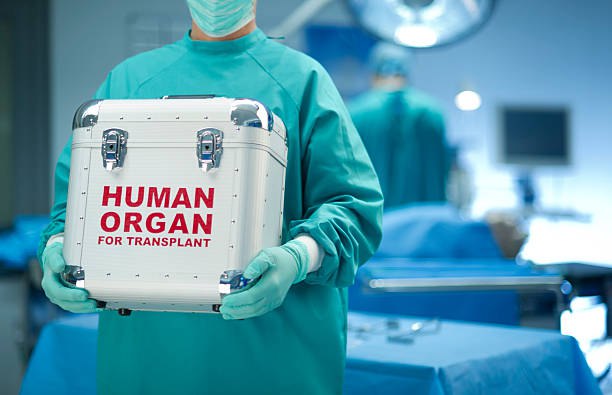
Uzbekistan’s State Security Service and Ministry of Internal Affairs have uncovered a transnational criminal network involved in the illegal trafficking of human organs. Authorities report that the group included 12 individuals from Tashkent and the Tashkent, Fergana, Bukhara, and Kashkadarya regions. The suspects allegedly used social media platforms to identify patients with kidney and liver conditions, while simultaneously recruiting healthy individuals willing to sell their organs in exchange for large sums of money. With the help of accomplices abroad, the group reportedly forged identity documents to present donors as close relatives of patients, thereby enabling organ transplants to be carried out at a private clinic in a neighboring country. Investigators said that between 2023 and 2025, at least 32 patients underwent kidney or liver transplants arranged by the network. Large payments were collected from recipients, with portions paid to the clinic and donors, while the remainder was divided among the organizers. In cases where patients experienced complications or failed to improve post-surgery, the group allegedly sold them strong painkillers at inflated prices. Criminal charges have been filed under provisions of the Criminal Code related to illegal organ trafficking, document forgery, smuggling, and drug-related offenses. The case has now been referred to the court system for further proceedings. Illegal organ trade has emerged as a broader regional issue. In April 2024, Kyrgyzstan’s State Committee for National Security (SCNS) announced the arrest of individuals connected to an international network facilitating black-market organ sales. According to the SCNS, the group identified wealthy foreign patients willing to pay high prices for transplants and recruited Kyrgyz citizens as donors using fraudulent methods. Donors received between $1,000 and $7,000 for a kidney, while the organizers reportedly earned up to $70,000 per operation.

Chinese Man Jailed in Tashkent for Pouring Boiling Water on Cat

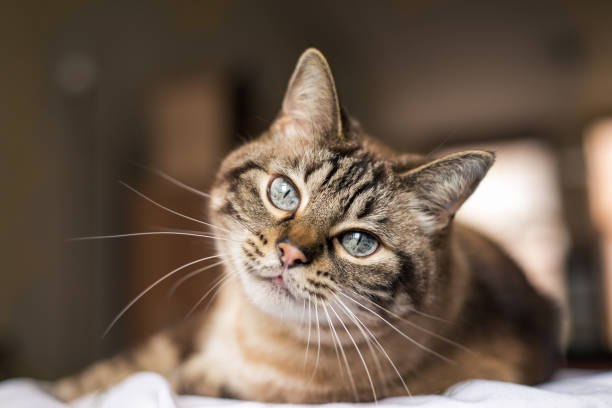
A Chinese citizen in Tashkent has been sentenced to five days in detention after being found guilty of torturing a cat by repeatedly pouring boiling water on it, according to the animal protection organization “Mehr va Oqibat” (Kindness and Compassion). The incident occurred during the night of September 16-17, when a local resident contacted the group’s hotline after hearing the sound of a cat crying. Looking outside, the witness saw her neighbor, identified as Y.Z., a Chinese national, pouring boiling water onto the animal, which he had confined in a container to prevent it from escaping. Mehr va Oqibat promptly reported the case to the Ministry of Internal Affairs, the Ministry of Foreign Affairs, and the Chinese Embassy in Uzbekistan, urging legal action under Uzbek law and calling for the offender’s deportation. On September 18, the Yakkasaroy District Criminal Court sentenced Y.Z. to five days of administrative detention. His legal team appealed the decision, requesting a reduced penalty in the form of a fine. However, on September 20, the Tashkent City Criminal Court rejected the appeal and upheld the original sentence. In a statement, Mehr va Oqibat thanked its attorney, Dilshodbek Asadullayev, for representing the case in court, and expressed appreciation for the witness who reported the abuse. The organization reiterated its intention to pursue Y.Z.’s deportation. Founded in 2010, Mehr va Oqibat has been at the forefront of promoting humane treatment of animals in Uzbekistan. In 2019, the group launched the “Mushukkent” initiative, which established cat shelters in Tashkent police stations. In 2023, with the support of local residents, it built a three-story cat shelter in the Uchtepa district to provide refuge for stray animals during the winter. The project, supported by the Tashkent city administration and the National Guard, also serves as an educational tool to encourage compassion among children. The organization emphasized that preventing animal cruelty and fostering kindness are essential not only for animal welfare, but also for nurturing a more humane and just society.

Ukrainian Prosecutors Say 13 Uzbek Workers Held in “Inhumane Conditions”

Prosecutors in Ukraine say they have detained four members of a human trafficking operation that exploited 13 Uzbek laborers and subjected them to humiliating treatment that included scheduled visits to the toilet. Two Chinese citizens, an Uzbek national and a Ukrainian woman used coercion and deception to recruit vulnerable people with few resources outside Ukraine and move them to the Kyiv region for use in forced work for profit, the Kyiv Regional Prosecutor’s Office said on Thursday. Images provided by the office show the farm workers standing in front of greenhouse-like structures covered in plastic tarpaulins in a rural area. Other photos show the cramped, unsanitary conditions in which the men and women lived. “To maintain control, the perpetrators used coercion and restrictions on freedom of movement, which indicates the exploitative nature of their actions,” the Ukrainian prosecutors said. “The victims were humiliated to the extreme: even visits to the toilet were allowed only according to a set schedule, and any minor violation was punished with fines.” Ukrainian authorities said they searched the suspects’ residences and business sites on Wednesday, finding 13 Uzbek citizens who were being held in “inhumane conditions.” Officials from the Uzbek embassy in Ukraine visited the greenhouse facility in the Kyiv region following the publication of reports in Ukrainian media about Uzbek citizens being treated as “slaves,” the embassy said on Friday. “At present, it has been established that all our citizens are safe and in good health, and they have been placed in one of the local hospitals in the Kyiv region to receive the necessary medical treatment,” the embassy said. It said steps are being taken to return the group to Ukraine, while noting that court proceedings are underway against the suspects. In a reference to the war against Russia, the embassy repeated guidance that Uzbek nationals should avoid travel to Ukraine because of safety concerns. Under Ukrainian law, the four suspects could face long prison terms if convicted of human trafficking and other charges. Glavcom, a Ukrainian news agency, said a 51-year-old Chinese citizen with a temporary residence permit in Ukraine was the head of the alleged human trafficking operation. The Uzbek workers were between the ages of 22 and 42 and had been offered high salaries to persuade them to go to Ukraine, an enticement that turned out to be false, according to Glavcom. Once in Ukraine, the Uzbek nationals had to surrender their passports to their employers, the agency reported.

U.S. Deports 39 Uzbek Nationals, Thanks Uzbekistan for Cooperation

Several dozen citizens of Uzbekistan who didn’t have legal authorization to remain in the United States were deported from the U.S. to their home country over the weekend, the U.S. Embassy in Tashkent said.  The embassy said the operation to return the 39 nationals concluded on Sunday and it thanked Uzbekistan’s government “for its close cooperation in facilitating U.S. deportation operations.” Uzbekistan has collaborated with the United States on previous deportations of its citizens this year, funding a similar flight in April though it later said that its repatriated citizens should pay for their travel.  In a sign of improving relations, U.S. President Donald Trump and President Shavkat Mirziyoyev of Uzbekistan spoke about working together on trade, security and other issues in a telephone conversation on Friday. The Trump administration has conducted numerous deportation flights, many of them to Central America, as part of what it describes as an effort to secure U.S. borders. Critics describe the U.S. immigration crackdown as heavy-handed. Last week, hundreds of South Korean workers were arrested at a factory in the U.S. state of Georgia and the South Korean government said it would bring them home on a charter flight.   

Two Kyrgyz Citizens Shot Dead by Uzbek Border Guards Near Tripoint Frontier

According to the Kyrgyz Border Service, two Kyrgyz citizens were shot and killed on August 15 near the junction of the Kyrgyz, Uzbek, and Kazakh borders after allegedly failing to comply with Uzbek border guards during an attempted detention. Their bodies were returned to Kyrgyzstan via the Baymak checkpoint, and authorities from both countries are conducting a joint investigation. The two men, residents of Aygyr-Zhal village in Kyrgyzstan’s Chatkal District, were reported missing on August 25. During bilateral consultations held three days later, the Uzbek authorities informed their Kyrgyz counterparts that on August 15, an Uzbek border patrol had encountered two unidentified individuals in the border zone. According to the Uzbek side, the men ignored orders to stop, prompting border guards to open fire. Both men sustained fatal injuries. On August 31, family members of the deceased traveled to Uzbekistan to identify the bodies, which were subsequently returned to Kyrgyzstan for forensic examination. Uzbek officials also expressed their readiness to return the men's belongings, including three horses and a tent. Authorities in both countries have confirmed that the incident will be subject to a formal investigation, with its findings to be made public. The shooting follows the resolution of a decades-long border demarcation process involving Kyrgyzstan, Uzbekistan, and Tajikistan. In March 2025, after nearly twenty years of negotiations, the three countries agreed on the official tripoint demarcation during talks in Dushanbe. While that agreement was hailed as a breakthrough in regional cooperation, the recent incident underscores the lingering sensitivities and security challenges along portions of the border.