• KGS/USD = 0.01144 0%
  • KZT/USD = 0.00208 0%
  • TJS/USD = 0.10465 -0.29%
  • UZS/USD = 0.00008 0%
  • TMT/USD = 0.28571 0%
  • KGS/USD = 0.01144 0%
  • KZT/USD = 0.00208 0%
  • TJS/USD = 0.10465 -0.29%
  • UZS/USD = 0.00008 0%
  • TMT/USD = 0.28571 0%
  • KGS/USD = 0.01144 0%
  • KZT/USD = 0.00208 0%
  • TJS/USD = 0.10465 -0.29%
  • UZS/USD = 0.00008 0%
  • TMT/USD = 0.28571 0%
  • KGS/USD = 0.01144 0%
  • KZT/USD = 0.00208 0%
  • TJS/USD = 0.10465 -0.29%
  • UZS/USD = 0.00008 0%
  • TMT/USD = 0.28571 0%
  • KGS/USD = 0.01144 0%
  • KZT/USD = 0.00208 0%
  • TJS/USD = 0.10465 -0.29%
  • UZS/USD = 0.00008 0%
  • TMT/USD = 0.28571 0%
  • KGS/USD = 0.01144 0%
  • KZT/USD = 0.00208 0%
  • TJS/USD = 0.10465 -0.29%
  • UZS/USD = 0.00008 0%
  • TMT/USD = 0.28571 0%
  • KGS/USD = 0.01144 0%
  • KZT/USD = 0.00208 0%
  • TJS/USD = 0.10465 -0.29%
  • UZS/USD = 0.00008 0%
  • TMT/USD = 0.28571 0%
  • KGS/USD = 0.01144 0%
  • KZT/USD = 0.00208 0%
  • TJS/USD = 0.10465 -0.29%
  • UZS/USD = 0.00008 0%
  • TMT/USD = 0.28571 0%

Viewing results 1 - 6 of 93

One Belt One Road and the risks behind the win-win situation

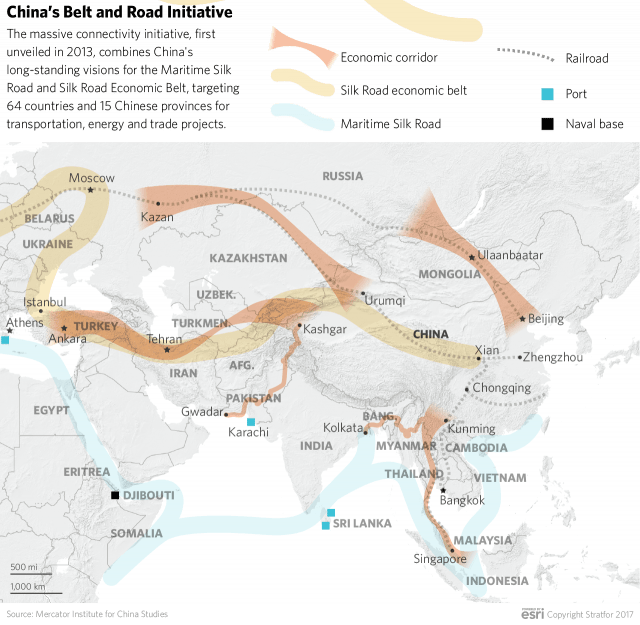
BISHKEK (TCA) — As China’s Belt and Road Initiative (BRI) is poised to bring in huge economic opportunities for the Eurasian continent and Central Asia countries, we are presenting this article which was originally published on Asia Pathways, the blog of the Asian Development Bank Institute (ADBI): Continue reading

US expert on America’s role in Central Asia

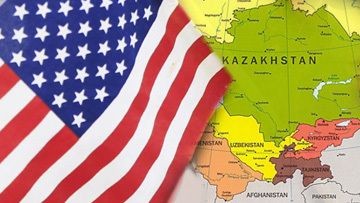
BISHKEK (TCA) — There was an opinion that the United States was leaving Central Asia, which was the case in the past decade, but now the US is reconsidering its attitude to the region, Central Asia-Caucasus Institute (CACI) Chairman S. Frederick Starr said in his interview with Kazakhstan’s Sayasat.org about America’s role in Central Asia. Continue reading

China building railroads in Iran as part of Belt and Road initiative

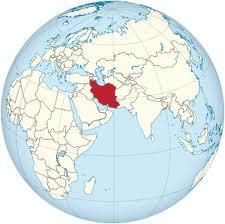
BISHKEK (TCA) — China Civil Engineering Construction Corp has signed a contract worth 3.53 billion yuan ($543.6 million) to build a 263-kilometer railroad in Iran, Iran’s Financial Tribune reports. Continue reading

China-Pakistan Economic Corridor to be extended to Afghanistan

BISHKEK (TCA) — Foreign ministers of China, Pakistan and Afghanistan on December 26 agreed to discuss ways to extend the China-Pakistan Economic Corridor (CPEC) to Afghanistan, Xinhua reported. This would be part of China’s ambitious Belt and Road plan linking China with Asia and Europe. "In the long run, through Afghanistan, we will gradually connect the CPEC with the China-Central and Western Asia Economic Corridor," Chinese Foreign Minister Wang Yi told reporters after China-Afghanistan-Pakistan foreign ministers' meeting in Beijing. As important neighbor of China and Pakistan, Afghanistan has an urgent desire to develop its economy and improve people's livelihood, and it is willing to integrate itself into the process of regional interconnection, said Wang. Improving livelihoods in border areas may be an entry point for the extension, said Wang, noting that the three parties agreed to promote wider connectivity under the framework of the Belt and Road Initiative. The CPEC is a network of highways, railways, pipelines and optical cables, and a flagship project under the Belt and Road Initiative, currently under construction throughout Pakistan. The 3,000-km-long corridor starts from China's Kashgar and ends at Pakistan's Gwadar, connecting the Silk Road Economic Belt in the north and the 21st Century Maritime Silk Road in the south. Wang said the CPEC has not targeted at any third party, but hopes to bring benefits to the entire region and become an important driving force for regional integration. "The CPEC is an economic cooperation project and should not be politicized," he said, noting that it has no relationship with existing disputes in the region, including territorial disputes.

The Belt and Road through Eurasia: who wins and how?

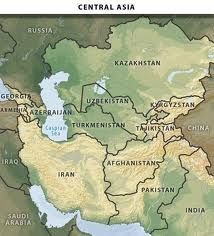
BISHKEK (TCA) — The countries of Central Asia, especially Kazakhstan, may significantly benefit from China’s Belt and Road initiative aimed to create transport and transit routes from Asia to Europe. But such benefits may turn out to be not as big as expected. We are republishing this article by Nathan Hutson on the issue, originally published by EurasiaNet.org: Continue reading

China party congress subordinates regional, global engagements to national interests: what it means for Central Asia?

LONDON (TCA) — Rather than what one might have expected, China’s regional and global aspirations were not on top of the agenda at the Communist Party congress which took place this past week. Instead, domestic affairs dominated the event in the form of a consolidation of the hierarchic political and governmental power structure amidst speculations about a possible change in the denomination of candidates for succession within the system’s top ranks. Whatever the case, the message to neighbouring countries and beyond was: China comes first, the rest of the world will come as well — but later. Continue reading