• KGS/USD = 0.01143 0%
  • KZT/USD = 0.00205 0%
  • TJS/USD = 0.10433 0.1%
  • UZS/USD = 0.00008 0%
  • TMT/USD = 0.28577 0%
  • KGS/USD = 0.01143 0%
  • KZT/USD = 0.00205 0%
  • TJS/USD = 0.10433 0.1%
  • UZS/USD = 0.00008 0%
  • TMT/USD = 0.28577 0%
  • KGS/USD = 0.01143 0%
  • KZT/USD = 0.00205 0%
  • TJS/USD = 0.10433 0.1%
  • UZS/USD = 0.00008 0%
  • TMT/USD = 0.28577 0%
  • KGS/USD = 0.01143 0%
  • KZT/USD = 0.00205 0%
  • TJS/USD = 0.10433 0.1%
  • UZS/USD = 0.00008 0%
  • TMT/USD = 0.28577 0%
  • KGS/USD = 0.01143 0%
  • KZT/USD = 0.00205 0%
  • TJS/USD = 0.10433 0.1%
  • UZS/USD = 0.00008 0%
  • TMT/USD = 0.28577 0%
  • KGS/USD = 0.01143 0%
  • KZT/USD = 0.00205 0%
  • TJS/USD = 0.10433 0.1%
  • UZS/USD = 0.00008 0%
  • TMT/USD = 0.28577 0%
  • KGS/USD = 0.01143 0%
  • KZT/USD = 0.00205 0%
  • TJS/USD = 0.10433 0.1%
  • UZS/USD = 0.00008 0%
  • TMT/USD = 0.28577 0%
  • KGS/USD = 0.01143 0%
  • KZT/USD = 0.00205 0%
  • TJS/USD = 0.10433 0.1%
  • UZS/USD = 0.00008 0%
  • TMT/USD = 0.28577 0%

Viewing results 1 - 6 of 159

Kazakhstan Charity Head Investigated for Embezzling Flood Relief Donations

Kazakhstan is investigating Perizat Kairat, founder of the Biz Birgemiz Qazaqstan charity fund and a prominent volunteer activist, for allegedly embezzling over 1.5 billion KZT (approximately $3.1 million) intended for victims of spring floods. According to the Financial Monitoring Agency, a significant portion of the funds raised was reportedly used to purchase luxury items and real estate. Investigators allege that Kairat acquired several high-end vehicles, including a Mercedes-Benz S450, Lexus LX-600, and Haval, as well as luxury properties in Astana’s elite residential complexes, such as “Akbulak Riviera,” “Highvill Ishim Gold,” and “Kөk Zhailau,” along with a cottage in “Vela Village.” The total value of these purchases is estimated at 600 million KZT ($1.2 million). The agency further claims that the charity’s funds financed frequent trips to Dubai, Doha, London, and Istanbul, where Kairat reportedly stayed in five-star hotels. During these trips, she is accused of purchasing expensive accessories from luxury brands, dining at elite restaurants, and organizing lavish boat trips. Relatives and associates of Kairat are also implicated, accused of cashing out the charity’s funds for a fee of 8%. These alleged actions have reportedly eroded public trust in charitable and volunteer organizations, raising concerns about their transparency and integrity. Kairat has been detained pending further investigation. The Biz Birgemiz Qazaqstan charity fund, established in 2021, began as a nationwide volunteer movement with 15,000 members. The fund organized aid collections for flood victims in the West Kazakhstan, Aktobe, Kostanay, Abay, Akmola, and Ulytau regions. Donations from individuals and major companies were channeled through banking applications to support the fund’s efforts. Kairat, who also runs a family business exporting meat to Arab countries and owns a chain of flower shops, claimed in a social media post that she headed the foundation without financial compensation. She is also a member of the Public Council of the Agency for Strategic Planning and Reforms. Kairat’s detention comes as Kazakhstan's Ministry of Culture and Information works on proposed legislative changes to regulate charitable activities. These amendments aim to grant state bodies greater control over fundraising efforts. However, experts warn that such measures could significantly hinder charity work in the country. For example, proposed restrictions on independent fundraising have sparked concerns among activists and organizations, with critics arguing that these changes may stifle grassroots initiatives and reduce public participation in charitable causes.
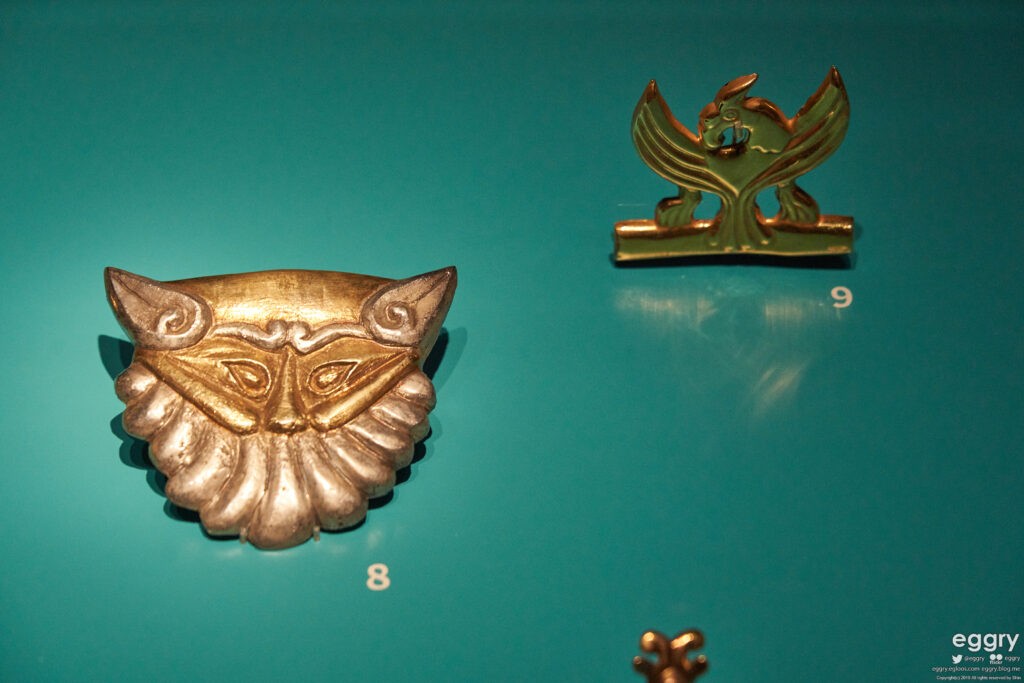

Artifacts Seized as Illegal Assets Transferred to Kazakh Museum

The Company for the Management of Returned Assets (CMRA) LLP has announced that ancient jewelry, reclaimed as illegal assets from individuals, will now be part of the National Museum of Kazakhstan's collection. Examinations revealed that the jewelry has significant historical value, dating back to the early Iron and medieval periods. Some of the pieces, identified as ancient artifacts, are linked to the Saka period, a pivotal era in Kazakh history. According to a letter from the National Museum, several items hold cultural importance, representing Kazakhstan's history from the Early Iron Age through the Middle Ages. These artifacts will be added to the museum's permanent collection, making them available for scientific research and accessible to a broader audience. The collection, which includes jewelry crafted in the traditional “animal style,” weighs approximately 118 grams and dates between the 7th century BC and the 3rd century AD. Notable pieces include an eagle’s head ornament, a depiction of a horned animal in a raised position, figures of a winged lion and a winged horse, a leopard in a dynamic pose, an image of a running deer, ancient coins, two interlocked spiral rings, and a ring with a lion's head. Additionally, a ring inscribed with Arabic script will undergo further study and re-evaluation. Previously, the CMRA named the five most valuable pieces of jewelry and accessories recovered and returned to the state.

Uzbekistan Has Ended Forced Labor, But Cotton Industry Faces New Challenges

Global Voices reports that Uzbekistan has succeeded in phasing out forced labor in its cotton industry, but now faces new challenges. The country has made progress in ending forced labor and modernizing its cotton sector, driven by economic and political reasons. Forced labor hurts businesses and the nation’s international image, which the government has aimed to improve since 2016. Cotton production accounts for 12% of GDP. Since 2017, the government has introduced major reforms to modernize Uzbekistan’s cotton industry, led by President Shavkat Mirziyoyev after he took office in 2016. By 2018, labor control was strengthened, and the cotton cluster system, which controls the entire production process, began to take shape. Today, almost all cotton is grown through 142 clusters. Cotton quotas have been abolished by 2020, and the minimum wage will now be negotiated. The same year, the International Labor Organization reported that child labor was no longer a problem, and the international boycott was lifted in 2022. Eradicating forced labor has been hailed as “one of the most significant victories anywhere in the world in the battle against forced labor in the twenty-first century,” said Bennett Freeman, co-founder of the Cotton Campaign in 2022. This achievement was possible thanks to the diligence of organizations such as human rights defenders of Uzbekistan and the Uzbekistan Forum for Human Rights, which monitored the cotton fields and recorded violations, as well as the government's promptness in reviewing these reports. Global Voices writes that despite the progress achieved in Uzbekistan's cotton industry, there are still serious problems. The report states, “Despite abandoning forced labor, the government still continues to exert strong control over cotton production and prevents farmers from fully operating on their own terms.” Farmers receive resources and loans, but the system remains inefficient, with state-set cotton prices often differing from global rates. The government and industry need to address these ongoing issues while pursuing international standards and export opportunities to build trust and transparency.

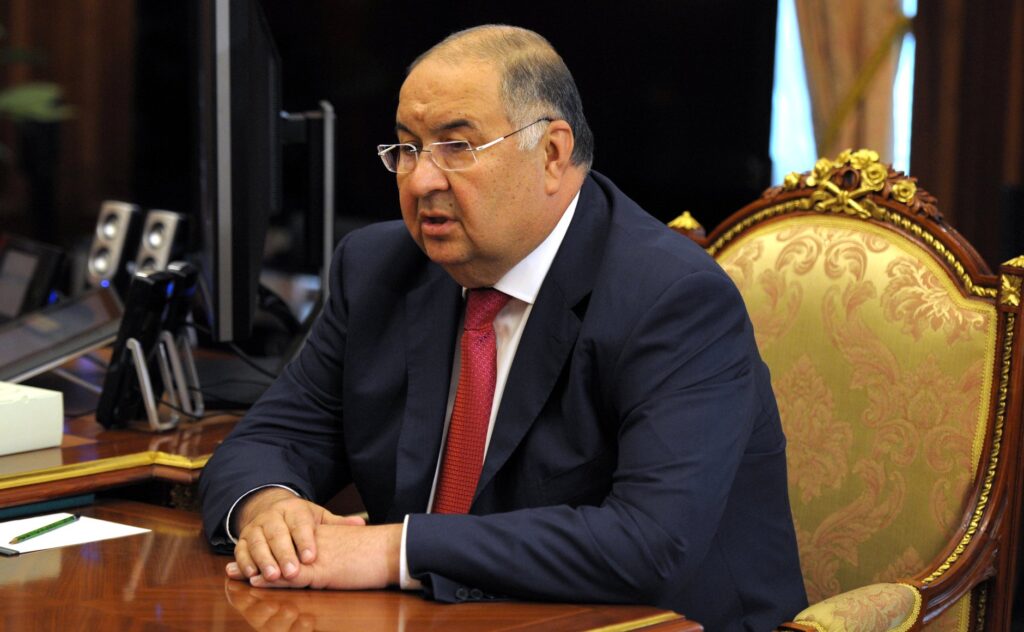
Alisher Usmanov Wins Court Case Against German TV Channel ARD

The Hamburg court news about Uzbek-born billionaire Alisher Usmanov was broadcast by the German TV channel ARD as unreliable. ARD accused Alisher Usmanov of creating a system of bribing International Fencing Federation (FIE) judges. According to the report, the court found the information published by the ARD channel unreliable and banned its distribution as “inappropriate news based on suspicion.” If the court order is violated, the violator will be fined up to 250,000 euros per episode or imprisoned. Alisher Usmanov’s press service highlighted that between 2022 and 2024, several European media outlets, particularly in Germany, acknowledged their inability to substantiate accusations against the businessman and signed written agreements to cease their unlawful dissemination of information. To date, approximately 30 such declarations have been made in favor of Usmanov. As a result of legal proceedings, the businessman’s legal team obtained numerous orders preventing the spread of false information by European media. “One of the most significant was the court decision issued in January 2024 to ban the statements made about Usmanov by the American magazine Forbes, which became one of the key elements in justifying the introduction of EU sanctions against him. Earlier, Usmanov also won a lawsuit against the Austrian newspaper Kurier,” the press service emphasized. The court appeal was triggered by two articles and a video report about fencing at the Paris Olympic Games, aired by Germany’s ARD channel in August 2024. In them, journalist Hans-Joachim Seppelt accused Alisher Usmanov, who stepped down as FIE president in early 2022 due to EU sanctions, of creating a system to “bribe referees.” The FIE management officially denied these accusations. According to the press service, the German Internet publication Sport1.de and the Austrian newspaper Krone.at, which republished ARD's false statements, corrected their materials at the request of Usmanov’s lawyers. However, the ARD TV channel refused to fix the inaccurate information voluntarily. “There is no evidence other than gossip spread by dubious witnesses, invented insinuations, speculation, and rumors. Respect for truth, human dignity, and the dissemination of reliable information are the foundations of the German code of journalistic ethics, which was grossly violated by the state broadcaster,” summarized lawyer Joachim Steinhöfel, representing Usmanov in court. As of August 15, 2024, Russian billionaire Alisher Usmanov is the 132nd richest person in the world, with a wealth of estimated $15.4 billion.

World Justice Project: Kazakhstan Leads, Uzbekistan Improves, Kyrgyzstan Drops

The World Justice Project has announced the 2023 ranking of countries based on the rule of law. The ranking is based on eight indicators across 142 countries, which include constraints on government powers, the absence of corruption, open government, fundamental rights, order and security, regulatory enforcement, civil justice, and criminal justice. Denmark, Norway, and Finland occupy the highest places on the list. Kazakhstan has the highest score among the countries of Central Asia, placing in 65th. The country's ranking in terms of corruption, order and security, and civil justice all improved. Uzbekistan placed in 78th, with its indicators for order and security particularly high; the state is listed 17th in this category, with indicators for the absence of corruption also positive. Both Kazakhstan and Uzbekistan have improved their ranking by 2 points compared to last year. Kyrgyzstan, meanwhile, dropped one place to 103rd, whilst Tajikistan and Turkmenistan are not included in the rankings.

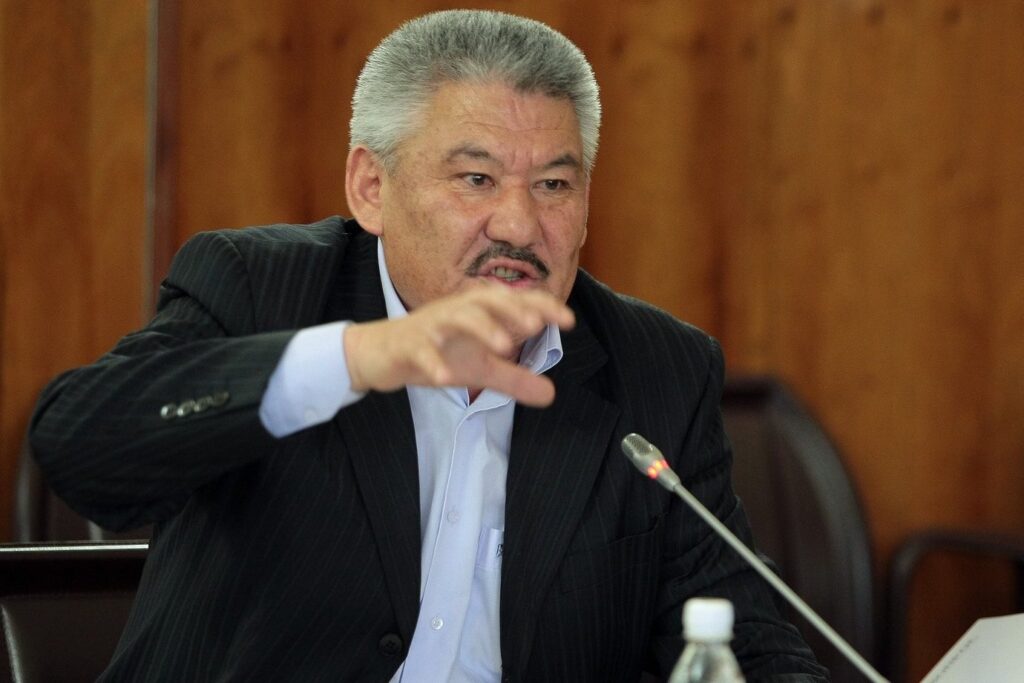
Former Prosecutor General Beknazarov Detained in Kyrgyzstan

A former member of the Provisional Government and former Prosecutor General, Azimbek Beknazarov, has been detained in Kyrgyzstan. The State Committee for National Security (SCNS) said he is suspected of embezzling significant sums of money. The money in question was seized in April 2010 from bank boxes and the Government House during the revolutionary events. The investigation found that Beknazarov, then a member of the Provisional Government, was involved in the theft of these funds through the purchase of expensive real estate in Kyrgyzstan, including in Issyk-Kul, Bishkek, and the Chui and Jalal-Abad regions. “On September 12, 2024, A. Beknazarov was detained and placed in the temporary detention facility of the SIZO of the SCNS KR on suspicion of committing a crime under Article 222 part 3 p.3 of the Criminal Code of the Kyrgyz Republic (Legalization, laundering of criminal proceeds in large amounts),” the SCNS said in a statement. According to the investigation, the funds were allegedly seized from several bank boxes with the permission of the Bishkek prosecutor. At that time, $21 million belonged to President Kurmanbek Bakiyev's cronies. These funds were transferred to the National Bank for safekeeping. However, according to unconfirmed reports, the seized funds may have reached $100 million, which led to rumors that some money did not get into the vault. Azimbek Beknazarov is one of the key figures in Kyrgyz political life. He served as Prosecutor General and Deputy Prime Minister of Roza Otunbayeva's interim government from 2005 to 2010. Beknazarov was also actively involved in the coups d'état of 2005 and 2010, for which he was nicknamed “the bulldozer of revolutions.” The politician was also among the defendants in the “Kempir-Abad case”, in which he was acquitted in June 2024 with his associates.