• KGS/USD = 0.01144 0%
  • KZT/USD = 0.00212 0%
  • TJS/USD = 0.10609 0.28%
  • UZS/USD = 0.00008 0%
  • TMT/USD = 0.28530 0%
  • KGS/USD = 0.01144 0%
  • KZT/USD = 0.00212 0%
  • TJS/USD = 0.10609 0.28%
  • UZS/USD = 0.00008 0%
  • TMT/USD = 0.28530 0%
  • KGS/USD = 0.01144 0%
  • KZT/USD = 0.00212 0%
  • TJS/USD = 0.10609 0.28%
  • UZS/USD = 0.00008 0%
  • TMT/USD = 0.28530 0%
  • KGS/USD = 0.01144 0%
  • KZT/USD = 0.00212 0%
  • TJS/USD = 0.10609 0.28%
  • UZS/USD = 0.00008 0%
  • TMT/USD = 0.28530 0%
  • KGS/USD = 0.01144 0%
  • KZT/USD = 0.00212 0%
  • TJS/USD = 0.10609 0.28%
  • UZS/USD = 0.00008 0%
  • TMT/USD = 0.28530 0%
  • KGS/USD = 0.01144 0%
  • KZT/USD = 0.00212 0%
  • TJS/USD = 0.10609 0.28%
  • UZS/USD = 0.00008 0%
  • TMT/USD = 0.28530 0%
  • KGS/USD = 0.01144 0%
  • KZT/USD = 0.00212 0%
  • TJS/USD = 0.10609 0.28%
  • UZS/USD = 0.00008 0%
  • TMT/USD = 0.28530 0%
  • KGS/USD = 0.01144 0%
  • KZT/USD = 0.00212 0%
  • TJS/USD = 0.10609 0.28%
  • UZS/USD = 0.00008 0%
  • TMT/USD = 0.28530 0%

Viewing results 1 - 6 of 106

ADB and Uzbekistan renew development partnership with new 5-year strategy

TASHKENT (TCA) — The Asian Development Bank (ADB) on June 25 said it has endorsed a new Country Partnership Strategy (CPS) for Uzbekistan. The 5-year partnership strategy, from 2019–2023, supports the government’s ongoing reforms to help the economy’s transition towards a more inclusive and market-driven growth path. Continue reading

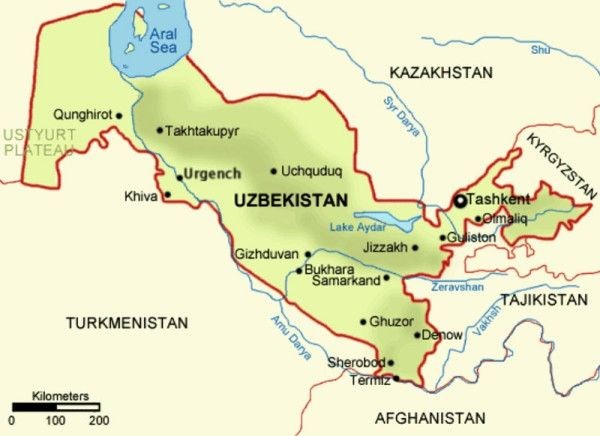
International forum to discuss Uzbekistan’s long-term development strategy

TASHKENT (TCA) — The second International Forum is planned to be held in Tashkent on February 5-6 for discussing proposals on the concept of the Strategy for long-term development of Uzbekistan, the Jahon information agency reports. Continue reading

ECFA presents recommendations on EU’s new strategy for Central Asia

ASTANA (TCA) — Kazakhstan’s Deputy Foreign Minister Roman Vassilenko's visit to Great Britain ended on December 5 with the Kazakhstan delegation taking part in the Fifth annual Eurasian Council on Foreign Affairs (ECFA) meeting in London chaired by Dr. Benita Ferrero-Waldner, former EU Commissioner for External Relations and Chair of the ECFA Advisory Council, the Kazakh Foreign Ministry reported. “[Kazakhstan] President Nursultan Nazarbayev outlined during his speech at the 12th Asia-Europe Meeting Summit, which took place in October in Brussels, his deep concern over the crisis of trust and lack of dialog taking place today in the world. In addressing the distinguished European politicians joining us today, I would like to propose that we discuss the details of President Nazarbayev's initiative on strengthening confidence measures and convening a leading World leaders meeting in Astana," said Mr. Vassilenko in his speech. The Kazakh diplomat further informed the meeting participants about the positive dynamics of relations between Central Asian states and between these countries and the European Union, outlining a number of Astana's common approaches to the EU Strategy for the region being developed. A focus on connectivity and logistics, development of private entrepreneurship, including women's, strengthening the rule of law, as well as proposals for a more structured and systemic online presentation and promotion of the strategy and all the information related to it were discussed. At the end of the meeting, the ECFA presented a special Report with its recommendations on the EU's new Strategy for Central Asia, which is to be adopted in the first half of 2019. The Report, which is the synthesis of expert contributions from fifteen international institutions including the United Nations, the EBRD, the OECD and several universities, contains a chapter of conclusions and recommendations aimed at informing the European External Action Service as it considers its new Strategy for Central Asia covering the period of 2020-2027. Specifically, among other recommendations the report suggests that the EU's new Strategy for Central Asia should aim to: - Limit its focus to a “realistic assessment of [the EU's] interests and competitive advantages in Central Asia"; - Consider regional differences, rather than adopt a blanket approach to Central Asian states; - Shift cooperation from a conference- and dialogue-based relationship to a more practical and operational approach, with hands-on projects and summits in each Central Asian state; - Bring this approach to bear on human rights dialogue with Central Asian states, and move away from the “Eurocentric" perspective which has prevailed until now, with limited results; - Focus on effective “soft power" initiatives such as improving health services, justice and law enforcement, as well as fighting corruption. Participants had a chance to deliberate the main points and proposals at the press conference that was organised after the main event. Dr. Benita Ferrero-Waldner, EU Special Representative for Central Asia Peter Burian, former Foreign Minister of Italy and ECFA Advisory Council member Franco Frattini, EBRD Managing Director for Central Asia and Russia Natalia Khanjenkova, members of the Kazakhstan delegation, as well...

To achieve ambitious goals, Kyrgyzstan seeks international assistance

BISHKEK (TCA) — Corruption hinders economic development and the attraction of foreign investment in Kyrgyzstan. Anti-corruption measures taken by the State are fragmented and uncoordinated, and staff replacement does not make anti-corruption measures more effective. Continue reading

Kazakhstan aims at 4.5%-5% annual growth until 2025

ASTANA (TCA) — The Government of Kazakhstan on August 28 reviewed the implementation of the country's Strategic Development Plan until 2025, the official website of the Prime Minister of Kazakhstan reported. Minister of National Economy Timur Suleimenov reported that the main goal until 2025 is to achieve a qualitative and sustainable growth of the economy, leading to an improvement in the living standards of people comparable with the OECD (Organization for Economic Cooperation and Development) countries. For this purpose, it is planned that the economy will grow at a level of at least 4.5-5% on average per year, which will allow Kazakhstan to increase GDP per capita to $46,100 by 2025. "Ensuring the planned growth rate is a prerequisite for achieving the set goals. At the same time, GDP does not fully reflect the quality of life, the level of real welfare of citizens and damage to the environment. In this connection, key national indicators measuring the quality of life of the population and the quality of economic growth are envisaged to measure progress on the way of the world’s top 30 developed countries and achieve the goal," Suleimenov said. In order to achieve key national indicators of the Strategic Development Plan until 2025, a Strategic Map was developed in which the indicators are broken down by sector and region. Suleimenov said that the breakdown of key national indicators determined the contribution to the final result of each relevant central state and local executive body responsible for their achievement. By sectors and regions, the most complex three indicators are: "productivity growth", "investment in fixed assets", and "the share of the non-observed economy."

Kyrgyzstan’s Development Strategy until 2040: same old goals and promises

BISHKEK (TCA) — The long-term development strategy of Kyrgyzstan until 2040 was approved earlier this month at the meeting of the National Sustainable Development Council of Kyrgyzstan chaired by President Sooronbai Jeenbekov. Continue reading