• KGS/USD = 0.01144 0%
  • KZT/USD = 0.00211 0%
  • TJS/USD = 0.10609 0.28%
  • UZS/USD = 0.00008 0%
  • TMT/USD = 0.28530 0%
  • KGS/USD = 0.01144 0%
  • KZT/USD = 0.00211 0%
  • TJS/USD = 0.10609 0.28%
  • UZS/USD = 0.00008 0%
  • TMT/USD = 0.28530 0%
  • KGS/USD = 0.01144 0%
  • KZT/USD = 0.00211 0%
  • TJS/USD = 0.10609 0.28%
  • UZS/USD = 0.00008 0%
  • TMT/USD = 0.28530 0%
  • KGS/USD = 0.01144 0%
  • KZT/USD = 0.00211 0%
  • TJS/USD = 0.10609 0.28%
  • UZS/USD = 0.00008 0%
  • TMT/USD = 0.28530 0%
  • KGS/USD = 0.01144 0%
  • KZT/USD = 0.00211 0%
  • TJS/USD = 0.10609 0.28%
  • UZS/USD = 0.00008 0%
  • TMT/USD = 0.28530 0%
  • KGS/USD = 0.01144 0%
  • KZT/USD = 0.00211 0%
  • TJS/USD = 0.10609 0.28%
  • UZS/USD = 0.00008 0%
  • TMT/USD = 0.28530 0%
  • KGS/USD = 0.01144 0%
  • KZT/USD = 0.00211 0%
  • TJS/USD = 0.10609 0.28%
  • UZS/USD = 0.00008 0%
  • TMT/USD = 0.28530 0%
  • KGS/USD = 0.01144 0%
  • KZT/USD = 0.00211 0%
  • TJS/USD = 0.10609 0.28%
  • UZS/USD = 0.00008 0%
  • TMT/USD = 0.28530 0%

Viewing results 1 - 6 of 106

No major changes in military strategy likely in Afghanistan, US General says

KABUL (TCA) — U.S. Central Command chief General Joseph Votel says he does not expect major changes in military strategy as a result of an updated assessment of the war effort in Afghanistan currently being conducted, RFE/RL reports. Continue reading

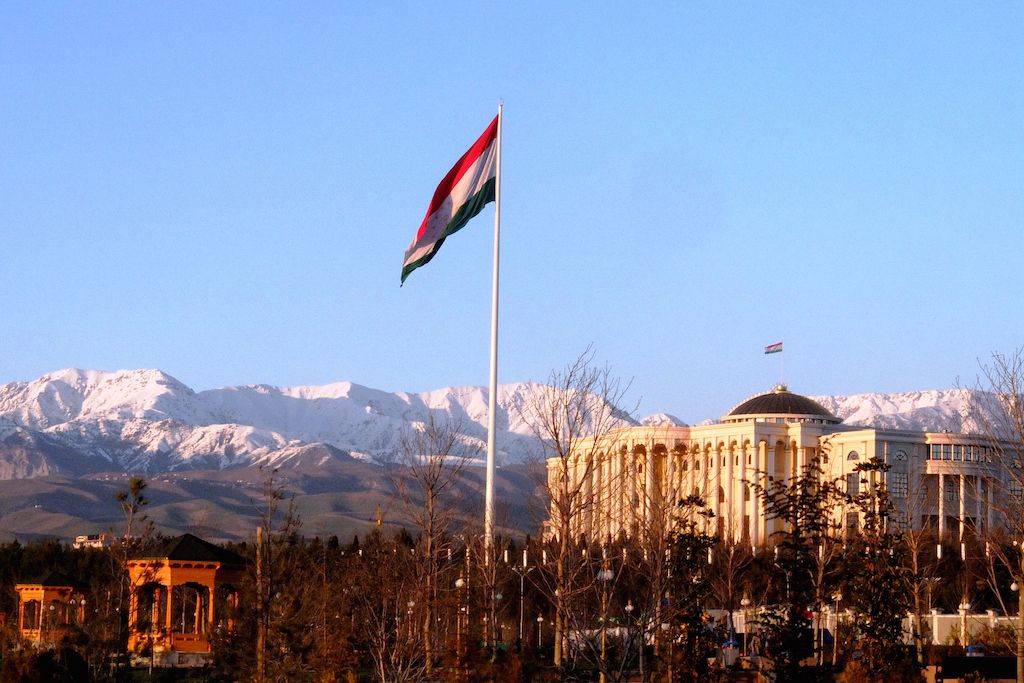
Tajikistan president names priorities of country’s long-term development

DUSHANBE (TCA) — The President of Tajikistan Emomali Rahmon on July 3 in Dushanbe chaired a meeting of the National Development Council under the President of Tajikistan with the participation of representatives of the Development Partners Coordination Council, Tajikistan’s ministries and government agencies, NGOs and international organizations. The agenda included issues related to the National report on interim results of the implementation of goals of the National Development Strategy of Tajikistan for the period until 2030 and Medium-term Development Program for 2016-2020 in the context of Sustainable Development Goals (SDGs), the president’s press service reported. In his keynote speech President Rahmon, who is the Chairman of the National Development Council, pointed out that the main priorities of the country's long-term development period cover issues of education, healthcare, employment, ensuring food security and access to quality products, energy independence, country’s connectivity and turning it into a transit country, fighting corruption, environmental protection and managing demographic risks. It was said that raising the living standard of the population is the highest goal of Tajikistan's long-term development program. The UN Resident Coordinator in Tajikistan Dr. Pratibha Mehta, World Bank Country Manager for Tajikistan Jan-Peter Olters, and the Head of Delegation of the European Union to Tajikistan Hidajet Biščević made remarks on significant process in the activities of the Government of Tajikistan for ensuring the country’s development. Speakers gave a positive assessment of these measures and expressed their opinion that sustainable cooperation with development partners in order to strengthen the implementation of strategic goals will continue in the future. President Rahmon expressed his gratitude to development partners for their active participation in the implementation of the strategic goals of Tajikistan.

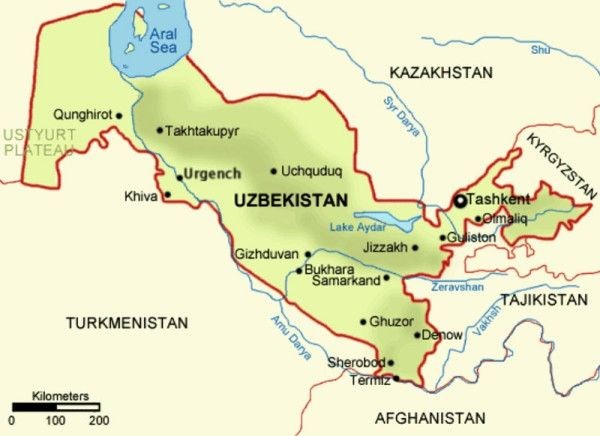
Will the ‘Uzbek Gorbachev’ succeed — or be allowed to?

TASHKENT (TCA) — Observers currently speculate to what extent the new Uzbekistan president will go with his reforms, and whether he will be able to succeed with these reforms should they will not prove to be cosmetic. We are republishing this article on the issue by Paul Goble, originally published by The Jamestown Foundation’s Eurasia Daily Monitor: Continue reading

Central Asia-Caucasus Institute releases paper on Uzbekistan’s foreign policy

BISHKEK (TCA) — At its forum event in Washington, DC last week, the Central Asia-Caucasus Institute (CACI) released “Uzbekistan’s New Foreign Policy: Change and Continuity under New Leadership,” a Silk Road Paper by Richard Weitz, published by the Central Asia-Caucasus Institute and Silk Road Studies Program, Joint Center. Continue reading

Kazakhstan: government approves action plan to implement president’s address

ASTANA (TCA) — The Government of Kazakhstan on January 16 approved the draft of the National Action Plan for implementation of the Address of the Head of State of January 10, 2018. The document was presented by the Minister of National Economy, Timur Suleimenov, the official website of the Prime Minister of Kazakhstan reports. Continue reading

ADB approves first full country partnership strategy for Turkmenistan

ASHGABAT (TCA) — The Asian Development Bank’s (ADB) Board of Directors has endorsed a 5-year Country Partnership Strategy (CPS) for Turkmenistan to support regional cooperation and economic diversification during 2017-2021. This is ADB’s first full CPS with Turkmenistan since the country joined ADB in 2000, the Bank said on November 17. Fueled by its hydrocarbon exports—Turkmenistan is the 12th largest natural gas producer in the world, with the 4th largest natural gas reserves, and the 10th highest oil producer in the Asia and Pacific region—the country’s economy has grown rapidly. However, highly concentrated export basket and export markets have made the economy vulnerable to changes in commodity prices. Turkmenistan’s national development strategy aims to shift to a growth model based on economic diversification, innovation, and sustainable development, with greater regional cooperation. “Turkmenistan has made important progress in recent years and achieved upper middle-income status,” said Sean O’Sullivan, Director General of ADB’s Central and West Asia Department. “ADB will work with the government and people of Turkmenistan to build on this progress by enabling the country to diversify its energy markets, improve its regional transport connectivity, and diversify its non-hydrocarbon economy.” The CPS provides three main avenues of support: hydrocarbon market diversification and energy trade promotion; diversification of the non-hydrocarbon sectors through transport infrastructure investments to improve market connectivity, and supporting private sector development, including small and medium-sized enterprises; and knowledge work on economic diversification and reforms. Regional power interconnection projects such as Turkmenistan-Uzbekistan-Tajikistan-Afghanistan-Pakistan (TUTAP), Turkmenistan-Afghanistan-Pakistan (TAP), and the Turkmenistan-Afghanistan-Pakistan-India (TAPI) natural gas pipeline project will be the primary vehicles of ADB support to diversify Turkmenistan’s power and natural gas export markets to South Asia. ADB has been instrumental for TAPI’s progress to date, serving as the TAPI secretariat since 2003 and, more recently, acted as transaction advisor. Going forward, ADB will continue to support the project, including the possibility of providing financial advice, financing shareholder equity in TAPI pipeline company, and non-sovereign loans, and credit enhancement. ADB will support transport infrastructure investments to improve market access and regional connectivity. Modernizing institutions to increase the role of the private sector in the non-hydrocarbon economy, starting with small and medium-sized financing, will be a key area of engagement. To meet the needs of policymakers, ADB will also support knowledge work on economic diversification and economic reforms. Regional cooperation and integration, particularly within the Central Asia Regional Economic Cooperation (CAREC), which Turkmenistan joined in 2010, is a priority area of the CPS.