• KZT/USD = 0.00219
  • TJS/USD = 0.10840
  • UZS/USD = 0.00008
  • TMT/USD = 0.29850
  • KZT/USD = 0.00219
  • TJS/USD = 0.10840
  • UZS/USD = 0.00008
  • TMT/USD = 0.29850
  • KZT/USD = 0.00219
  • TJS/USD = 0.10840
  • UZS/USD = 0.00008
  • TMT/USD = 0.29850
  • KZT/USD = 0.00219
  • TJS/USD = 0.10840
  • UZS/USD = 0.00008
  • TMT/USD = 0.29850
  • KZT/USD = 0.00219
  • TJS/USD = 0.10840
  • UZS/USD = 0.00008
  • TMT/USD = 0.29850
  • KZT/USD = 0.00219
  • TJS/USD = 0.10840
  • UZS/USD = 0.00008
  • TMT/USD = 0.29850
  • KZT/USD = 0.00219
  • TJS/USD = 0.10840
  • UZS/USD = 0.00008
  • TMT/USD = 0.29850
  • KZT/USD = 0.00219
  • TJS/USD = 0.10840
  • UZS/USD = 0.00008
  • TMT/USD = 0.29850
27 October 2026

Viewing results 1 - 6 of 56

New Fighting in Syria Throws Astana Talks Off Track

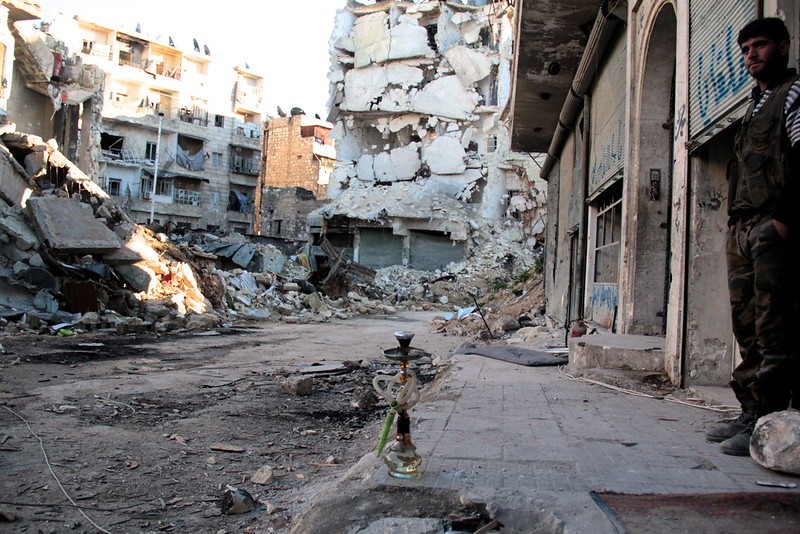
It’s called the Astana process: a long-running series of talks hosted by Kazakhstan whose stated aim is to deliver peace to conflict-torn Syria. Some Syrian opposition figures and other critics, however, have said the “guarantor” countries of the process – Iran, Russia and Türkiye – use it to promote their own political and military interests in the region. The dialogue named after the Kazakh capital, which marked its 22nd round in Astana on Nov. 11-12, was undercut on Nov. 27 when Syrian rebels launched a surprise attack against government forces and seized most of Aleppo, Syria’s second largest city, within days. The stunning operation, which reignited the civil war that began in 2011, followed several years of relative quiet during which Syria was divided into areas of factional control and foreign influence. Iran, Russia and Türkiye are talking about the Astana process as a way out of the current chaos. Visiting Türkiye on Monday, Iranian Foreign Minister Abbas Araghchi said the negotiations format must be “preserved” and that the foreign ministers of the guarantor countries would meet soon to discuss Syria, according to Iranian state media. Multiple media reports say the meeting could take place not in Astana, but on the sidelines of a forum in Doha, Qatar on Dec. 7-8. “All agreed: NO ONE benefits from another war in Syria,” Araghchi said on the X platform. Russia, which along with Iran supports Syrian President Bashar Assad and uses its military presence there to project power in the region and beyond, has also referred to the Astana framework as a way to stabilize the situation. At the same time, Russian jets have conducted bombing runs in response to the rebel offensive, and Iran says it would consider any Syrian government request to send troops. Türkiye, on the other hand, has backed some Syrian rebel groups and blames the resurgence of fighting on Assad’s failure to engage with the opposition. Türkiye, which hosts several million Syrian refugees on its territory, has sent its own military into northern Syria and seeks to counter an autonomous Kurdish area in the northeast of the country. The talks in Astana, which is perceived as a neutral venue, started in 2017 and have included the Syrian government and some Syrian opposition groups. There is also United Nations representation. Jordan, Lebanon, and Iraq have participated as observers. The United States initially took part as an observer, but dropped out several years ago, favoring a U.N.-backed peace process in Geneva. The Astana track provided for so-called deescalation zones, though the Syrian government violated the agreement and seized some of those areas, squeezing rebels and civilians into a smaller area along the Turkish border. While important to reconciliation efforts, the Astana dialogue “has been heavily influenced by the interests and positions” of the sponsoring countries – Iran, Russia and Türkiye, author Zenonas Tziarras wrote in an analysis published in 2022 by the Peace Research Institute Oslo, a non-profit group. “As the scope of the process became wider, encompassing political and...
Uzbekistan Shares Rehabilitation Model for Returnees at UN Event

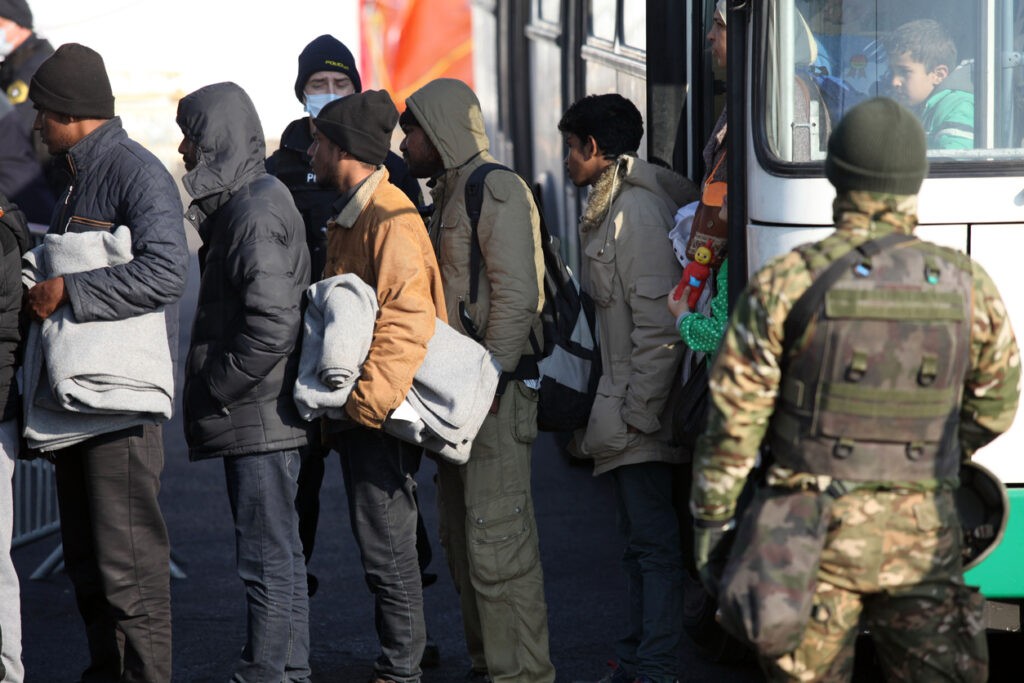
On November 11, 2024, a high-level event titled “Effective Rehabilitation and Reintegration of Returnees from North-Eastern Syria – Uzbekistan’s Experience: From Global to Local” took place at the UN Headquarters in Geneva. The event highlighted Uzbekistan’s successful approach to rehabilitating and reintegrating individuals returning from conflict zones, particularly through the work of the Regional Expert Council, established in 2024 at the initiative of President Shavkat Mirziyoyev. Vladimir Voronkov, head of the UN Counter-Terrorism Office, commended Uzbekistan’s efforts. “UN member states urgently need to develop strategies for rehabilitation and reintegration based on the experience of Uzbekistan. The Tashkent model aims to ensure the rights and dignity of the individual, which is important in these processes,” Voronkov stated. Khalid Koser, Director of the Global Community Engagement and Resilience Fund, described Uzbekistan’s model as a roadmap for other nations. He emphasized that the approach has proven to be effective, humane, and respectful of human rights in returning citizens from conflict zones. A focal point of the conference was the Regional Expert Council on Rehabilitation and Reintegration, established under the UN Office of Counter-Terrorism. The Council, based in Tashkent, aims to bring together Central Asian experts to share their knowledge and develop programs to assist reintegrated individuals in rebuilding their lives. “I am convinced that the Council, established in Tashkent at the initiative of the President of Uzbekistan, will contribute to strengthening the exchange of best practices and lessons learned in this area,” said Natalia Gherman, Head of the UN Security Council Counter-Terrorism Committee Executive Directorate. The Times of Central Asia has previously reported that Kazakhstan, Kyrgyzstan, Tajikistan, and Uzbekistan are collectively improving support systems for women and children returning from conflict zones, such as Iraq and Syria.

Peace for Women and Children Returning from Syria to Tajikistan

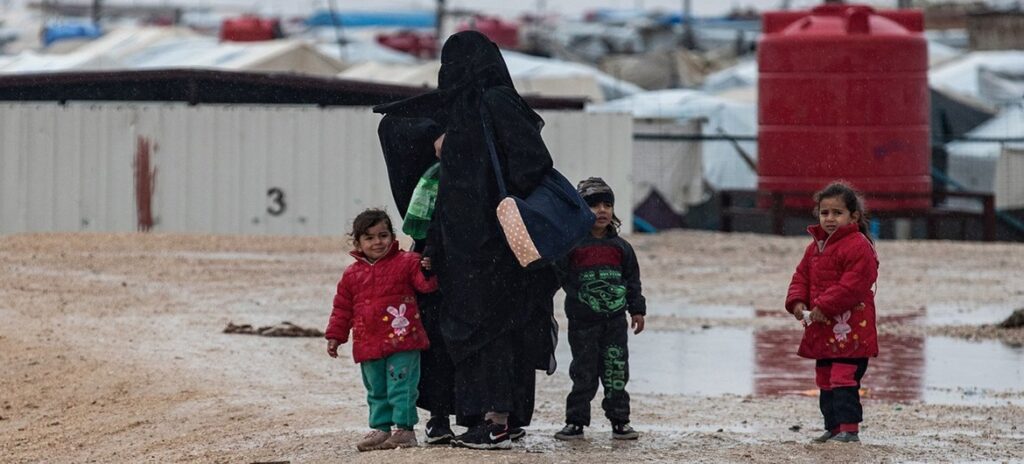
Dozens of women and children returning from Syria have now been reunited with their loved ones in Tajikistan and according to the  Ministry of Health, are adapting to a peaceful life. The return of Tajik citizens, primarily women and children, who left for Syria's combat zone and fell prey to terrorist organizations, has continued  since 2022. On 27 September 2023, the Government of Tajikistan introduced a program to aid their rehabilitation. According to , Kudratullo Kurbonzoda, head of the Social Protection Department of Tajikistan's Ministry of Health and Social Protection,  over the past two years, 334 people, including 259 children, have been returned from Syrian prisons to their homeland and having passed through the program's three stages, are settling in well. “Their health and mental state have recovered," commented Kurbonzoda Ku, adding that thanks to the program, even those without documents, such as passports or birth certificates, have been able to contact their families wherever they are in the country. A further 47 people who returned in April are currently  under the supervision of the agency's specialists and receiving assistance from doctors and psychologists, as well as from education and internal affairs officials. Referencing  the program's guidelines, Kurbonzoda added that in addition to financial and material assistance, the government  recommended the placement of  the children in schools and kindergartens, and provision of training and jobs for women.

Kazakhstan to host next round of Syrian peace talks on Oct 30-31

ASTANA (TCA) — Kazakhstan’s Foreign Ministry today announced the date for the next round of multilateral Syrian peace talks which are set to take place in the country's capital, Astana, Sputnik news agency reported. Continue reading

With $2 billion investment plan, China signals its geopolitical interests in Syria

BEIJING (TCA) — China plans to invest $2 billion in the creation of an industrial park in Syria that will initially bring together 150 Chinese companies, Qin Yong, the deputy chairman of the China-Arab Exchange Association, announced on July 9 during the first Syria reconstruction projects fair in Beijing, Russia’s Sputnik news agency reported. Observers believe that by doing so, China has sent a strong signal about its geopolitical interests in Syria. Continue reading

Russia wants CSTO allies to deploy to Syria

BISHKEK (TCA) — Moscow is reportedly negotiating sending troops from its CSTO allies — Kazakhstan and Kyrgyzstan — to monitor the military situation in Syria. The move, if it happens, certainly meets Russia’s political goals but it would bring nothing but headaches to the Central Asian countries, which are still reluctant to sign up to Moscow’s initiative. We are republishing this article by Uran Botobekov on the issue, originally published by The Jamestown Foundation’s Eurasia Daily Monitor: Continue reading
