• KGS/USD = 0.01144 0%
  • KZT/USD = 0.00193 -0%
  • TJS/USD = 0.10866 0.55%
  • UZS/USD = 0.00008 0%
  • TMT/USD = 0.28490 0%
  • KGS/USD = 0.01144 0%
  • KZT/USD = 0.00193 -0%
  • TJS/USD = 0.10866 0.55%
  • UZS/USD = 0.00008 0%
  • TMT/USD = 0.28490 0%
  • KGS/USD = 0.01144 0%
  • KZT/USD = 0.00193 -0%
  • TJS/USD = 0.10866 0.55%
  • UZS/USD = 0.00008 0%
  • TMT/USD = 0.28490 0%
  • KGS/USD = 0.01144 0%
  • KZT/USD = 0.00193 -0%
  • TJS/USD = 0.10866 0.55%
  • UZS/USD = 0.00008 0%
  • TMT/USD = 0.28490 0%
  • KGS/USD = 0.01144 0%
  • KZT/USD = 0.00193 -0%
  • TJS/USD = 0.10866 0.55%
  • UZS/USD = 0.00008 0%
  • TMT/USD = 0.28490 0%
  • KGS/USD = 0.01144 0%
  • KZT/USD = 0.00193 -0%
  • TJS/USD = 0.10866 0.55%
  • UZS/USD = 0.00008 0%
  • TMT/USD = 0.28490 0%
  • KGS/USD = 0.01144 0%
  • KZT/USD = 0.00193 -0%
  • TJS/USD = 0.10866 0.55%
  • UZS/USD = 0.00008 0%
  • TMT/USD = 0.28490 0%
  • KGS/USD = 0.01144 0%
  • KZT/USD = 0.00193 -0%
  • TJS/USD = 0.10866 0.55%
  • UZS/USD = 0.00008 0%
  • TMT/USD = 0.28490 0%
10 December 2025

USAID Helps Improve Kazakhstan’s Investment Legislation

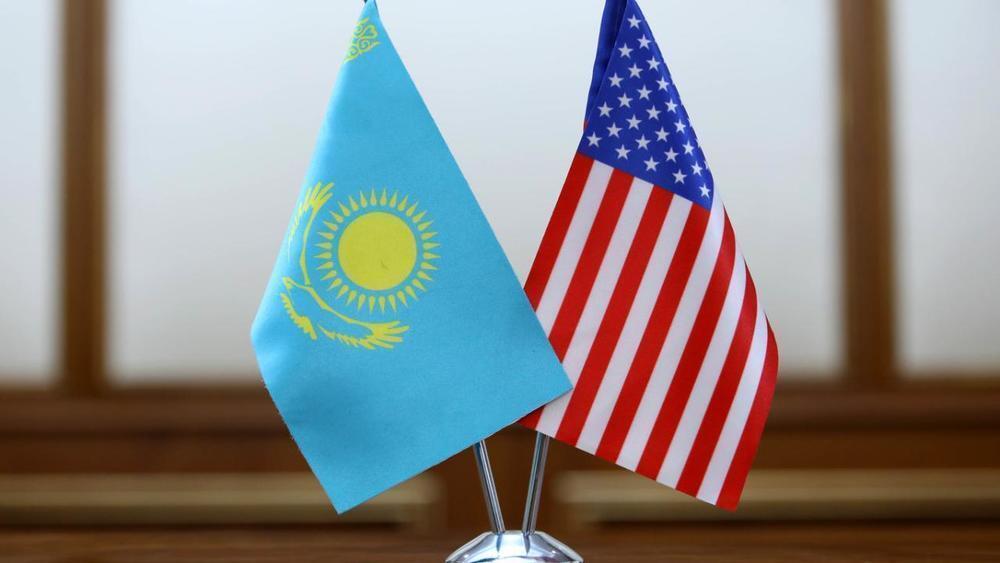
On February 2nd in Astana the United States Agency for International Development (USAID) hosted a joint Investment Forum. The event was organized to propose changes to Kazakhstan’s investment legislation, and to highlight important achievements supported by the USAID Kazakhstan Rule of Law Program, run by the American Bar Association Rule of Law Initiative (ABA ROLI). The program has partnered with the Supreme Court of Kazakhstan and the company Kazakh Invest, overseen by the Ministry of Foreign Affairs. 

Over 50 participants, representing the government, judiciary, business community, investors, and local and international experts participated in the event. The forum was opened by the chairman of the Supreme Court, Aslambek Mergaliyev, who stressed the need for reform in order to attract investors. 

At the forum, the US Ambassador to Kazakhstan Daniel Rosenblum commented: “Today’s Investment Forum organized by the American Bar Association is yet another example of the long-term and very strong U.S.-Kazakhstan partnership in support of the rule of law, as it relates to economic policy, foreign investment, and the business climate. I am pleased that this forum will be repeated next year as well, providing an ongoing platform for discussions on issues that are important to foreign investors. We also mark the conclusion of the USAID Rule of Law Program in Kazakhstan, which over the past four years has helped improve the legal environment for protecting investments and strengthen the professional development and independence of Kazakhstan’s judiciary.”

Bishkek Heating Plant To Be Modernized After Breakdown

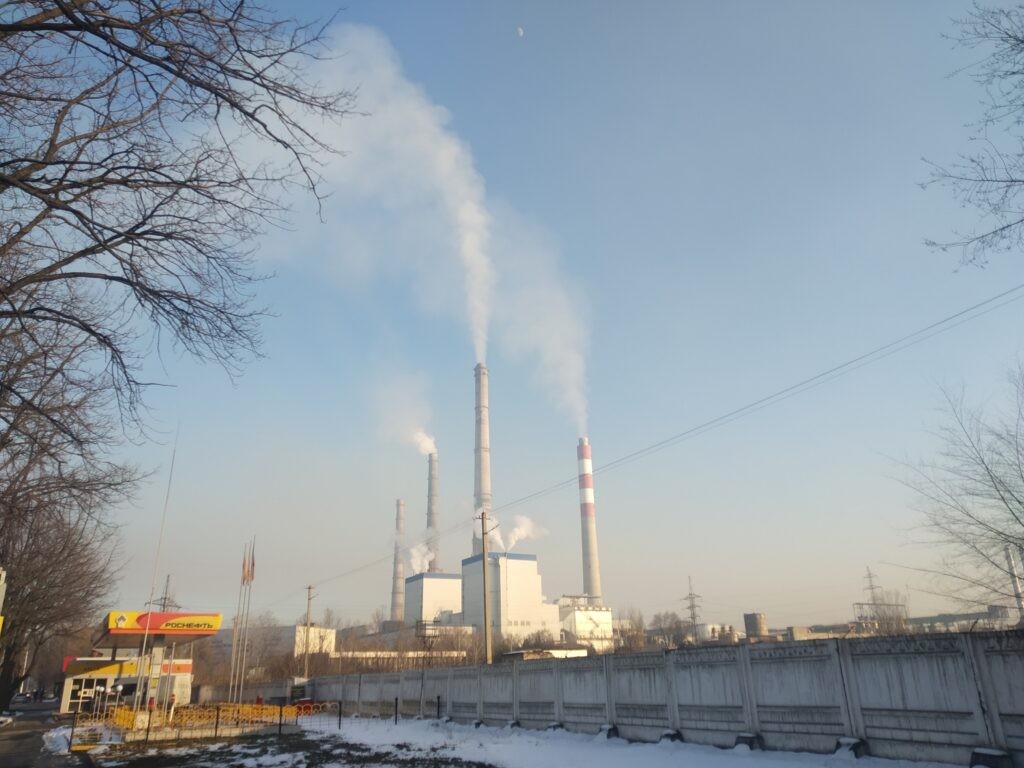
The Bishkek thermal power plant has been ordered to completely modernize, after a blast at the aging heat and electricity generating facility left parts of the city without hot water and heating. 

Three people were seriously injured in an explosion at the plant early on February 2nd. The breakdown forced authorities to declare hot water and heating restrictions in some parts of the city as the plant’s staff worked to repair the damage. 

Kyrgyzstan’s president Sadyr Japarov visited the plant as work was being done to get the facility back online.

In an interview to the Kabar news agency, Mr Japarov said he has given instructions to completely modernize the thermal power plant. “This will require a lot of money, but there is no other way out. We will have to find it [money],” the president said, mentioning that the thermal power plant was launched back in 1961 and its equipment is very outdated. “Despite this, we continue to operate it, repairing it every summer to get through the heating season.”

The last major accident at the Bishkek thermal power plant occurred in January 2018. At the time the plant’s breakdown left the city without heating for three days amid freezing air temperatures. Work to modernize the plant commenced in 2014, following a 2013 loan agreement between China’s Export-Import Bank and the Kyrgyz government. China’s Tebian Electric Apparatus Stock Co. Ltd. (TBEA) was granted the contract and modernized the plant for $386 million. 

Today’s accident occurred in the old part of the power plant that was not modernized. In the interview, Mr Japarov said that instead of partially reconstructing the power plant, it was necessary to completely renovate it or build a new facility.

Uzbekistan To Increase Agricultural Exports

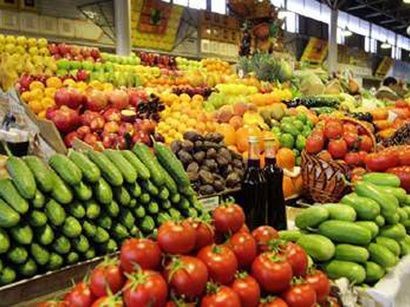
Agricultural production in Uzbekistan grew by 4.1% in 2023, and agricultural exports reached almost $2bn. This year the country plans to increase exports to $3.5bn.  

At a government meeting on February 2nd officials reported that 6,000 gardens, over 3,000 vineyards and fields, and 344 packaging enterprises will be brought into compliance with international phytosanitary standards.

Exports will be focused on markets with higher purchasing and paying powers. Modern facilities for exporting fruits and vegetables will be created at Fergana, Samarkand, and Tashkent airports.

In recent years 620 phytosanitary permits have been received for the export of agricultural products to 80 countries. As part of the EU’s GSP+ trade preference system, 200,000 hectares of farmland in Uzbekistan have been brought into compliance with international standards.

Year 2022 Marked the Beginning of the End of Nazarbayev’s Rule

The year 2022 was marked by significant changes in Kazakhstan, particularly the end of Nursultan Nazarbayev’s rule. This change was symbolized by the removal of his monument on 12 January of 2024 which stood in front of a university in Astana. The monument was taken down and put into storage, explained by the Ministry of Defense as a result of changing the university’s name.

During the violent protests in January of 2022, protesters in Taldykorgan tore down another monument to Nazarbayev located in front of the mayor’s office. Prior to this, Nazarbayev held substantial influence in the country, with the capital named after him and streets bearing his name.

According to Radio Free Europe, experts say that after the January events, Nazarbayev’s influence waned while that of the current president Kassym-Jomart Tokayev increased. This began a period of distancing from Nazarbayev within the country. The capital returned to its former name of Astana, the status of “Leader” granted to Nazarbayev was removed from the Constitution, and the protections that shielded him and his family from criminal prosecution were lifted.

Elbasy No More: Monument to Nazarbayev Removed From National Museum

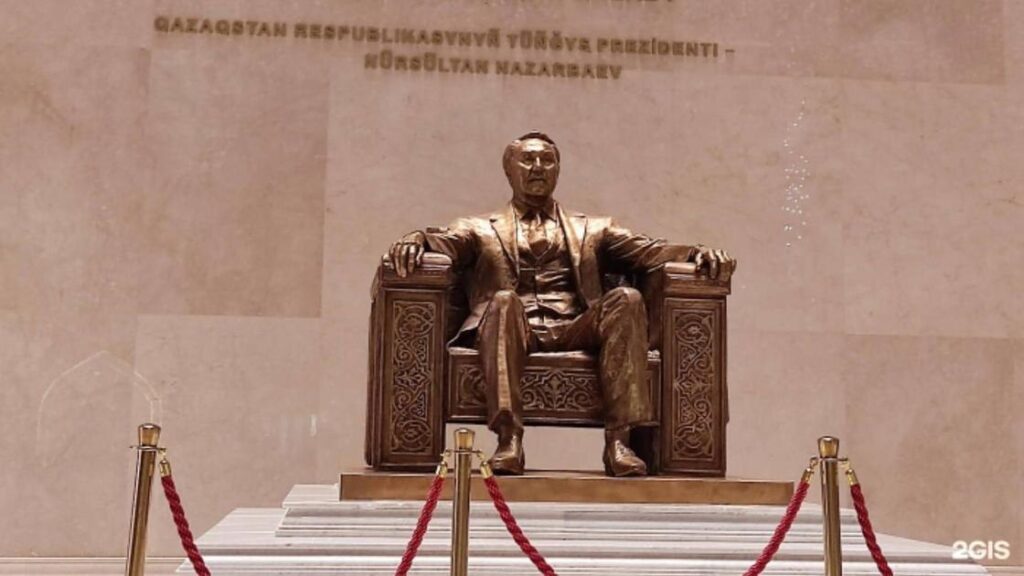
In a further sign of the dismantling of the cult of personality which the first President of Kazakhstan strove to build around himself, a monument to Nursultan Nazarbayev has been removed from the National Museum of Kazakhstan in Astana. According to the Minister of Culture and Information, the decision was made in relation to the modernization of the exhibition space.

“This exhibit is the property of the museum, and in connection with the changes in the concept of the hall, [the monument] will be moved into permanent storage in the Museum Fund”, the National Museum said in a statement.

Renovation work has already begun at the hall of the National Museum which depicts “Independent Kazakhstan.” The hall hasn’t been updated since 2014, and the management intends to highlight important events from the recent history of the country.
The National Museum of Kazakhstan was built upon a direct order from former President Nazarbayev within the framework of a government program called “Cultural Heritage.” It is the largest museum in the country, with its buildings occupying a total area of 74,000 square meters, with an exposition area adding another 14,000 square meters.

The statue of Nazarbayev first appeared in the museum in July 2018. Above the sculpture of the former president a placard in Kazakh in Latin script reads, “My dream is for Kazakhstan to be an eternal country. Time will pass; people will pass – but independence will remain. The first president of the Republic of Kazakhstan, Elbasy (leader of the nation), Nursultan Nazarbayev.”

Could this mark the beginning of a wider trend? This is not the first time a monument to Nazarbayev has been removed. During the events of January 2022, a statue of the first president was demolished during riots in Taldykorgan. Later, another monument to Nazarbayev was removed from the National Defense University in Astana, and a picture of Nazarbayev which hung in the Almaty subway was also removed. In January 2023, the law on the first president and leader of the nation, which granted lifetime benefits and privileges to Nazarbayev was rescinded by the Constitutional Court. Earlier this year, a provocative exhibition by artist, Yerbosyn Meldibekov, about the fall of the ex-president and monuments to him was installed in the House of Officers, a military-cultural building in Almaty.

Monuments and busts of Soviet-era leaders and revolutionaries in Kazakhstan still stand in parks and various buildings, though often no longer on central pedestals. As of 2021, there were still 159 statues commemorating Lenin, the majority of which are found in regions with a high-density of ethnic Russians, including Pavlodar and Akmola, and in the North Kazakhstan Region, where ethnic Russians outnumber Kazakhs, but since the fall of the Soviet Union, 341 had been demolished.

Another lasting symbol of a cult of personality can be found among representatives of law enforcement agencies, who still revere the so-called “Godfather of the Chekists,” Felix Dzerzhinsky. In the East Kazakhstan Region, which has an extremely high-density of ethnic Russians, a bust of him has been erected, and his portrait still hangs in some offices. Moreover, monuments to such figures as Mikhail Frunze, Vasily Chapayev, Dmitry Furmanov, and many other political figures from Kazakhstan’s Soviet past remain dotted throughout the country.

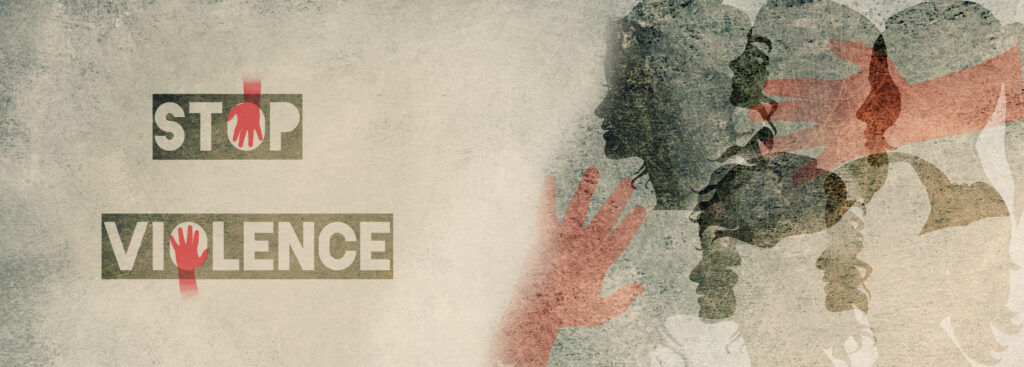
Domestic Violence Victims Can Now Obtain EU Refugee Status After Ruling

Women who have suffered from domestic violence have the right to seek asylum in European Union (EU) countries, according to an EU Court of Justice ruling on January 16th. Anyone who has been subjected to physical and psychological violence, including sexual or domestic violence, can apply. If the those who apply do not meet the conditions for refugee status, they can claim additional measures of protection.
Refugee status may already be granted to third-country nationals who are persecuted on racial, religious, or national grounds, as well as on the basis of political convictions or membership of a particular social group.
According to the judges, threats from relatives “because of an alleged violation of cultural, religious or traditional norms” may qualify. Consequently, genital mutilation or forced marriage are often reasons for absconding, which women will have to disclose to authorities at the first interview.
The EU came to this decision after the story of a Turkish national, a girl of Kurdish origin was forcibly married by her family. In the marriage, she was beaten and threatened by her husband, but managed to escape. The woman, who feared that her life would be in danger if she returned to Turkey, sought help and asked for international protection in Bulgaria. The local justices then referred the case to the Court of Justice of the EU.
Karl Kopp, a migration expert for Pro Asyl – an independent human rights organization that advocates for the rights of refugees in Europe and Germany – said that the outcome is positive, and more women will be able to receive protection in the future.
At present, Kazakhstan is discussing the issue of toughening punishment for domestic violence. A joint study by the Union of Crisis Centers and the Friedrich Ebert Foundation found that in 2021, the public safety authorities of Kazakhstan received almost 115,000 complaints of domestic violence. Of these, only 40% of cases made it to court, whilst 39% of perpetrators got off with sentences that restricted their freedom for periods ranging from two hours to three days.