Viewing results 1 - 6 of 131
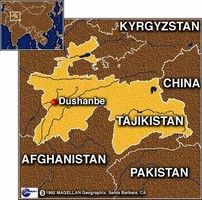
DUSHANBE (TCA) — The results of the high frequency survey Listening to Tajikistan covering the period of September to November 2015 were published on February 8 on the World Bank Tajikistan website. The survey aimed at measuring the impact of the economic slowdown in 2015 on households in Tajikistan was initiated by the World Bank in May 2015, with the opening of the high season for many workers from Tajikistan working abroad. Continue reading
ASTANA (TCA) — More than 32 thousand work permits were given to foreign nationals in Kazakhstan last year, according to the country’s Ministry of Health and Social Development, the official website of the Prime Minister of Kazakhstan reported on February 8. Continue reading
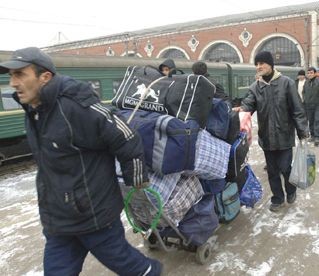
BISHKEK (TCA) — Remittances from Kyrgyz labor migrants abroad decreased by 37 percent in 2015 compared with 2014, Kyrgyzstan’s National Bank said. In 2014, labor migrants sent home $2.17 billion and only $1.41 billion for 9 months of 2015. Continue reading
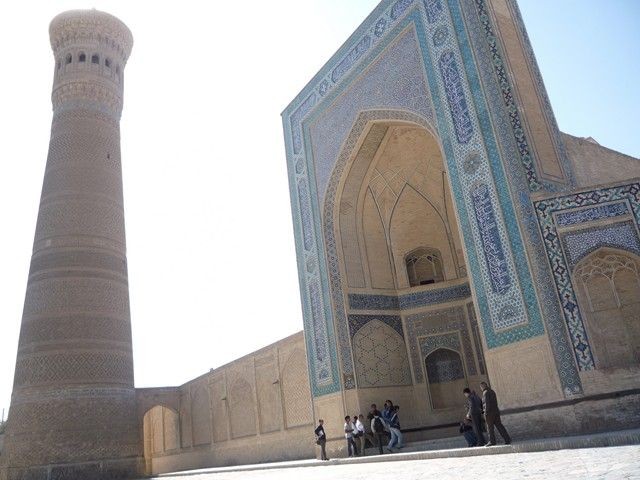
LONDON (TCA) — Study material publicised over summer last year by the World Travel & Tourism Council on the development of Central Asia’s tourism sector shows disappointing figures in terms of the contribution from the sector to the region’s overall economic development. Opening up the area for larger numbers of tourists would make transportation and accommodation cheaper, and the destination, which has many interesting things to offer, more competitive. Continue reading
BISHKEK (TCA) — Defending the frontier with Afghanistan has become top priority for the three former Soviet republics bordering it in 2015. Whether that frontier could become a frontline or not depends on how much the other two are ready to contribute and how much stability they can maintain to do so. For Kyrgyzstan, the year 2015 is most likely to go into history as the year of the new revolution that never happened and the remarkable survival and strengthening of its parliamentary rule. It was, remarkably, much due to the personal input of President Atambayev, who is behind the party that has the largest faction in both the previous and the new parliament, that dark prophecies of “destabilisation” and “economic failure” failed to materialize, making Kyrgyzstan’s model go in the direction of the French than e.g. of the British one. Given the geopolitical and economic challenges in the region, this may well be a favourable option. Continue reading