Revival of pan-Turkism in Kazakhstan threatens pillars of Eurasian Union
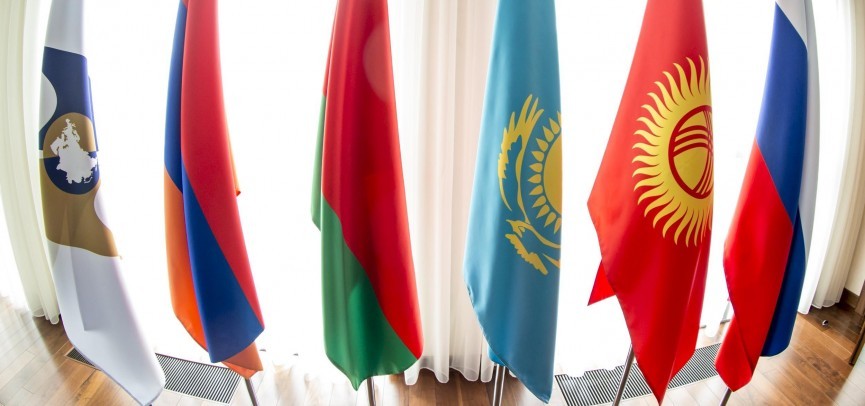
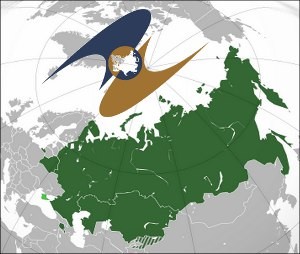
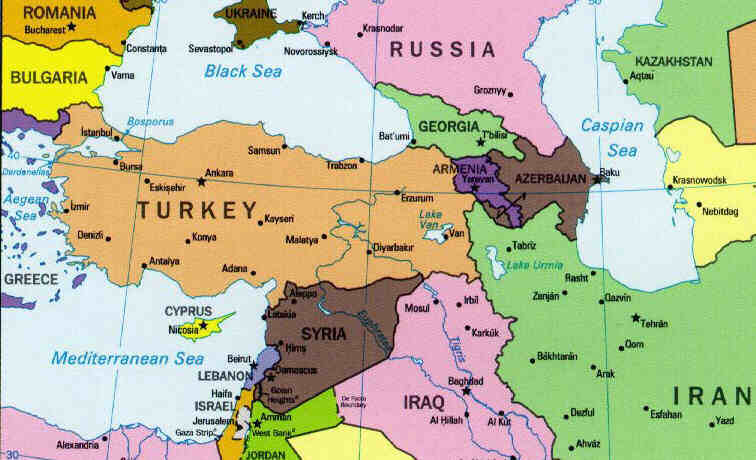
ASTANA (TCA) — Kazakhstan is still searching for its place and identity in the post-Soviet world — between the Turkic World and Russia-led Eurasian Economic Union. We are republishing this article on the issue, written by Farkhad Sharip, originally published by The Jamestown Foundation’s Eurasia Daily Monitor: The term “pan-Turkism,” which carried a similarly ominous meaning as “enemy of the people” under Joseph Stalin and his Soviet successors, has become a strong component of Kazakhs’ search for national identity ever since their country achieved independence more than a quarter of a century ago. Indeed, modern Kazakhs have developed a strong sense of pride of belonging to the Turkic World. All this came to the foreground recently, during celebrations of the 125th anniversary of the birth of national poet Magzhan Zhumabayev, who was exiled to Siberia during the Stalinist purges and shot, in 1937, at an NKVD prison for glorifying pan-Turkism and nationalism. Not only did Soviet authorities remove Magzhan’s poems from books, they also banned his name (Inform.kz, April 30). The open-air cultural event, staged on June 22, near the village of Sarytomar, North Kazakhstan, the birthplace of Zhumabayev, was attended by prominent intellectuals and public figures from Turkey, Azerbaijan, Uzbekistan, Kyrgyzstan as well as representatives of Turkic-speaking minorities of the Russian Federation and Mongolia. The akim(governor) of North Kazakhstan region, Kumar Aksakalov, stressing that Zhumabayev was the poet of all Turkic nations, read out a congratulatory letter from Kazakhstani President Nursultan Nazarbayev. Additionally, the chairperson of the International Organization of Turkic Culture (TURKSOY), Duysen Kasseinov, noted that 2018 was declared the year of Magzhan Zhumabayev in all Turkic-language-speaking countries (Tengrinews.kz, June 24). Earlier, on June 19, President Nazarbayev signed a decree to transfer the regional capital of South Kazakhstan from Shymkent to Turkestan and create a new territorial entity—Turkestan region. The holy city of Turkestan is widely recognized as “the spiritual capital of the Turkic world.” Nazarbayev emphasized the “historical significance” of this decision (Inform.kz, June 19). Kazakhstan’s government, with its historically strong ties to Slavic states and particularly to Russia, has never officially displayed its pan-Turkic leanings particularly pointedly. But Nazarbayev’s increasingly ambiguous attitude toward the Russia-dominated Eurasian Economic Union (EEU) suggests that, at least in economic terms, he is seeking more independence from Moscow and closer ties with Istanbul. At the 2013 session of the Supreme Eurasian Economic Council, in Minsk, he actually proposed admitting Turkey into the Customs Union of (at the time) Russia, Belarus and Kazakhstan and dissolving the Eurasian Union as a redundant and inefficient structure. Nazarbayev expressed a worry that “we are recreating the USSR [Union of Soviet Socialist Republics] or something subordinated to Russia” (Nur.kz, October 24, 2013). This was not the first time the Kazakhstani president irritated Moscow with such rhetoric. A year earlier, in Ankara, Nazarbayev addressed a session of the Turkic Council and emphatically reiterated the words of Mustafa Kemal Atatürk, the founder of the Republic of Turkey, who said, “The time will come when all Turkic people will...