• KGS/USD = 0.01144 0%
  • KZT/USD = 0.00212 0%
  • TJS/USD = 0.10803 0%
  • UZS/USD = 0.00008 0%
  • TMT/USD = 0.28571 0%
  • KGS/USD = 0.01144 0%
  • KZT/USD = 0.00212 0%
  • TJS/USD = 0.10803 0%
  • UZS/USD = 0.00008 0%
  • TMT/USD = 0.28571 0%
  • KGS/USD = 0.01144 0%
  • KZT/USD = 0.00212 0%
  • TJS/USD = 0.10803 0%
  • UZS/USD = 0.00008 0%
  • TMT/USD = 0.28571 0%
  • KGS/USD = 0.01144 0%
  • KZT/USD = 0.00212 0%
  • TJS/USD = 0.10803 0%
  • UZS/USD = 0.00008 0%
  • TMT/USD = 0.28571 0%
  • KGS/USD = 0.01144 0%
  • KZT/USD = 0.00212 0%
  • TJS/USD = 0.10803 0%
  • UZS/USD = 0.00008 0%
  • TMT/USD = 0.28571 0%
  • KGS/USD = 0.01144 0%
  • KZT/USD = 0.00212 0%
  • TJS/USD = 0.10803 0%
  • UZS/USD = 0.00008 0%
  • TMT/USD = 0.28571 0%
  • KGS/USD = 0.01144 0%
  • KZT/USD = 0.00212 0%
  • TJS/USD = 0.10803 0%
  • UZS/USD = 0.00008 0%
  • TMT/USD = 0.28571 0%
  • KGS/USD = 0.01144 0%
  • KZT/USD = 0.00212 0%
  • TJS/USD = 0.10803 0%
  • UZS/USD = 0.00008 0%
  • TMT/USD = 0.28571 0%

Viewing results 1 - 6 of 205

Opinion: The U.S. Still Doesn’t Know Where Central Asia Belongs

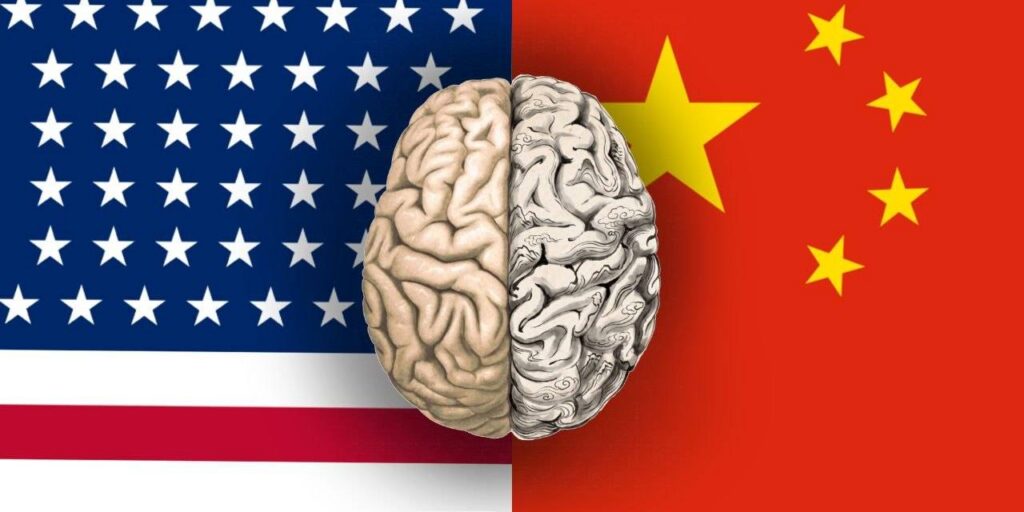
Washington cannot decide where Central Asia belongs. Is it part of Europe? Asia? The Middle East? The confusion is on full display in how the House of Representatives has reassigned the region across subcommittees in rapid succession. In the 116th Congress, which convened in 2019, Central Asia fell under the Subcommittee on Europe, Eurasia, Energy and the Environment. Two years later, in the 117th Congress, it was moved to the Subcommittee on Asia, the Pacific, Central Asia and Nonproliferation. That arrangement barely settled before the 118th Congress shifted it again—this time to the Subcommittee on the Middle East, North Africa, and Central Asia. Now, in the 119th Congress, it has been relocated to the Subcommittee on South and Central Asia. On the banks of the Potomac, Central Asia has taken on a nomadic life of its own—constantly on the move, never quite settling in one place. At the State Department, Central Asia is grouped under the Bureau of South and Central Asian Affairs alongside Afghanistan, India, Pakistan, and Sri Lanka. At the Pentagon, by contrast, the Middle East team oversees relations with Central Asia, alongside countries like Israel, Saudi Arabia, Iran, and Pakistan. These mismatches are not just clumsy; they are strategically dangerous. By misplacing Central Asia, Washington is misreading the geography of China’s rise. It is time for Washington to stop the bureaucratic musical chairs and place Central Asia within a coherent grand strategy. Far from being an afterthought, the region is one of the most consequential pieces of the geopolitical puzzle facing the United States: how to respond to China’s strategy. This is because Central Asia sits at the heart of China’s decades-long effort to move its critical lifelines away from the Indo-Pacific and onto the Eurasian landmass. Over the past 15 years, China has quietly reoriented its energy routes, reducing reliance on maritime pathways vulnerable to U.S. naval dominance—particularly chokepoints such as the Strait of Hormuz and the Strait of Malacca—and expanded overland imports across Eurasia. Today, China imports significant volumes of natural gas via pipelines from Turkmenistan and Russia, as well as crude oil from Kazakhstan. These continental routes are largely insulated from maritime interdiction, giving Beijing strategic resilience. Central Asia should be understood through this lens. For China, the region is not peripheral—it is essential. The pipelines, railways and trade corridors that underpin China’s resilience all pass through Xinjiang and Central Asia. In this sense, Central Asia is not merely adjacent to China; it is embedded in China’s vision of the future. This is why Washington’s practice of grouping Central Asia with South Asia misses the mark. The two regions operate under fundamentally different strategic logics. South Asia is centered on the Indian subcontinent, shaped by maritime dynamics and the India‑Pakistan rivalry. Central Asia, by contrast, is a continental crossroads—defined by overland connectivity, energy flows and great‑power competition across Eurasia. India, meanwhile, is geographically constrained—lacking direct land access to Central Asia due to territory administered by Pakistan and separated from China by the Himalayas—leaving it...

European Summit in Yerevan Sends a Signal to Central Asia

The 8th European Political Community summit in Yerevan highlighted deepening geopolitical fault lines while signaling that some post-Soviet countries, notably Azerbaijan and Armenia, are gradually shifting their geopolitical orientation away from Moscow. It is a realignment that Central Asian states are watching with increasing interest. On May 4, attention across post-Soviet space, from Russia and Belarus to Central Asia and the South Caucasus, turned toward Yerevan. Armenia, still a member of the Commonwealth of Independent States and the Eurasian Economic Union and formally tied to the Collective Security Treaty Organization despite freezing its participation, hosted Europe’s political leadership. Among those attending were French President Emmanuel Macron, NATO Secretary General Mark Rutte, European Commission President Ursula von der Leyen, European Council President António Costa, and prime ministers including Donald Tusk, Keir Starmer, and Petteri Orpo. Azerbaijani President Ilham Aliyev participated via video link. No Central Asian leaders attended the summit. Even so, the gathering carried a message for the region. Armenia hosted Europe’s political leadership while remaining tied to Moscow-led structures, including the CIS and the Eurasian Economic Union. For Central Asian governments pursuing their own multi-vector policies, the summit showed how a post-Soviet state can widen its diplomatic options without a clean break from Russia. The parallel is not exact, but it is visible. Kazakhstan and Kyrgyzstan remain in the Eurasian Economic Union, while Kazakhstan, Kyrgyzstan, and Tajikistan remain in the CSTO. All five Central Asian states maintain working ties with Moscow, while expanding contacts with the EU, Turkey, China, and the Gulf, part of a wider effort to diversify foreign policy options through closer engagement with Europe and other outside powers. Turkey was represented by Vice President Cevdet Yılmaz, the highest-level Turkish official to visit Armenia since then-President Abdullah Gül in 2008. Turkey and Azerbaijan largely positioned themselves as counterweights to the dominant European framing, marking one of the summit’s key geopolitical divides. Aliyev adopted a confrontational tone, announcing a suspension of relations with the Parliamentary Assembly of the Council of Europe and the European Parliament. “Instead of addressing fundamental problems of some member states, such as xenophobia, Islamophobia, antisemitism, migration, competitiveness, and homelessness, the European Parliament targets Azerbaijan, spreading slander and lies,” Aliyev said. “And the reason is that Azerbaijan restored its territorial integrity and sovereignty, put an end to separatism, and brought war criminals to justice.” In response, António Costa sought to soften tensions, emphasizing the summit’s historical significance as the first of its kind held in the South Caucasus and highlighting Aliyev’s participation as a symbol of peace efforts in the region. Cevdet Yilmaz focused on bilateral diplomacy, meeting Romanian President Nicușor Dan to discuss trade, regional issues, and global challenges. He also held talks with Armenian Prime Minister Nikol Pashinyan, the summit’s host. The two sides signed a memorandum of understanding on the joint restoration of the historic Ani Bridge, located on the border between the two countries and dating back to the 11th century. Yilmaz suggested that Armenia would benefit from closer alignment with Turkey...

Belousov’s Bishkek Warning: Russia Uses SCO Meeting to Target Outside Influence in Central Asia

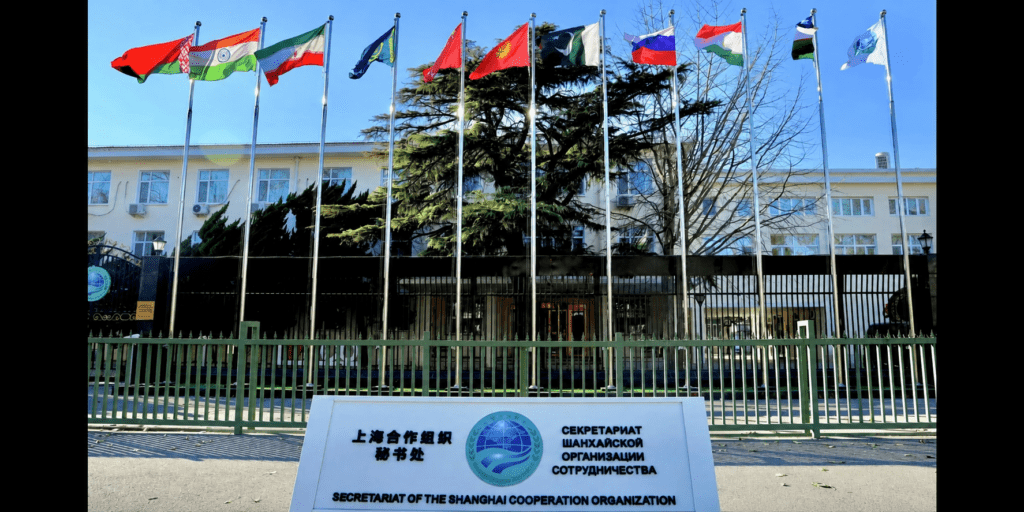
The April 28 meeting of defense ministers from the member states of the Shanghai Cooperation Organization (SCO), held in Kyrgyzstan’s capital, Bishkek, received relatively modest coverage in Central Asia and China. Russia’s Ministry of Defense, however, used the routine gathering to send a sharper message: Moscow remains opposed to any non-regional military presence in Central Asia. According to the SCO Secretariat, the meeting was attended by defense ministers from member states, the organization’s Secretary-General, and the director of the Executive Committee of the SCO’s Regional Anti-Terrorist Structure. “During the meeting, the parties held a substantive exchange of views on pressing regional and international security issues, noting persistent challenges and threats, including international terrorism, extremism, transnational crime, as well as emerging risks in information and cybersecurity,” the SCO said in a general statement. The statement also emphasized the need to strengthen trust between the armed forces of member states, expand practical cooperation, conduct joint exercises, exchange experience, and develop mechanisms for military cooperation within the SCO. China’s Defense Minister Dong Jun used similar institutional language. According to Xinhua, Dong said the SCO should uphold the international order, improve security governance, and “eliminate the sources of turmoil and conflict through shared development.” He also called for deeper defense and security cooperation among member states. Kazakhstan’s Defense Minister Dauren Kosanov presented a report on the country’s approach to strengthening regional security, developing cooperation within the SCO, and improving joint responses to contemporary challenges, according to Kazakhstan’s Ministry of Defense. The ministry said participants also discussed the expansion of practical cooperation between defense agencies and approved a cooperation plan for SCO defense ministries for 2027. Defense ministers from Uzbekistan and Kyrgyzstan also held bilateral talks on the sidelines of the meeting, discussing military-technical cooperation, joint training, experience-sharing among officers, and initiatives aimed at strengthening regional security. Uzbek media described the talks as being held in a constructive and friendly atmosphere. Russian Defense Minister Andrei Belousov adopted a markedly different tone. His remarks were not limited to general SCO language about counterterrorism or cyber threats. They directly targeted the possible presence of outside powers in Central Asia. “We are closely monitoring attempts by non-regional states to establish a military presence and address logistical tasks in Central Asia. We consider this unacceptable,” Belousov said, according to RIA Novosti. Belousov also expressed concern about Syria, Lebanon, Afghanistan, and the humanitarian crisis in Gaza, warning that militants from crisis zones could infiltrate neighboring countries, including the SCO space. Belousov further argued that U.S. activity in the Asia-Pacific region was having a destabilizing effect. “Their efforts to reshape the regional security system into a U.S.-centric model by strengthening military-political structures under Washington’s control provoke tensions, undermine regional stability, and increase the risks of armed conflict,” he said. The contrast was striking. The SCO Secretariat spoke in broad terms about common threats and institutional cooperation. China emphasized development, governance, and multilateral stability. Russia used the same setting to issue a direct warning over Central Asia. Iran added another layer to...

Opinion: Expect China to take its 2+2 diplomacy to Central Asia

China does not do military alliances. Its declared posture is one of non-interference in other nations’ internal affairs. Yet Beijing has long understood that commercial ties alone cannot anchor strategic relationships; only security partnerships can. China’s recent experiments with 2+2 security dialogues – bringing together foreign and defense ministers – signal that it is seeking to move beyond an economics-first approach. The most likely next candidates for this format are Kazakhstan, Kyrgyzstan and Tajikistan, all of which share borders with China. For Central Asian governments, a 2+2 with China may hold appeal, particularly as they seek to manage instability spilling over from Afghanistan at a time when Russia’s security role is being strained by its war in Ukraine. After years of hoping that engagement could stabilize Afghanistan, Central Asian states have largely shifted to a policy of containment – seeking to insulate themselves from cross-border militant threats, narcotics flows and refugee movements rather than attempting to reshape Afghanistan’s internal trajectory. For Beijing, the objective would be to consolidate partnerships across the Eurasian heartland – an outcome Washington would prefer to counter. China shares Central Asia’s risk-management approach toward Afghanistan. Like its neighbors, Beijing has little appetite for deep involvement inside the country itself, focusing instead on preventing instability from spilling northward toward Xinjiang or disrupting Belt and Road corridors that run through the region. A 2+2 format offers China a way to institutionalize security coordination without violating its long-standing aversion to formal alliances. Last week, Chinese Foreign Minister Wang Yi and Defense Minister Dong Jun traveled to Phnom Penh to hold China’s first-ever 2+2 dialogue with Cambodia. Wang told reporters that China is willing to develop the mechanism into a “strategic platform” for enhancing political and defense security cooperation. He described it as a key instrument for cementing mutual assistance and solidarity, and for advancing the construction of a China-Cambodia “community with a shared future.” Wang also said China was prepared to work with Cambodia to build an “Asian security model” based on shared security and on seeking common ground while reserving differences. China’s deepening security engagement with Cambodia comes as the Southeast Asian nation remains locked in a border dispute with Thailand. Although Wang’s itinerary took him next to Bangkok, Beijing chose to hold a 2+2 only with Cambodia – notably the non-U.S. ally in this pairing. China is new to the 2+2 format. Last April, Beijing hosted its first ever 2+2 with a foreign country – with Indonesia. The trajectory suggests further 2+2 engagements ahead, including Kazakhstan, Kyrgyzstan and Tajikistan – the three Central Asian states that border China. In several aspects, Central Asia may be a more conducive environment for this diplomacy than Southeast Asia: there are no maritime disputes, and the countries are not embedded in U.S. alliance structures. Instead, there is a convergence around defensive security priorities – particularly border control and crisis management linked to Afghanistan – making the 2+2 format a natural fit. China under President Xi Jinping has always had an eye...

EU Sanctions Put Kyrgyzstan’s Transit Trade Under Scrutiny

The European Union has stepped up sanctions pressure on Kyrgyzstan by restricting supplies of sensitive technologies and imposing measures on the country’s financial institutions. The decision, adopted as part of the EU’s 20th sanctions package against Russia, reflects growing concerns in Brussels that the Central Asian republic may be used as a transit hub to circumvent restrictions. The move marks a shift in the EU’s approach, from diplomatic warnings to tighter controls on trade and financial channels in third countries. A key argument for Brussels has been trade data. According to European Commission materials, imports of sensitive goods from the EU to Kyrgyzstan surged by nearly 800% in 2025 compared to pre-war levels. Meanwhile, exports of similar goods from Kyrgyzstan to Russia rose by approximately 1,200%. European officials say this dynamic indicates a systemic pattern of re-exports. As a result, the EU has added Kyrgyzstan to its list of countries posing a “systematic and persistent” risk of sanctions circumvention, a designation previously applied only selectively. The restrictions primarily target dual-use goods. These include metalworking machinery and numerically controlled equipment, as well as a wide range of telecommunications devices, from routers and modems to data, voice, and image transmission equipment. According to the EU, these categories present the highest risk of being used by Russia’s defense-industrial complex. European exporters will face tougher checks to show that sensitive goods are not likely to be re-exported to Russia. This creates an additional administrative barrier and raises risks for businesses. For many companies, the effect is a ‘presumption of guilt’ regime around trade with Kyrgyzstan. The sanctions package also affects the country’s financial system. Keremet Bank and Capital Bank have been included in the restrictions, which are set to take effect in May 2026. Particular attention has been paid to the cryptocurrency sector. The EU has sanctioned TengriCoin, a Bishkek-registered entity linked to the Meer platform, which European regulators say facilitated trading in a stablecoin affiliated with Russia’s Promsvyazbank. This move signals the EU’s expanding sanctions policy into digital financial instruments increasingly used to bypass traditional restrictions. Additional measures affect the transport sector. Several Kyrgyz logistics companies have been restricted from accessing European infrastructure, including ports and transport networks. This is likely to increase shipping costs and complicate foreign trade operations, putting additional pressure on export-oriented businesses. Analysts also warn of a potential shortage of European industrial equipment on the Kyrgyz market. The risk of secondary sanctions may lead EU suppliers to withdraw even from legitimate transactions. The tightening of sanctions comes amid intensified foreign policy engagement by Kyrgyzstan. On the day the package was approved, President Sadyr Japarov reaffirmed a strategic partnership with Vladimir Putin during a visit to Moscow. At the same time, Bishkek is strengthening cooperation within the Shanghai Cooperation Organization (SCO), preparing to host a summit and receive high-level delegations, including Chinese Defense Minister Dong Jun. Kyrgyz authorities have previously criticized EU sanctions policy. Japarov has described it as unjustified and as pressure that hampers economic development. Despite a series...

Political Analyst Karazhanov: Stability Is Central Asia’s Greatest Advantage

International events where Kazakhstan and Central Asia present their agenda and demonstrate the benefits of predictability bring significant advantages to the region. In an interview with The Times of Central Asia, Kazakh political analyst Zamir Karazhanov explains how the region is gradually changing its approach to addressing key challenges. According to Karazhanov, Kazakhstan and other Central Asian countries, particularly Uzbekistan, have recently begun positioning themselves on the international stage in a far more pragmatic and modern way. A prime example is the speech delivered on April 17 by Kazakhstan’s President, Kassym-Jomart Tokayev, at the Antalya Diplomacy Forum in Turkey. Observers noted that Tokayev outlined the role Kazakhstan is seeking to play in the evolving geopolitical landscape. The key message was that global governance is becoming less effective through traditional institutions, while the role of so-called “middle powers” is increasing. These countries may not define the global order on their own, but they are capable of promoting peaceful solutions, engaging in dialogue, and offering predictability. In addition, on April 22, Astana hosted the first Regional Environmental Summit (RES), which brought together around 1,500 participants from Central Asia, the European Union, the Shanghai Cooperation Organization, and the Middle East. The forum aimed to develop practical solutions to environmental and climate challenges facing both the Eurasia region and the wider world. During the discussions, representatives of Central Asian countries presented a realistic assessment of environmental issues and proposed a number of solutions. Environmental Threats Karazhanov noted that Kazakhstan has long faced difficult environmental conditions. “In addition to urban pollution, we have zones of ecological disaster, such as the Aral Sea. The country [Kazakhstan] hosts numerous extractive industries, and it is landlocked, located deep within the continent. Any environmental catastrophe here would have far more severe consequences than in countries without such constraints. Climate change is intensifying, temperatures are rising, and Central Asia is already experiencing acute water shortages. Without timely measures, the situation could become critical,” he said. According to him, Kazakhstan has long been dealing with environmental migration and has proactively begun building the necessary legal and social frameworks. Conflicts over water resources have already occurred in Central Asia. Karazhanov emphasized the importance of including representatives of countries that regulate the region’s water systems in the Astana forum. “This creates an opportunity for dialogue. Take the example of the two rivers that feed the Aral Sea, the Amu Darya and Syr Darya. At one point, Kyrgyzstan suspended its participation in the International Fund for Saving the Aral Sea because it felt its interests were constrained. It is essential to create a platform where all five countries in the region are satisfied with water distribution,” he said. He also highlighted Afghanistan as an increasingly important factor that has not been fully accounted for. As the country rebuilds after decades of conflict, its agriculture and other sectors will expand, increasing demand for water from transboundary rivers. “That is why the summit should be viewed in the broader context of regional development and good neighborly...