Viewing results 1 - 6 of 1687
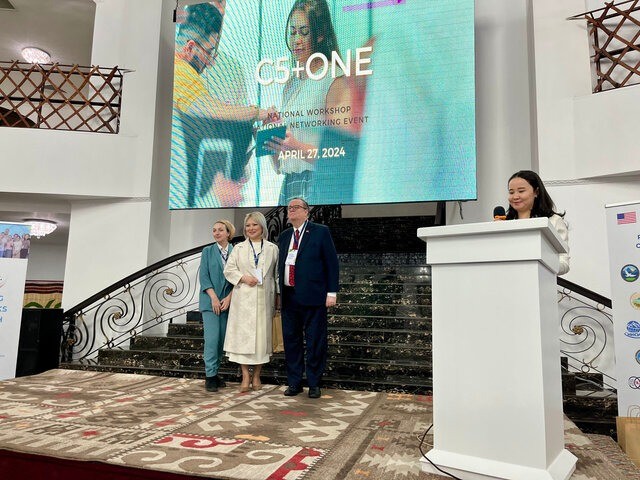
Last weekend, young and mid-career professionals in the energy and environment sectors, celebrated their completion of the U.S.-funded regional C5 + Opening Networks through English (C5 + O.N.E.) program. Spread throughout Kazakhstan, Kyrgyzstan, Tajikistan, Turkmenistan, and Uzbekistan, they were the first graduates of a nine-month intensive course in English and professional development implemented by the American Council for International Education with support from U.S. embassies. A total of around 1,100 participants in three cohorts are currently enrolled in the program which operates throughout Central Asia. The US Embassy in Kyrgyzstan reports that 189 professionals throughout the country are currently enhancing their English and professional skills through three weekly classes, supplemental field trips and online seminars. Some participants from Kyrgyzstan’s Cohort One are due to present their advanced, final projects at a regional C5 + O.N.E. conference this September in Tashkent. Cohort Two students will graduate in August 2024, and Cohort Three, will complete their studies later in November. Outlining the objectives of the U.S. government’s unique regional project, U.S. Ambassador to the Kyrgyz Republic, Lesslie Viguerie stated: “C5 + O.N.E. is a testament to the U.S. commitment under the C5 + 1 diplomatic platform to advance shared goals among Central Asian nations. This program builds networks that are essential in today’s globalized world.”
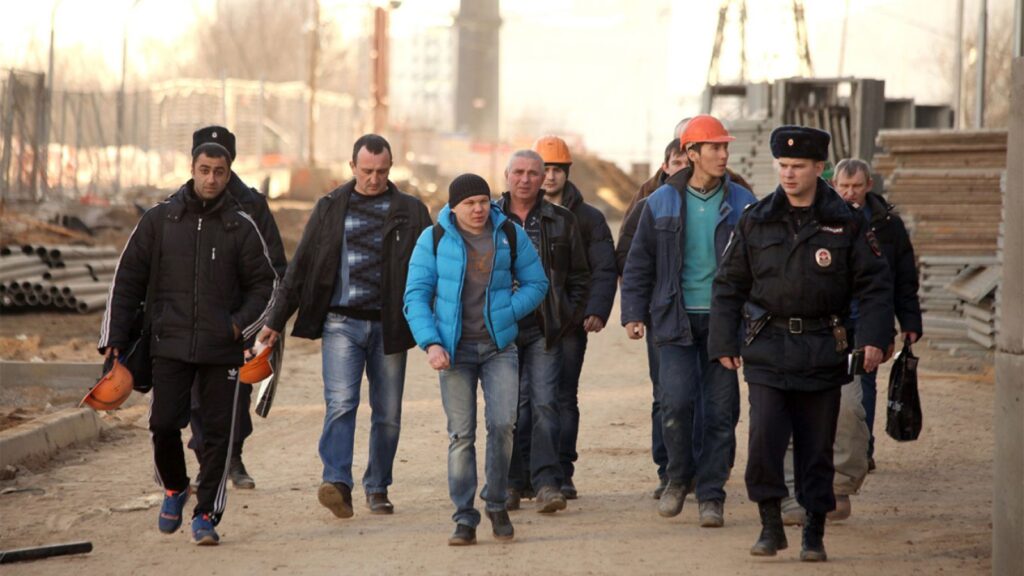
Foreign Minister of the Kyrgyz Republic, Zheenbek Kulubaev met with a representative of the Moscow Government, Sergey Cheremin, where they discussed the situation surrounding labor migrants in the Russian capital. Kulubaev spoke about the large number of Kyrgyz working in Moscow, most of whom are employed in wholesale and retail, construction, catering, hotel and hospitality services, and processing of industrial goods. According to the Ministry of Foreign Affairs, more than 200,000 Kyrgyz live in Greater Moscow, and according to unofficial data, the number is possibly two to three times that. Regulations on Kyrgyz citizens residing and working in Russia are governed by several bilateral agreements and treaties: Kyrgyz citizens can be employed under a civil-law contract without the need to obtain a labor permit; Kyrgyz citizens can also work in Russia using driver's licenses issued in their homeland. However, in the aftermath of the attack on the Crocus City Hall on March 22 - allegedly perpetrated by Tajik terrorists - the overall Russian attitude towards migrants who perform many essential jobs has changed, and local authorities want to tighten Russia's migration legislation. In late March, the Kyrgyz Foreign Ministry called on his compatriots to refrain from traveling to Russia until additional security measures are lifted. There are known cases when Kyrgyz citizens have been refused admission by the Federal Customs Service's passport control at Sheremetyevo International Airport. The migrants who flew in had their documents taken and were not allowed to enter Russia. Earlier, Cheremin said that the Kyrgyz diaspora occupies a very important place in social and cultural projects in the Russian capital, adding that many Kyrgyz work in high-tech industries.
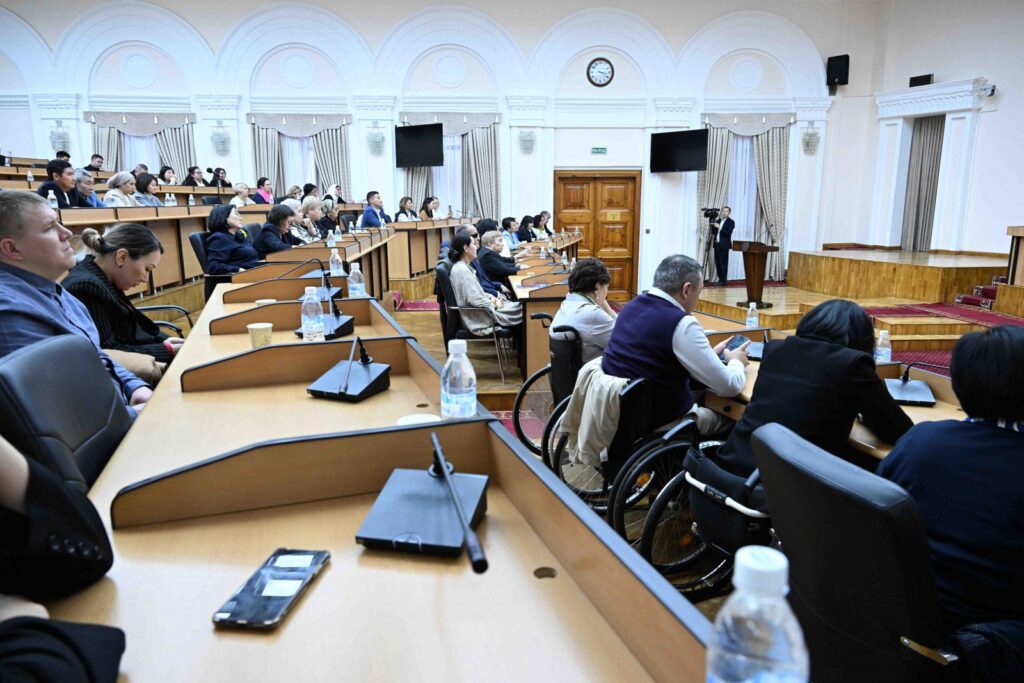
Deputy Chairman of the Cabinet of Ministers of the Kyrgyz Republic, Edil Baisalov met with representatives of domestic non-governmental organizations (NGOs), where he assured participants that the new Foreign Agent's Law is not aimed at restricting the work of NGOs. All rights and freedoms have been preserved, and human rights defenders can participate in the political life of the country, Baisalov stated. "The only thing required is to be on the register. This requirement is common around the world. There will be no persecution; no restrictions on activities. We are interested in the activities of [NGOs] for the benefit of our country," Baisalov said. Earlier, the Times of Central Asia reported on human rights activists concerns regarding reputational risks, possible interference by government agencies in the work of NGOs, and the risk of mandatory financial audits. There were also questions about the implementation of new legislative guidelines, most of which, according to opponents of the law, are not viable. The Kyrgyz Ministry of Justice responded to an inquiry from the Times of Central Asia, with officials saying that bylaws and rule-making for the new law are in the works. However, more detailed information will be provided later, when the updates and amendments are submitted for public discussion. In early April, Kyrgyz President Sadyr Japarov signed the law "On Foreign Representatives," which sparked a wave of criticism from foreign organizations, foreign governments, and NGOs working in Kyrgyzstan.
From the end of May the U.S. will restrict exports of all firearms to non-government entities in high-risk countries, including Kyrgyzstan, Kazakhstan and Tajikistan, according to a statement from the U.S. Department of Commerce. According to the statement, the Department’s Bureau of Industry and Security (BIS) has issued a regulation “amending the Department’s licensing policy for exports of firearms, ammunition, and related components under its jurisdiction.” The decision concerns export to non-governmental organizations. Kyrgyzstan, Kazakhstan and Tajikistan are among 36 countries included on the list of high-risk nations. As part of the new changes to the regulations, the administration is also shortening the validity period of arms export licenses to one year from four years. The changes are aimed at reducing the risk of increasing instability in the regions of the world through the illicit use of American weapons.
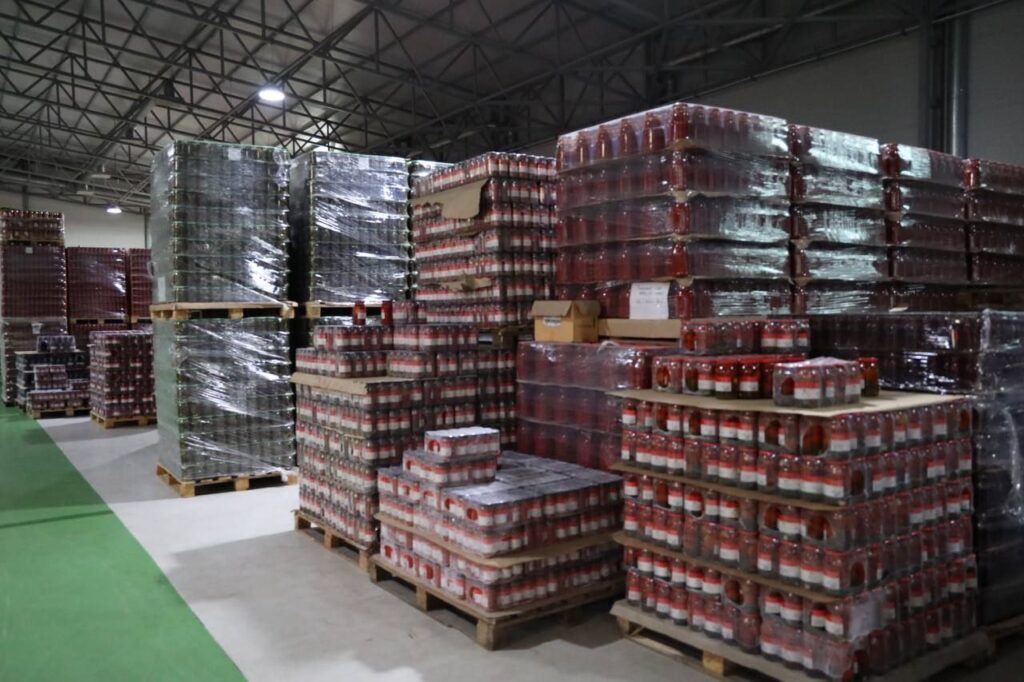
The Kyrgyz Ministry of Agriculture, Forestry and Water Resources has urged more domestic businesses to establish and expand trade in agricultural produce with the People's Republic of China (PRC). Kyrgyz farmers and processors currently export wheat flour, cherries, melons, grapes and soybeans to China and to increase food exports, the ministry has issued a series of guidelines. Entrepreneurs and small-business owners must first be registered on the website of the General Customs Administration of the PRC, and to satisfy Chinese demand, ensure that their produce is devoid of genetically modified organisms (GMOs) and harmful additives. "It should be noted that requirements on the Chinese side differ according to risks posed by individual plant products," warned the Kyrgyz Ministry of Agriculture, "and conducts a comprehensive inspection of produce provided by first-time exporters." In his address at an earlier conference in Bishkek, Chinese Ambassador to Kyrgyzstan Du Dewen confirmed China's need for imports from organic agriculture vendors and plans to improve trade relations with Kyrgyzstan. According to the General Customs Administration, Kyrgyzstan increased its annual export to China by over two-fold in the first quarter of 2024, and total bilateral trade turnover stands at $4.5 billion per year. In a recent list provided by Chinese authorities, Beijing requires beef, poultry, fish, as well as cowhides, sheep, goats, and washed wool and cashmere.
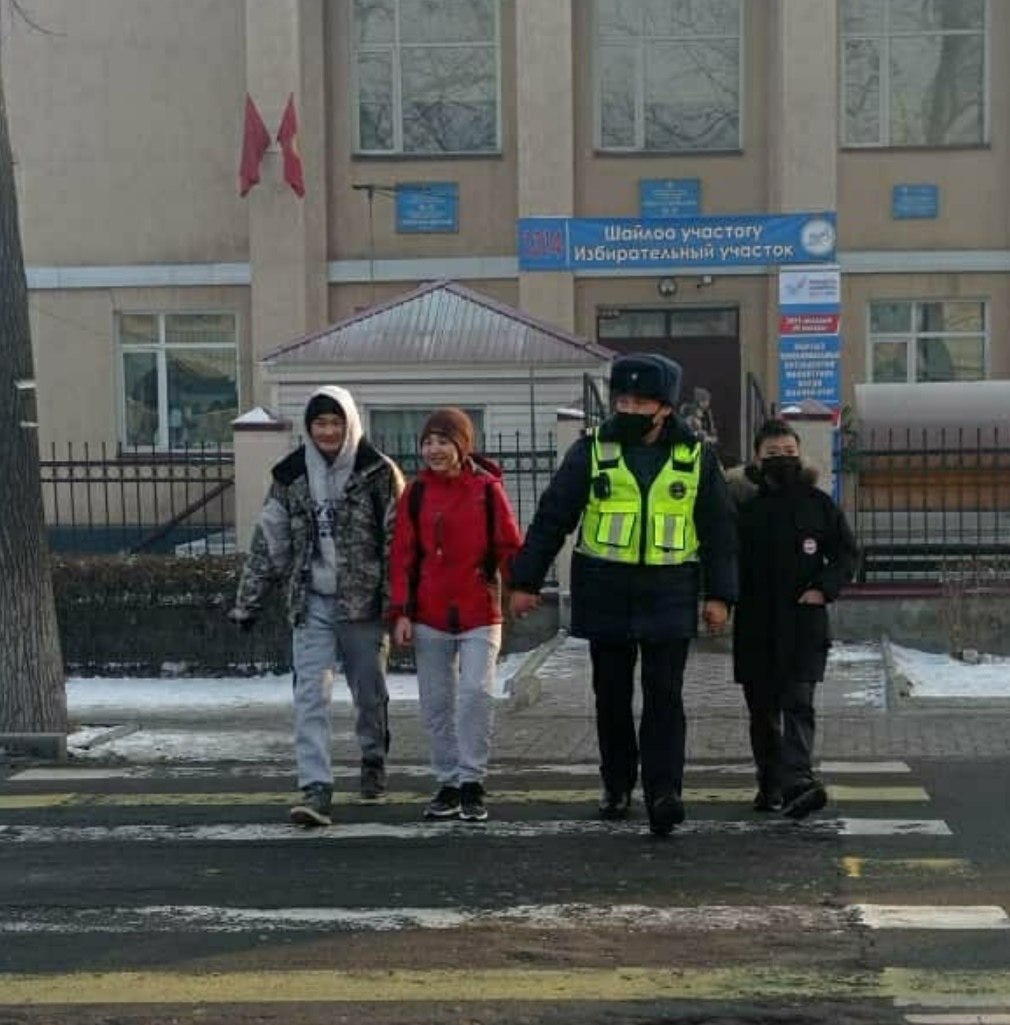
The Director of the Situation Centre of the Kyrgyz Republic, Joldoshbek Mambetaliyev, has issued a harrowing report that since 2021, more than 2,000 people including 316 children, have been killed on roads in Kyrgyzstan. Research by the centre cites the prime causes as poor road surfaces, insufficient lighting, lack of road signs and parapets, alongside non-compliance with speed limits and dangerous driving. Mambetaliyev also stressed that lack of knowledge and non- adherence to traffic rules amongst drivers were major contributing factors given that over a third of accidents were caused by overtaking, violating crosswalk rules, driving on the wrong side of the road and driving under the influence of alcohol. More than 20 percent of accidents were caused by speeding. The Situation Centre recommended that in order to reduce the number of road accidents, the government must collaborate with local authorities to develop a safer and more comprehensive infrastructure. Mambetaliyev concluded, "Road safety depends directly on the responsible behaviour of all road users... It is important to conduct awareness-raising activities among the population to reduce accidents on the roads." Kyrgyzstan's Situation Centre currently monitors key events and incidents on roads throughout the country in real time, followed by in-depth analyses.