• KGS/USD = 0.01143 0%
  • KZT/USD = 0.00213 0%
  • TJS/USD = 0.10593 0.47%
  • UZS/USD = 0.00008 0%
  • TMT/USD = 0.28571 0%
  • KGS/USD = 0.01143 0%
  • KZT/USD = 0.00213 0%
  • TJS/USD = 0.10593 0.47%
  • UZS/USD = 0.00008 0%
  • TMT/USD = 0.28571 0%
  • KGS/USD = 0.01143 0%
  • KZT/USD = 0.00213 0%
  • TJS/USD = 0.10593 0.47%
  • UZS/USD = 0.00008 0%
  • TMT/USD = 0.28571 0%
  • KGS/USD = 0.01143 0%
  • KZT/USD = 0.00213 0%
  • TJS/USD = 0.10593 0.47%
  • UZS/USD = 0.00008 0%
  • TMT/USD = 0.28571 0%
  • KGS/USD = 0.01143 0%
  • KZT/USD = 0.00213 0%
  • TJS/USD = 0.10593 0.47%
  • UZS/USD = 0.00008 0%
  • TMT/USD = 0.28571 0%
  • KGS/USD = 0.01143 0%
  • KZT/USD = 0.00213 0%
  • TJS/USD = 0.10593 0.47%
  • UZS/USD = 0.00008 0%
  • TMT/USD = 0.28571 0%
  • KGS/USD = 0.01143 0%
  • KZT/USD = 0.00213 0%
  • TJS/USD = 0.10593 0.47%
  • UZS/USD = 0.00008 0%
  • TMT/USD = 0.28571 0%
  • KGS/USD = 0.01143 0%
  • KZT/USD = 0.00213 0%
  • TJS/USD = 0.10593 0.47%
  • UZS/USD = 0.00008 0%
  • TMT/USD = 0.28571 0%

Viewing results 1 - 6 of 107

Uzbek Female Scientist Awarded Gold Medal at SVIIF 2024

The Silicon Valley International Invention Festival (SVIIF) was held in Santa Clara, California, United States, from July 26 to 28 this year. According to UzA, Parahat Matyakubova, head of the Tashkent State Technical University, an Uzbek woman scientist, participated for the first time. More than 350 inventors from over 30 countries participated in the SVIIF 2024 festival, exhibiting their inventions and innovative developments in various fields of technology, food, medicine, chemistry, and industry. The Uzbek scientist demonstrated her scientific work and achieved results based on her invention, “Capacitive moisture meter for liquid products and pool materials,” at a competition organized within the festival's framework, wherein Matyakubova was awarded the Inventor Specialist Special Prize and a gold medal in the SVIIF-2024 Finals category. The scientist received this award for her patent on a device for controlling the moisture content of grain products and solid dispersion materials. It was reported that the results of the invention were introduced to enterprises processing grain products, and a high level of economic efficiency was achieved due to the expansion of functional capabilities.

Innovating in Uzbekistan: Council Aims to Nurture Young Scientists

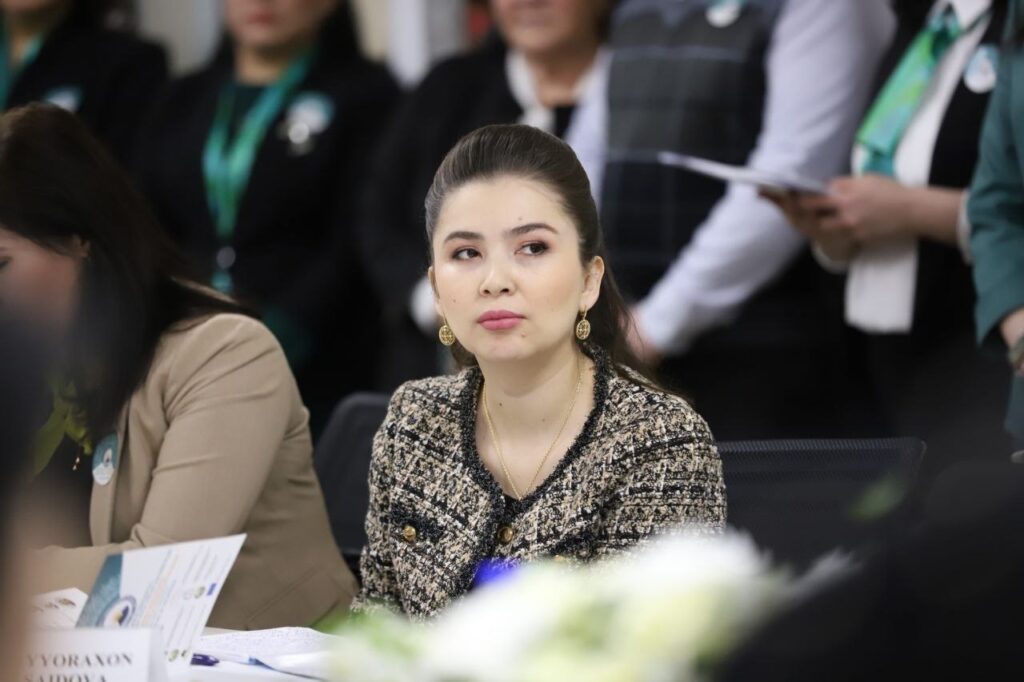
TASHKENT, Uzbekistan - Uzbekistan has this to say to any young Uzbek citizen interested in science: Step up and collaborate. Uzbekistan’s Council of Young Scientists, or CYS, is seeking to expand the ranks of fledgling scientists, overseeing financial and other support as well as programs to attract researchers. The group, founded in 2017 under a presidential initiative, had more than 10,000 members in 2022 and the number has tripled since then, according to director, Sayyora Saidova. In an interview with The Times of Central Asia, Saidova talked about the surge of interest in science in Uzbekistan. “Even though the age limit for membership in the organization is 30, scientists under 45 are also members of our organization,” said Saidova, who has a PhD in philosophy. “We are ready to accept every young person interested in science as a member of the organization. In most cases, young scientists apply to CYS to find a scientific supervisor.” The non-governmental group has organized free online and in-person conferences, offering a platform for young people to publish articles that are checked for quality by an editorial board. Young inventors are encouraged through forums and competitions, and it helps to patent their ideas, Saidova said. The council introduced the “PhD sari qadam” (Step to PhD) project through social networks to support aspiring female scientists. In its second season, organizers selected a hundred women who were trained for two months on how to complete a PhD. Saidova spoke to The Times of Central Asia, or TCA, after the project’s closing ceremony on April 5. Dilorom Mamadjanova, a participant in the “PhD sari qadam” project, said Uzbekistan offers adequate opportunities for young researchers. “In our country, as in countries such as Germany, Finland, and the Czech Republic, doctoral students do not pay any fees,” said Mamadjanova, a PhD student at Tashkent State Pedagogical University. However, she pointed out difficulties. “In some higher education institutions, doctoral students are required to come to the university every day, [as] daily attendance is taken,” she said in written remarks to TCA. “I believe that doctoral students should spend time in research facilities for their research work - libraries and similar places useful for dissertation work.” Mamadjanova also noted that there were “small obstacles” when a doctoral student wants to use the database of another university’s library and is required to get a letter of application from his or her own university in order to do so. “I believe that this is a time-consuming, bureaucratic process,” she said. Saidova said the Council of Young Scientists cooperates with the Ministry of Innovation, helping young researchers in chemistry and physics get permission to use laboratories and access international literature. “Although CYS does not have its own fund, it participates in many state and international grants. We directly mediate between international organizations and researchers,” Saidova said. “Last year, the UNICEF organization announced a grant to fight against corruption. CYS brought together all young scientists doing scientific work in this field. The organization directly helped young...

Nurturing Global Partnerships – Opinion by the Minister of Science and Higher Education of the Republic of Kazakhstan, Sayasat Nurbek

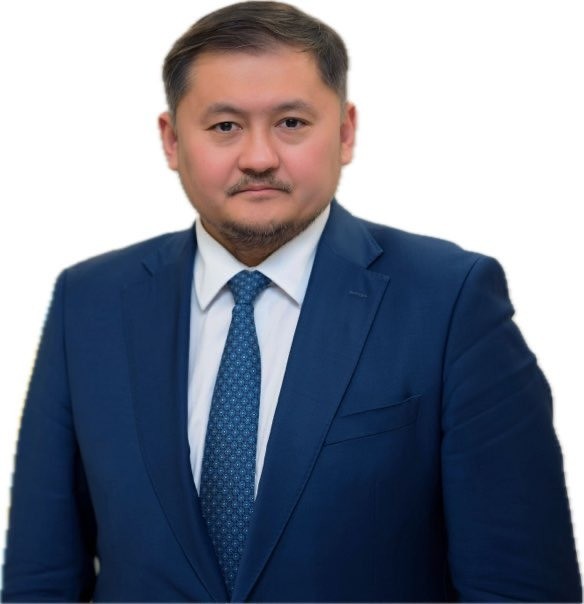
Kazakhstan, a sprawling and culturally diverse nation nestled in Central Asia, has strategically embraced a multi-vector policy across its foreign relations, economic strategies, and governance. At the heart of this strategy lies Kazakhstan's multi-vector policy in education, a forward-thinking initiative that underscores the nation's commitment to diversification, international collaboration, and educational modernization. International partnerships form a cornerstone of Kazakhstan's educational framework, enriching its academic landscape and fostering innovation. The country has established strategic alliances with prestigious universities, research institutions, and governmental bodies worldwide. Through collaborative endeavors such as joint research ventures, student and faculty exchanges, the implementation of international educational programs, and the establishment of branches of foreign universities within Kazakhstan, the nation endeavors to harness global expertise and best practices to elevate the caliber of its education system.   Multi-Vector Policy in Education Over the past year alone, Kazakhstan has witnessed the opening of eight foreign branches, bringing the total to twelve. The first foreign university established its branch is British De Montfort University. This university opened its doors for its students in 2021, offering educational programs for more than 500 students in such fields as finance, design and business. This branch attracted 16 million US dollars from foreign investors. Noteworthy among these initiatives is Kazakhstan's adoption of a strategic partnership model, which has yielded tangible outcomes. Kozybayev University's collaboration with the University of Arizona in 2022 is a prime example. With 589 students enrolled across ten specialties – spanning pedagogical, biotechnological, and IT domains – this partnership, supported by 1200 full scholarships from the government, signifies a concerted effort to enhance educational opportunities and foster interdisciplinary learning. Similarly, the formation of a consortium in 2022 with renowned German universities, operating under the auspices of the Caspian Engineering and Technology University named after Sh. Yesenov, underscores Kazakhstan's commitment to excellence in engineering education and technological innovation. Offering a diverse array of programs encompassing engineering fields, data management, artificial intelligence, and beyond, this consortium exemplifies Kazakhstan's proactive approach to equipping its citizens with cutting-edge skills and expertise. Established in 2023 at Zhubanov university, the Heriot Watt University branch offers an array of programs in vital fields such as petroleum engineering, electrical power engineering, and computer engineering, boasting an impressive enrollment of 286 students from 13 Kazakhstan regions. The Luban Workshop initiative at Serikbayev University exemplifies Kazakhstan's commitment to advancing its automotive education and training capabilities. This initiative, supported by foreign partners, aims to establish state-of-the-art laboratories specializing in automotive transport. These facilities will serve as a platform for incorporating modern Chinese technological advancements into the curriculum, thereby enhancing the quality of education for future automotive specialists. The project also seeks to foster academic and research collaborations with esteemed Chinese educational institutions, paving the way for the development of dual-degree programs, joint research projects, and other collaborative efforts that will enrich the automotive sector's expertise and innovation. The advent of artificial intelligence (AI) has sparked discussions about its potential impact on the workforce and society at large. In response to this...

Kyrgyzstan: US Embassy to open renovated Maker Space Lab and Fair in Bishkek

BISHKEK (TCA) — On November 15, the U.S. Embassy in Kyrgyzstan together with the Bayalinov Republican Youth and Children’s Library will cut the ribbon for an upgraded and renovated Maker Space Science Lab and Fair at the Bishkek American Center. The initial Maker Space lab was opened on September 26, 2017 at the Bayalinov library with the support of the U.S. Embassy. Continue reading

Uzbekistan holding forum on its cultural heritage

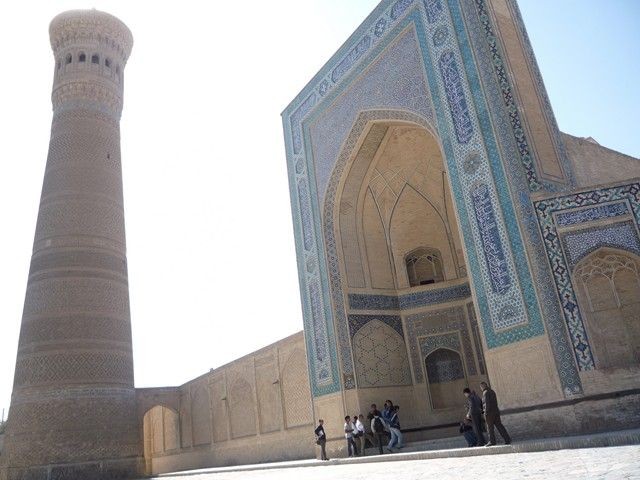
TASHKENT (TCA) — On May 15 and 16, Tashkent and Samarkand are holding an international scientific and cultural congress "Cultural heritage of Uzbekistan is the way for dialogue between peoples and countries", the Jahon information agency reports. Continue reading

Kazakhstan’s national, int’l stakeholders discuss implementing SDGs

ASTANA (TCA) — Nazarbayev University in Astana on November 21 hosted a round-table meeting which explored the theme “Policy and Research for the implementation of the Sustainable Development Goals (SDGs) in Kazakhstan”. The meeting was part of a series of other events that raise awareness about the Sustainable Development Goals (SDG), enabling countries to tailor the Goals to their needs. The meeting was organized by Nazarbayev University, United Nations Development Programme, National Analytical Centre and Regional Hub of Civil Service in Astana. Continue reading