• KGS/USD = 0.01144 0%
  • KZT/USD = 0.00205 0%
  • TJS/USD = 0.10785 0.09%
  • UZS/USD = 0.00008 0%
  • TMT/USD = 0.28571 0.28%
  • KGS/USD = 0.01144 0%
  • KZT/USD = 0.00205 0%
  • TJS/USD = 0.10785 0.09%
  • UZS/USD = 0.00008 0%
  • TMT/USD = 0.28571 0.28%
  • KGS/USD = 0.01144 0%
  • KZT/USD = 0.00205 0%
  • TJS/USD = 0.10785 0.09%
  • UZS/USD = 0.00008 0%
  • TMT/USD = 0.28571 0.28%
  • KGS/USD = 0.01144 0%
  • KZT/USD = 0.00205 0%
  • TJS/USD = 0.10785 0.09%
  • UZS/USD = 0.00008 0%
  • TMT/USD = 0.28571 0.28%
  • KGS/USD = 0.01144 0%
  • KZT/USD = 0.00205 0%
  • TJS/USD = 0.10785 0.09%
  • UZS/USD = 0.00008 0%
  • TMT/USD = 0.28571 0.28%
  • KGS/USD = 0.01144 0%
  • KZT/USD = 0.00205 0%
  • TJS/USD = 0.10785 0.09%
  • UZS/USD = 0.00008 0%
  • TMT/USD = 0.28571 0.28%
  • KGS/USD = 0.01144 0%
  • KZT/USD = 0.00205 0%
  • TJS/USD = 0.10785 0.09%
  • UZS/USD = 0.00008 0%
  • TMT/USD = 0.28571 0.28%
  • KGS/USD = 0.01144 0%
  • KZT/USD = 0.00205 0%
  • TJS/USD = 0.10785 0.09%
  • UZS/USD = 0.00008 0%
  • TMT/USD = 0.28571 0.28%

Viewing results 1 - 6 of 1033

Tajikistan and EU Enter Third Round of Negotiations on Partnership and Cooperation

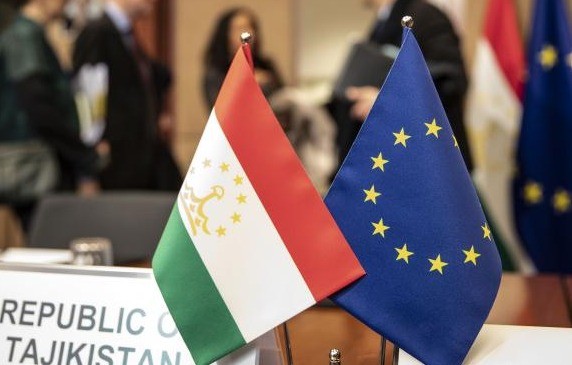
On April 8 and 9, Luc Devigne, Deputy Managing Director for Europe and Central Asia at the European External Action Service, and Ismatullo Nasredin, First Deputy Minister of Foreign Affairs of Tajikistan convened in Dushanbe for a third round of negotiations on a new comprehensive framework for strengthening their bilateral relations. According to the Delegation of the European Union to Tajikistan, the negotiations for an Enhanced Partnership and Cooperation Agreement (EPCA), launched in February 2023, represent an important milestone in the EU’s relations with Tajikistan. In line with the EU-Central Asia Strategy, it aims to strengthen cooperation regarding political relations, trade, key economic sectors, as well as the rule of law and human rights. The EU Delegation reported that substantial progress had been made during the third round of negotiations between European Union and Tajikistan, and in the future, the EU-Tajikistan Partnership and Cooperation Agreement, in place since 2010, will be known as the EPCA.

Turkey Cancels Visa-Free Regime for Citizens of Tajikistan

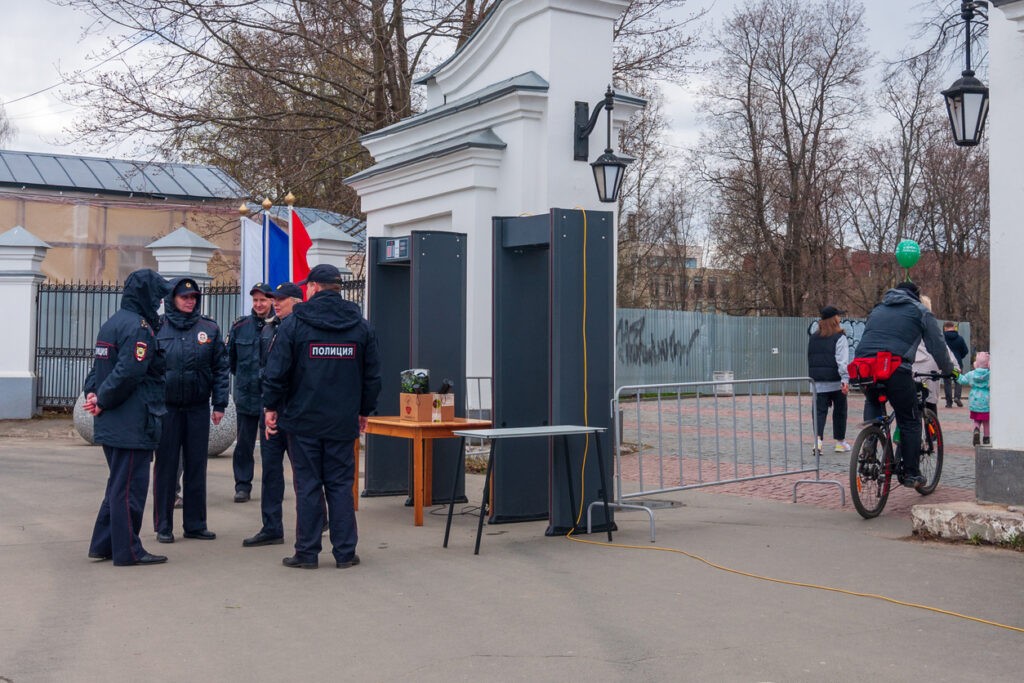
From 20 April, citizens of Tajikistan will have to obtain a visa to travel to the Republic of Turkey. That's according to a decree signed by Turkish President, Recep Tayyip Erdogan. The reasons for this decision remain unclear, but it's noted that the visa regime is a temporary measure. Entry documents will be issued in Dushanbe and at other Turkish diplomatic missions. Those traveling through Turkey in transit will not require a visa. Tajik Foreign Ministry spokesman, Shohin Samadi, said as of April 6, Dushanbe had not received an official notification from Turkey regarding the introduction of a visa regime. Nevertheless, he said, the issue of retaliatory measures for Turkish citizens is being worked out.  Up until this juncture, residents of the two countries could stay on the territory of the other for up to 30 days without a visa. Some Russian media rushed to link these innovations with the March 2024 terrorist attack at the Crocus City Hall, which killed 144 people and injured 551. Among the 11 people arrested on suspicion of the terrorist attack, the majority are citizens of Tajikistan. According to various sources, the cell of Islamic State (ISIS) in Afghanistan - also known as "Wilayat Khorasan" - which claimed responsibility for the incident, was training terrorists inside of Turkey. To that point, Turkish newspaper Hurriyet wrote that two supporters of ISIS who were planning to carry out a attack were detained in Istanbul. Among them was a 37-year-old citizen of Tajikistan. On March 26, Turkish Interior Minister, Ali Yerlikaya, said that 147 people were detained on suspicion of links with the terrorist organization. Following the attack on the Crocus City Hall near Moscow, Tajiks in Russia faced a wave of aggression and hatred. Tajikistan's Government is urging its citizens to avoid traveling to Russia unless necessary, and in light of possible Russian rule changes targeting migrant workers from Central Asia, many Tajiks and others may be ready to leave Russia.

Uzbeks, Tajiks Expelled from Chechnya; Turkey Releases Uzbek Suspect

Turkish local law enforcement agencies have reported the arrest of 70 people suspected of being members of the international terrorist group, Islamic State (ISIS). According to the Telegram channel of the press service of the Consulate General of Uzbekistan in Istanbul, a 39-year-old citizen of Uzbekistan, born in the the Andijan region, was among those arrested. As a result of the intervention of lawyers, the suspect was able to prove that he was not connected to any terrorist group, and he was subsequently released. Also, according to EuraAsia Daily, since the beginning of 2024 Chechen bailiffs have expelled 38 foreigners without documents confirming their right to remain in Russia who had refused to leave the country after the deadline passed. According to the press service of the Russian federal bailiff service for the Republic of Chechnya, the majority of expelled illegal immigrants were citizens of Uzbekistan and Tajikistan. All expelled foreigners will not be legally able to enter the territory of the Russian Federation for five years.

Central Asia Counts the Cost of Drug Trafficking

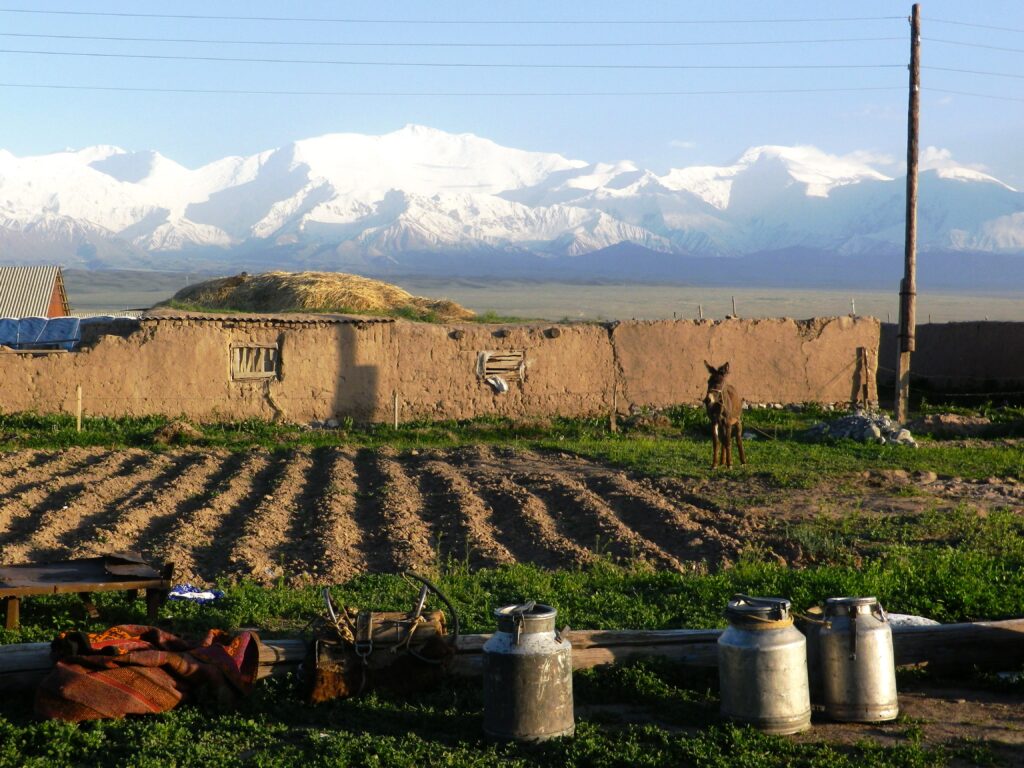
Speaking at the 67th session of the UN Commission on Narcotic Drugs in March, Zafar Samad - director of the Narcotics Control Agency under the President of Tajikistan - admitted that vast quantities of drugs are being smuggled to Europe and Russia through Tajikistan’s “northern route.” In other Central Asian nations, increased efforts are being made to curtail the problem. Kazakhstan, for example, is strengthening its legal systems and policies to effectively counter the laundering of proceeds from drug trafficking in cooperation with the United Nations Office on Drugs and Crime (UNODC). The Kazakh government also recently approved a Comprehensive Plan to Combat Drug Addiction and Trafficking. Given its long and porous border with Afghanistan, however, the problem in Tajikistan remains acute. “The increase in the volume of drug seizures in Tajikistan indicates that there are large stocks of drugs in the northern provinces of Afghanistan intended for shipment along the northern route,” Samad stated. Smugglers are “assessing the situation and exploring the possibilities of transporting drugs into Tajikistan, taking into account the measures taken by the Tajik Government to strengthen the Tajik-Afghan border by creating new border facilities.” This year will see the adoption of a CSTO program aimed at fortifying the border between Tajikistan and Afghanistan. However, the “northern route” - sometimes called the “Heroin Highway” - has a long and checkered history, which has not always led to interstate cooperation. [caption id="attachment_16236" align="aligncenter" width="495"] The village of Karakul, GBAO[/caption]   The Pamir Highway route was established in the 1990s, opening up new avenues for suppliers following the collapse of the Soviet Union. Beginning in the Kyrgyz second city of Osh, the highway - the second highest international road in the world - traverses the length of Tajikistan and down through the south of Uzbekistan before terminating in Afghanistan. An estimated 15 tons of opium and 80 tons of heroin are trafficked through Tajikistan each year, the majority passing through the poverty-stricken, self-governing Gorno-Badakhshan Autonomous Oblast (GBAO) along a desolate mountainous route known locally as Bam-i-Dunya - the Roof of the World. Said by locals to be older than Rome, Osh is a dusty spread of Soviet-era buildings adorned with satellite dishes and murals of MIG fighter jets and Misha the Bear. Having long been dubbed one of the drug capitals of Central Asia, Kalashnikov-wielding soldiers guarded cafés after dark. An ancient Silk Road route in use for millennia, the modern Pamirsky Trakt was completed in 1937. From Osh, the red soil highway ascends to the windswept mud-brick hamlet of Sary Tash, a major stopover on the smuggling route where the roads to Kashgar in China and the border with Tajikistan converge. Despite covering 45% of its landmass, the self-governing Gorno-Badakhshan Autonomous Oblast (GBAO) is home to just 3% of the population of Tajikistan. The only Central Asian country to have descended into civil war following the collapse of the USSR, the Pamiris chose the losing side, with the five-year-long conflict leaving approximately 100,000 dead and 1.2 million...

Turkmenistan Poised to Supply Energy Resources to Tajikistan

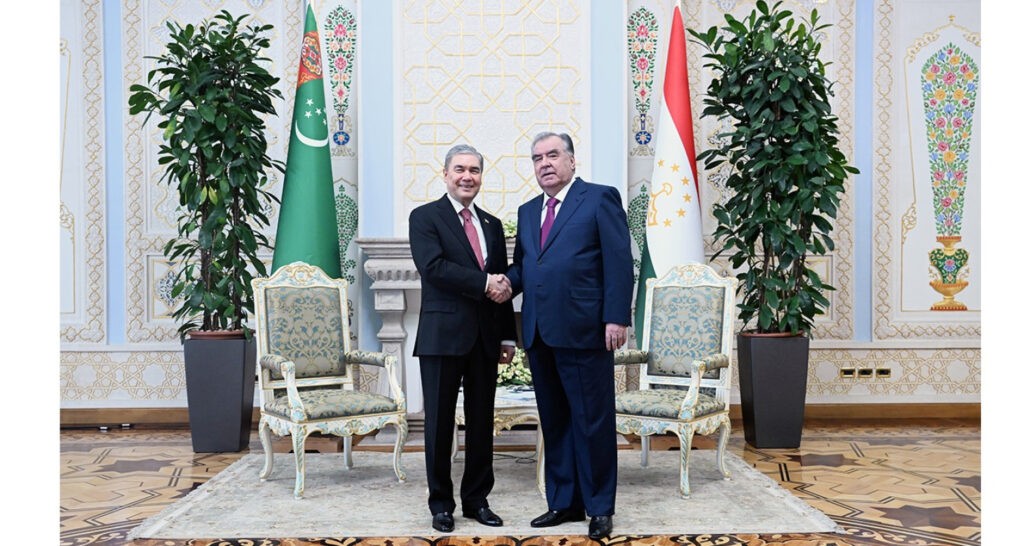
Energy-rich Turkmenistan is now ready to increase its supply of oil products, as well as electricity and natural gas to Tajikistan through the territory of Uzbekistan. The announcement was made by Gurbanguly Berdimuhamedov, chairman of Turkmenistan’s People’s Council, during negotiations with Tajikistan President Emomali Rahmon in Dushanbe on April 4th. With an emphasis on the need to increase bilateral trade, the meeting focused on the expansion of Tajik-Turkmen cooperation in oil and gas, chemistry, industry, and agriculture. Berdimuhamedov identified transport as a priority vector in the two countries’ partnership stating, “Today there is every opportunity to intensify cooperation to create a transport route from Tajikistan to Turkmenistan’s Caspian coast, with further access to Iran and on to the Persian Gulf and Turkey. This is the shortest route from China to Europe and the Middle East.” The two leaders also addressed environmental issues and in particular, strengthening the International Fund for Saving the Aral Sea (IFAS); a key structure aimed at ensuring cooperation in improving the environmental and socio-economic situation in the Aral Sea region.

New Somon Air Flights from Dushanbe to Astana

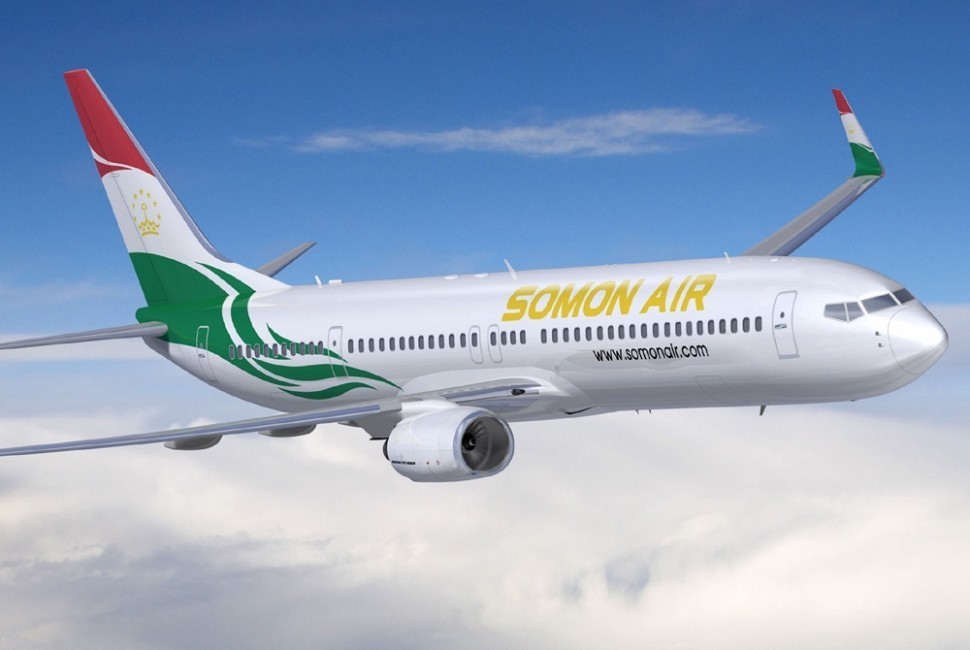
On 2 April, Somon Air launched direct flights between the capitals of Kazakhstan and Tajikistan. Direct flights between Astana and Dushanbe will now operate twice a week on Tuesdays and Fridays. Praising the initiative, Kazakhstan’s Ministry of Transport stated that the Astana-Dushanbe air route will have a significant impact on furthering the development of trade, business, investment and tourism between Kazakhstan and Tajikistan. Somon Air currently operates regular flights between Tajikistan and Germany, the United Arab Emirates, Turkey, China, India, Saudi Arabia, Iran, Russia, Kazakhstan, and Uzbekistan. The airline’s fleet consists of Boeing 737-800 and Boeing 737-900 aircraft.