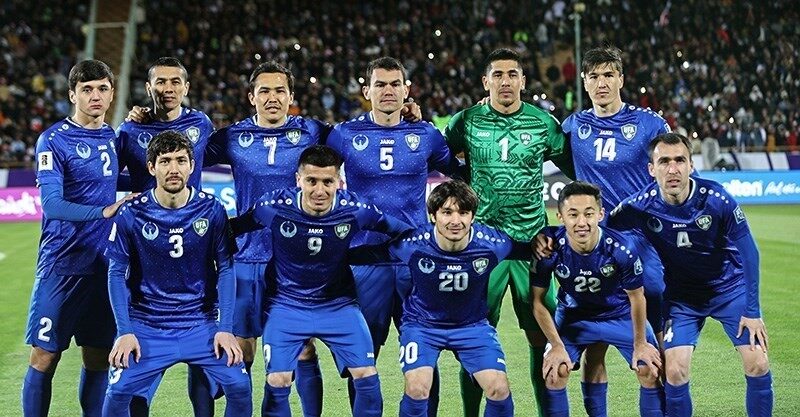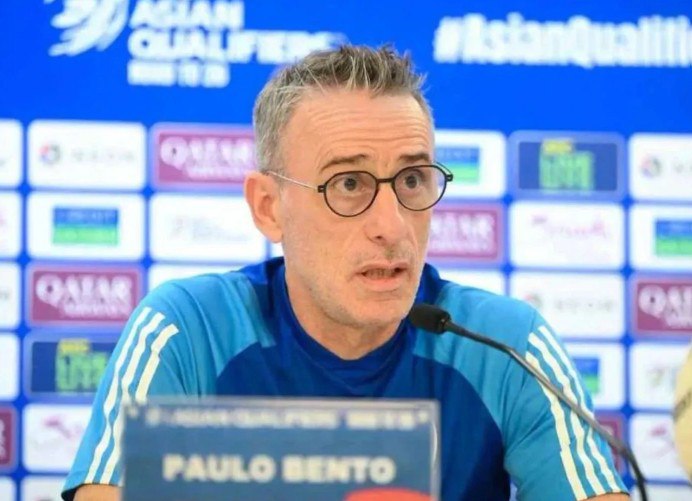
Reports regarding Uzbekistan’s search for a new head coach for its national football team have taken a significant turn, with Paulo Bento, former manager of South Korea and Portugal, emerging as a leading candidate, according to Football-Asian.
The Uzbekistan Football Association (UFA) is seeking a seasoned tactician to lead the team during its landmark debut at the 2026 FIFA World Cup. Initial approaches to high-profile names such as Germany’s 2014 World Cup-winning coach Joachim Löw and veteran Turkish manager Fatih Terim failed to yield results. Attention has since shifted to Bento, a 56-year-old Portuguese coach with a strong international and club-level résumé.
Bento previously guided Portugal to the semi-finals of Euro 2012 and led South Korea to the Round of 16 at the 2022 World Cup in Qatar. His coaching career also includes stints with clubs in Portugal, Brazil, Greece, and China, as well as a recent tenure with the UAE national team. For Uzbekistan, which qualified for the World Cup for the first time this year, Bento’s tournament experience and tactical acumen are considered valuable assets.
“Whether Bento accepts the challenge of leading Central Asia’s standard-bearers remains to be seen, but the very fact he is in the frame underlines Uzbekistan’s determination to think big,” Football-Asian reported.
Current manager, Timur Kapadze, who led Uzbekistan to their first World Cup finals appearance, has dismissed rumors that he is to be replaced. “No one from the Football Association has informed me of anything. There was no talk about bringing someone in. It’s hard for me to comment on this news,” Kapadze stated.
Domestic Football Reforms Underway
In parallel with their reported search for a new coach, Uzbekistan is undertaking structural reforms to strengthen its football development pipeline. A recent presidential decree mandates the creation of a “Legionnaires’ Club” under the UFA, aimed at uniting Uzbek footballers and specialists with experience abroad.
These members will collaborate with local academies and football schools to share their expertise. In support of these efforts, state-owned land plots will be allocated under public-private partnerships to help them establish football academies and clubs throughout the country.