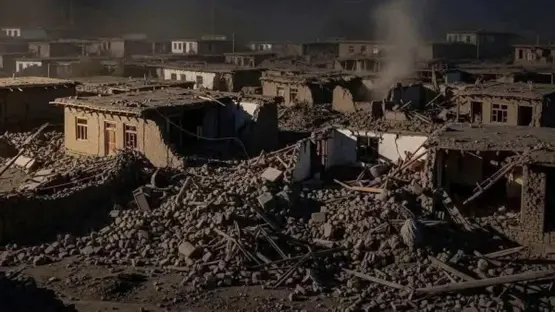
As United Nations officials warn of shrinking resources for humanitarian work, Uzbekistan has handed over 256 tons of medicine and food to Afghanistan to help survivors of an August 31 earthquake that killed at least 2,200 people.
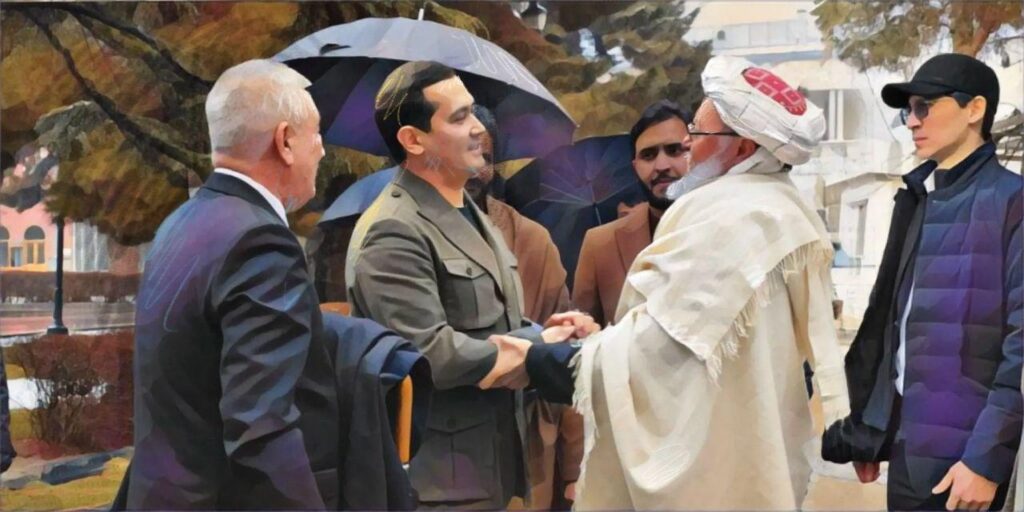
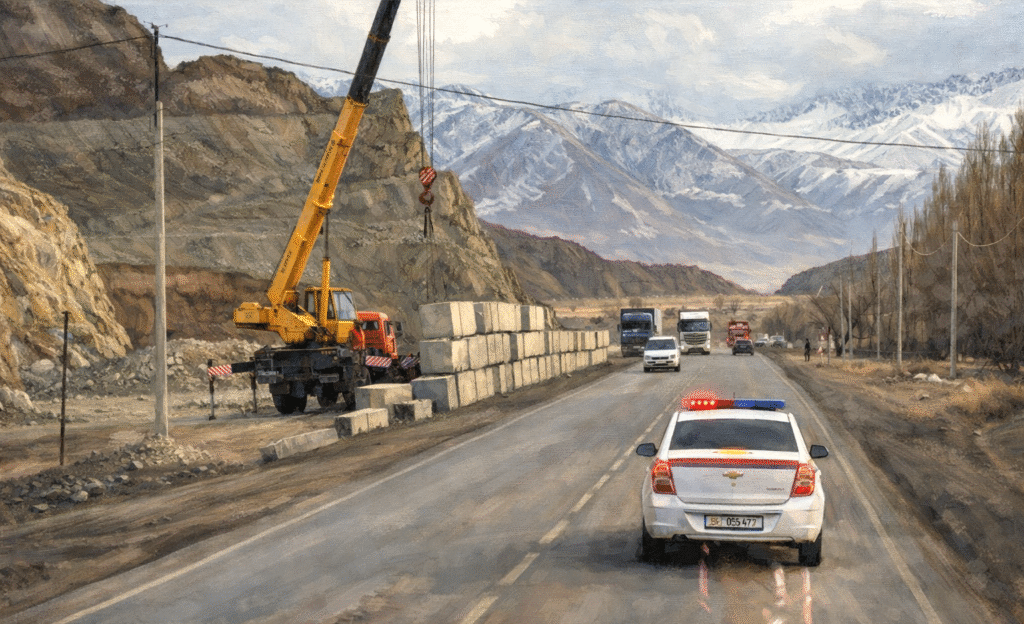
The aid was organized in the Uzbek city of Termez and delivered in a convoy of 14 trucks to Hairatan, a city in Balkh province in Afghanistan that lies just across the border from Termez, Uzbekistan’s Ministry of Foreign Affairs said. A ceremony was held in Hairatan on Saturday to mark the handover.
“This assistance was directed in response to the devastating earthquake that shook the eastern provinces — primarily Kunar and Nangarhar, as well as certain areas of Laghman, Nuristan, and Panjshir,” the Uzbek ministry said.
It said that officials from Afghanistan and Uzbekistan “agreed on mechanisms to ensure the targeted delivery and fair distribution of humanitarian assistance.”
Some international donors have previously expressed concern that Afghanistan’s Taliban government diverts aid for its own purposes rather than delivering it to those most in need.
Turkmenistan said it sent humanitarian aid to Afghanistan from Ashgabat International Airport on Friday.
Turkmenistan’s Ministry of Foreign Affairs said in a statement that food, clothing and other essential goods were sent “primarily to children and residents affected by the natural disaster,” though it didn’t say how much assistance was provided.
Other countries have also provided aid or made pledges to do so. The Iranian Red Crescent Society has sent several shipments, each containing dozens of tons of humanitarian assistance, to Afghanistan. China has said it will provide about $7 million in aid. The European Union has said it approved 1 million euros in humanitarian emergency funding and was also donating 130 tons of relief supplies to Afghanistan.
But Tom Fletcher, the U.N.’s relief chief, said that the relief supplies provided so far and critical initial funding isn’t enough to deal with the quake’s massive destruction and displacement of large numbers of people.
“Failing to rally resources now will mean deeper suffering and more lives lost, with winter fast approaching,” Fletcher said on Friday.
The Taliban government has imposed rules making it difficult for female aid workers to help with quake relief efforts, according to the Human Rights Watch group.
However, Dr. Abdul Mateen Sahak, a local leader of the U.N. World Health Organization in Afghanistan, said women as well as men were involved in rescuing people in the first few days after the earthquake, indicating that the disaster “briefly broke down barriers,” according to a U.N. account.
Sahak said he did not see female patients being denied care. But he said a big problem is the exodus from the country of female specialist doctors and other professional women since the Taliban took power again in 2021, making it hard to find staff to help with such disasters.