According to the Kyrgyz Ministry of Water Resources, Agriculture, and Processing Industry, which oversees national food security through agricultural production monitoring, domestic production now fully covers the nation’s sugar needs, turning what was once a chronic import dependency into a cautious success story of agro-industrial revival.
Soviet Legacy
In Soviet times, despite Kyrgyzstan’s southern position and thanks to large quantities of glacier water, the republic grew a large quantity of sugar beets. Kyrgyzstan’s sugar-beet fields fed a network of processing plants that supplied not only the republic itself but also part of the wider region.
The collapse of that system in the 1990s left the sector fragmented: beet acreage shrank, equipment aged, and the country increasingly turned to imported raw cane sugar and white sugar, often refined abroad.
With the continued operations of the Kaindy-Kant sugar factory and the relaunch of the Koshoi factory in 2017, a partial turnaround began in the late 2010s, backed by development funds and state support. The explicit goal was to rebuild a domestic value chain and reduce exposure to price swings and supply disruptions in neighboring markets.
A story of tariffs
For much of the 2010s and early 2020s, Kyrgyz sugar plants depended on raw cane sugar imports, which they processed into refined sugar for the domestic market.
When Kyrgyzstan joined the Eurasian Economic Union (EAEU) in 2015, it adopted the bloc’s Common Customs Tariff but secured a sugar-specific concession. For five years after accession, the country could import up to 100,000 tons of raw cane sugar per year, on condition that the resulting white sugar remained in Kyrgyzstan and was not re-exported into other EAEU states.
Once that transition period expired in 2020, Bishkek continued to receive targeted support. In 2022, the Eurasian Economic Commission (EEC) extended 0% customs duty on imports of white sugar and raw cane sugar into Kyrgyzstan until 31 October 2022. In 2023, the EEC again introduced duty-free quotas for raw cane sugar, allowing designated volumes to enter Kyrgyzstan at zero duty for refining.
These measures effectively subsidized the input costs of Kyrgyz refineries, helping them stay afloat at a time when many local farmers still preferred other crops and when cheap finished sugar from larger EAEU producers was flooding the market.
Reaching self-sufficiency
Since 2020, sugar beet production has roughly doubled. In 2024, officials reported that farmers harvested more than 620,000 tons of sugar beet. When processed, it was enough to meet the estimated annual domestic sugar requirement of about 120,000 tons of sugar.
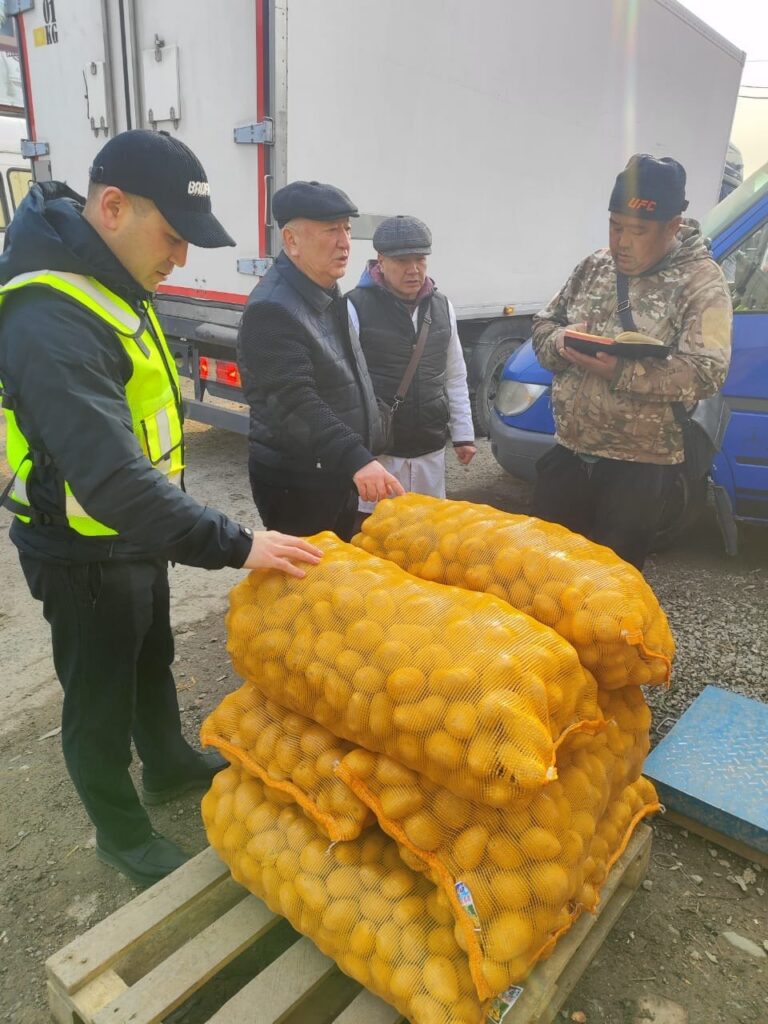
By late 2024, the government declared that Kyrgyzstan had fully covered its sugar demand from domestic production, a status it confirmed again for the first nine months of 2025. Sugar now stands among six “socially important” food products for which domestic output is deemed sufficient to secure food security, alongside potatoes, milk, meat, vegetables and eggs.
Kyrgyzstan now aims to raise annual sugar production to 200,000 tons by 2030.
Caught between protection and competition
Bishkek’s tariff and subsidy policy has walked a fine line: using duty-free raw cane sugar imports and temporary trade measures to avoid sudden shortages and price spikes, while simultaneously pushing for local beet planting.
On one side, farmers in the Chuy and Talas regions have long complained that cheap imported sugar can undercut the economics of beet cultivation, despite subsidies. Many producers are considering abandoning sugar beet in favor of more profitable crops.
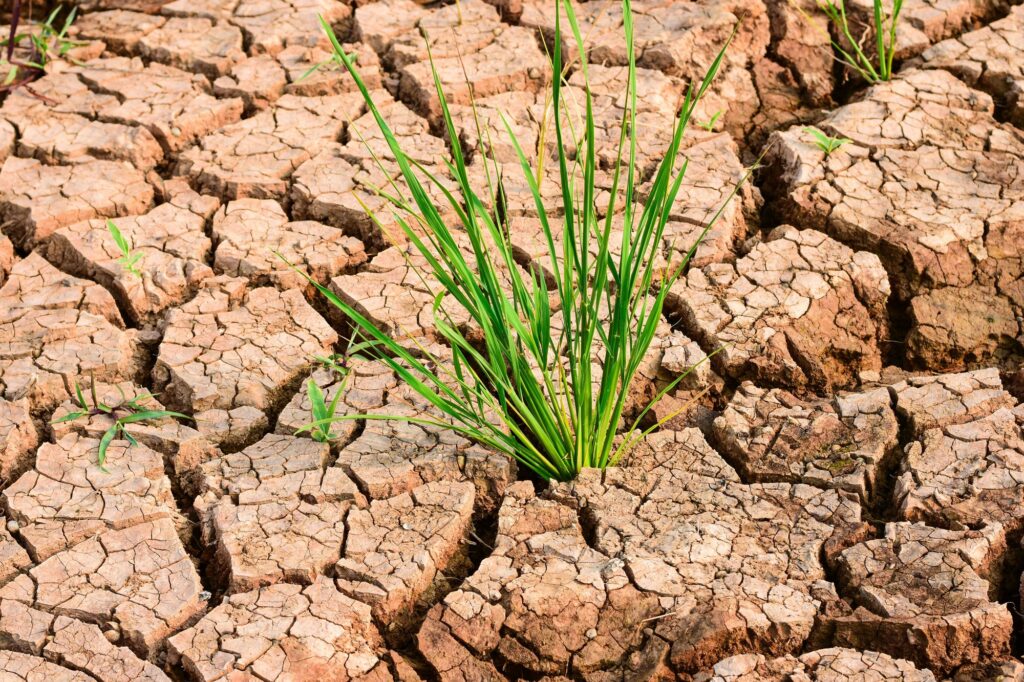
On the other side, the country could quickly slip back into dependence on imported sugar. Growing water scarcity increases the risk of weather shock that could drastically reduce sugar beet output.
Strategy outlook
For now, Kyrgyzstan’s sugar market sends a positive signal. Food-security metrics have improved: the country can credibly claim self-sufficiency in sugar, at least on an average-year basis. Tariff policy has shifted from enabling cheap raw imports to increasingly emphasizing domestic beet production, though emergency zero-duty measures remain a tool in the government’s kit. Raising sugar production to 200,000 tons by 2030 will require significant investment alongside deeper coordination between farmers and factories.